Everyday food
A healthy meal for a toddler pairs a protein food with a fruit or vegetable and a grain, in portions about a quarter of an adult's, according to the AAP. Most toddlers eat 3 meals and 2 snacks a day, spaced 2–3 hours apart. Until about age 4, cut round foods small, cook hard vegetables soft, and skip popcorn, whole nuts and thick nut butter.
Start here
The essential guides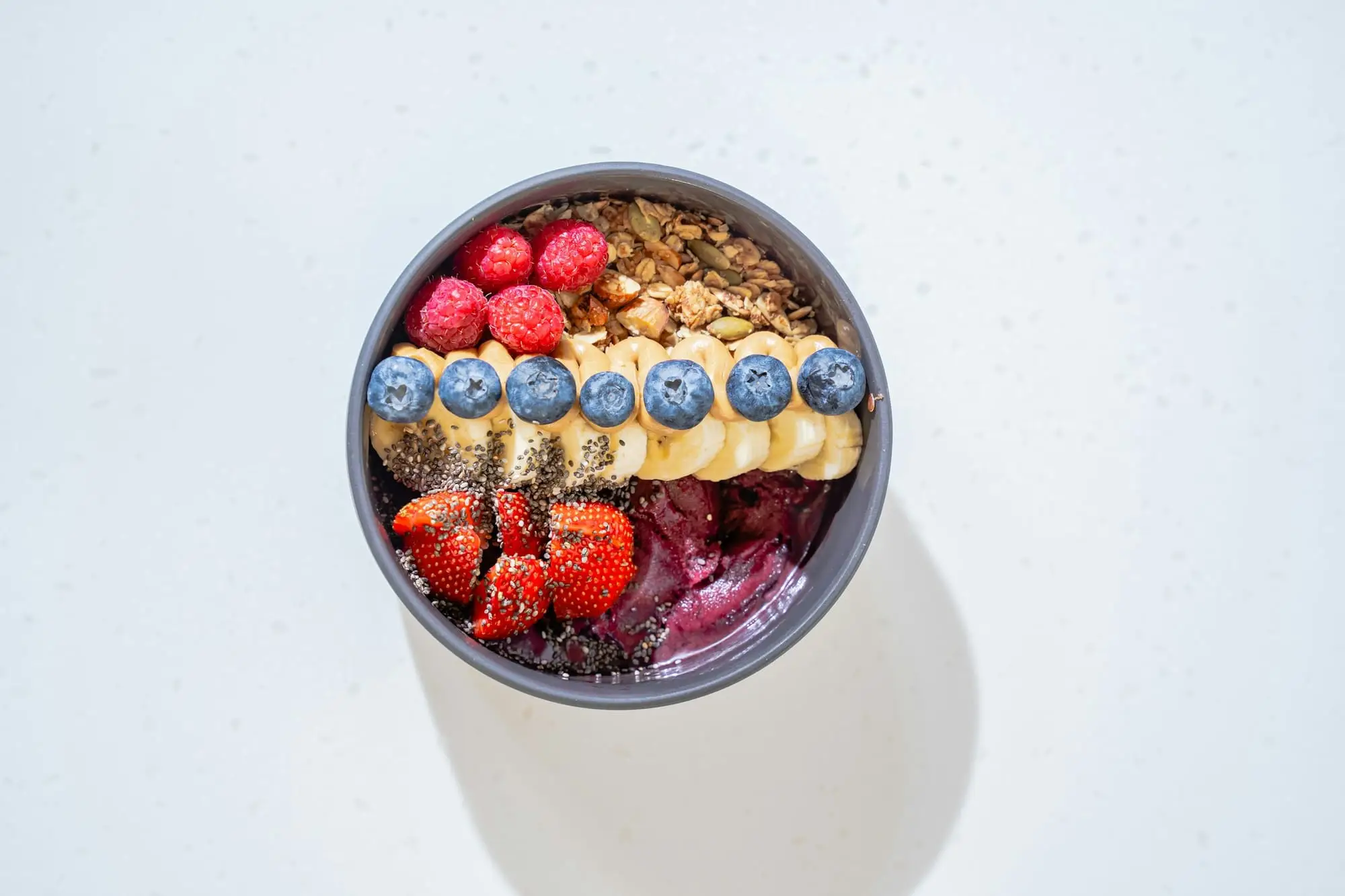
2-year-old breakfast ideas: 15 quick, balanced options
Fifteen quick breakfasts for 2-year-olds — built from protein or dairy, fruit and a grain, in toddler-sized portions, and cut safely for small mouths.
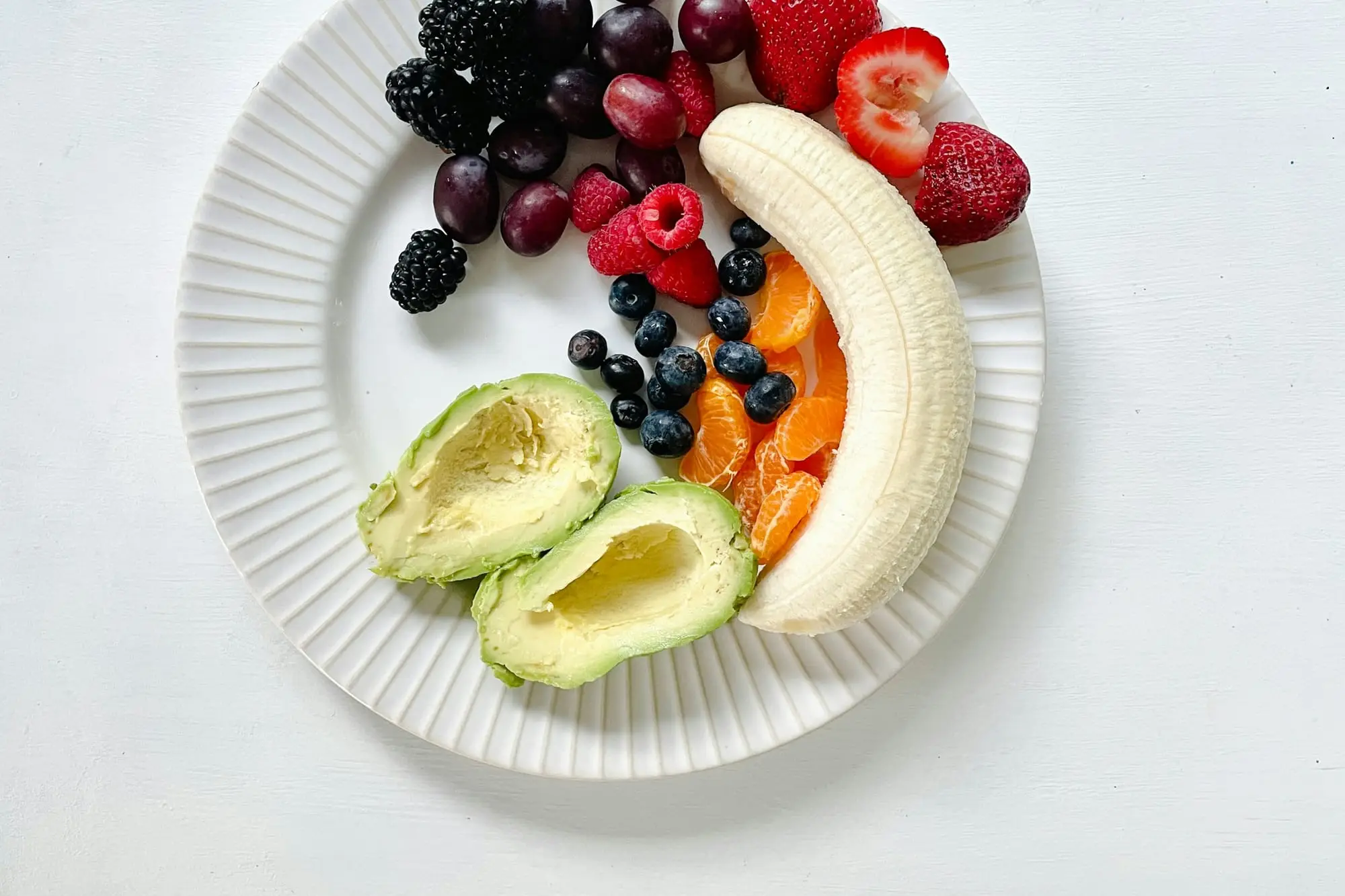
1-year-old meal ideas: a sample day of balanced meals
Three small meals and two snacks, a full sample day, and easy ideas for each meal — with the safe cuts that keep them choking-proof.
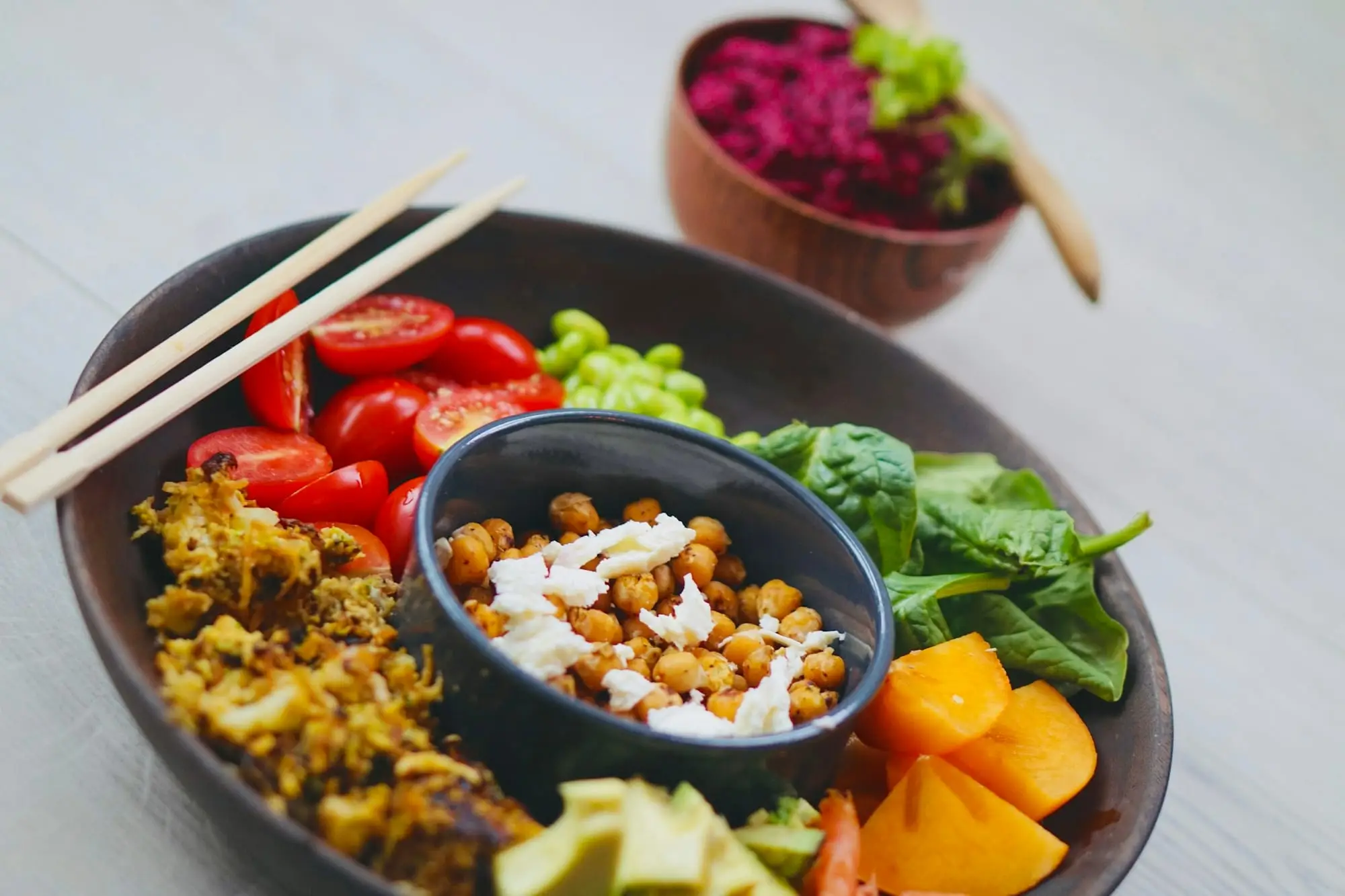
5-year-old meal ideas: a week of balanced plates
A week of easy lunches and dinners built on one simple plate, with the portions pediatricians use as a guide and the cuts that keep round foods safe.
Build a balanced kid’s plate
A balanced plate for a child has a protein food, a vegetable, a fruit and a grain, with some healthy fat — the same food groups adults eat, in smaller portions. The 2025–2030 Dietary Guidelines for Americans build healthy eating around protein, dairy, vegetables, fruits, healthy fats and whole grains, and the AAP lists the same groups for toddlers.12
You may remember MyPlate, the plate-shaped graphic USDA used for this. The 2025–2030 Guidelines illustrate the food groups with a pyramid instead, but the groups themselves are the familiar ones — so the plate is still a handy way to put a meal together.1
A toddler portion is about a quarter of an adult’s.3
| Plate part | Toddler serving (ages 1–3) | Easy examples |
|---|---|---|
| Protein | 1 oz meat, fish or poultry (two 1-inch cubes); ½ egg | Diced chicken, flaked salmon, mashed beans, tofu cubes |
| Dairy | ½ cup milk, ⅓ cup yogurt or ½ oz cheese | Plain yogurt, shredded cheese, cottage cheese |
| Vegetables | 1 tbsp cooked per year of age | Steamed broccoli, peas, roasted sweet potato |
| Fruits | ½ piece fresh or ¼ cup canned or cooked | Quartered grapes, banana, diced peaches |
| Grains | ¼–½ slice bread, 4 tbsp cooked rice or pasta, 2–3 crackers | Whole-wheat toast, oatmeal, brown rice |
| Healthy fats | A little, in cooking or on the plate | Olive oil, avocado, full-fat dairy, thinly spread nut butter |
Not every meal needs every part. A snack can be just two — the AAP’s toddler snack formula is a protein food plus a fruit, vegetable or grain — and a balanced diet comes together over the whole day, not one plate.6
Protein is usually covered. Toddlers aged 1 to 3 need about 13 g of protein a day.10 A ⅓ cup of plain Greek yogurt has about 7 g; 1 oz of chicken has about 9 g.11
Snacks fill gaps between meals. Most 1-year-olds eat 3 meals and 2 snacks; from age 2, 1 or 2 snacks is typical.72 Space eating times about 2 to 3 hours apart.13
A lunchbox follows the same plan. USDA’s child-care lunch rules require a protein, a grain, a fruit, a vegetable and milk.12 For a cold lunch, pack two ice packs: perishable food shouldn’t sit out more than 2 hours.9
One family meal, not two. Serve the same dinner to everyone and include at least one food your child already likes.8
Choking-safe swaps for under-4s
Toddlers don’t chew with a grinding motion until about age 4, so the AAP recommends keeping high-risk foods away — or changing how you serve them — until then.74 The rule of thumb: pieces no larger than ½ inch, and always eat sitting down with an adult watching.4
| Risky as served | Safer way to serve |
|---|---|
| Whole grapes, cherry tomatoes | Cut lengthwise into quarters |
| Blueberries and other round berries | Smash, or cut lengthwise |
| Hot dogs, sausages, meat sticks | Quarter lengthwise, then slice into small pieces |
| Chunks of meat | Dice to ½ inch or smaller |
| Chunks of cheese, string cheese | Shred, or dice small |
| Peanut butter or nut butter by the spoonful | Spread thinly on bread or crackers |
| Whole nuts and seeds | Skip; use thinly spread nut butter or ground nuts mixed into food |
| Raw carrots, celery, green beans | Steam or roast until soft |
| Raw apple chunks | Slice paper-thin |
| Raisins and other dried fruit | Cut into small pieces |
| Whole beans, edamame | Mash |
| Popcorn, chips, pretzels | Skip until at least age 4 |
| Marshmallows, hard or gummy candy, gum | Skip |
The CDC’s list, based on USDA’s WIC program, adds a few more to avoid for young children: whole corn kernels, granola bars, crackers or breads with seeds or whole grain kernels, and chewy fruit snacks.5 Where the CDC lists a food to avoid and the AAP shows how to prepare it safely — whole beans, for example — we give the AAP’s preparation, which still keeps pieces small and soft.56
🥣Breakfast ideas
Quick, make-ahead and on-the-go breakfasts — including egg-free ones — with the protein in each toddler portion.
2-year-old breakfast ideas: 15 quick, balanced options
Fifteen quick breakfasts for 2-year-olds — built from protein or dairy, fruit and a grain, in toddler-sized portions, and cut safely for small mouths.
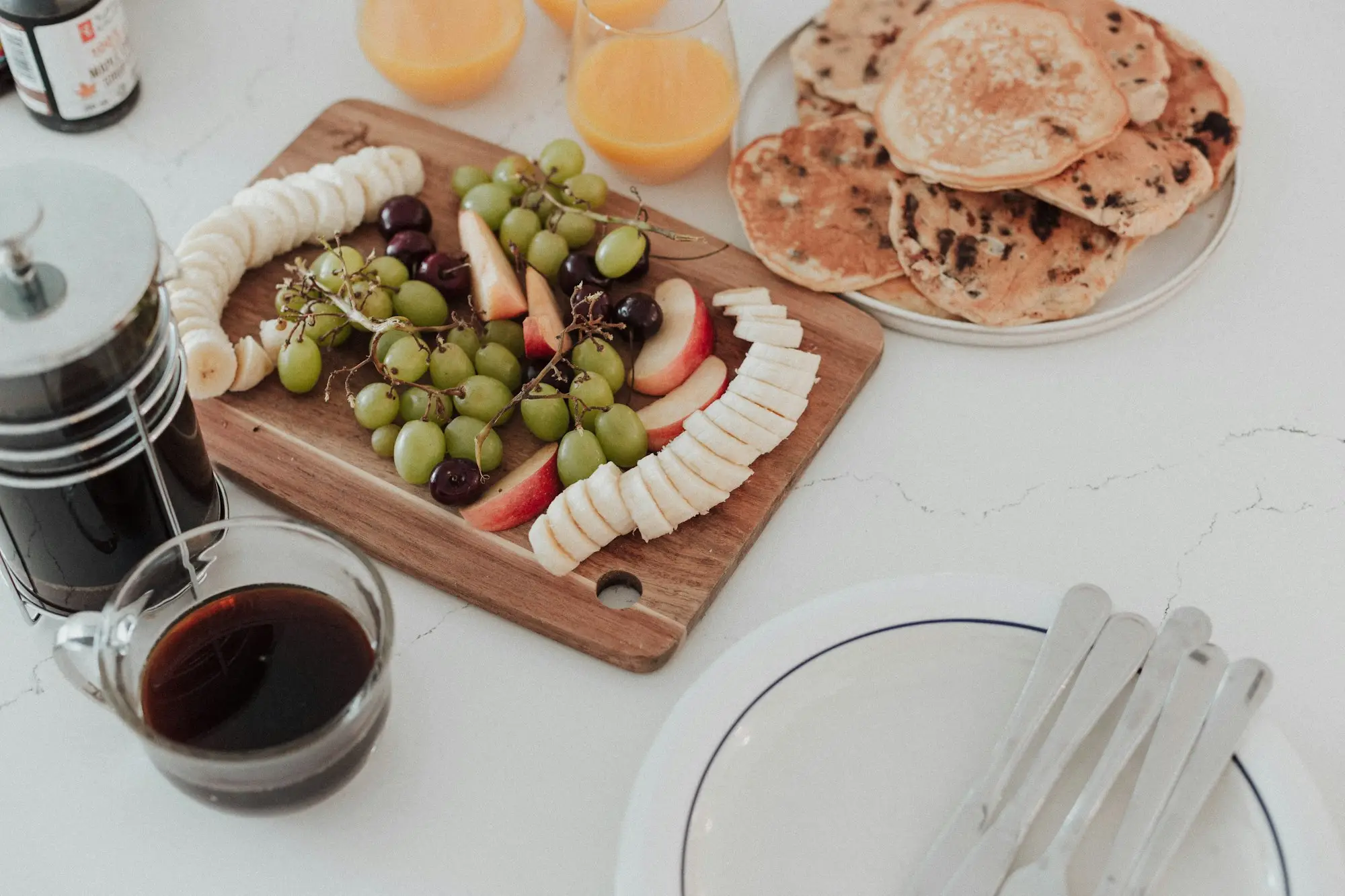
12 toddler breakfast ideas with no eggs
Twelve egg-free breakfasts for toddlers who won't eat eggs (or can't) — quick, make-ahead and on-the-go — with the protein in each toddler portion.
🍎Snacks and snack schedules
How many snacks toddlers need, when to serve them, and a two-food-group formula that keeps snacks from spoiling meals.
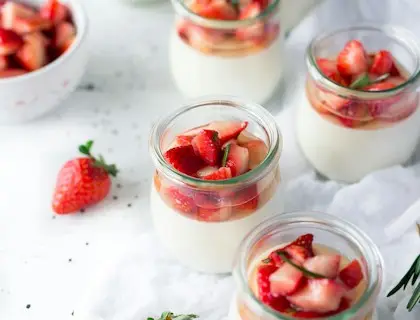
2-year-old snack ideas: 25 easy, healthy options
What a healthy snack for a 2-year-old looks like, 25 easy ideas with safe cuts and portions, and how to adjust them for 1- and 3-year-olds.
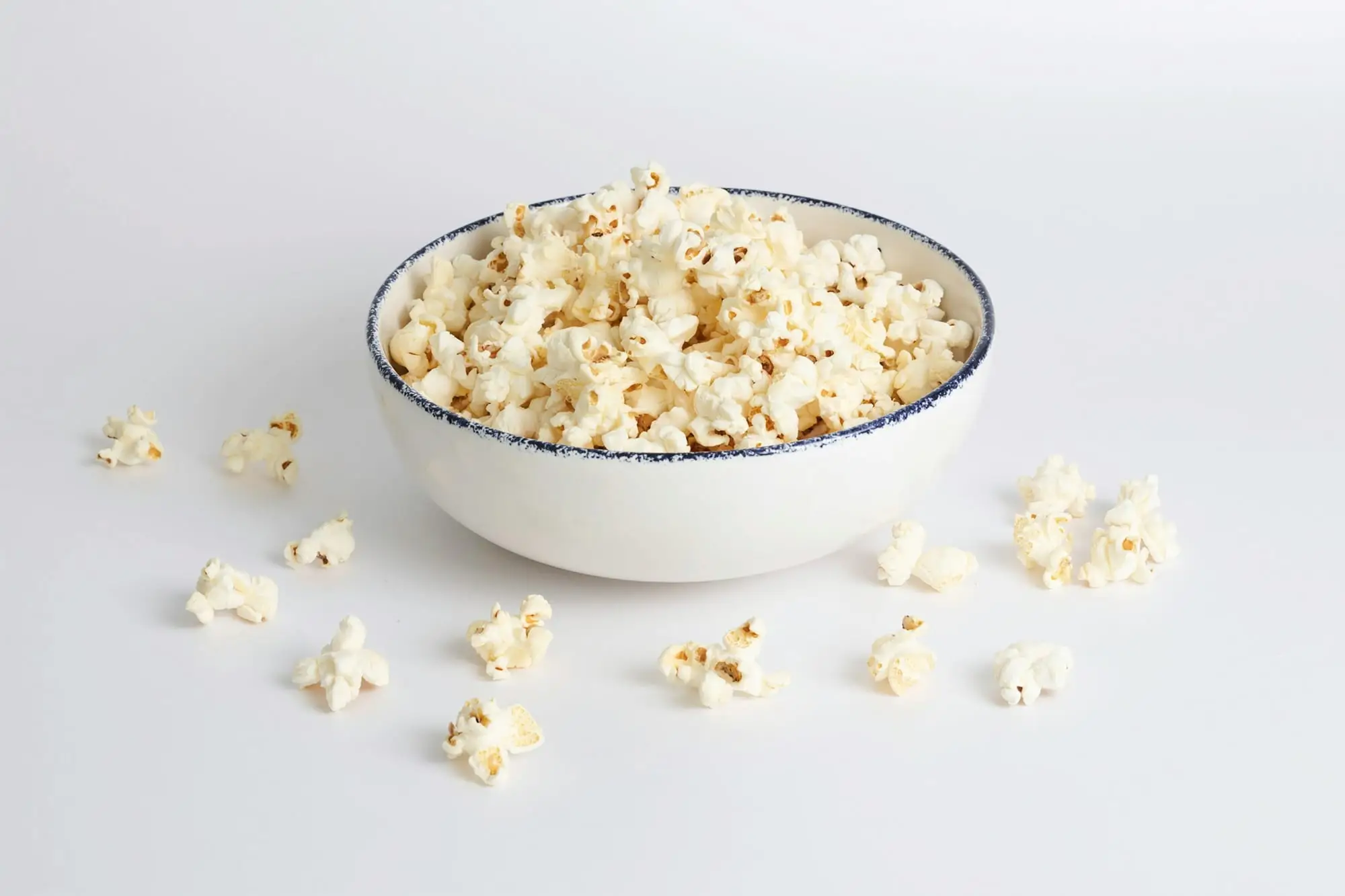
Can 3-year-olds have popcorn?
Why popcorn is on the AAP's avoid list for young children, what age it's safe from, and crunchy snacks a 3-year-old can have today.
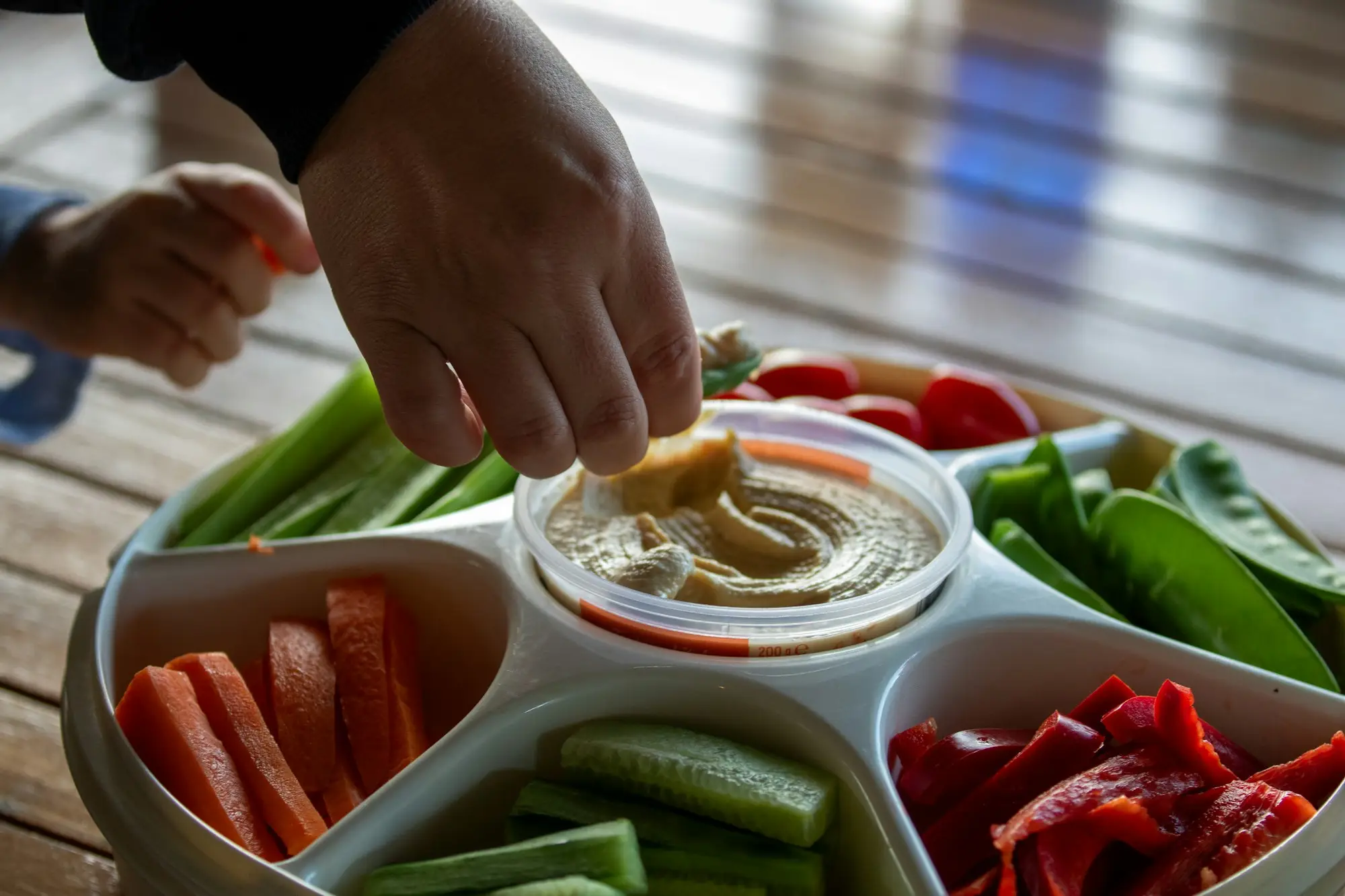
How many snacks should a toddler have a day?
Usually two, sometimes three — and the timing matters more than the number. A sample day, a simple formula for snacks that actually fill them up, and what to do when your toddler only wants snacks.
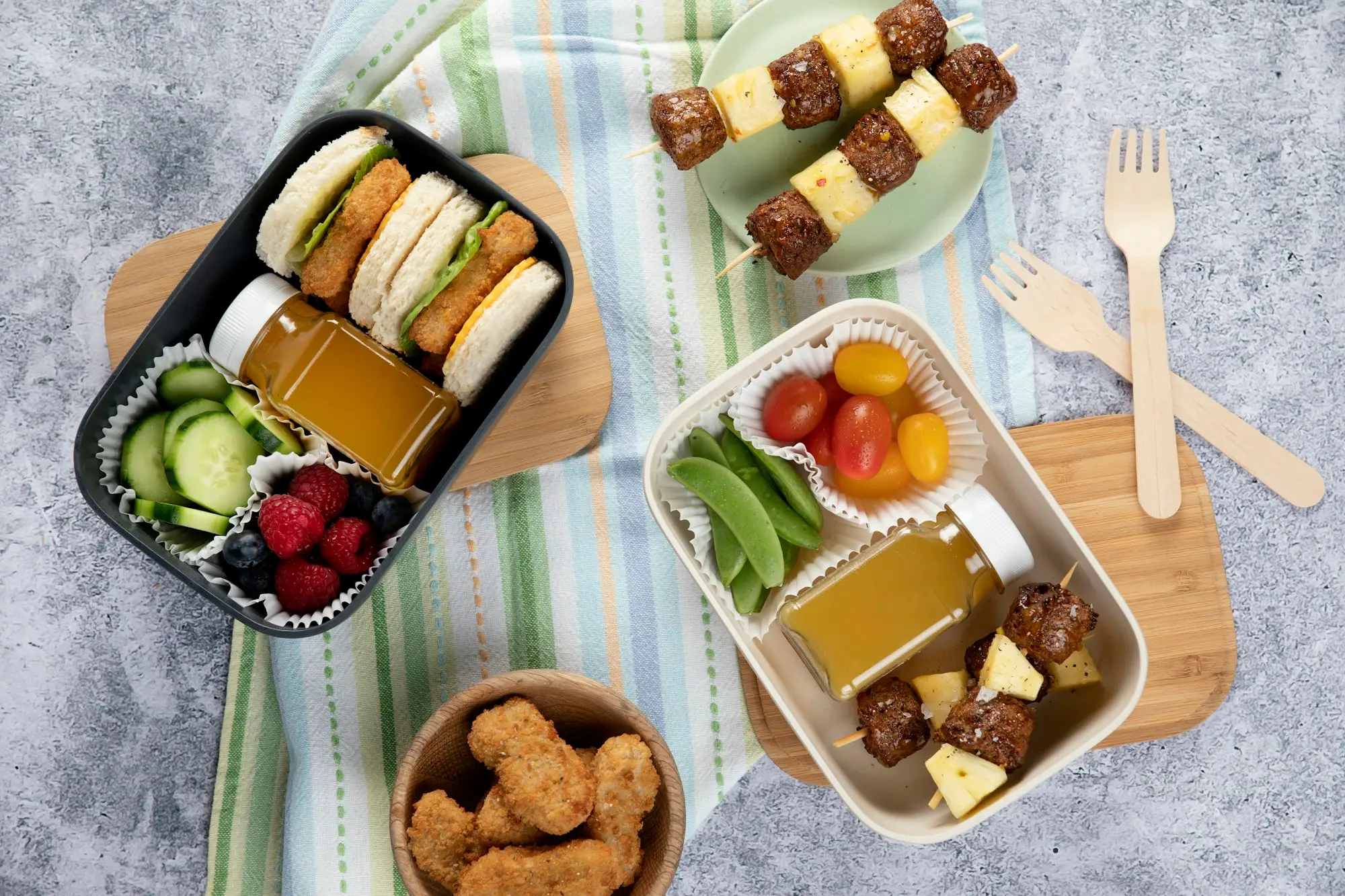
🍱Lunchboxes
Cold daycare and preschool lunches that need no microwave, packed to USDA food-safety rules and cut for little mouths.
🍝Meal ideas for babies
Sample days and finger-food meals for the second half of the first year.
1-year-old meal ideas: a sample day of balanced meals
Three small meals and two snacks, a full sample day, and easy ideas for each meal — with the safe cuts that keep them choking-proof.
5-year-old meal ideas: a week of balanced plates
A week of easy lunches and dinners built on one simple plate, with the portions pediatricians use as a guide and the cuts that keep round foods safe.
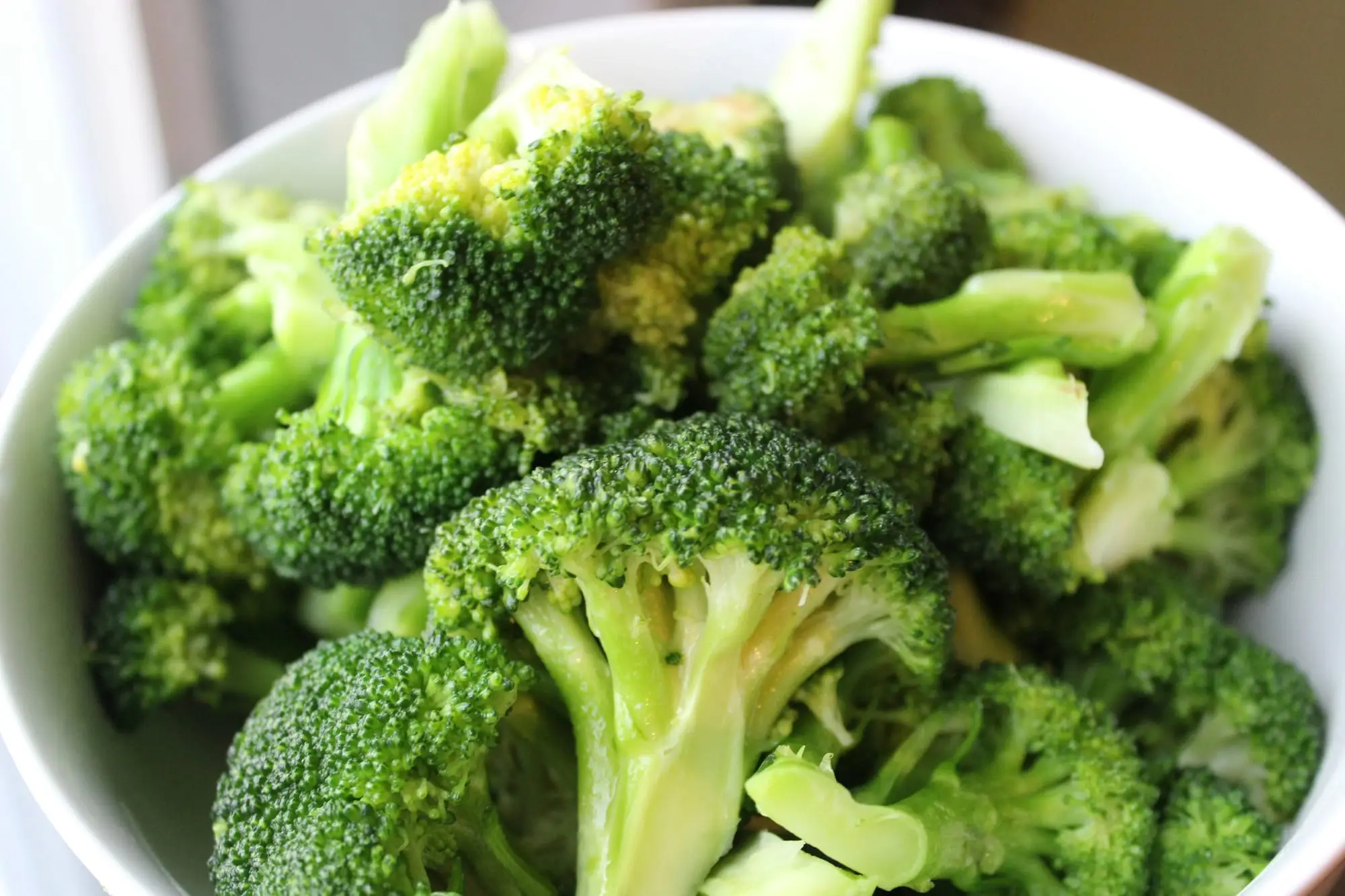
9-month-old food ideas: finger foods and a sample day
Soft, iron-rich finger foods with choking-safe cuts, a sample day built on the AAP's menu for 8- to 12-month-olds, and the short list to skip before the first birthday.
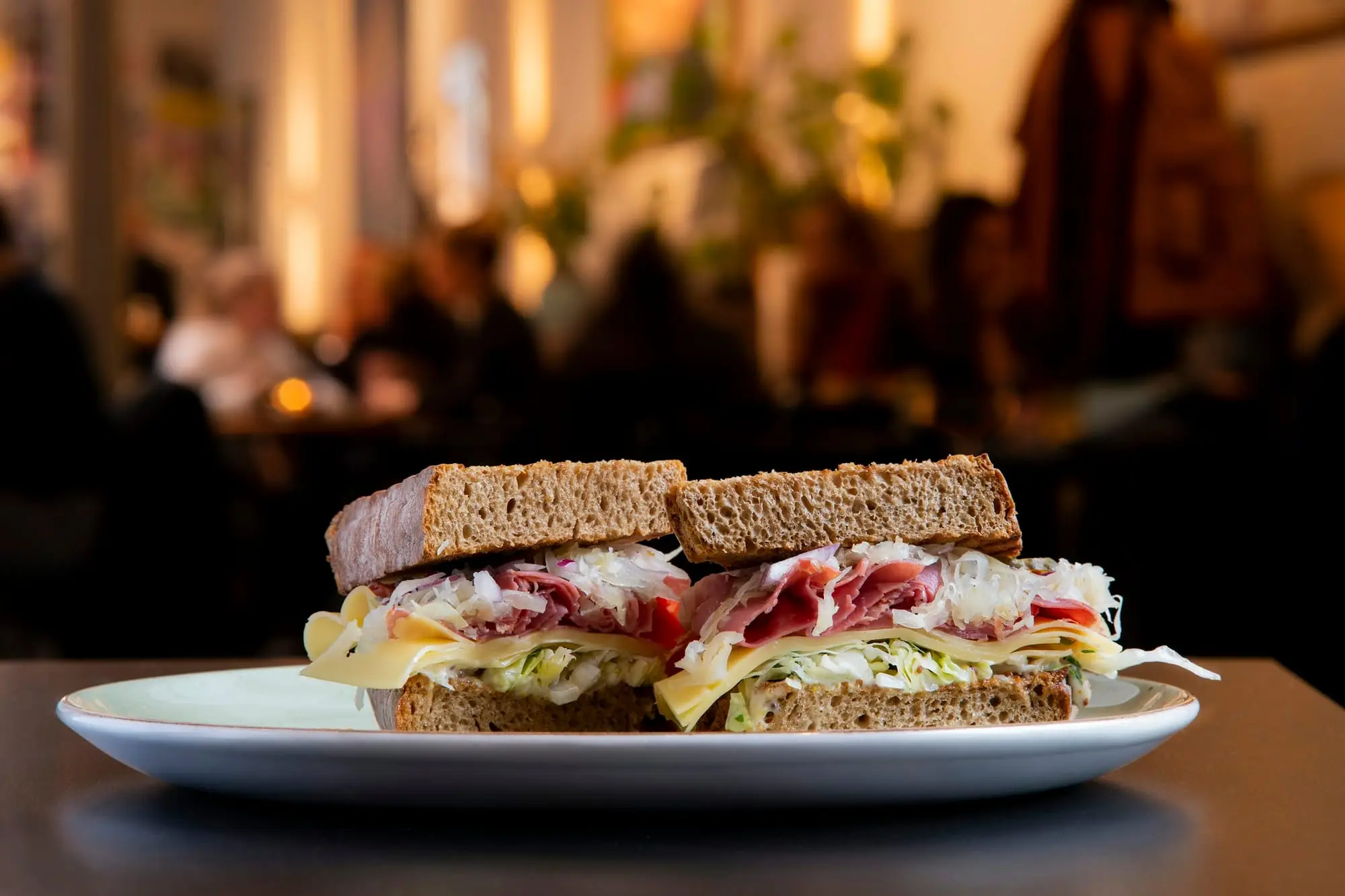
2-year-old lunch ideas: 15 easy, balanced lunches
What a 2-year-old's lunch plate looks like, 15 easy lunches with safe cuts, a quick way to build one, and what to do when half of it ends up on the floor.
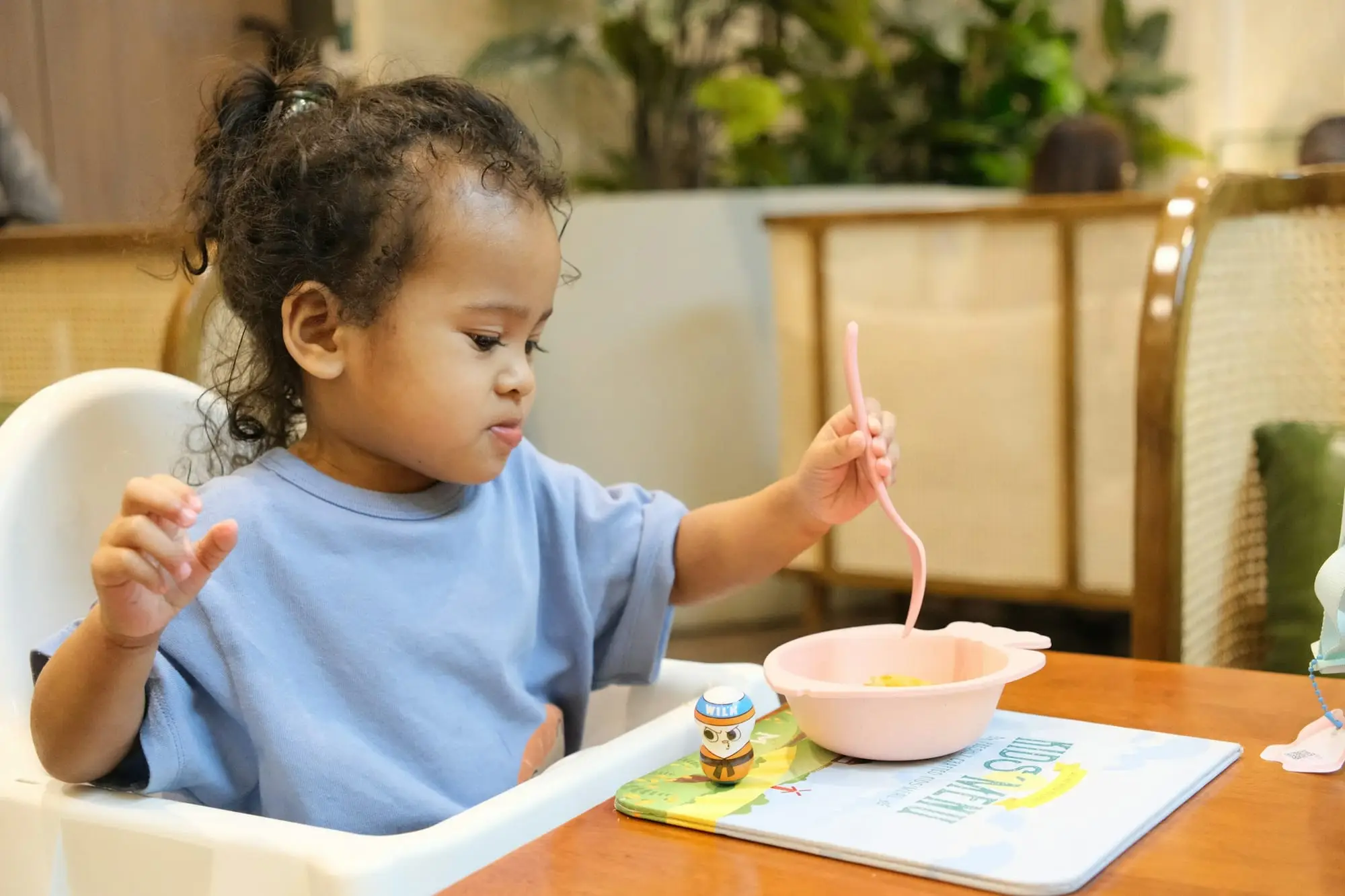
2-year-old dinner ideas: 15 easy family meals
What a 2-year-old's dinner plate looks like, 15 easy family dinners with safe cuts and protein per serving, and what to do when they push it all away.
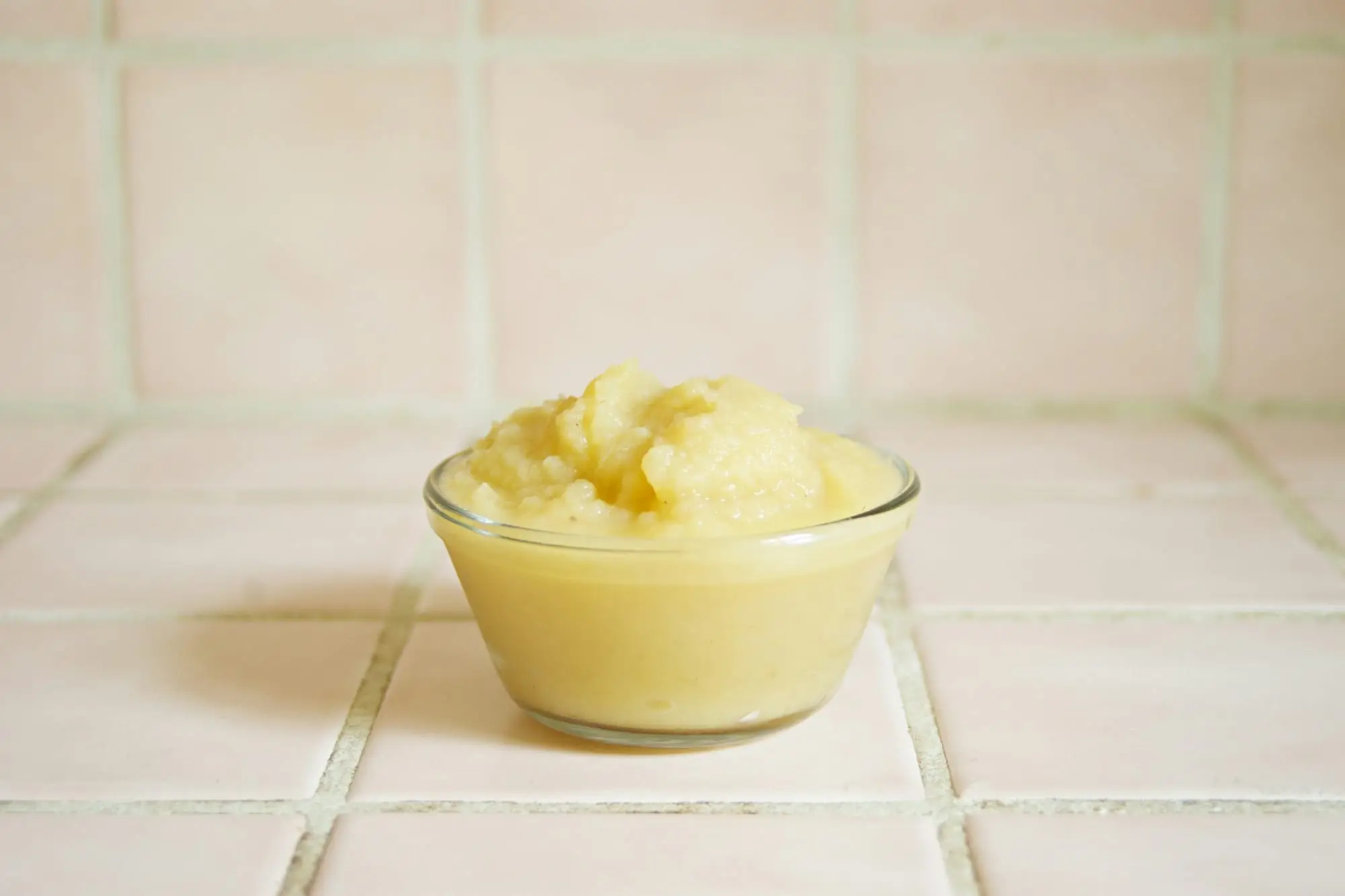
6-month-old food ideas: first foods and simple meals
Iron-rich first foods, a handful of easy meals in purée and soft forms, and the short list of things to skip before the first birthday.
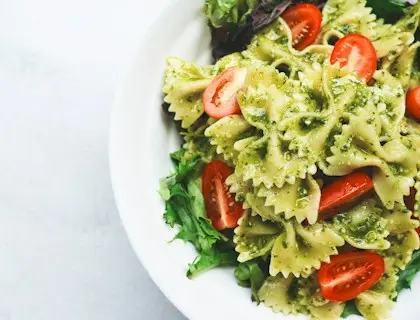
What are the best meals for 3-year-olds?
What a balanced plate looks like at 3, a week of lunches and dinners with safe cuts, and what to do when they refuse all of it.
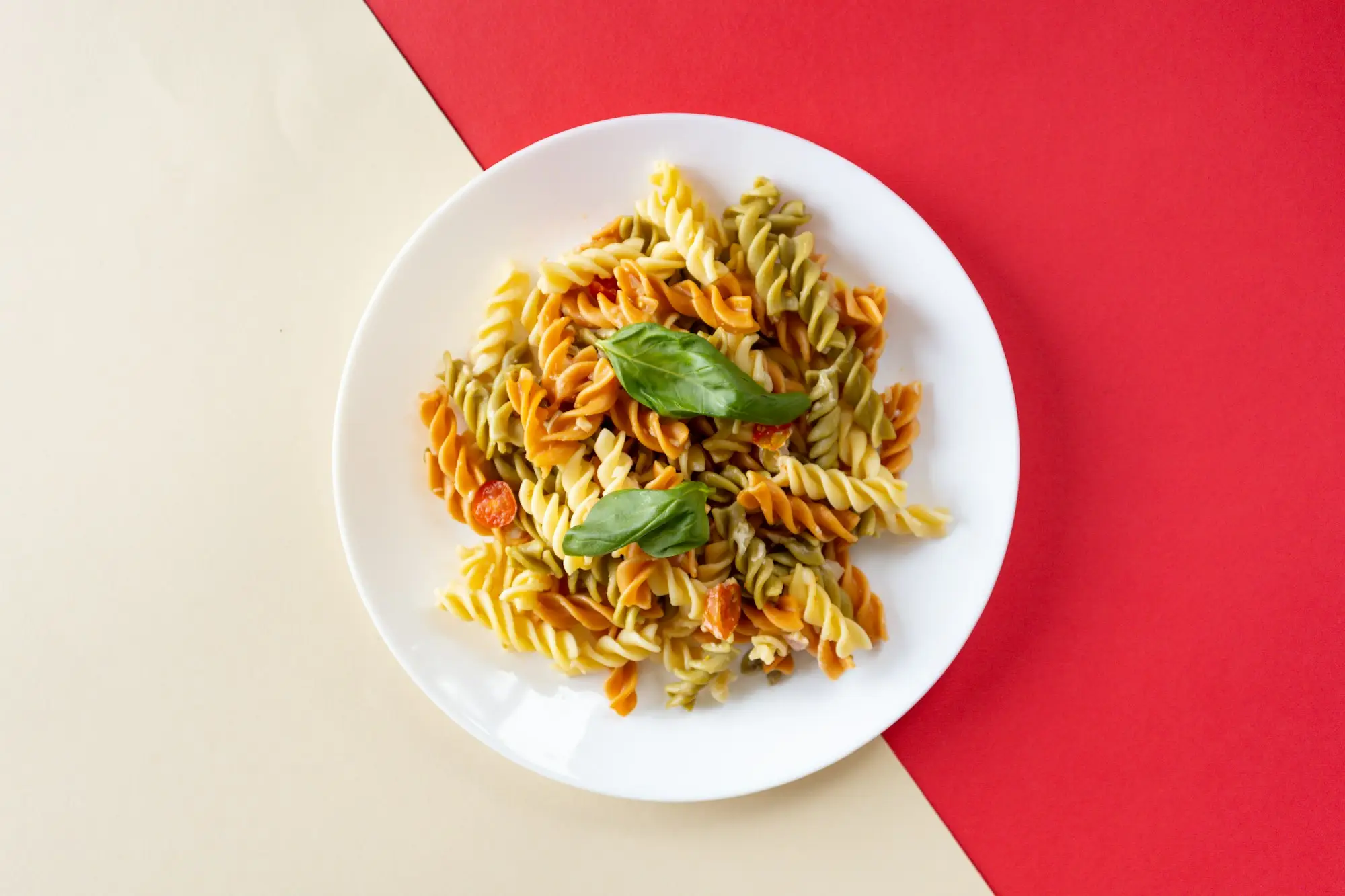
10-month-old meal ideas: a sample day and 14 easy meals
A sample day built on the AAP's menu for 8- to 12-month-olds, fourteen soft, iron-rich meals with choking-safe cuts, and the short list of foods to skip before the first birthday.
⚽Food for young athletes
What to eat before and after games and practice, and how much to drink.
Common questions
What's a balanced plate for kids?
A protein food (meat, fish, eggs, beans, tofu or dairy), a vegetable, a fruit and a grain — ideally whole grain — with some healthy fat. For toddlers, each portion is about a quarter of an adult's, such as 1 oz of meat, ⅓ cup of yogurt or ½ slice of bread.
What's a healthy breakfast for a toddler who doesn't eat eggs?
Plain Greek yogurt with fruit, oatmeal cooked in milk, cottage cheese with peaches, ricotta toast, tofu scramble or last night's leftovers. Most give a toddler 6–9 g of protein, about half of the 13 g they need in a day.
How many snacks should a toddler have a day?
Usually 2, alongside 3 meals, for 1-year-olds, according to the AAP; from age 2, 1 or 2 snacks is typical. Space meals and snacks about 2–3 hours apart.
What goes in a toddler lunchbox?
A protein, a grain, a fruit and a vegetable — the same parts USDA requires in child-care lunches. For a cold lunch, pack at least two ice packs in an insulated bag, since perishable food shouldn't sit out more than 2 hours.
How do I make one family dinner that works for everyone?
Serve one meal for the whole family and include at least one food your child already likes, as the AAP suggests. Cut your toddler's portion small and soft, and don't cook a second meal if they refuse.
What foods are choking hazards for toddlers?
The AAP lists hot dogs, whole grapes, nuts and seeds, popcorn, raw carrots and apple chunks, chunks of meat or cheese, thick nut butter, marshmallows, hard candy and gum. Keep them away or modify them until at least age 4.
Sources
- U.S. Department of Agriculture and U.S. Department of Health and Human Services. Dietary Guidelines for Americans, 2025–2030.
- American Academy of Pediatrics, HealthyChildren.org. Feeding & Nutrition Tips: Your 2-Year-Old.
- American Academy of Pediatrics, HealthyChildren.org. Serving Sizes for Toddlers.
- American Academy of Pediatrics, HealthyChildren.org. Choking Prevention for Babies & Children: What Every Parent Needs to Know.
- Centers for Disease Control and Prevention. Choking Hazards.
- American Academy of Pediatrics, HealthyChildren.org. Building Balanced Snacks to Feed to Toddlers.
- American Academy of Pediatrics, HealthyChildren.org. Feeding & Nutrition Tips: Your 1-Year-Old.
- American Academy of Pediatrics, HealthyChildren.org. 10 Tips for Parents of Picky Eaters.
- U.S. Department of Agriculture, Food Safety and Inspection Service. Keeping "Bag" Lunches Safe.
- U.S. Department of Agriculture and U.S. Department of Health and Human Services. Appendix 1. Dietary Guidelines for Americans, 2020–2025.
- U.S. Department of Agriculture, Agricultural Research Service. FoodData Central.
- U.S. Department of Agriculture. 7 CFR 226.20, Child and Adult Care Food Program meal patterns. Requirements for meals.
- Academy of Nutrition and Dietetics, EatRight.org. 4 Toddler Snacking Mistakes.
For general information only — not a substitute for advice from your child's doctor. Our editorial standards.