Ages & stages
Most 1-year-olds need about 700–1,000 calories a day, rising to about 1,000–1,400 at ages 2–3, 1,200–2,000 at 4–8 and 1,400–2,600 at 9–13, according to the 2020–2025 USDA Dietary Guidelines. Young children do best on 3 meals and 1–2 snacks a day, with toddler portions about a quarter of an adult's. Appetite swings a lot from day to day, so look at the week and at growth, not one meal.
Start here
The essential guides
How many calories does a baby need a day?
Daily calorie ranges by month, what they look like in bottles and feeds, and why you don't need to count them.
When can babies have honey?
Not before the first birthday. Why honey is the one sweet food babies must skip, which foods hide it, and the signs of infant botulism that mean calling the doctor.
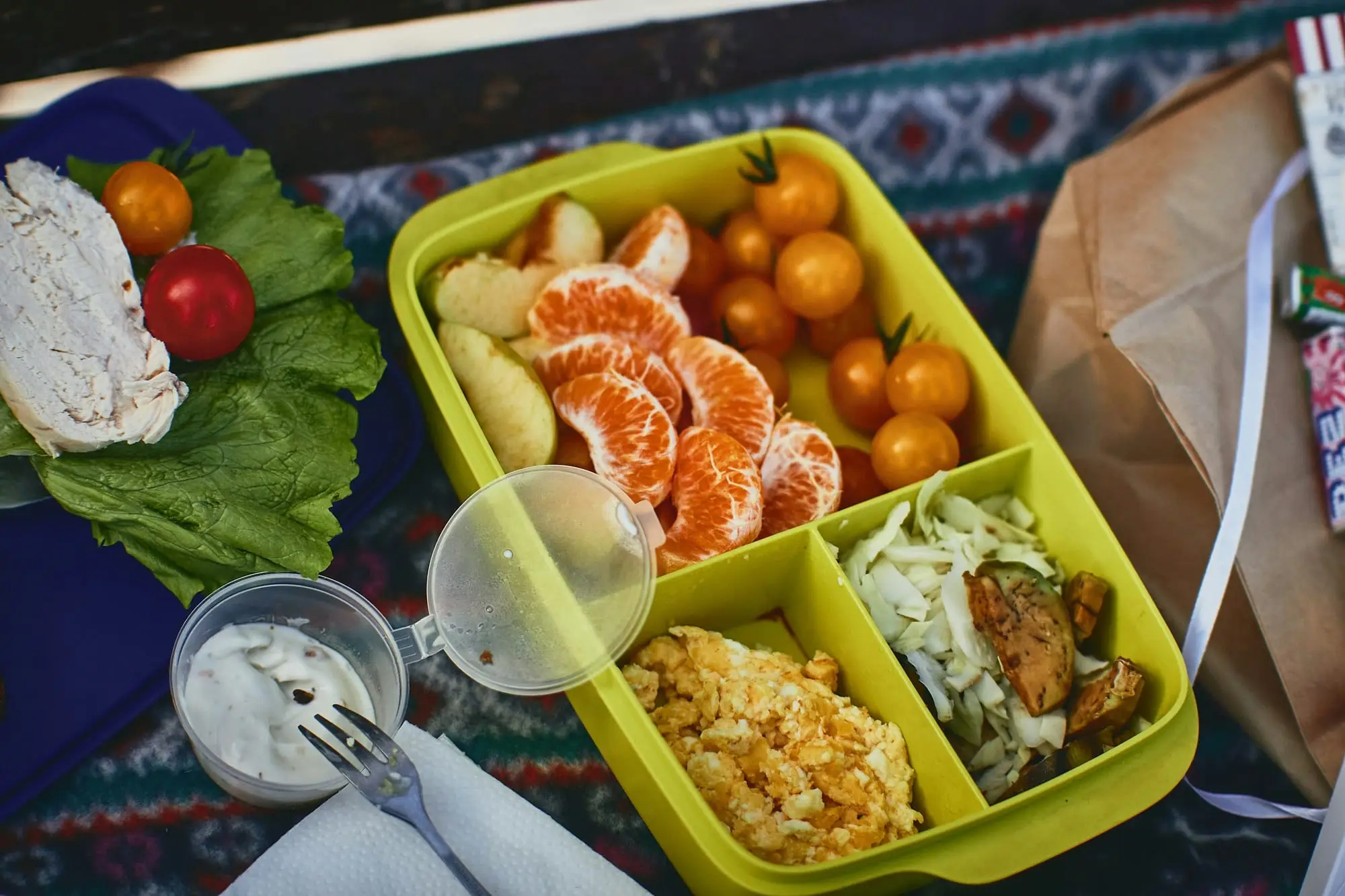
What should a 5-year-old eat in a day?
A full one-day sample menu for a 5-year-old, what the amounts add up to, and straight answers on milk, juice and safe cuts.
How much kids eat, by age
Calorie needs roughly double between a child’s first birthday and their early teens. The 2020–2025 USDA Dietary Guidelines estimate about 700–1,000 calories a day from 12 to 23 months, about 1,000–1,400 at ages 2–3, 1,200–2,000 at 4–8 and 1,400–2,600 at 9–13, with the higher end for bigger, more active children and, from about age 3, often for boys.1
| Age | Calories per day | Meals + snacks | Dairy (cup-equivalents per day, 2020–2025 Guidelines) |
|---|---|---|---|
| 1 year (12–23 months) | 700–1,000 | 3 meals + 2 snacks | 1⅔–2 |
| 2–3 years | 1,000–1,400 | 3 meals + 1–2 snacks | 2 |
| 4–8 years | 1,200–2,000 | 3 meals + 1–2 snacks | 2½ |
| 9–13 years | 1,400–2,600 | 3 meals + snacks as needed | 3 |
These are estimates for an average child, not targets to count toward. Toddler intake in particular is “erratic and unpredictable”, in the AAP’s words; your child may eat far more or less than the table one day and balance it out over the next few.2
Meals and snacks. The AAP describes 3 meals and 2 snacks for 1-year-olds, and 3 meals plus 1 or 2 snacks from age 2 and through the preschool years.234 Older children vary more with activity and school schedules; most eat at least one snack a day, and it’s a good chance to add fruit and vegetables.5
Portions. A toddler portion is about a quarter of an adult’s.9 See the toddler portion size chart for food-by-food amounts.
Dairy. Milk, yogurt and cheese all count toward the dairy column. For drinking milk specifically, the AAP suggests about 16 oz a day from 12 to 24 months and 16–24 oz from 2 to 5.8
Milestones that change how kids eat
- Solids at about 6 months. The AAP recommends breast milk alone for about the first 6 months, then adding foods alongside it.6 The 2025–2030 Dietary Guidelines agree, and say breast milk or formula stays the main source of nutrition until 12 months.10
- Cup by 12 to 18 months. The AAP suggests offering a cup from around 6 months and finishing the move off the bottle between 12 and 18 months.7
- Whole milk at 1, lower-fat at 2. Cow’s milk can be introduced at 12 months, as whole milk.8 The AAP advises switching to low-fat (1%) or nonfat milk at age 2.8 The CDC says whole milk is fine after 2, and the 2025–2030 Dietary Guidelines say full-fat dairy helps young children meet their energy needs; we follow the AAP, but your pediatrician’s advice for your child comes first.1110
- An appetite dip after the first birthday. Growth slows after age 1, so many toddlers suddenly eat less. It’s expected, and it isn’t a sign something is wrong.2
🥄Starting solids (6–12 months)
When and how to start, how much solid food by month, and purées vs baby-led weaning.
When can babies have honey?
Not before the first birthday. Why honey is the one sweet food babies must skip, which foods hide it, and the signs of infant botulism that mean calling the doctor.
How much solid food should a baby eat?
From a teaspoon at 6 months to three small meals by the first birthday — how much solid food babies usually eat month by month, why milk still comes first, and how to tell when they've had enough.
Purées vs baby-led weaning: what the evidence says
Spoon, fingers or both? What the trials actually found about choking, iron and growth, why most families end up mixing the two, and which finger-food shapes are safe at each stage.
🍽️How much to eat, by age
Daily calories, food-group amounts and sample days from toddlers to preteens — and why the numbers are a guide, not a target.
How many calories does a baby need a day?
Daily calorie ranges by month, what they look like in bottles and feeds, and why you don't need to count them.
What should a 5-year-old eat in a day?
A full one-day sample menu for a 5-year-old, what the amounts add up to, and straight answers on milk, juice and safe cuts.
How many calories does a child need? A guide by age
Calorie needs from 9 months to age 2, with what that looks like in meals and why a growing child is the best measure.
How many calories should a 10-year-old eat?
Roughly 1,400 to 2,200 calories a day — but the estimate matters less than you'd think. The numbers by age, sex and activity, why preteens shouldn't count, and how puberty turns appetite up.
How much should a 1-year-old eat?
Roughly 1,000 calories over three meals and two snacks — what that looks like per meal, a full sample day, and why some days they'll barely eat at all.
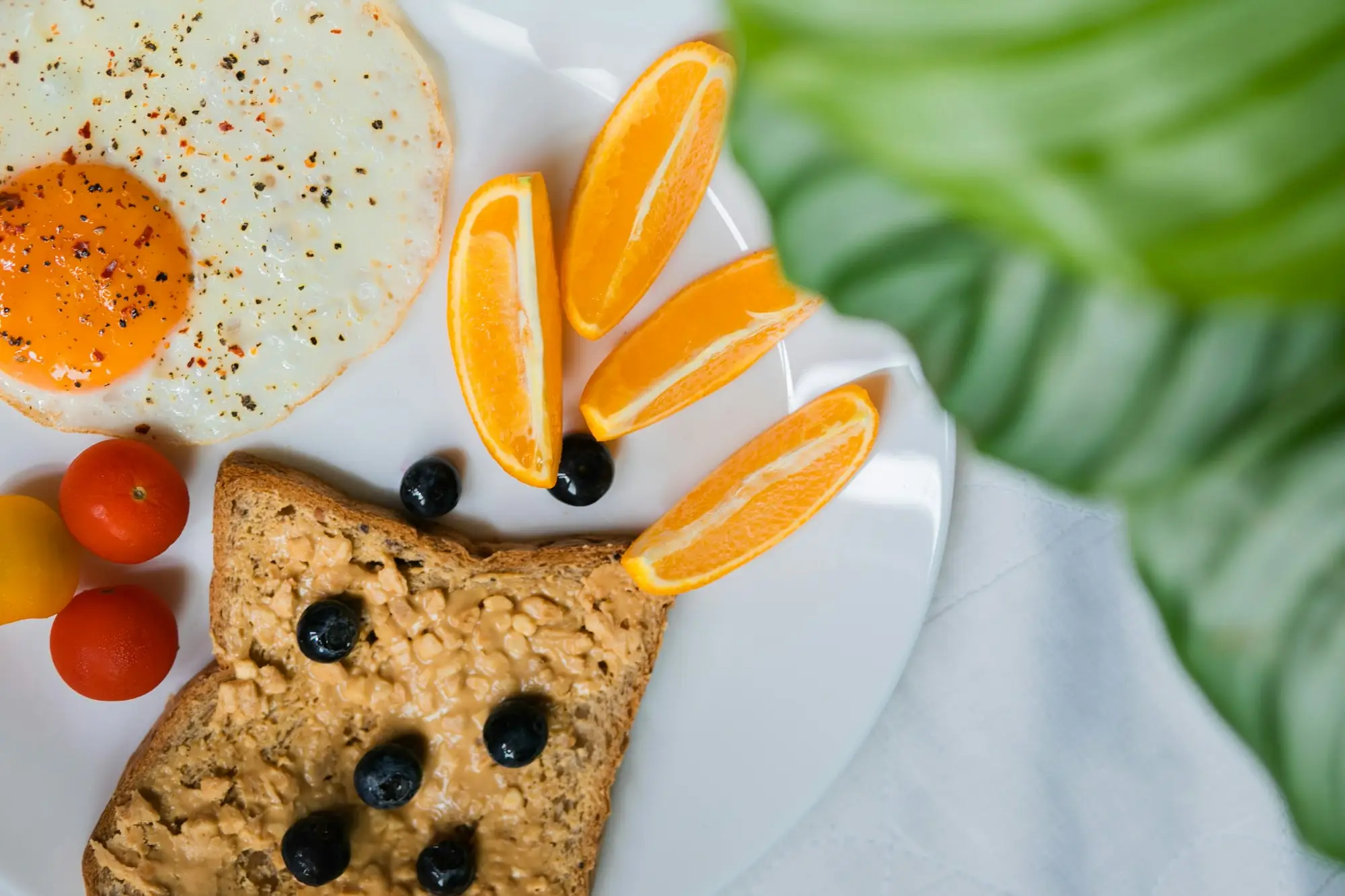
What should a 2-year-old eat in a day?
The daily food-group amounts for a 2-year-old, a full sample menu from breakfast to dinner, and straight answers on eggs, bananas and milk.
📏Portion sizes
What a child-sized portion really looks like, food by food, and how to build a plate your toddler will actually eat from.
Common questions
How many calories does a toddler need?
About 700–1,000 calories a day from 12 to 23 months, and about 1,000–1,400 at ages 2 and 3, according to the 2020–2025 USDA Dietary Guidelines. The AAP's round figure for a 1-year-old is about 1,000. Needs vary with size and activity, so growth is a better guide than counting.
How many meals and snacks should a child have by age?
The AAP describes 3 meals and 2 snacks a day for 1-year-olds, and 3 meals plus 1 or 2 snacks for 2-year-olds and preschoolers. Older children still need snacks; most children eat at least one a day.
What's a toddler portion size?
About a quarter of an adult portion, per the AAP — roughly 1 oz of meat, ¼ cup of cooked vegetables, ½ slice of bread and ½ cup of milk for ages 1 to 3.
When do babies start solids?
At about 6 months, according to the AAP and the USDA Dietary Guidelines. Breast milk or formula stays the main source of nutrition until 12 months.
How does appetite change at age 2?
Growth slows after the first birthday, so many toddlers eat noticeably less than they did as babies, and their intake swings from day to day. The AAP advises looking at growth and what they eat over a week rather than at one meal.
How much milk should a child drink by age?
No cow's milk as a drink before 12 months; about 16 oz (2 cups) of whole milk a day from 12 to 24 months; and 16–24 oz a day from 2 to 5, per the AAP. The 2020–2025 Dietary Guidelines count total dairy as 2 cup-equivalents a day at ages 2–3, 2½ at 4–8 and 3 at 9–13 (1 cup-equivalent = 1 cup milk or yogurt, or 1½ oz natural cheese).
Sources
- U.S. Department of Agriculture and U.S. Department of Health and Human Services. Appendix 2 and Tables 2-1, 3-1 and 3-2. Dietary Guidelines for Americans, 2020–2025.
- American Academy of Pediatrics, HealthyChildren.org. Feeding & Nutrition Tips: Your 1-Year-Old.
- American Academy of Pediatrics, HealthyChildren.org. Sample Menu for a 2-Year-Old Child.
- American Academy of Pediatrics, HealthyChildren.org. Preschool Food & Feeding.
- American Academy of Pediatrics, HealthyChildren.org. Choosing Healthy Snacks for Kids.
- American Academy of Pediatrics, HealthyChildren.org. Starting Solid Foods.
- American Academy of Pediatrics, HealthyChildren.org. From Bottle to Cup: Helping Your Child Make a Healthy Transition.
- American Academy of Pediatrics, HealthyChildren.org. Recommended Drinks for Children Age 5 & Younger.
- American Academy of Pediatrics, HealthyChildren.org. Serving Sizes for Toddlers.
- U.S. Department of Agriculture and U.S. Department of Health and Human Services. Dietary Guidelines for Americans, 2025–2030.
- Centers for Disease Control and Prevention. Cow's Milk and Milk Alternatives.
For general information only — not a substitute for advice from your child's doctor. Our editorial standards.