Health & growth
Most toddler growth and nutrition worries — slow weight gain, constipation, a small appetite — turn out to be normal and respond to everyday food changes. What matters most is the trend on your child's growth chart over several checkups, not any single number. Call your pediatrician for weight loss, a drop across percentile lines, constipation or diarrhea lasting more than 2 weeks, or signs of dehydration.
Start here
The essential guides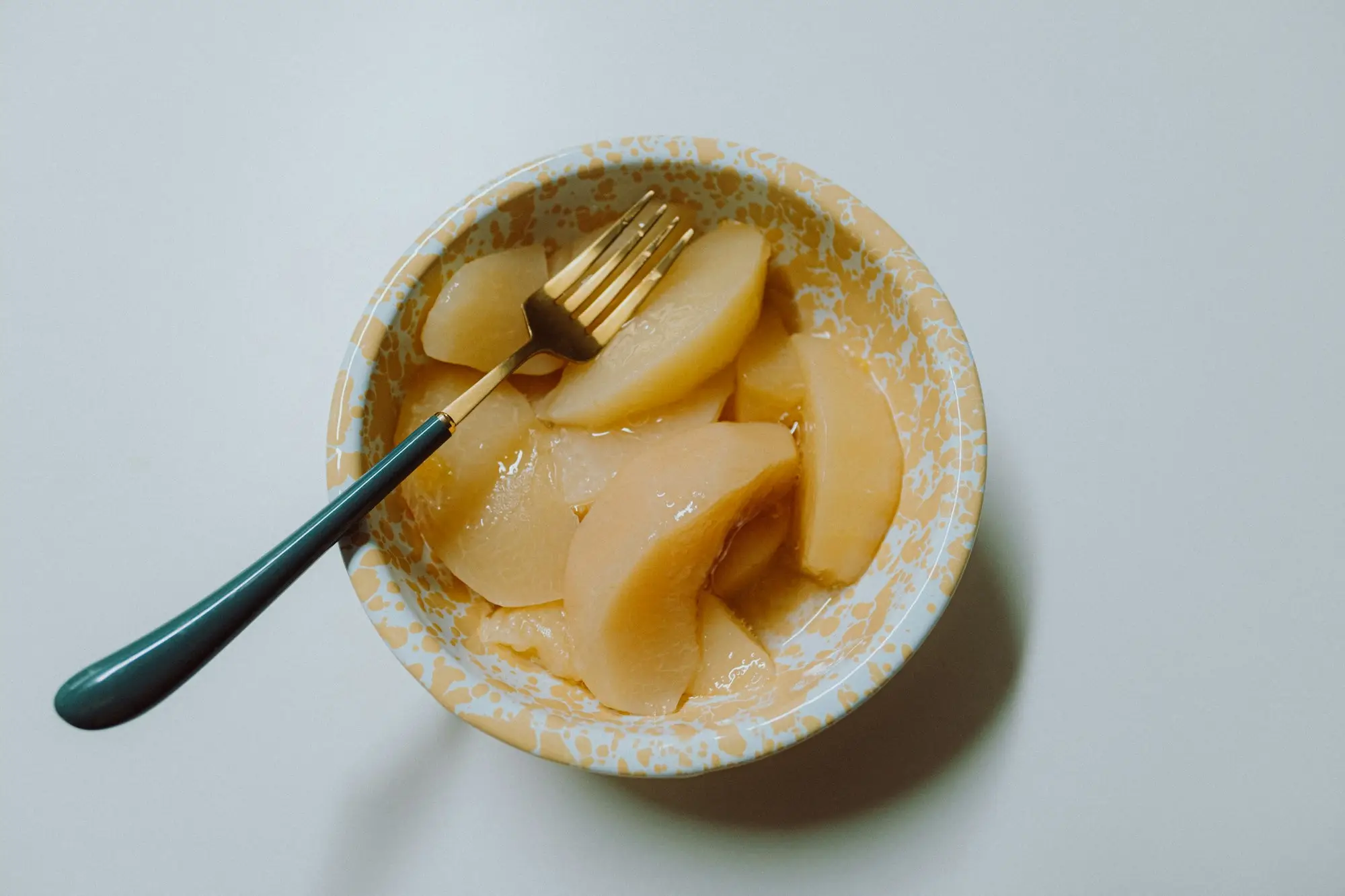
Baby constipation after starting solids
What normal baby poop looks like once solids start, the "P" fruits and other foods that soften it, why juice is a doctor's call before 12 months — and the signs that can't wait.
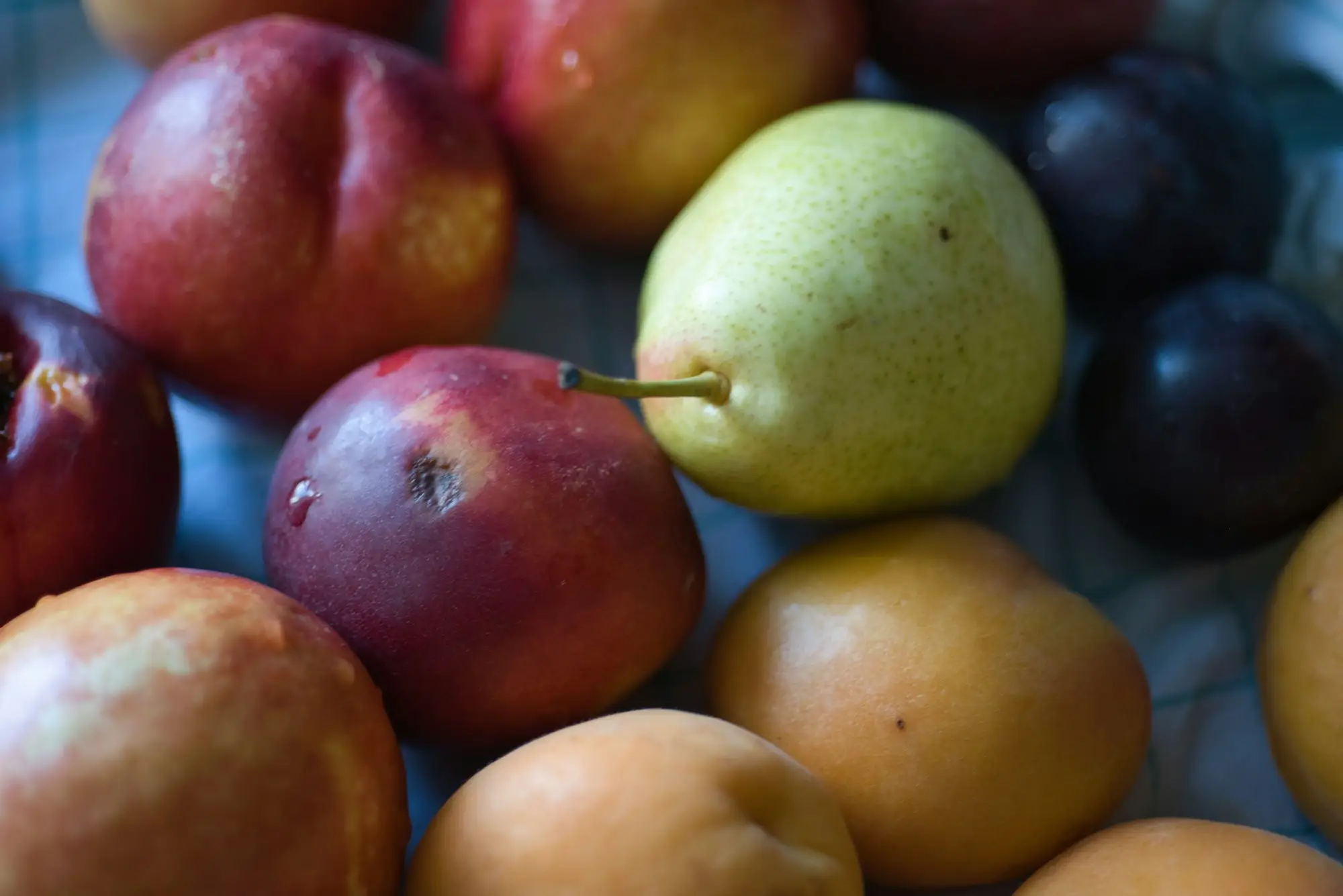
Foods that help toddler constipation
The fruits, vegetables and grains that soften hard poop, how much fiber a toddler portion really has, the dairy habit that can make it worse — and the signs that need a doctor.
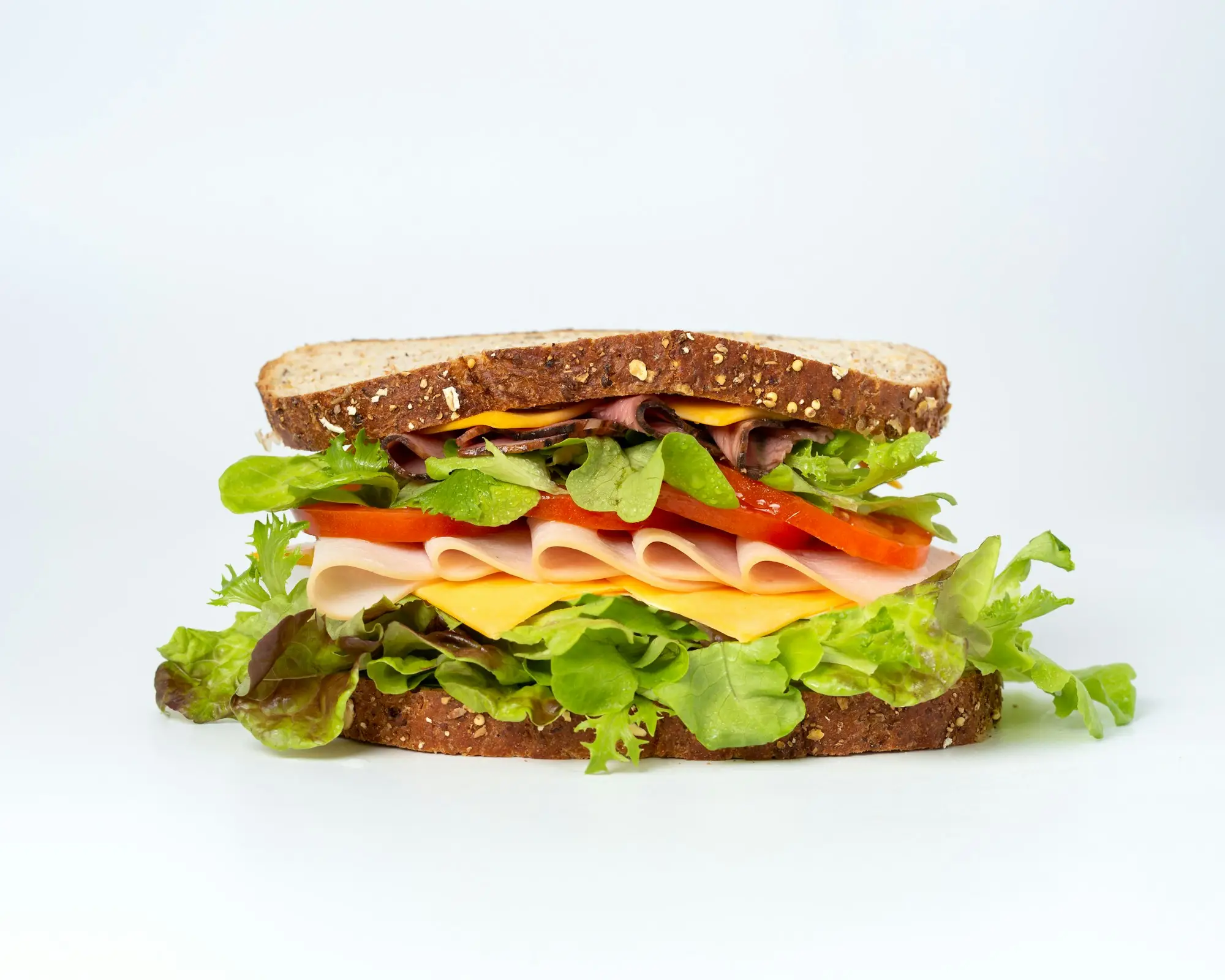
Preteen growth spurt: why they're always hungry
A preteen who's hungry an hour after dinner is usually just growing. When the growth spurt hits for girls and boys, snacks and breakfasts that actually fill them up, iron for girls starting periods, and the rare times hunger is a warning sign.
When to call the doctor about eating or growth
Most dips in appetite and slow patches of growth are normal for toddlers. These are the signs that are worth a call — each one comes from the AAP, the NIH or a clinical review of growth faltering.
| Sign | What to do |
|---|---|
| Signs of dehydration: no urine in more than 8 hours, dark urine, very dry mouth, no tears | Call now |
| Constipation with blood in the poop, vomiting, a swollen belly, constant belly pain or weight loss | Get medical help right away |
| Blood in diarrhea, or 10 or more watery stools in 24 hours | Call now |
| Losing weight | Call during office hours |
| Weight dropping across major percentile lines on the growth chart | Ask at your next visit, or sooner if you're worried |
| Constipation lasting more than 2 weeks, or not improving with home care | Call during office hours |
| Diarrhea lasting more than 2 weeks, or loose stools that keep coming back | Call during office hours |
| Refusing most solid foods after 9 months, or feeding problems — such as gagging — that happen often | Call during office hours |
Sources for each row: dehydration and diarrhea,67 constipation,5 weight loss and feeding problems,8 and percentile drops.4
How growth is measured
Your child’s doctor weighs and measures them at well-child visits and plots the numbers on a growth chart. The CDC recommends the WHO growth standards from birth to age 2 and the CDC growth charts from age 2 onward.1
| Age | Growth chart | Main measures | Well-child visits |
|---|---|---|---|
| Birth to 12 months | WHO | Weight, length, head size, weight-for-length | First week, 1, 2, 4, 6 and 9 months |
| 12 to 24 months | WHO | Weight, length, head size, weight-for-length | 12, 15, 18 and 24 months |
| 2 to 3 years | CDC | Weight, height, BMI-for-age | 30 months and 3 years |
| 3 years and up | CDC | Weight, height, BMI-for-age | Once a year |
Growth is reviewed at each of these visits.23 One measurement on its own says little; the AAP notes that several data points over time are far more useful, and that consistency matters more than a high or low percentile.2
The switch from WHO to CDC charts at age 2 — and from weight-for-length to BMI — can move a child’s percentile even when nothing has changed, so doctors interpret it with care.9 From age 2, a BMI below the 5th percentile is classed as underweight; under 2, weight-for-length below the 2nd percentile is flagged as low.109
🍐Digestion and constipation
Which foods soften hard poop, how much fiber toddlers need, and the signs that mean constipation needs a doctor.
Baby constipation after starting solids
What normal baby poop looks like once solids start, the "P" fruits and other foods that soften it, why juice is a doctor's call before 12 months — and the signs that can't wait.
Foods that help toddler constipation
The fruits, vegetables and grains that soften hard poop, how much fiber a toddler portion really has, the dairy habit that can make it worse — and the signs that need a doctor.
🩸Iron and other deficiencies
The quiet signs of low iron, why milk-loving toddlers are most at risk, and how the AAP's 2026 guidance changed testing.
📈Growth and weight
How growth percentiles work, why weight gain slows after age 1, and what your pediatrician looks for on the chart.
Preteen growth spurt: why they're always hungry
A preteen who's hungry an hour after dinner is usually just growing. When the growth spurt hits for girls and boys, snacks and breakfasts that actually fill them up, iron for girls starting periods, and the rare times hunger is a warning sign.
Toddler not gaining weight but eating? What's normal
Growth slows down a lot after the first birthday, and a steady line on the chart matters more than where it sits. How percentiles work, why a toddler who eats can still gain slowly, and when it's worth a closer look.
🥜Food allergies
Introducing peanut, egg and other allergens early, and the reaction signs that need help fast.
Common questions
What does a growth percentile mean?
It compares your child with children of the same age and sex. At the 25th percentile, your child measures the same as or more than 25% of them and less than 75%. A steady percentile over time matters more than the number itself.
Is my toddler underweight?
Only your pediatrician can say, using your child's growth history. From age 2, the CDC defines underweight as a BMI below the 5th percentile for age and sex; under 2, doctors flag weight-for-length below the 2nd percentile on WHO charts.
What foods help constipation in toddlers?
Fiber-rich fruit and vegetables such as pears, prunes, peaches, apricots, peas, beans and broccoli, plus whole grains like oatmeal, according to the AAP. Limiting milk, cheese and yogurt to about 3 servings a day also helps while a child is constipated.
What are the signs of iron deficiency in toddlers?
Pale skin, tiredness or extra naps, irritability, and craving non-food items like dirt or paper. Many toddlers have no signs, so the AAP recommends screening every child between 9 and 18 months.
When should I see a pediatrician about my toddler's eating?
If your child is losing weight, has dropped across percentile lines, refuses most solid foods, has frequent feeding problems, or has constipation or diarrhea lasting more than 2 weeks. Seek care right away for signs of dehydration.
Which growth charts are used for toddlers?
The CDC recommends the WHO growth standards from birth to age 2 and the CDC growth charts from age 2 onward. A child's percentile can shift at the switch, which is usually nothing to worry about.
Sources
- Centers for Disease Control and Prevention. Growth Charts: What to Know (Information for Healthcare Professionals).
- American Academy of Pediatrics, HealthyChildren.org. Understanding Growth Charts: A Parent's Guide to Percentiles & Z-Scores.
- American Academy of Pediatrics, HealthyChildren.org. AAP Schedule of Well-Child Care Visits.
- Goodwin ET, Buel KL, Cantrell LD. Am Fam Physician. 2023;107(6):597-603. Growth Faltering and Failure to Thrive in Children.
- National Institute of Diabetes and Digestive and Kidney Diseases (NIH). Symptoms & Causes of Constipation in Children.
- American Academy of Pediatrics, HealthyChildren.org Symptom Checker. Diarrhea.
- American Academy of Pediatrics, HealthyChildren.org. Signs of Dehydration in Infants & Children.
- American Academy of Pediatrics, HealthyChildren.org Symptom Checker. Solid Foods (Baby Foods).
- Centers for Disease Control and Prevention. Using WHO Growth Standard Charts.
- Centers for Disease Control and Prevention. BMI Categories for Children and Teens.
For general information only — not a substitute for advice from your child's doctor. Our editorial standards.