Eating habits
Picky eating in toddlers is common and usually a normal stage. It often passes by around age 5. What helps most is calm structure — you choose what, when and where food is served, your child chooses whether and how much to eat — plus a familiar food on every plate and 8 to 10 or more relaxed tries of anything new.
Start here
The essential guides
Toddler won't eat dinner? Start here
Why dinner is the meal most likely to fall apart, what's normal for a toddler's appetite, and seven low-pressure things to try tonight.
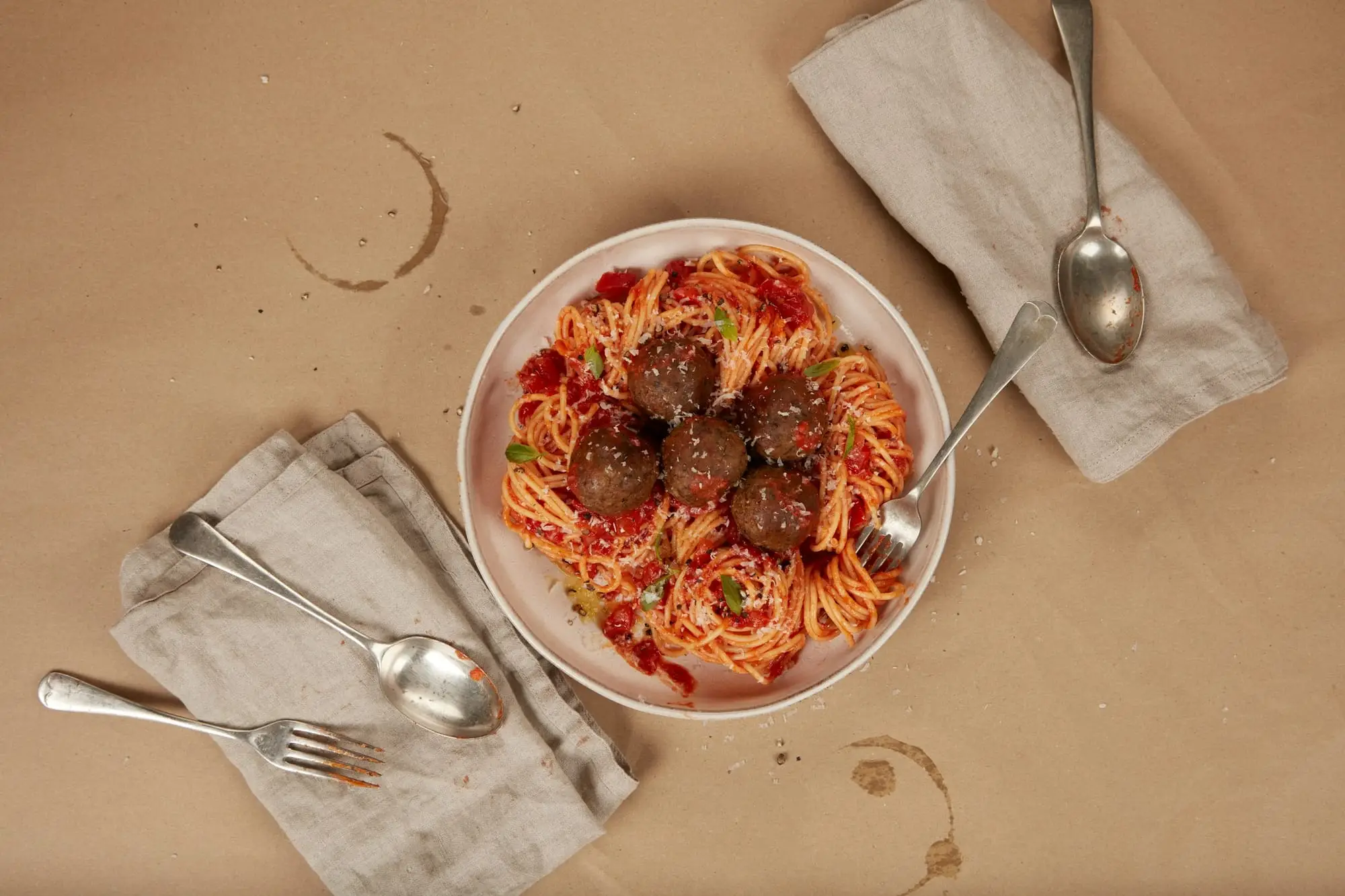
Picky 5-year-old recipes: 12 meals kids actually eat
Twelve ordinary, familiar dinners with the protein counted for you, plus the low-pressure habits that help a choosy child try one new thing at a time.
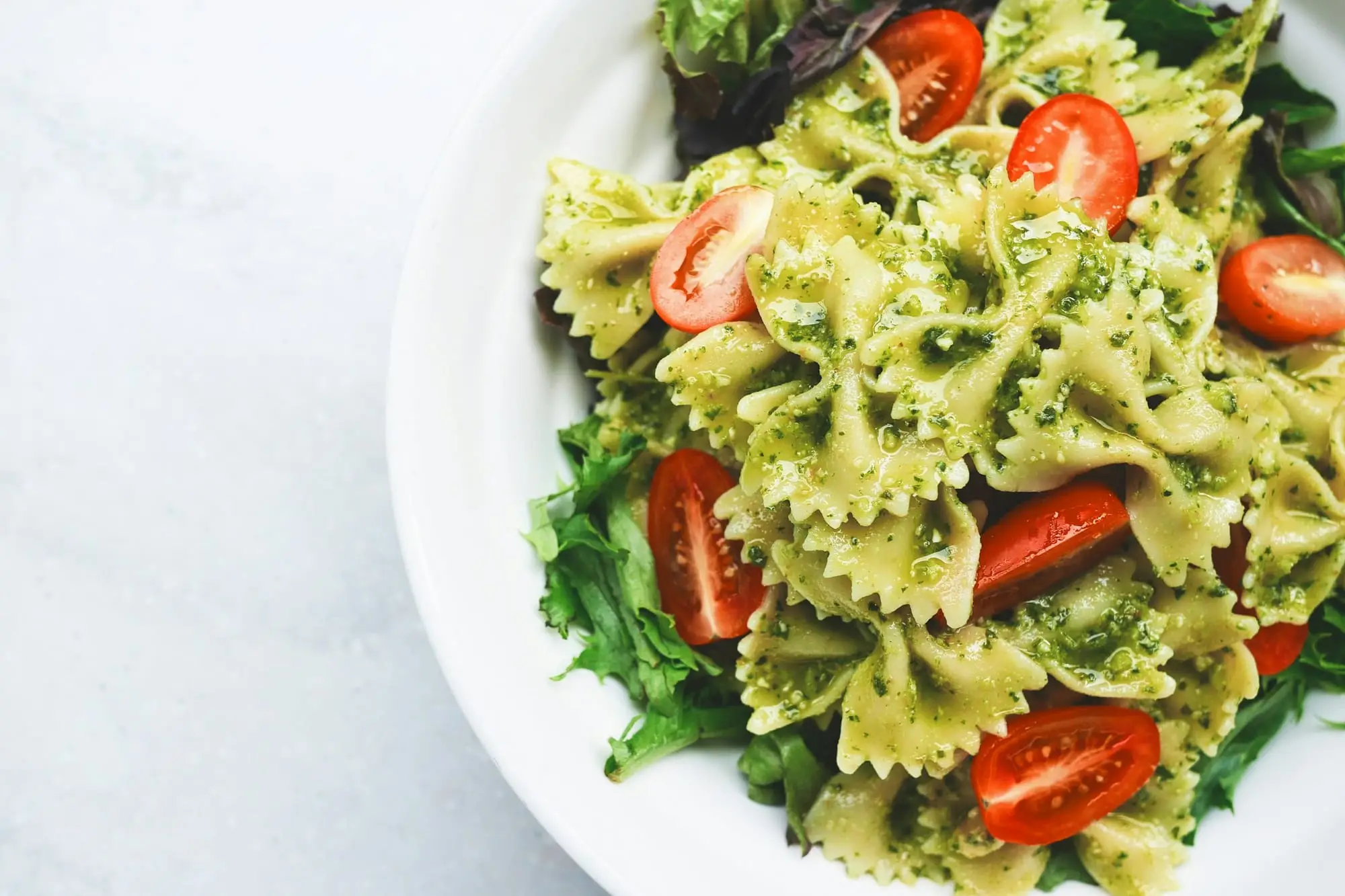
2-year-old picky eater? What's normal and what helps
Why toddlers get choosy, the low-pressure habits that widen what they'll eat, and a simple check that the nutrients still add up.
The picky-eating playbook
Six habits have the strongest backing from pediatric guidance and feeding research. None of them requires getting a single extra bite into your child tonight.
What the evidence says works
- Split the jobs. You decide what food is served, when and where; your child decides whether to eat and how much.1
- Offer new foods again and again. It may take 8 to 10 exposures before a young child will try a new food,2 and 15 to 20 to like it.3 Most caregivers stop after 3 to 5.4
- Skip pressure and rewards. Preschoolers ate more and complained less when they weren’t pressured to finish.5 Bribing with treats makes the treat the prize and the other food a chore.6
- Put a safe food on every plate. Include at least one food your child usually eats, and don’t cook a separate meal on demand.6
- Eat together. Children copy what they see; family meals without screens let you model trying new foods.36
- Keep a predictable schedule. Regular meal and snack times, with no food or drink handouts in between, let your child come to the table hungry.1
Judge progress over a week, not a meal. In a classic study, young children’s intake swung widely from meal to meal but stayed fairly steady across whole days.11
Normal picky eating vs. a feeding problem
Picky eating is extremely common and usually temporary. In a Dutch study of more than 4,000 children, about 27% were picky eaters at ages 1½ and 3, falling to 13% at age 6, and almost two-thirds of early picky eaters had outgrown it within 3 years.7 A U.S. study that followed children to age 11 found that picky eating lasted more than 2 years in 40% of cases, but saw no significant effect on growth.8 The CDC says picky behaviors often go away by about age 5.2
Most children whose parents worry about their eating are only mildly affected; a small percentage have a serious feeding disorder.9 One of those is ARFID (avoidant/restrictive food intake disorder), in which a child avoids certain foods, limits how much they eat, or both. It isn’t driven by weight or body image. Possible reasons include strong reactions to the smell, taste or texture of foods, an upsetting experience such as choking or vomiting, or simply little interest in eating.10
| Usually normal picky eating | Worth raising with your pediatrician |
|---|---|
| Eats a limited but steady range of foods | Accepts very few foods, and the list keeps shrinking |
| Refuses new foods but tolerates them on the plate | Gags, vomits or panics when new foods appear |
| Appetite varies, but growth stays on track | Losing weight or falling off their growth curve |
| Favorites come and go over weeks | Drops whole food groups for months |
| Mealtimes are frustrating but calm | Seems afraid to eat, often after choking or vomiting |
If anything in the right-hand column sounds familiar, or you’re simply worried, talk to your child’s doctor. Feeding problems are treatable, and pediatricians are meant to take every parent’s concern seriously.9
🥦Picky eating
Refused dinners, beige-food phases and dropped favorites — why toddlers get choosy, and the low-pressure habits that widen what they'll eat.
Picky 5-year-old recipes: 12 meals kids actually eat
Twelve ordinary, familiar dinners with the protein counted for you, plus the low-pressure habits that help a choosy child try one new thing at a time.
2-year-old picky eater? What's normal and what helps
Why toddlers get choosy, the low-pressure habits that widen what they'll eat, and a simple check that the nutrients still add up.
4-year-old won't eat anything? What helps
Why a 4-year-old can seem to live on air, what actually helps at the table, and how to tell a phase from a problem.
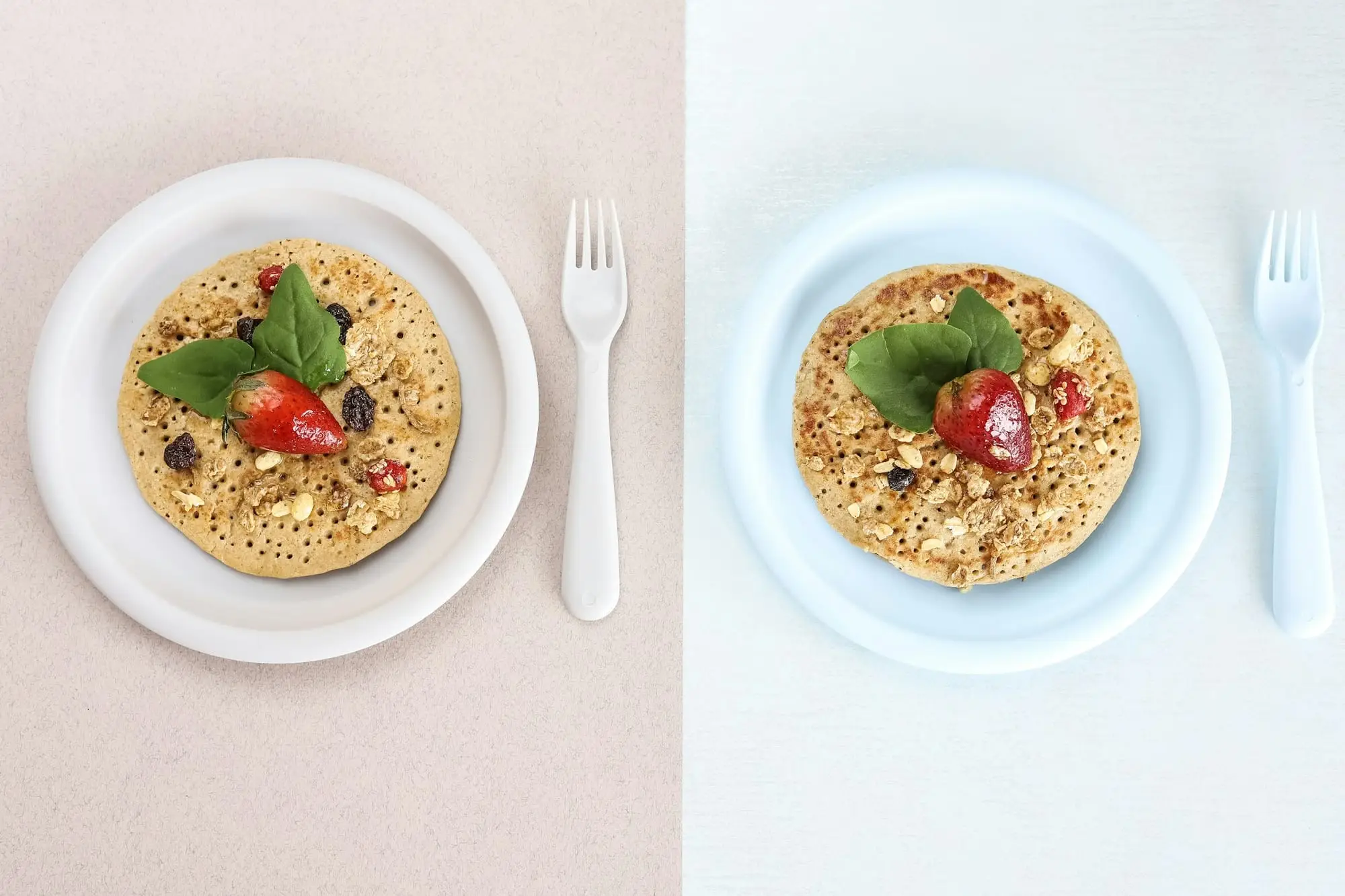
Meal ideas for picky 2-year-olds that still cover the nutrients
Meals built around the foods your toddler already accepts, with the iron, protein and fruit or vegetables tucked in, and safe cuts for every one.
Toddler won't eat dinner? Start here
Why dinner is the meal most likely to fall apart, what's normal for a toddler's appetite, and seven low-pressure things to try tonight.
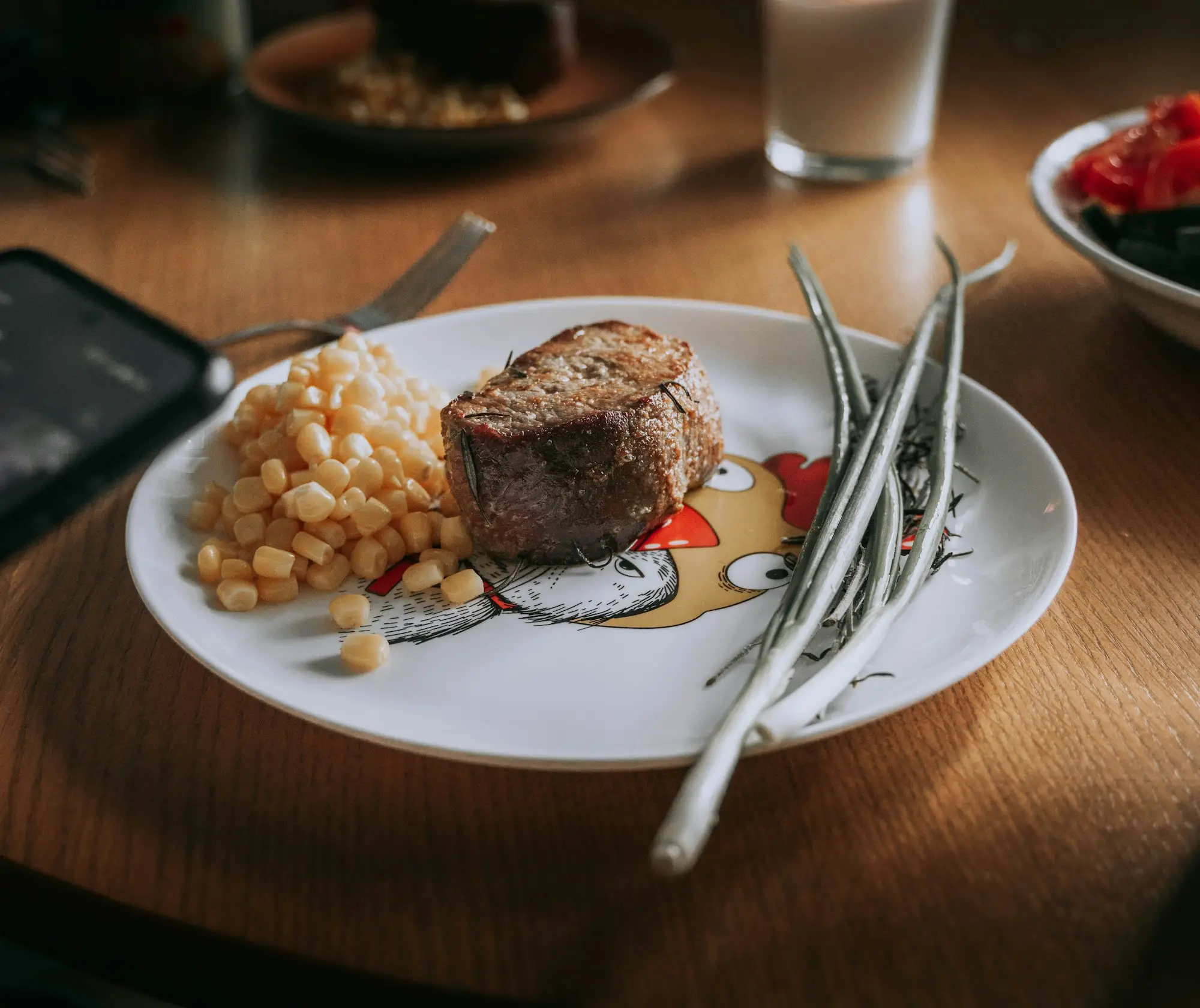
Picky eater at 10? What helps when it doesn't go away
Many children outgrow picky eating by school age, but a sizeable group don't. Why it lingers, what tends to work with a preteen who makes many of their own food choices, and the signs that point to something more than fussiness.
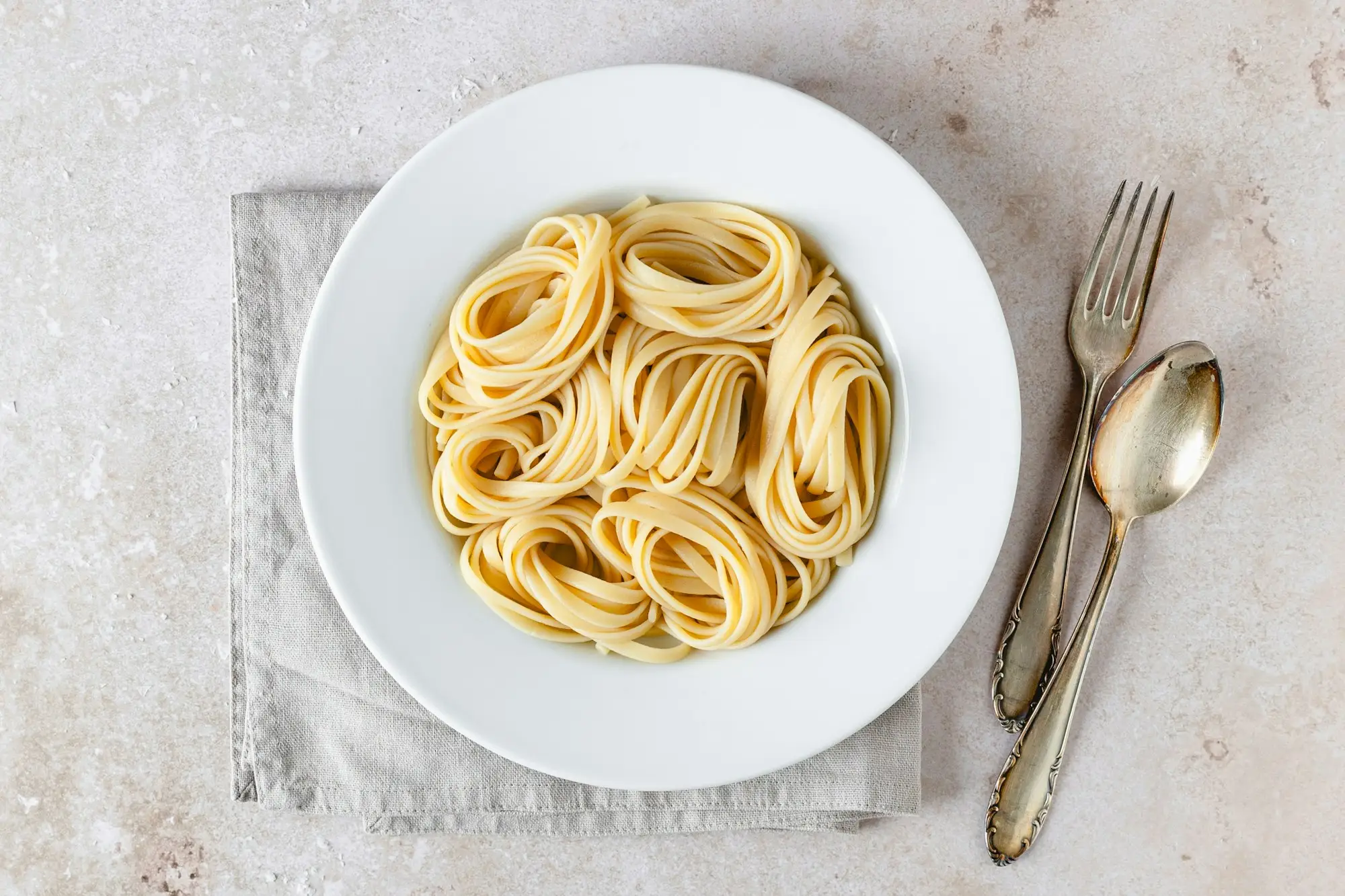
Toddler only eats carbs? Why it happens and what helps
Why bread, pasta and crackers win, why a beige phase is usually fine for a while, and how to use those safe foods as a bridge to everything else.
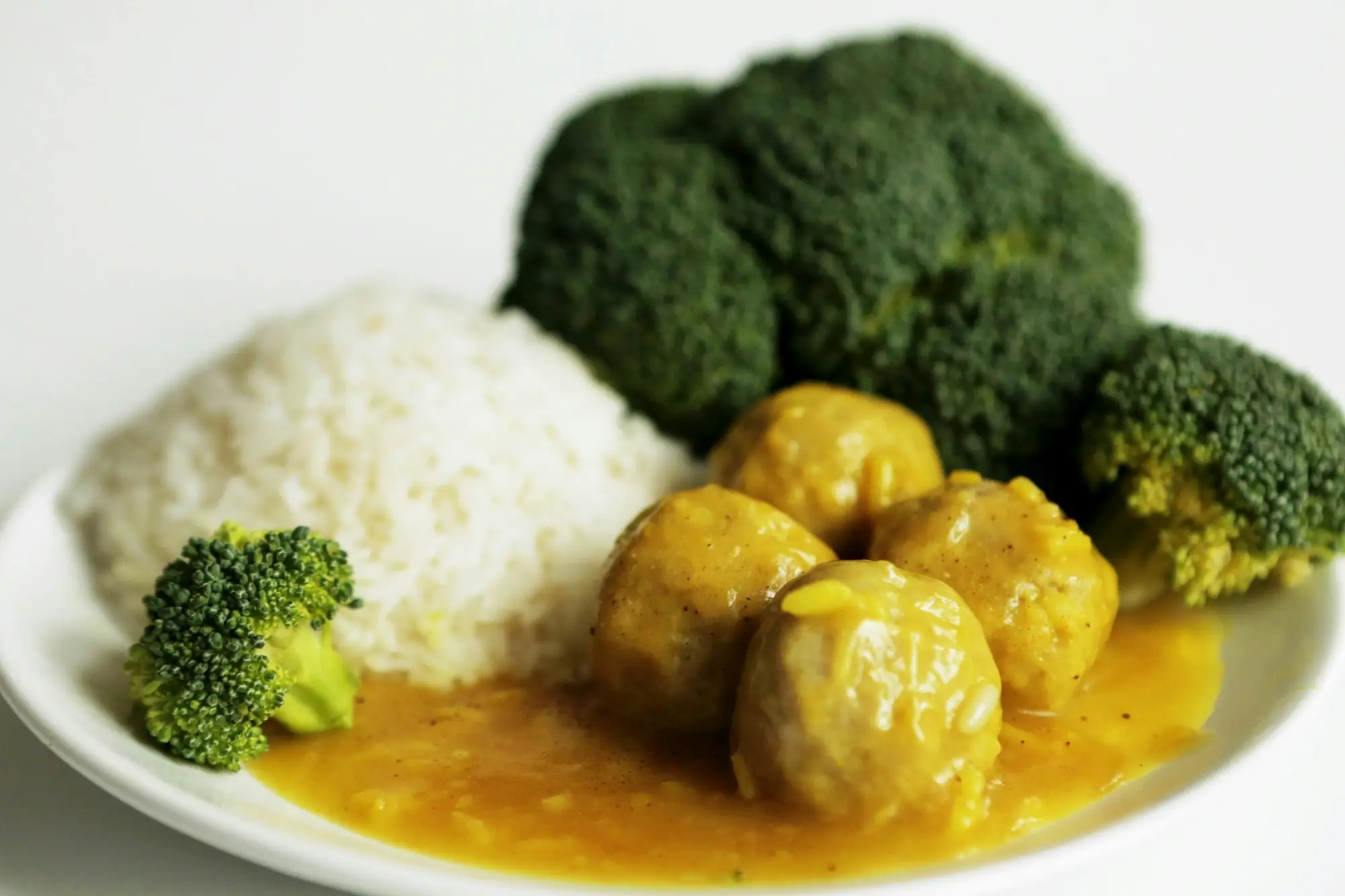
Toddler won't eat meat? How to cover protein and iron
Why so many toddlers suddenly push meat away, softer ways to serve it, and the eggs, beans, tofu, dairy and fortified foods that cover protein, iron and zinc in the meantime.
😋Appetite
Why toddlers eat everything one day and nothing the next, how much they really need, and when a small appetite is worth a call to the doctor.
2-year-old not eating much? What's normal
Why your toddler seems to live on air, what a normal day of eating actually looks like, and the few signs that are worth a call to the pediatrician.
Baby refusing solids? Why it happens and what helps
Teething, a cold, a new texture or simply a full tummy of milk — why babies push the spoon away, how to keep meals low-pressure, and the signs that mean it's time to call the doctor.

Toddler eats a lot one day and nothing the next? Here's why
Why a toddler can clear their plate on Monday and push it away on Tuesday — what the research on young children's appetite shows, and how to feed a child whose hunger won't sit still.
Common questions
Is picky eating normal for toddlers?
Yes. In a U.S. national survey, the share of children described by caregivers as picky eaters rose from 19% at 4 months to 50% at 24 months. The AAP calls picky eating usually a normal developmental stage for toddlers.
How long does picky eating last?
For most children, a few years at most. The CDC says behaviors like favoring a couple of foods often go away by about age 5, and in a large Dutch study almost two-thirds of early picky eaters had outgrown it within 3 years. A smaller group stays picky for longer.
Should I make a separate meal for my picky eater?
Generally, no. The AAP advises serving one family meal, including at least one food your child usually likes, rather than cooking something else when they refuse. Making separate meals tends to encourage picky eating.
What is the division of responsibility in feeding?
It's dietitian Ellyn Satter's approach to feeding, widely recommended by feeding specialists. Parents decide what food is served, when and where; children decide whether to eat and how much.
How many times should I offer a new food?
More than most parents do. The CDC says it may take 8 to 10 exposures before a young child will try a new food, and the AAP says it can take 15 to 20 tries to like one. One study found most caregivers gave up after 3 to 5.
When is picky eating a problem, and what is ARFID?
Talk to your pediatrician if your child is losing weight or not growing, accepts very few foods, or is fearful or distressed around eating. ARFID (avoidant/restrictive food intake disorder) is a diagnosable eating disorder in which someone avoids foods, limits how much they eat, or both — not because of weight or body image.
Sources
- Ellyn Satter Institute. Division of Responsibility in Feeding.
- Centers for Disease Control and Prevention. Picky Eaters and What to Do.
- Muth ND. American Academy of Pediatrics, HealthyChildren.org. How do I help my picky eater try more healthy foods?.
- Carruth BR, et al. J Am Diet Assoc. 2004;104(1 Suppl 1):s57–64. Prevalence of picky eaters among infants and toddlers and their caregivers' decisions about offering a new food.
- Galloway AT, et al. Appetite. 2006;46(3):318–23. 'Finish your soup': counterproductive effects of pressuring children to eat on intake and affect.
- American Academy of Pediatrics, HealthyChildren.org. 10 Tips for Parents of Picky Eaters.
- Cardona Cano S, et al. Int J Eat Disord. 2015;48(6):570–9. Trajectories of picky eating during childhood: a general population study.
- Mascola AJ, Bryson SW, Agras WS. Eat Behav. 2010;11(4):253–7. Picky eating during childhood: a longitudinal study to age 11 years.
- Kerzner B, et al. Pediatrics. 2015;135(2):344–53. A practical approach to classifying and managing feeding difficulties.
- NHS. Eating disorders: overview.
- Birch LL, et al. N Engl J Med. 1991;324(4):232–5. The variability of young children's energy intake.
For general information only — not a substitute for advice from your child's doctor. Our editorial standards.