On this page
The short version
- A small appetite at 2 is usually normal. The AAP says toddlers' appetite drops sharply after the first birthday because growth has slowed.
- A toddler serving is about a quarter of an adult's, or roughly 1 tablespoon of a food per year of age.
- If your child is active, gaining weight and seems well, they're getting enough to eat.
- Call your pediatrician for weight loss, falling off their growth curve, signs of illness or trouble swallowing.
Is it normal for a 2-year-old to eat so little?
Yes, usually. The American Academy of Pediatrics says you’ll probably notice a sharp drop in your child’s appetite after their first birthday, because their growth rate has slowed and they really don’t need as much food.1 The AAP also calls toddlers’ eating habits “erratic and unpredictable from one day to the next.”1
The NHS offers a simple test: if your child is active and gaining weight, and they seem well, they’re getting enough to eat.5 Babies grow at a breathtaking pace in year one; toddlers don’t, and their plates should reflect that.
How much does a 2-year-old actually need?
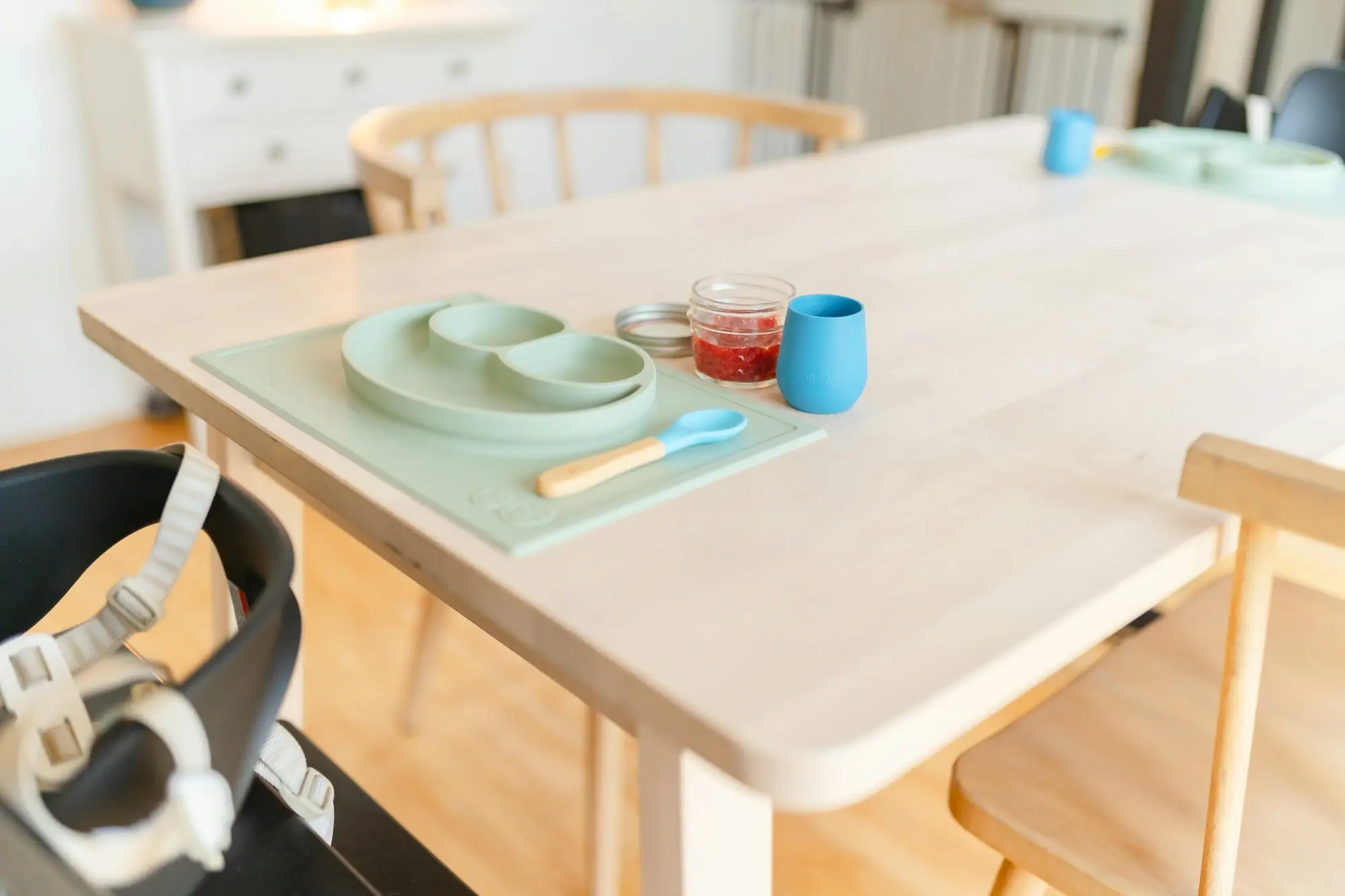
Less than most parents expect. A toddler’s serving is about one-quarter of an adult’s, and a child aged 1 to 3 needs about 40 calories for every inch of height each day.2 The AAP’s example is a 32-inch toddler, who needs roughly 1,300 calories.2
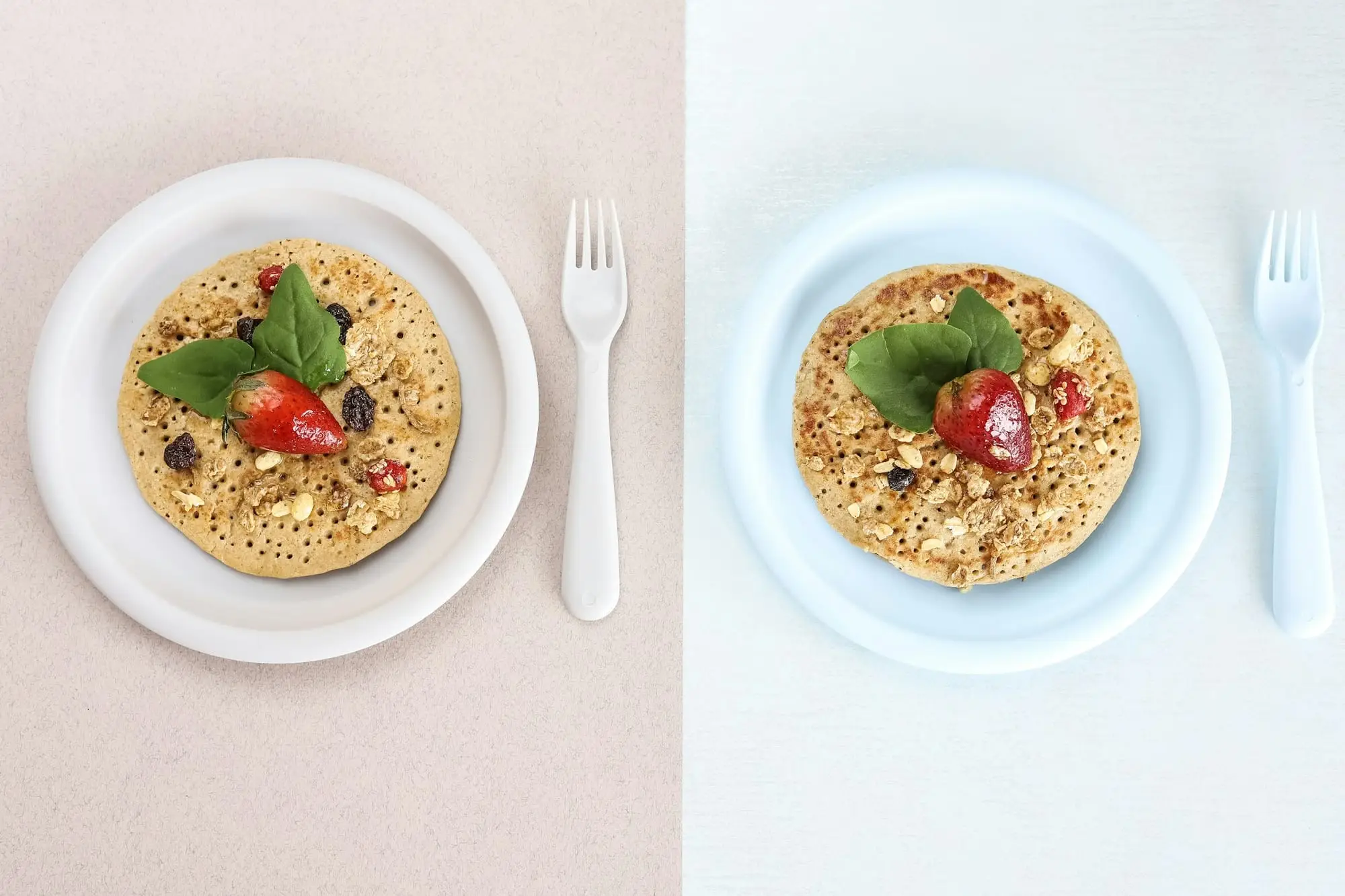
In spoonfuls, the AAP gives about 1 tablespoon of cooked vegetables for each year of age, so 2 tablespoons for a 2-year-old.2 Its sample toddler meal is small portions of meat or beans, a vegetable, a fruit and a quarter slice of bread.2
| Measure | AAP guide |
|---|---|
| Toddler serving vs. adult | About ¼ of an adult's |
| Daily energy, ages 1–3 | About 40 calories per inch of height |
| Cooked vegetables | 1 tbsp per year of age (2 tbsp at age 2) |
| Daily structure | 3 meals plus 1–2 snacks |
The AAP’s advice to parents of 2-year-olds is to try not to fixate on the amounts they’re eating.3 Offer a spoonful or two, and let them ask for more.
Why does my toddler’s appetite vary so much?
Growth slows, so needs shrink. And because eating is erratic, one big breakfast can mean almost no lunch. The AAP says that offering a range of healthy foods evens things out over several days.1
Toddlers are also wary of new foods. The CDC says it may take 8 to 10 exposures before a young child is willing to try a new food,7 and that favoring a few foods often goes away by about age 5.7 A refused plate is information about taste, not a verdict on your cooking. If the real issue is a short list of accepted foods, see our guide to a 2-year-old picky eater.
What if they only eat a few bites?
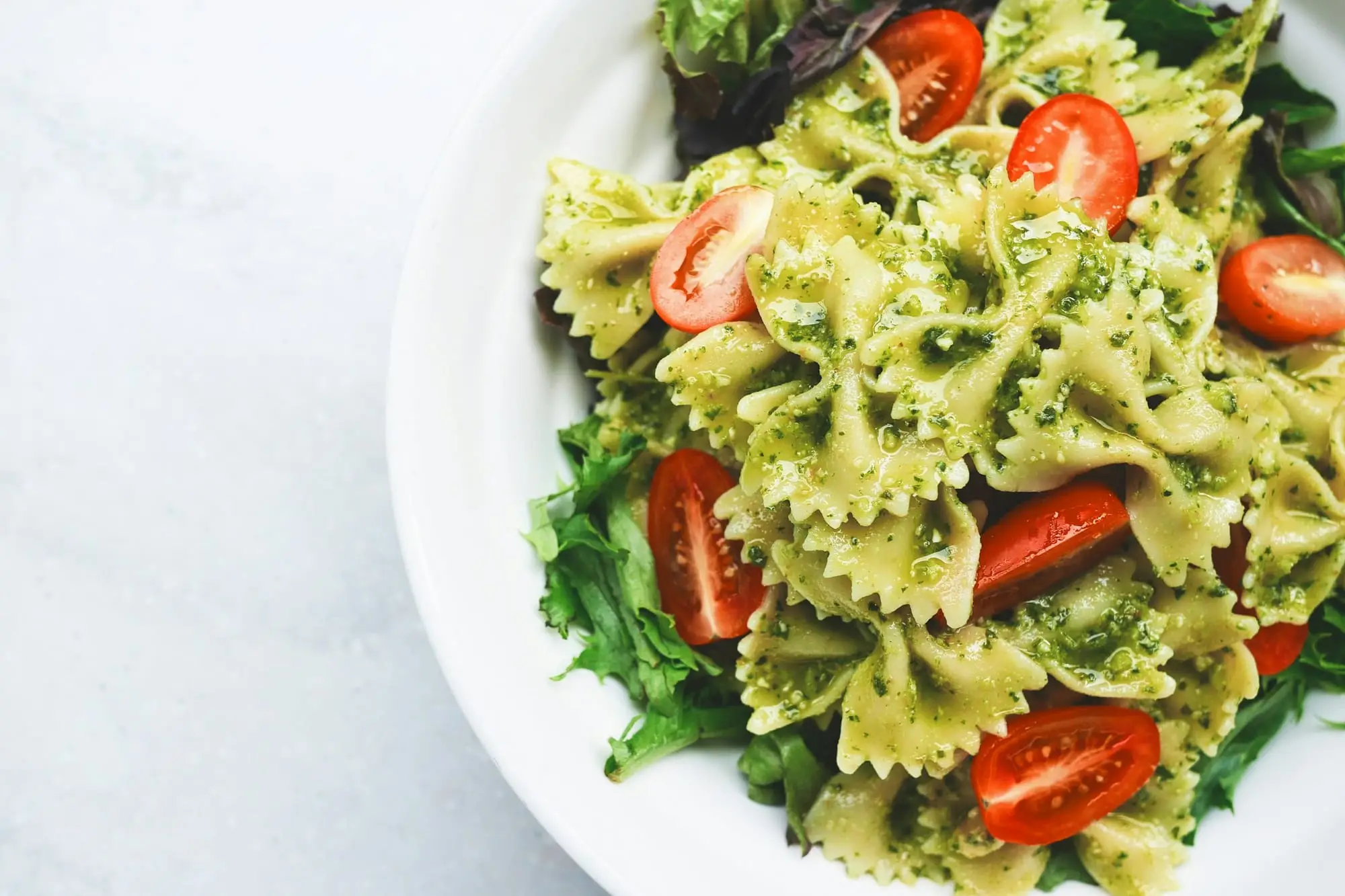
When appetite is small, every bite has to carry more. The CDC says children need a variety of nutrient-dense foods each day for healthy growth and brain development.7 So a spoonful of beans, egg, yogurt, avocado or soft meat does more for a small eater than a handful of crackers.
Serve those first, while your child is hungriest, and put the rest of the plate beside them rather than making it a trade. You don’t need to hide foods, bribe or bargain. A calm table where the food is simply there is the setting in which a wary toddler eventually takes a taste.
Keep sizes and shapes safe too. Cut round or firm foods like grapes and cherry tomatoes into quarters lengthwise, and keep nuts, popcorn and chunks of hot dog off a 2-year-old’s plate.
How long will this last?
Not forever. Toddlers often pick a favorite food, drop it, and pick another. The CDC says behaviors like choosing just a few favorites often go away by the time a child is about 5.7 In the meantime, the AAP’s advice is to try, try again: it can take 10 or more tastes before a toddler accepts a food.6
That means a refused vegetable on Tuesday doesn’t mean it’s off the menu for good. Offer it again next week in a different shape, a tiny portion, next to something familiar.
What helps a toddler with a small appetite?
Five things that work
- Keep a rhythm. Three meals and one or two snacks a day.3 The NHS says 2 healthy snacks a day is plenty.5 Scheduled meals and limited snacks help ensure your child is hungry when a new food appears.6
- Watch the drinks. The AAP suggests about 16 to 24 oz of milk a day at ages 2 to 5, and no more than 4 oz of juice a day at ages 2 to 3. Plain water covers the rest.4 A toddler who tops up on drinks between meals has less room at the table.
- Serve one family meal. Include at least one food your child usually eats, and skip making a separate meal when they refuse.6
- Skip the pressure. The AAP says pushing kids to eat can make them dislike foods they might otherwise like.6
- Keep servings small. Offer new foods in small amounts to cut waste and keep the plate friendly.6
For ideas, see what a 2-year-old should eat in a day, how many snacks a toddler should have and how much milk a toddler should drink. If dinner is the hardest meal, try what to do when a toddler won’t eat dinner, or read why appetite swings from one day to the next.
When is a small appetite a problem?
Most of the time it isn’t. But a poor appetite that comes with other changes deserves a call, and your pediatrician can check your child’s growth rather than leaving you to guess. Our guide to a toddler not gaining weight explains how that’s assessed.
Call your child's doctor if
- Your child is losing weight or has dropped off their usual growth curve
- A poor appetite comes with fever, vomiting, diarrhea or other signs of illness
- They cough, gag or choke when eating, or seem to have trouble swallowing
- They refuse most foods or whole food groups for weeks, or seem fearful or distressed at meals
- They seem unusually tired, pale or have far fewer wet diapers
Don’t add a vitamin or supplement to make up for a small appetite without asking first. Your pediatrician can tell you whether your child needs one.
Common questions
Is it normal for a 2-year-old to eat very little?
Usually, yes. The AAP says appetite drops sharply after the first birthday because growth has slowed, and describes toddlers' eating as erratic and unpredictable from day to day.
How do I know if my 2-year-old is eating enough?
The NHS says that if your child is active and gaining weight and seems well, they're getting enough to eat. Your pediatrician checks this at well visits by tracking growth.
How much should a 2-year-old eat?
The AAP says a toddler's serving is about a quarter of an adult's, and children aged 1 to 3 need about 40 calories per inch of height a day. In practice that means small spoonfuls of each food, with more if they ask.
Should I force my toddler to eat?
No. The AAP advises against pressuring children to eat, because it can make them dislike foods they might otherwise like. Offer regular meals and let your child decide how much.
Can too much milk or juice reduce a toddler's appetite?
It can fill a small stomach. The AAP suggests about 16 to 24 oz of milk a day at ages 2 to 5 and no more than 4 oz of juice a day at ages 2 to 3, with water for the rest.
When should I worry about my toddler not eating?
Talk to your pediatrician if your child is losing weight or not growing as expected, has signs of illness, or coughs, gags or chokes when eating. Otherwise a small appetite in an active, well child is usually a normal stage.
Sources
- American Academy of Pediatrics, HealthyChildren.org. Feeding & Nutrition Tips: Your 1-Year-Old.
- American Academy of Pediatrics, HealthyChildren.org. Serving Sizes for Toddlers.
- American Academy of Pediatrics, HealthyChildren.org. Feeding & Nutrition Tips: Your 2-Year-Old.
- American Academy of Pediatrics, HealthyChildren.org. Recommended Drinks for Children Age 5 & Younger.
- NHS. Fussy eaters.
- American Academy of Pediatrics, HealthyChildren.org. 10 Tips for Parents of Picky Eaters.
- Centers for Disease Control and Prevention. Picky Eaters and What to Do.
This article is for general information and isn't a substitute for advice from your child's doctor. Our editorial standards.