On this page
The short version
- Picky eating is usually a normal developmental stage for toddlers, says the AAP.
- The CDC says favoring a few foods often goes away by about age 5.
- It may take 8 to 10 tries before a young child accepts a new food.
- Serve one family meal with a food your child likes, skip the pressure, and check iron and calcium over the week.
Is it normal for a 2-year-old to be a picky eater?
Yes, for most children. The American Academy of Pediatrics (AAP) says picky eating is often the norm for toddlers and usually a normal developmental stage.1 The CDC adds that behaviors like favoring just a couple of foods, or not wanting foods to touch on the plate, often go away by the time a child is about 5.2
The most reassuring test comes from the NHS: if your child is active and gaining weight, and seems well, they’re getting enough to eat.3 The NHS also calls it perfectly normal for toddlers to refuse to eat, or even taste, new foods.3
Everything here applies to a 1-year-old or a 3-year-old too. Our guides on how much a 1-year-old should eat and meals for 3-year-olds cover the age-specific details.
Why do toddlers get so picky?
Two-year-olds are small, and the AAP notes that parents worry because young children often eat very small amounts compared with adult portions.4 Its suggestion is to serve one-fourth to one-third of an adult portion.4 The AAP also says children eat when they’re hungry and usually stop when they’re full, and a child who is growing well is getting enough to eat.4
If the main worry is small appetite rather than narrow tastes, see 2-year-old not eating much? What’s normal. For days that swing between feast and famine, see toddler eats a lot one day, nothing the next.
What helps at the table
The advice from the AAP, CDC and NHS is consistent, and it’s mostly about taking pressure off.
Six things to try this week
- Cook one meal. The AAP says to cook one meal for everyone and resist the urge to make another if your child refuses it.1 Include at least one food your child usually eats.
- Skip the pressure. Pressuring kids to eat, or punishing them if they don’t, can make them actively dislike foods they might otherwise enjoy.1
- Keep offering. It can take as many as 10 or more tastings before a toddler’s taste buds accept a food.1 The CDC suggests offering a rejected food again after about a week.2
- Build food bridges. Once a food is accepted, offer similar ones that share its color, flavor or texture, such as moving from mashed sweet potato to mashed carrots.1
- Eat it yourself. The CDC suggests eating a new food yourself so your child sees you enjoying it.2 The NHS says children learn to enjoy new foods by copying you.3
- Offer a choice. The CDC suggests letting your child choose which of several foods to try.2
It may take 8 to 10 exposures before a young child is willing to try a new food.
That figure is the CDC’s.2 A pea pushed to the side of the plate, untouched, still counts as an exposure. The NHS puts it plainly: it may take lots of attempts before your child accepts some foods.3
What about screens and mealtimes?
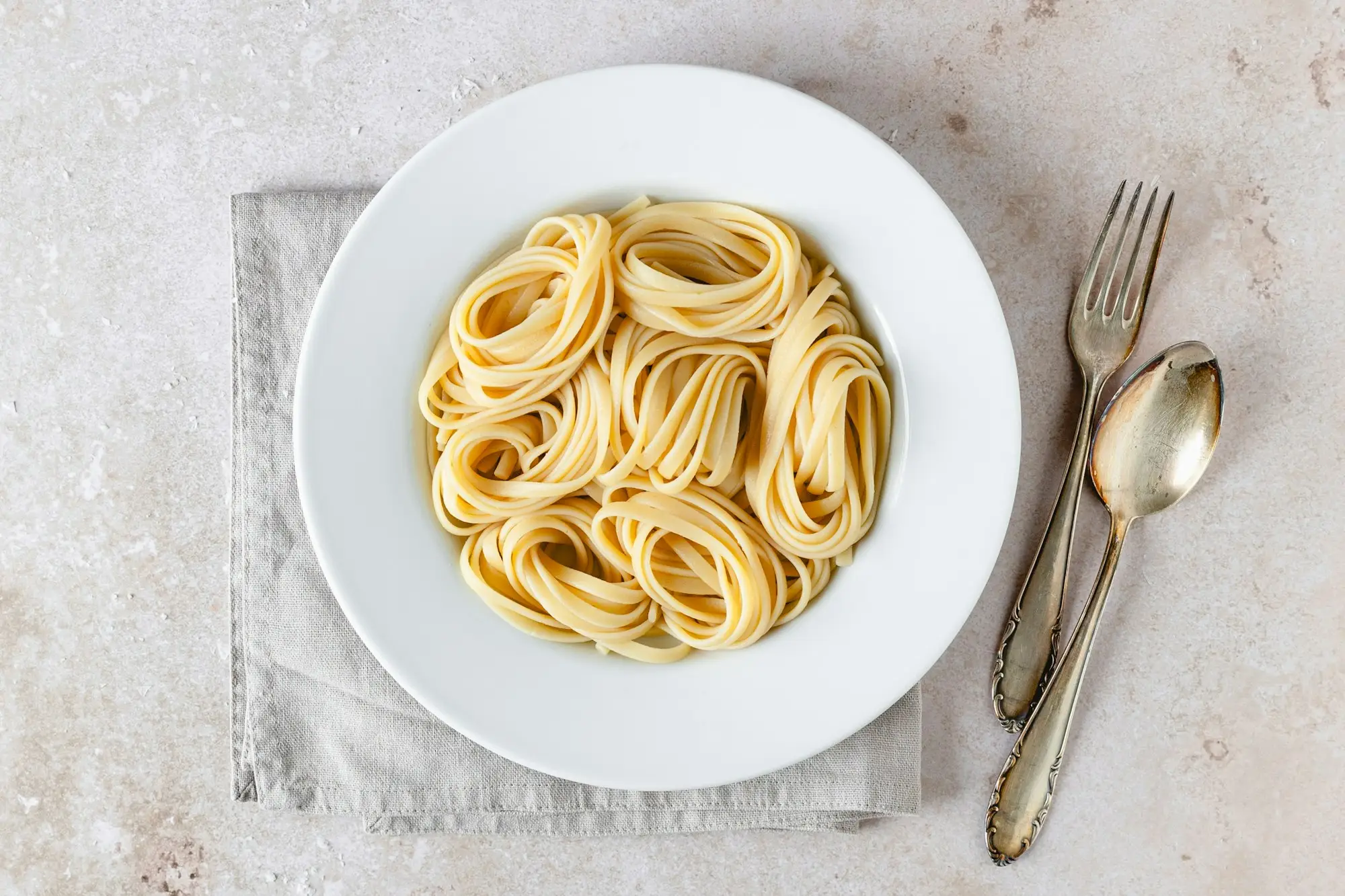
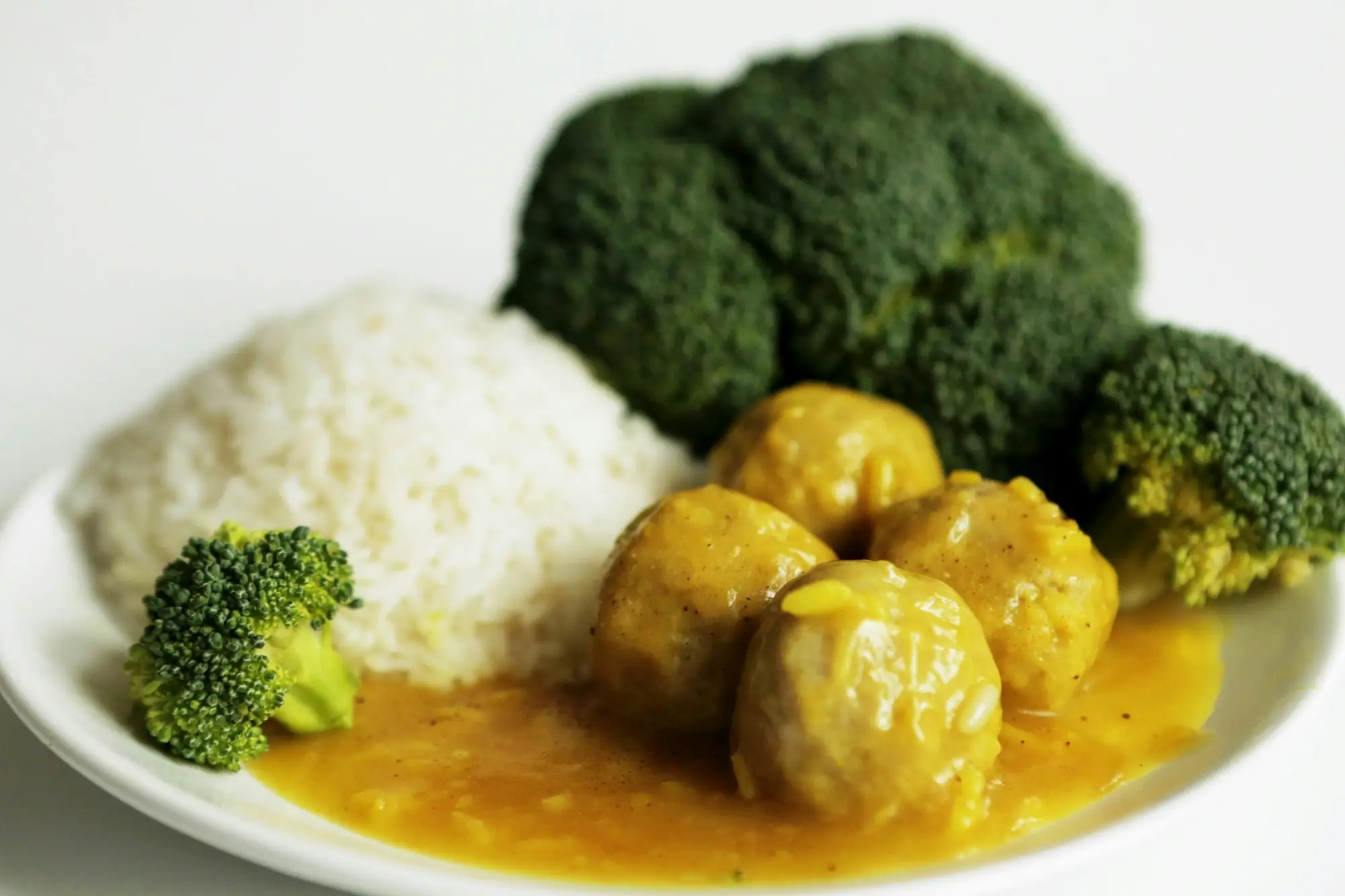
Share meals together as often as you can, with no media distractions like TV or cell phones at mealtime, and model healthy eating yourself.1 For a plate that works on a bad night, try a familiar food (pasta, rice, toast) beside a small amount of something new, and let your toddler skip the new thing without comment. Our meal ideas for picky toddlers builds plates around foods they already accept.
Keep food soft and cut small, and have your child sit down to eat. Hard, round or slippery foods are choking risks for children under 4, so check how to serve them before you offer them.
Which nutrients should you check?
Picky eaters often drift toward a narrow list of foods, so it’s worth glancing at iron and calcium over the week.
| Nutrient | Per day | Where a picky eater might fall short |
|---|---|---|
| Iron | 7 mg | Meat, beans, lentils and fortified cereal are often refused |
| Calcium | 700 mg | Dairy or fortified alternatives may be limited |
The recommended amount of iron for ages 1 to 3 is 7 mg a day.5 Calcium is 700 mg a day.6 Both are daily averages, so a light day followed by a better one evens out.
Iron comes from animal foods such as red meat, fish, poultry and eggs, and from plant foods such as tofu, beans, lentils and iron-fortified products.8 Pairing plant sources with vitamin C-rich foods like berries, tomatoes or citrus can help the body absorb them.8 If your child refuses meat, see toddler won’t eat meat and how much iron a toddler needs. For calcium, see calcium for kids who don’t like milk.
Protein matters too, and most toddlers need less than parents expect. Our toddler protein guide has the numbers.
Does milk or juice get in the way?
It can. The AAP suggests 16 oz of milk a day at 12 to 24 months and 16 to 24 oz at ages 2 to 5, and no more than 4 oz of 100% juice a day for ages 2 to 3.7 A toddler who fills up on drinks has less room for meals. Water between meals is a good default, and our guide to how much milk a toddler should drink has tips on cutting back.
If your child eats mostly one food group, see toddler only eats carbs.
When to talk to your pediatrician
The AAP’s advice is simple: if you’re worried about your child’s diet, talk with your pediatrician, who can confirm your child is getting the nutrients needed to grow and develop.1
Call your child's doctor if
- Your child is losing weight, or isn't growing as expected
- They seem tired, pale, weak or unwell
- The list of foods they accept is getting shorter
- They gag, choke or seem frightened or distressed around food
- Mealtimes have become a daily fight you can't defuse
Bring a rough list of what your child eats over a week. It gives the doctor much more to work with than “he won’t eat anything.” Never start a vitamin or iron supplement on your own; ask your pediatrician first.
Common questions
Is it normal for a 2-year-old to be a picky eater?
Yes. The American Academy of Pediatrics says picky eating is often the norm for toddlers and usually a normal developmental stage. The CDC says behaviors like favoring a couple of foods often go away by about age 5.
How many times should I offer a food my toddler refuses?
Keep offering it. The CDC says it may take 8 to 10 exposures before a young child tries a new food, and the AAP says it can take 10 or more tastings before a toddler's taste buds accept it. Offering it again after about a week is a good rhythm.
Should I make a separate meal for my picky 2-year-old?
No. The AAP advises cooking one meal for everyone and resisting the urge to make another if your child refuses it. Put at least one food your child usually eats on the table.
Should I force my toddler to take a bite?
No. The AAP says pressuring kids to eat, or punishing them if they don't, can make them actively dislike foods they might otherwise enjoy. The NHS also says not to force a child to eat a food they reject.
Is my 1-year-old or 3-year-old being picky too?
Likely, and the same approach applies. Toddlers of any age may refuse new foods, which the NHS calls perfectly normal. If your child is active, gaining weight and seems well, the NHS says they are getting enough to eat.
When should I worry about picky eating?
Talk to your pediatrician if you're worried about your child's diet, if they aren't growing as expected or seem unwell, or if their list of accepted foods keeps shrinking. Your pediatrician can check that your child is getting the nutrients needed to grow.
Sources
- American Academy of Pediatrics, HealthyChildren.org. 10 Tips for Parents of Picky Eaters.
- Centers for Disease Control and Prevention. Picky Eaters and What to Do.
- NHS (UK National Health Service). Fussy eaters.
- American Academy of Pediatrics, HealthyChildren.org. Making Sure Your Child is Eating Enough.
- Institute of Medicine (National Academies), via NAP.edu. Dietary Reference Intakes for Vitamin A, Vitamin K, Iron, Zinc and other trace elements: Iron.
- Ross AC, et al. J Clin Endocrinol Metab. 2011 (PMC). The 2011 Report on Dietary Reference Intakes for Calcium and Vitamin D from the Institute of Medicine: What Clinicians Need to Know.
- American Academy of Pediatrics, HealthyChildren.org. Recommended Drinks for Children Age 5 & Younger.
- Centers for Disease Control and Prevention. Iron — Infant and Toddler Nutrition.
This article is for general information and isn't a substitute for advice from your child's doctor. Our editorial standards.