On this page
The short version
- Toddlers aged 1 to 3 need 7 mg of iron a day; children aged 4 to 8 need 10 mg.
- Meat, fish, beans, lentils, tofu and fortified cereal do most of the work.
- Drinking a lot of cow's milk is one of the most common reasons toddlers run low.
- Serve fruit or vegetables alongside plant sources of iron to absorb more of it.
The daily number
The recommended amount is 7 milligrams a day for children aged 1 to 3, rising to 10 mg between 4 and 8.1 Those figures come from the Dietary Reference Intakes set by the U.S. National Academies, and they’re daily averages rather than targets for every meal — a light day followed by a beef-and-lentil dinner evens out.
| Age | Iron per day |
|---|---|
| 7–12 months | 11 mg |
| 1–3 years | 7 mg |
| 4–8 years | 10 mg |
| 9–13 years | 8 mg |
| 14–18 years, girls | 15 mg |
| 14–18 years, boys | 11 mg |
Notice that the number drops after the first birthday. Babies between 7 and 12 months need more iron than toddlers do, because the stores they were born with are running out just as they’re growing fastest. If your toddler was a good eater as a baby, they may be getting more than enough already.
Why iron matters at this age
Iron helps red blood cells carry oxygen around the body, and it’s essential for the brain development that’s racing ahead in the first years of life.1 When iron runs low for long enough, a child can develop iron deficiency anemia. The signs are easy to miss: pale skin, irritability, tiredness or weakness, and sometimes a craving for things that aren’t food, like ice or dirt.3
Often there are no obvious signs at all, which is why pediatricians test for it. In 2026 the American Academy of Pediatrics updated its guidance so that every infant is screened, at a time that depends on how they’re fed — around 9 to 12 months for mostly breastfed babies and 15 to 18 months for mostly formula-fed babies.4 If your child is still under 1, see iron-rich foods for babies — babies 7 to 12 months need 11 mg a day.
What 7 mg looks like on a real plate
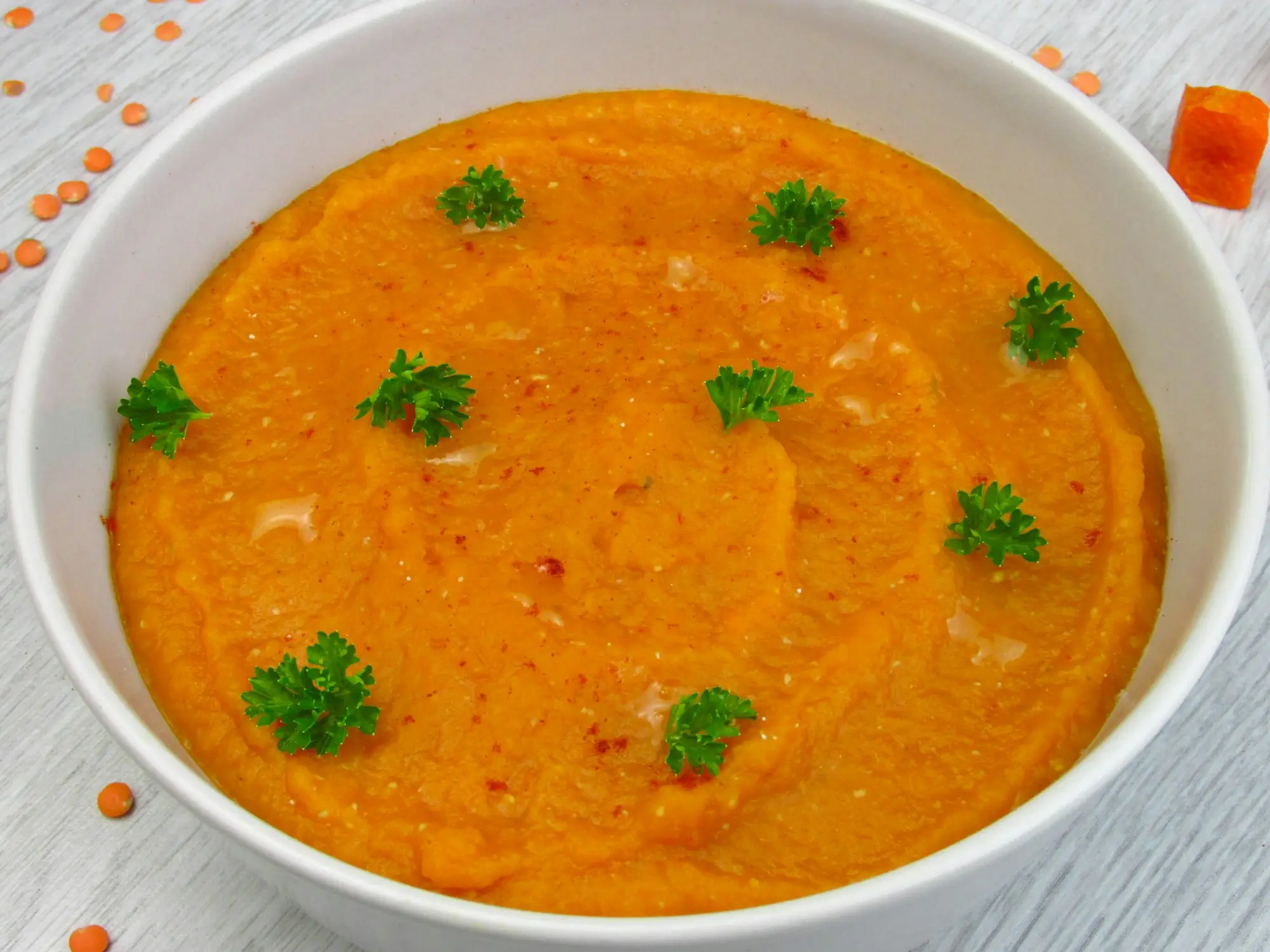
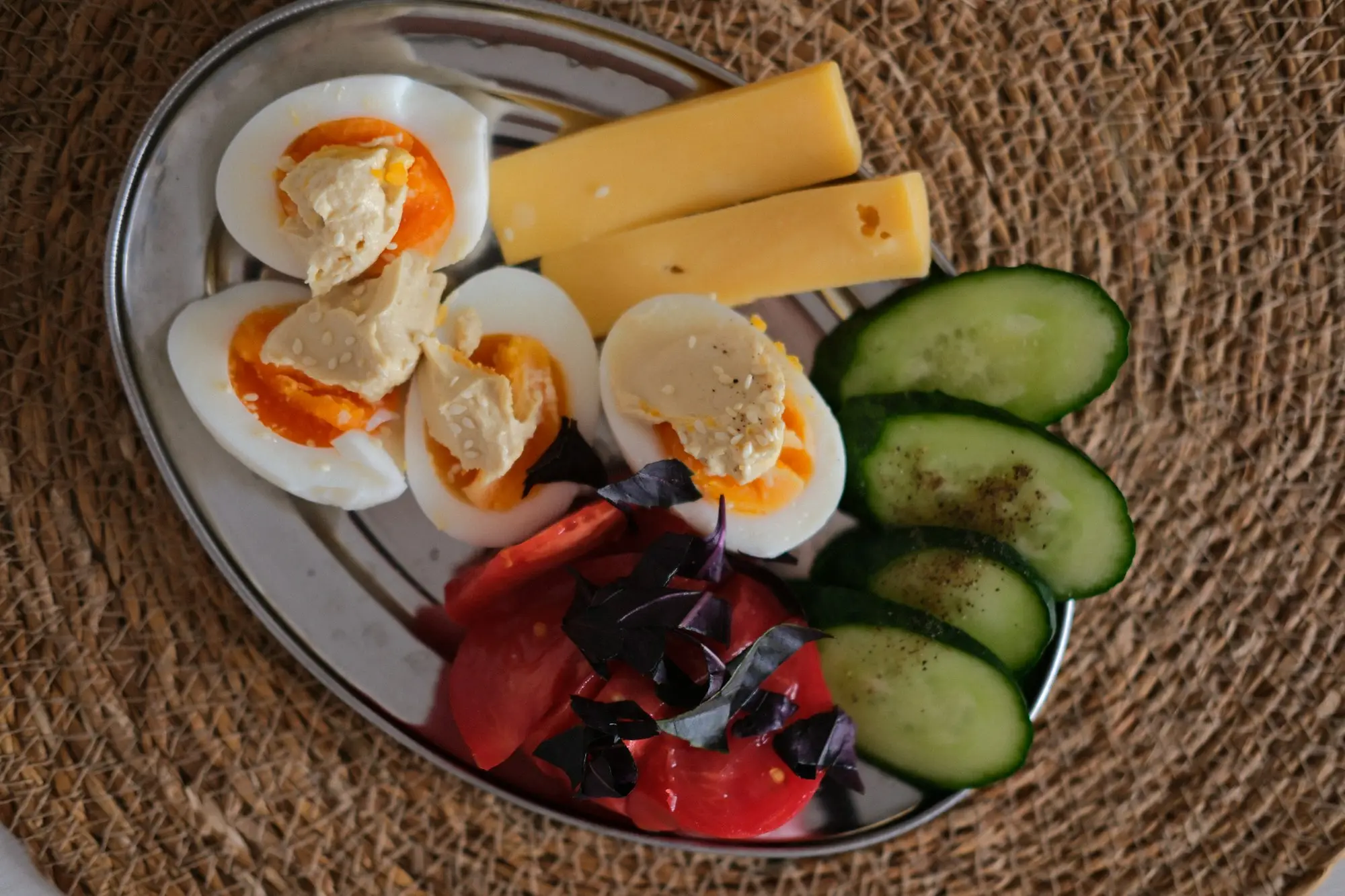
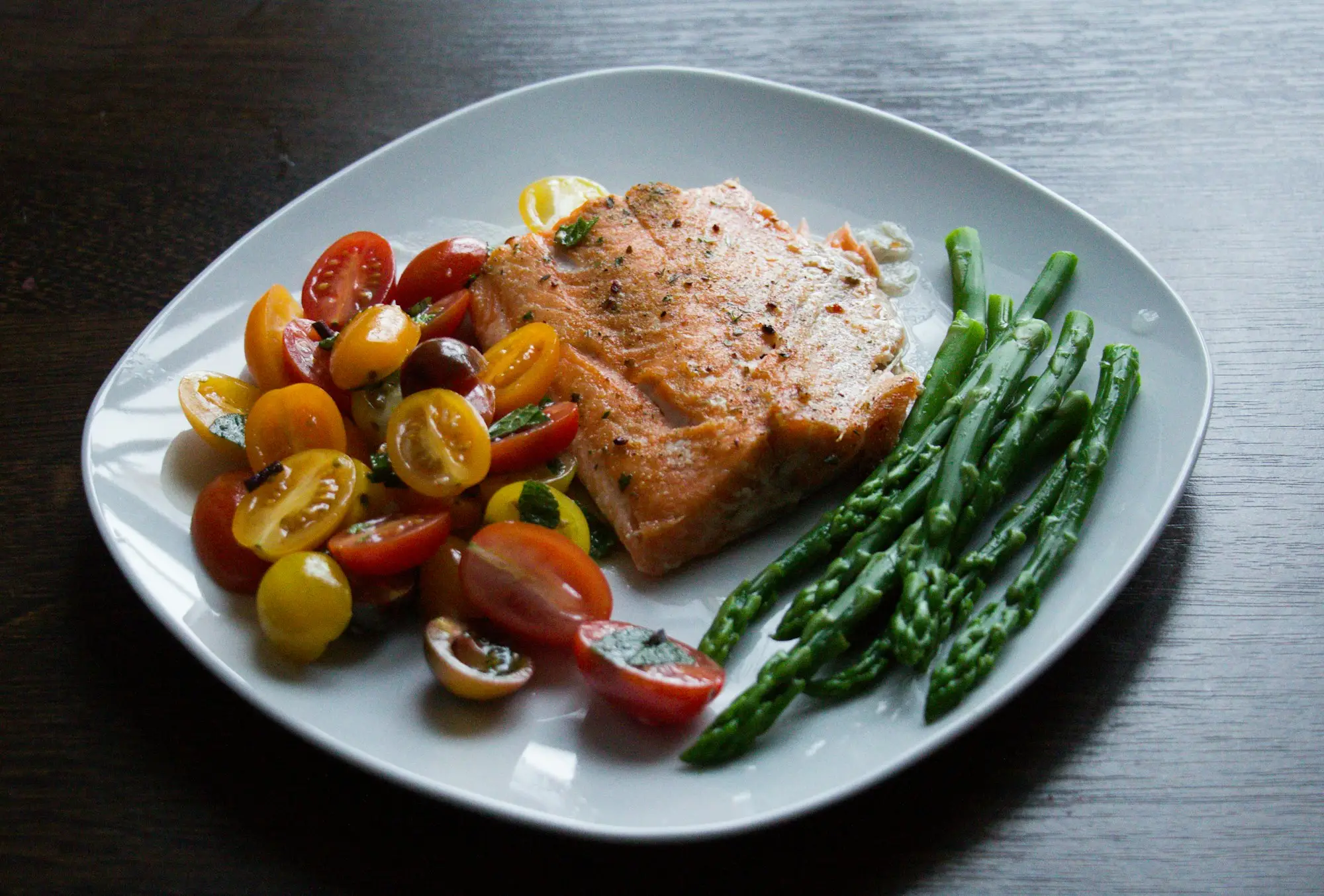
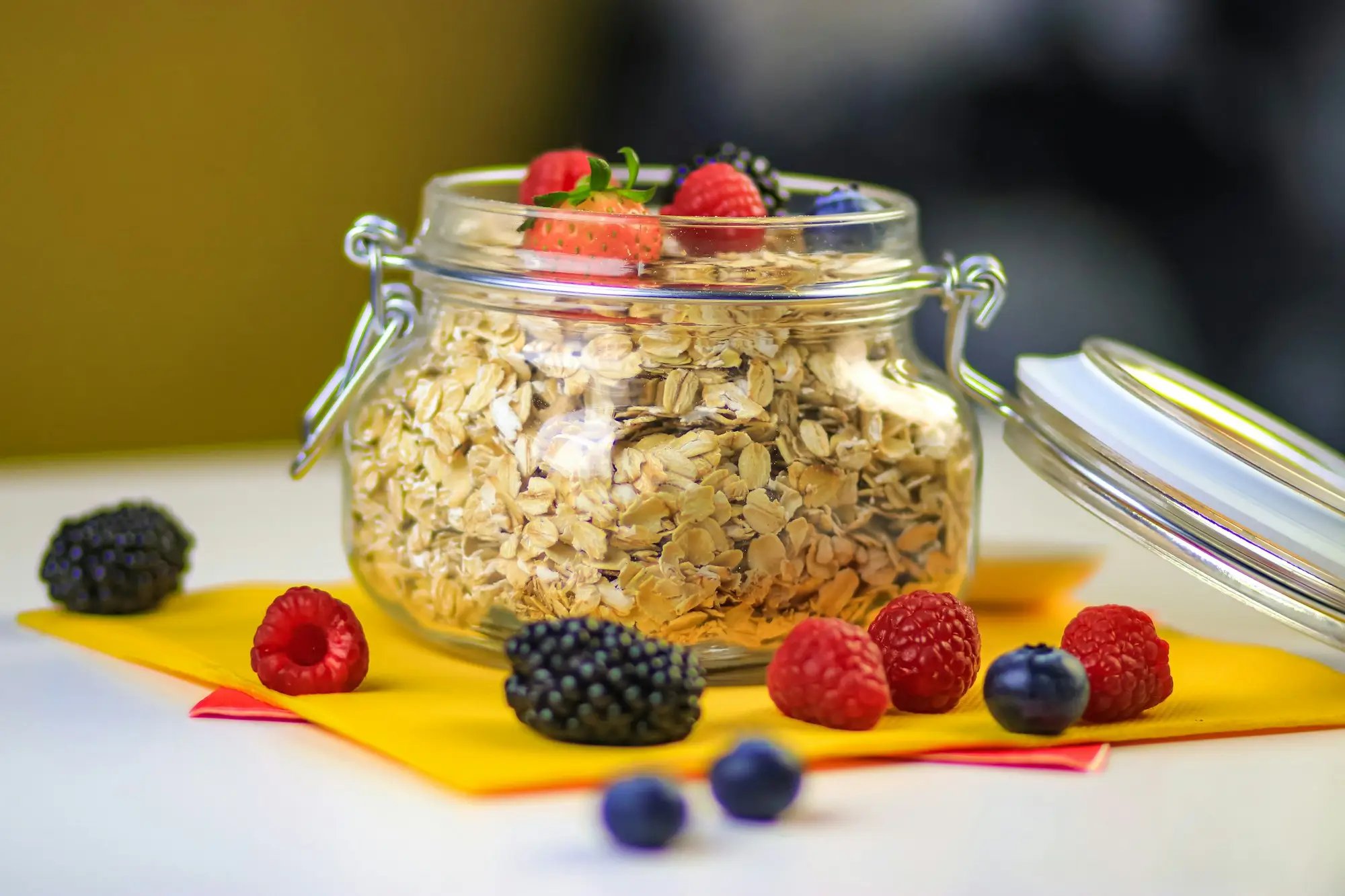
Toddler portions are small, so the figures below are for toddler-sized servings, worked out from the NIH’s food tables.1 Two or three of these across a day gets most children there.
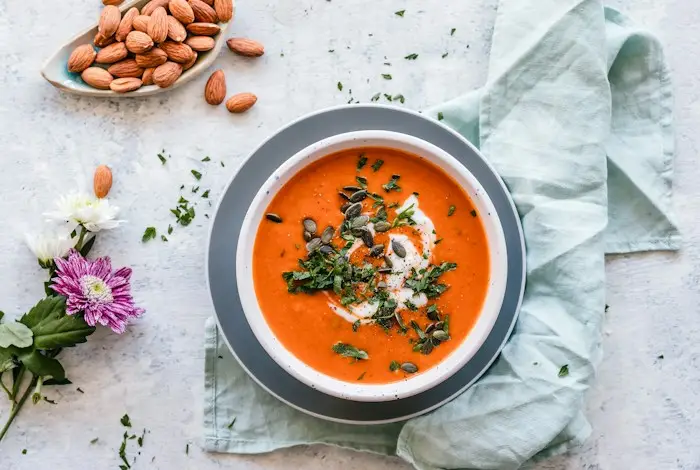

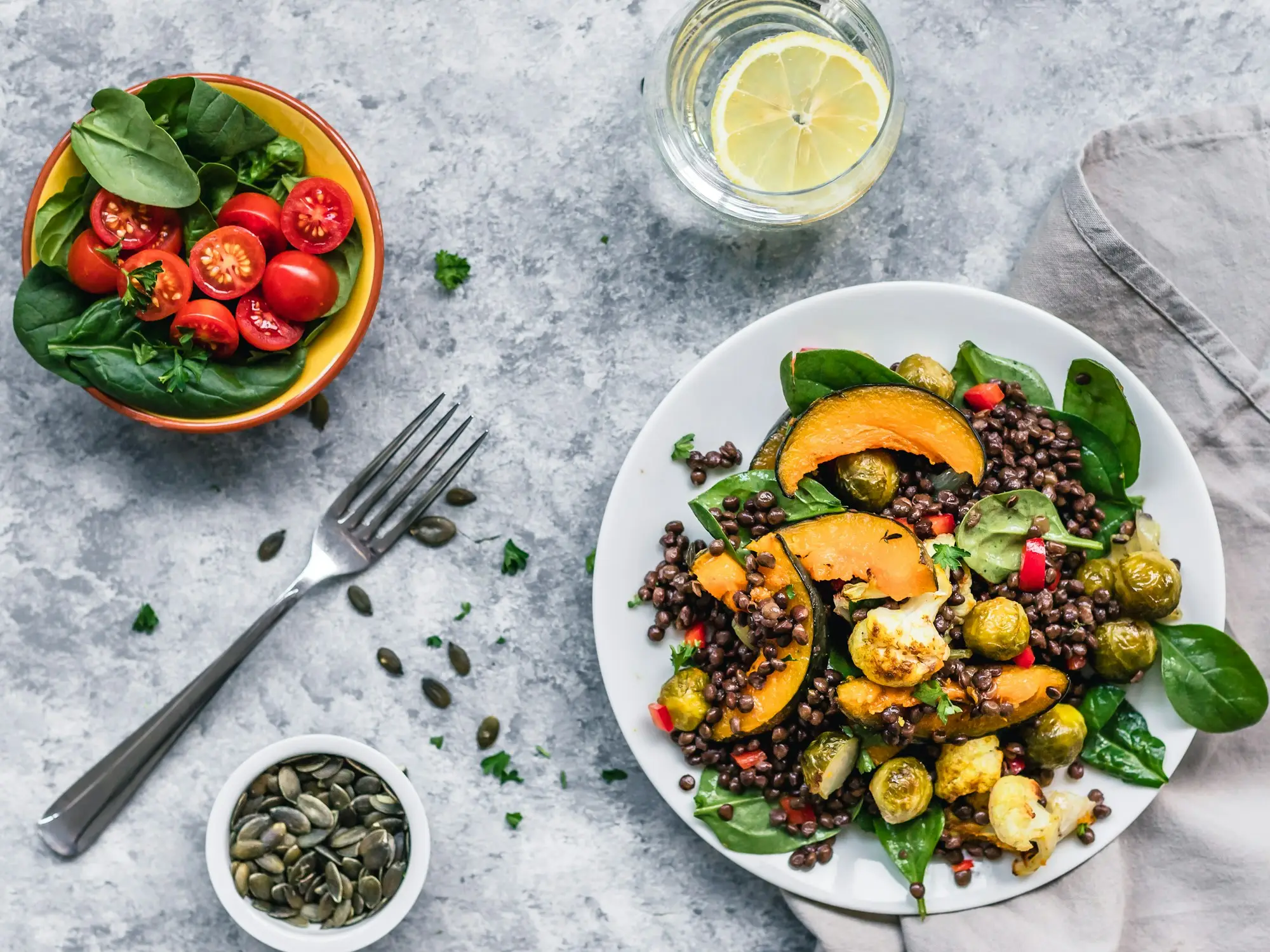
Photos: Ella Olsson, Eaters Collective / Unsplash
Fortified foods vary the most. A cereal fortified to 100% of the Daily Value contains 18 mg per serving, while many children’s cereals carry a quarter of that or less — the percentage on the label tells you which you’ve got.1
Iron from meat, poultry and fish is absorbed more easily than iron from plants — but plant iron still counts.
There are two kinds of iron in food. Heme iron, from meat, poultry and seafood, is absorbed relatively well. Non-heme iron, from plants and fortified foods, is absorbed less well on its own — the NIH estimates the body takes up about 14–18% of the iron in a typical mixed diet, against 5–12% in a vegetarian one.1 That’s why vegetarian children need more careful planning, not that plant iron doesn’t matter.
The everyday drink that gets in the way
Cow’s milk is one of the most common reasons toddlers run low. It contains very little iron, and a toddler who fills up on milk simply has less room for the foods that supply it.3 The AAP suggests about 16 oz (2 cups) of milk a day for children aged 12 to 24 months, and 16 to 24 oz between 2 and 5.2 It advises against going over 24 oz a day.3
If your toddler would happily drink milk all day, our guide to how much milk a toddler should drink has practical ways to cut back without a fight.
Getting more from every bite
Vitamin C helps the body absorb non-heme iron, so pairing plant sources with fruit or vegetables makes a real difference.5 Small pairings do the work:
- Strawberries or orange segments with fortified oats
- Tomato sauce stirred through lentils or beans
- Red pepper strips alongside a bean quesadilla
- A little meat or fish added to a mostly-vegetable meal, which also boosts absorption of the plant iron
Calcium may reduce iron absorption, so it can help to serve milk between meals rather than with an iron-rich one.1
When to talk to your pediatrician
Check in with your child's doctor if you notice
- Pale skin, tiredness or irritability that doesn't pass
- Very little interest in food over several weeks
- Eating things that aren't food, such as ice, dirt or paper
- Your child drinks more than 24 oz of milk most days
- Your child follows a vegetarian or vegan diet and hasn't had iron levels checked
Don’t start an iron supplement on your own. Iron supplements carry an FDA-required warning because accidental overdose of iron-containing products is a leading cause of fatal poisoning in children under 6.1 Keep any supplements locked away, and use one only if your pediatrician recommends it. For the wider question, see whether toddlers need vitamins.
Common questions
How much iron does a toddler need a day?
7 mg a day for children aged 1 to 3, and 10 mg a day for children aged 4 to 8, according to the Dietary Reference Intakes set by the U.S. National Academies.
Can too much milk cause low iron in toddlers?
Yes. Cow's milk contains very little iron and fills small stomachs, leaving less room for iron-rich food. The American Academy of Pediatrics suggests about 16 oz (2 cups) a day for children aged 12 to 24 months, and advises against more than 24 oz a day.
Can my toddler get enough iron on a vegetarian diet?
Yes, with some planning. Beans, lentils, tofu and fortified cereals are good sources, and serving them with vitamin C-rich foods helps absorption. Because plant iron is absorbed less well, mention the diet to your pediatrician so they can keep an eye on iron levels.
Is spinach a good source of iron?
Spinach contains a fair amount of iron, but it's the plant form, which the body absorbs less readily. It's a good vegetable to offer — just don't rely on it as the main source.
Should I give my toddler an iron supplement?
Only if your pediatrician recommends one. Most toddlers can meet their needs from food, and accidental overdose of iron-containing products is a leading cause of fatal poisoning in children under 6.
When are toddlers tested for low iron?
The American Academy of Pediatrics now recommends screening every infant, timed by how they're fed — around 9 to 12 months for mostly breastfed babies and 15 to 18 months for mostly formula-fed babies. Your pediatrician may test again later if your child is at higher risk.
Sources
- NIH Office of Dietary Supplements. Iron: Fact Sheet for Health Professionals.
- American Academy of Pediatrics, HealthyChildren.org. Recommended Drinks for Children Age 5 & Younger.
- American Academy of Pediatrics, HealthyChildren.org. Iron Deficiency and Anemia in Babies, Children & Teens.
- American Academy of Pediatrics, HealthyChildren.org. Iron Deficiency & Iron Deficiency Anemia: AAP Updates Screening, Prevention & Treatment Guidance.
- Centers for Disease Control and Prevention. Iron — Infant and Toddler Nutrition.
This article is for general information and isn't a substitute for advice from your child's doctor. Our editorial standards.