On this page
The short version
- There's no official daily target for DHA in the U.S.; the only set figure is for the plant omega-3 ALA — 0.7 g a day at ages 1 to 3.
- Fatty fish is by far the richest food source. A 1 oz toddler serving of salmon has roughly 400 mg of DHA.
- The FDA and EPA advise 2 servings of fish a week from their "Best Choices" list — about 1 oz per serving at ages 1 to 3.
- Most healthy toddlers don't need a DHA supplement; talk to your pediatrician before starting one.
How much DHA does a toddler need?
There’s no official daily amount of DHA for toddlers in the U.S. When the National Academies last reviewed omega-3s, they didn’t set intake recommendations for DHA or EPA — the “long-chain” omega-3s found mainly in fish.1 The only omega-3 with a set figure is ALA, the plant form, because it’s the one the body can’t make. Its Adequate Intake is 0.7 grams a day for ages 1 to 3.1
| Age | ALA per day |
|---|---|
| 1–3 years | 0.7 g |
| 4–8 years | 0.9 g |
| 9–13 years, boys | 1.2 g |
| 9–13 years, girls | 1.0 g |
So why do parents hear so much about DHA? It’s a building block of cell membranes and is especially concentrated in the brain and the retina of the eye.1 The FDA describes fish as providing key nutrients that support a child’s brain development, including DHA and EPA.2 The body can turn some ALA into EPA and DHA, but only a small fraction — reported rates are under 15% — so eating DHA directly is the practical way to get it.1
The best DHA foods for toddlers
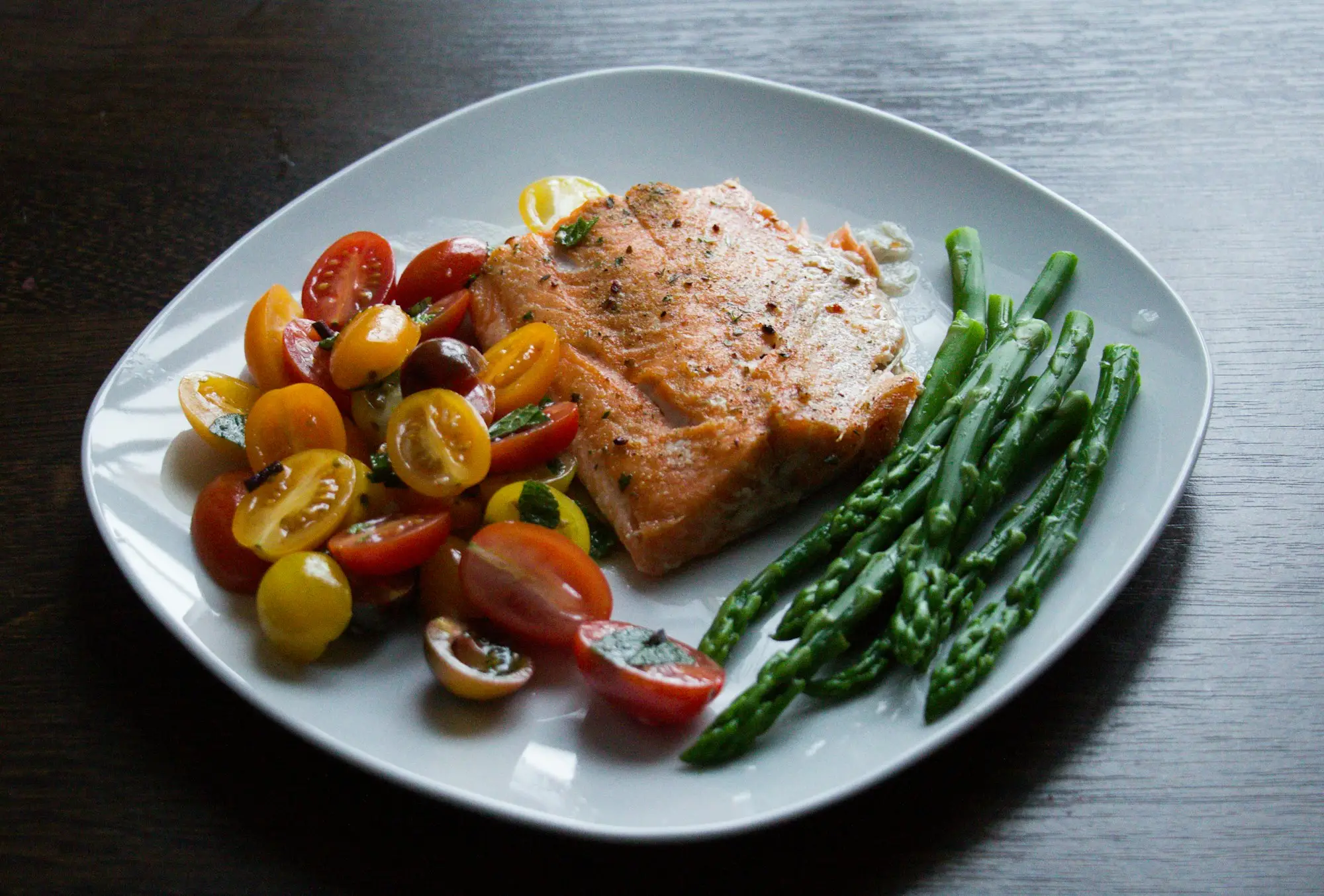
Fatty fish supplies far more DHA than anything else. The figures below are for a 1 oz toddler serving, scaled from the NIH’s food table (which lists 3 oz portions).1

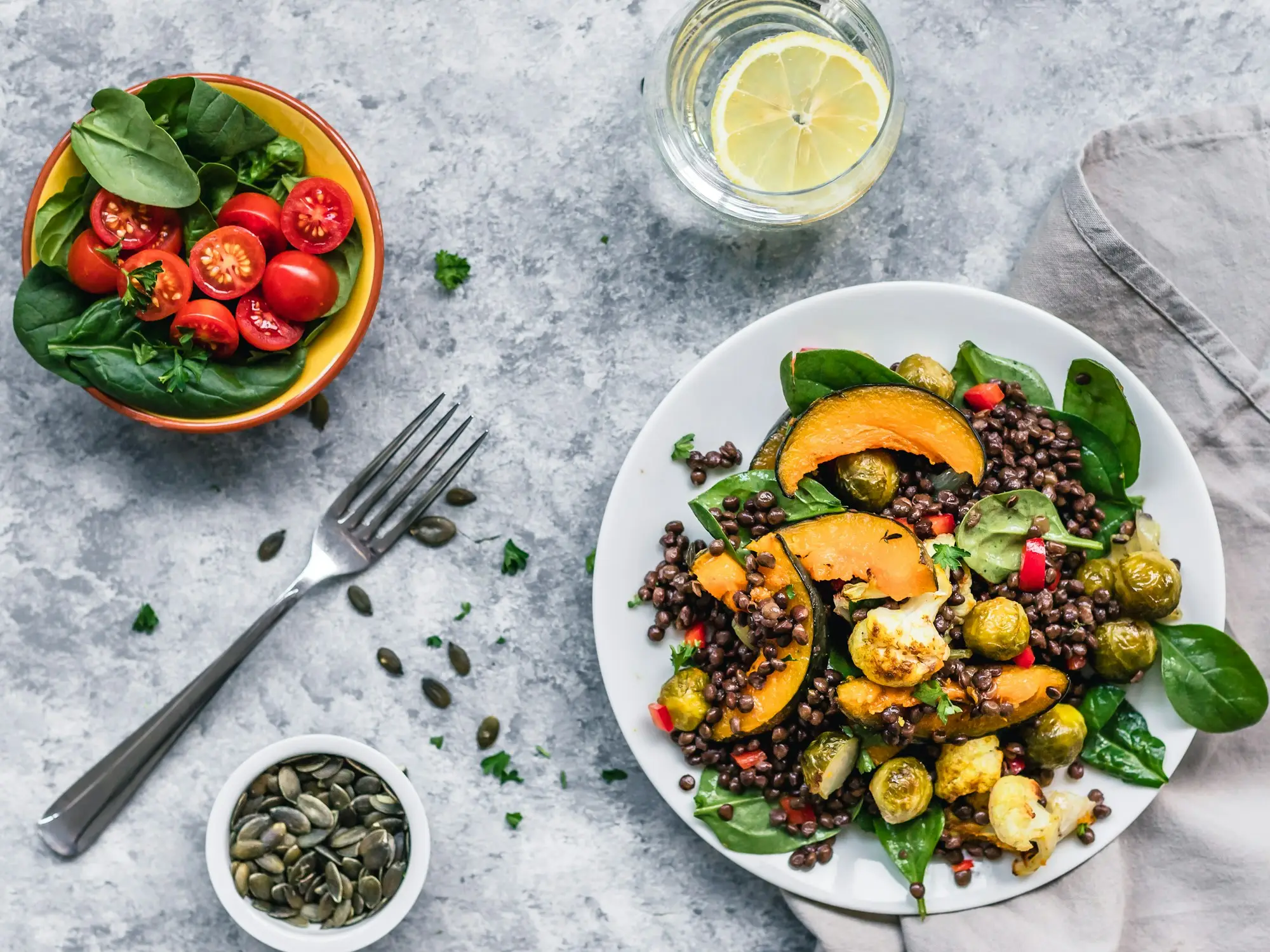
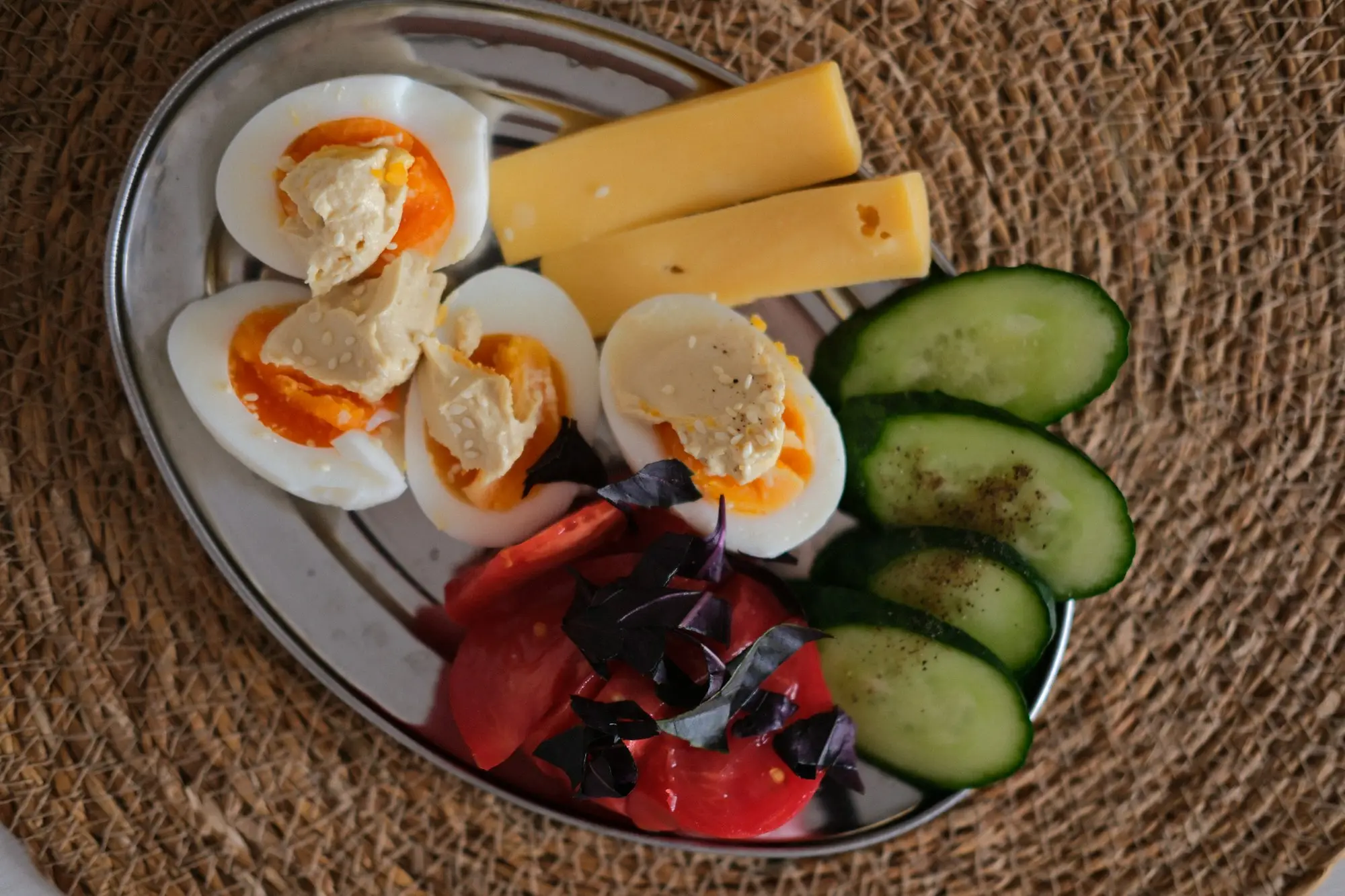
Photos: Eaters Collective / Unsplash
Canned light tuna has less, at roughly 55 mg of DHA per ounce, and shrimp about 40 mg.1 Chicken and beef contain only traces. Some brands of eggs, yogurt, juice, milk and soy drinks are fortified with DHA — check the label if you want a non-fish source.1
One ounce of salmon, twice a week, is a simple way to put DHA on a toddler’s plate.
How much fish is safe for toddlers?
Fish is worth serving, and the FDA and EPA give clear advice on how much and which kinds. For children, they recommend 2 servings a week from the “Best Choices” list, with serving sizes that grow with your child:2
| Age | One serving | Servings per week |
|---|---|---|
| 1–3 years | 1 oz | 2, from Best Choices |
| 4–7 years | 2 oz | 2, from Best Choices |
| 8–10 years | 3 oz | 2, from Best Choices |
| 11 years and up | 4 oz | 2, from Best Choices |
Best Choices include salmon, sardines, trout, Atlantic mackerel, cod, tilapia, pollock, shrimp, catfish, haddock and canned light tuna.2 Albacore (white) tuna is on the “Good Choices” list, which is higher in mercury. Skip these entirely: king mackerel, marlin, orange roughy, shark, swordfish, Gulf of Mexico tilefish and bigeye tuna.2 If someone in the family catches fish locally, check for local advisories; if there isn’t one, the FDA suggests eating only one serving that week and no other fish.2
A note where the advice differs
The FDA/EPA chart treats every Best Choice the same. The 2020–2025 Dietary Guidelines add a refinement for toddlers: at up to 2 oz of fish a week, any cooked Best Choice is fine, but if a toddler eats up to 3 oz a week, they suggest sticking to the lowest-mercury options — such as salmon, sardines, trout, shrimp, tilapia, pollock and Atlantic mackerel — rather than canned tuna or cod.3 We follow the stricter version: if your toddler loves fish and eats more than two small servings a week, lean on salmon, sardines and trout, which also happen to be the richest in DHA.
The same Guidelines note that U.S. children eat far less seafood than recommended.3 The 2025–2030 edition again lists omega-3-rich seafood among its healthy-fat foods.6
Omega-3s from plant foods
Plant foods supply ALA rather than DHA, and most U.S. children already get enough of it — average intakes for ages 2 to 19 are about 1.3 to 1.6 grams a day, well above the AI.1 Good sources include canola and soybean oils, walnuts, flaxseed and chia seeds.1 For example, 1 tablespoon of canola oil has about 1.3 g of ALA.1
Serve these safely: the AAP lists nuts and seeds among choking hazards for children under 4.5 Grind walnuts or seeds into oatmeal or baking rather than offering them whole.
The AAP lists omega-3 fatty acids among the nutrients to watch for children on vegetarian diets.4 If your family doesn’t eat fish, DHA-fortified foods are one option, and it’s worth raising at your child’s next checkup.
Do toddlers need a DHA supplement?
For most toddlers, no. There’s no established DHA requirement for children, and food sources plus fortified foods are available.1 Fish oil is one of the most commonly used non-vitamin supplements among U.S. children,1 but popularity isn’t proof of need. The research on benefits for children is limited and mixed.1 In children with ADHD, for example, a review of 10 studies found no overall improvement in behavior measures with omega-3 supplements, though an analysis limited to the higher-quality studies found some improvement in parent-rated behavior.1
It’s reasonable to ask your pediatrician about a supplement if your child eats no fish at all, follows a vegan diet, or has a medical condition that affects how they eat. Vegetarian omega-3 supplements made from algal oil exist as an alternative to fish oil.1 Don’t give adult fish oil capsules without checking the dose with your child’s doctor.
For more on how omega-3s fit alongside your toddler’s other needs, see how much protein a toddler needs and how much iron a toddler needs — fish helps with both.
When to talk to your pediatrician
Ask your child's doctor if
- Your child eats no fish and no DHA-fortified foods
- Your family follows a vegetarian or vegan diet
- You're thinking about a fish oil or algal oil supplement
- Your child has a fish or shellfish allergy and you want other options
A toddler who eats a little salmon, sardines or trout most weeks, along with eggs and everyday foods cooked in canola or soybean oil, is doing well on omega-3s. You don’t need to count milligrams.
Common questions
How much DHA does a toddler need?
There's no official recommendation. The U.S. National Academies didn't set an intake for DHA or EPA; the only omega-3 with a set amount is ALA, at 0.7 grams a day for ages 1 to 3. Fish twice a week is the practical way to include DHA.
What foods are high in DHA for toddlers?
Fatty fish such as salmon, sardines, Atlantic mackerel and trout are the richest sources. Canned light tuna, shrimp and eggs contain smaller amounts, and some eggs, yogurts, milks and soy drinks are fortified with DHA.
Do toddlers need a DHA supplement?
Most don't. There's no established DHA requirement for children, and evidence that supplements benefit healthy children is limited. If your child doesn't eat fish or follows a vegan diet, ask your pediatrician whether a supplement makes sense.
How much fish can a toddler eat?
The FDA and EPA advise 2 servings a week from their "Best Choices" list, with a serving of about 1 oz at ages 1 to 3 and 2 oz at ages 4 to 7. Avoid the highest-mercury fish, such as shark, swordfish, king mackerel and bigeye tuna.
Is canned tuna safe for toddlers?
Canned light tuna is on the FDA/EPA "Best Choices" list, so 1 oz servings twice a week are within the advice. Albacore (white) tuna is higher in mercury and is a "Good Choice" instead. If your toddler eats more than about 2 oz of fish a week, the Dietary Guidelines suggest lower-mercury options such as salmon, sardines and trout.
Sources
- NIH Office of Dietary Supplements. Omega-3 Fatty Acids: Fact Sheet for Health Professionals.
- U.S. Food and Drug Administration and U.S. Environmental Protection Agency. Advice about Eating Fish.
- U.S. Department of Agriculture and U.S. Department of Health and Human Services. 2020. Dietary Guidelines for Americans, 2020–2025 (Chapters 2–3).
- American Academy of Pediatrics, HealthyChildren.org. My child wants to be a vegetarian. Is that ok?.
- American Academy of Pediatrics, HealthyChildren.org. Choking Prevention for Babies & Children: What Every Parent Needs to Know.
- U.S. Department of Agriculture and U.S. Department of Health and Human Services. 2026. Dietary Guidelines for Americans, 2025–2030.
This article is for general information and isn't a substitute for advice from your child's doctor. Our editorial standards.