On this page
The short version
- Toddlers aged 1 to 3 need about 13 g of protein a day; that rises to 19 g at ages 4 to 8 and 34 g at 9 to 13.
- One egg plus a cup of milk is about 14 g — a full day's worth for a toddler.
- Most U.S. children already eat enough protein, so a picky day is rarely a protein problem.
- Plant-based toddlers can get enough from beans, lentils, tofu, soy milk and nut butters, eaten regularly.
The daily number
Toddlers aged 1 to 3 need about 13 grams of protein a day, according to the Recommended Dietary Allowances set by the U.S. National Academies.1 That’s the amount for a 2-year-old, too. It rises to 19 g between 4 and 8, and to 34 g between 9 and 13. For the years either side, see protein for babies and how much protein a 10-year-old needs.
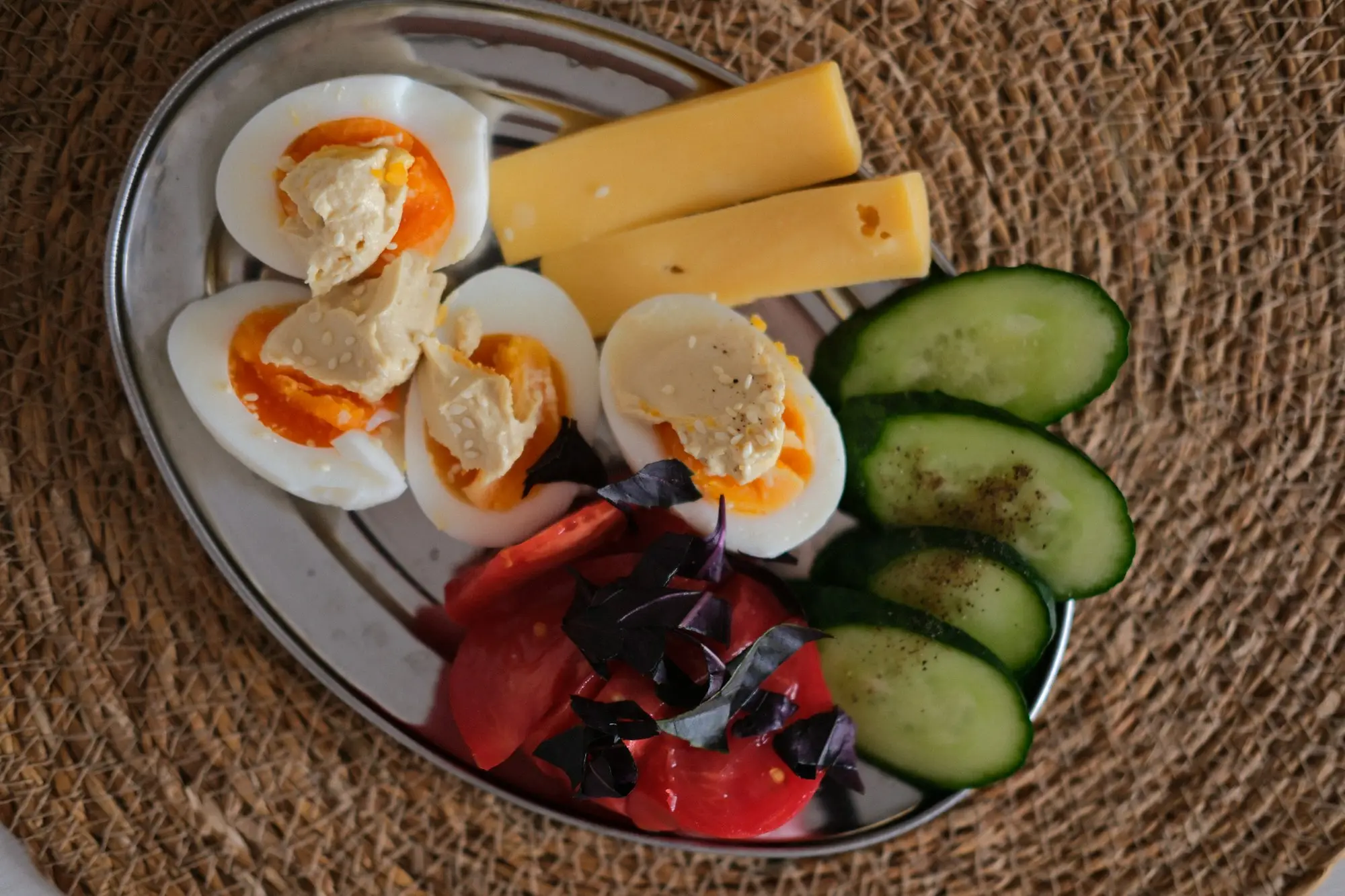
In real food, one large egg and one cup of whole milk add up to about 14 grams — a full day’s protein for most toddlers before lunch has even started.4
| Age | Protein per day |
|---|---|
| 1–3 years | 13 g |
| 4–8 years | 19 g |
| 9–13 years | 34 g |
An RDA is set high enough to cover the needs of nearly all (97–98%) healthy children in an age group, so most toddlers need a little less than the number on the table, not more.1
What 13 grams looks like on a plate
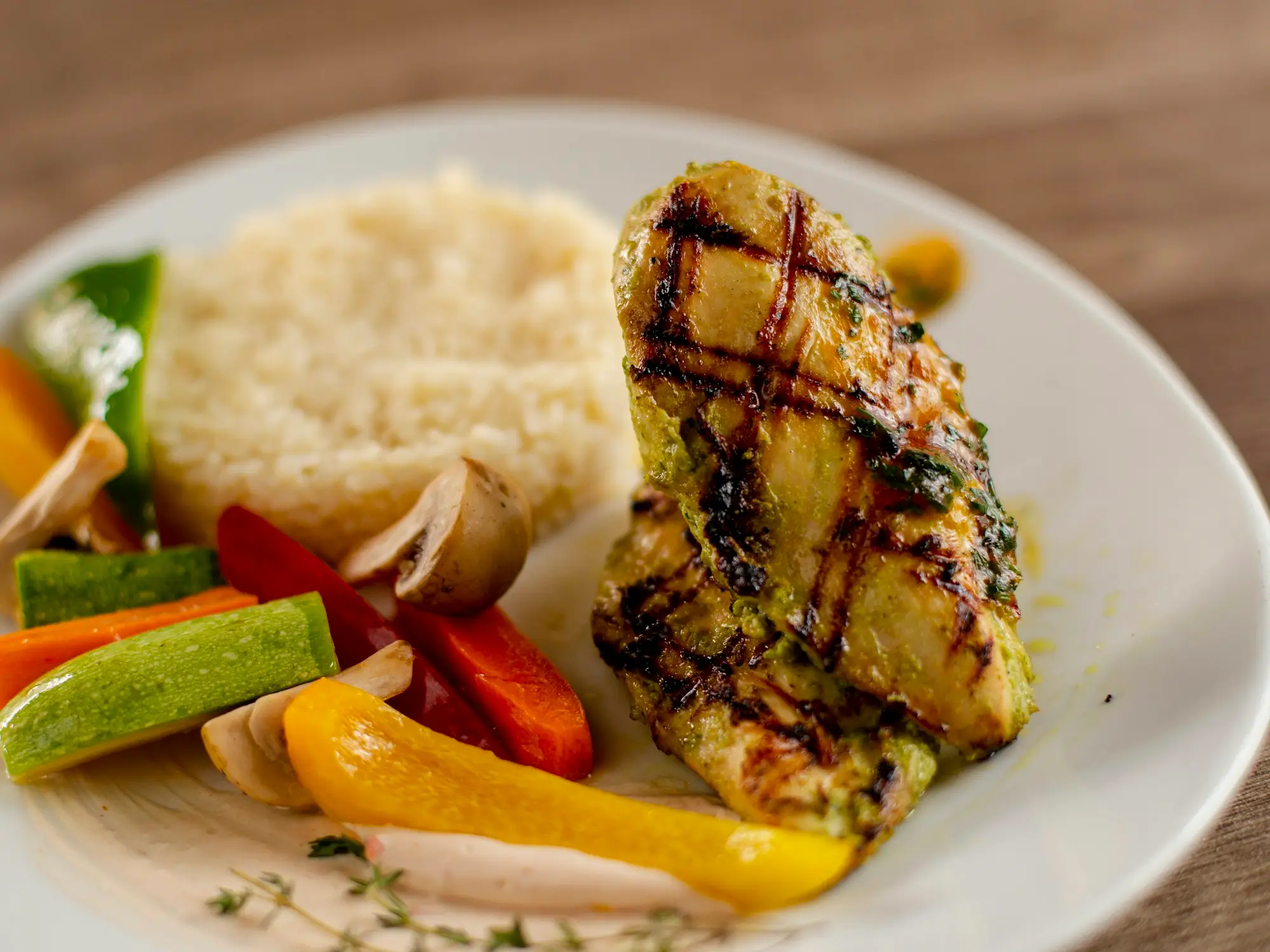
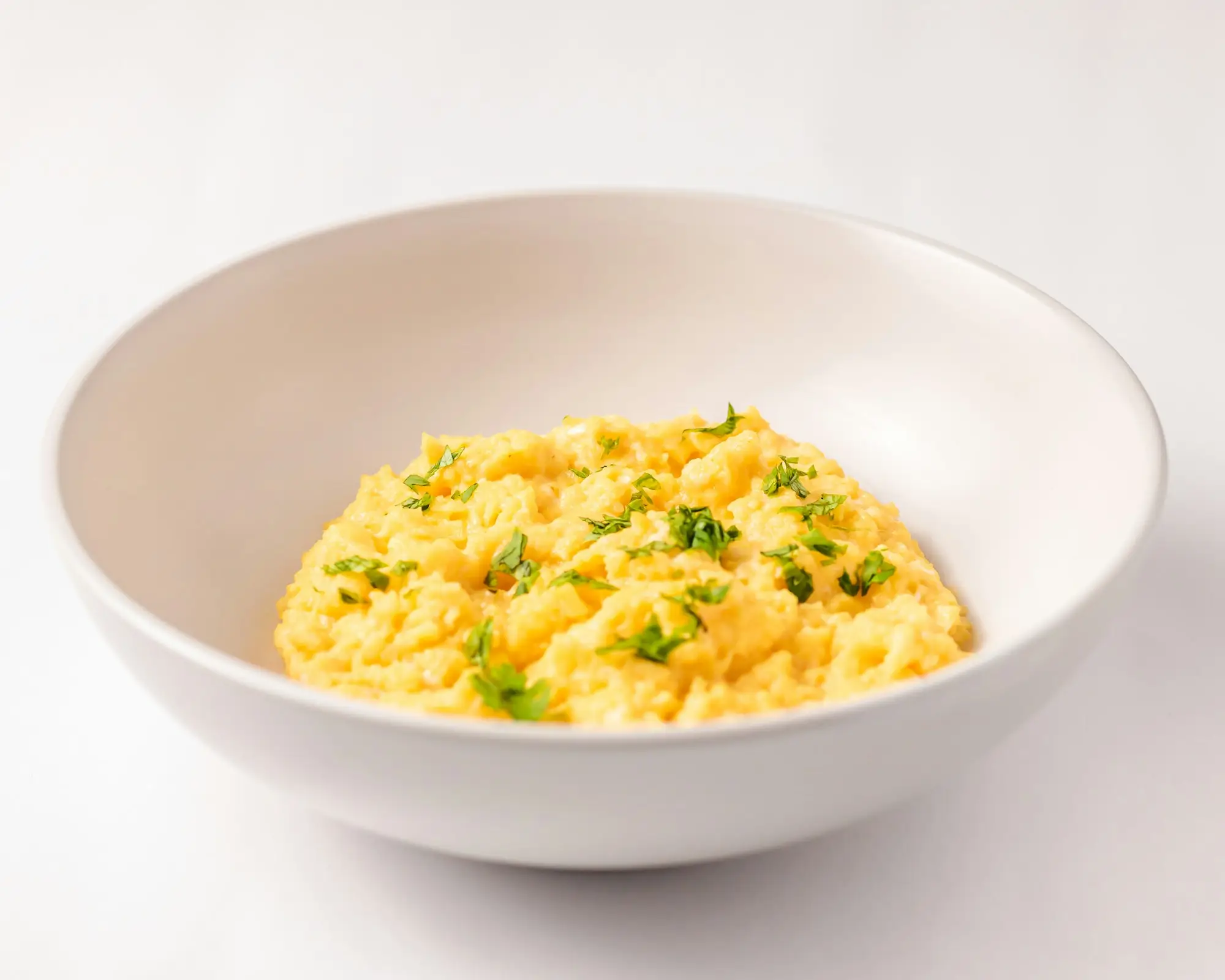
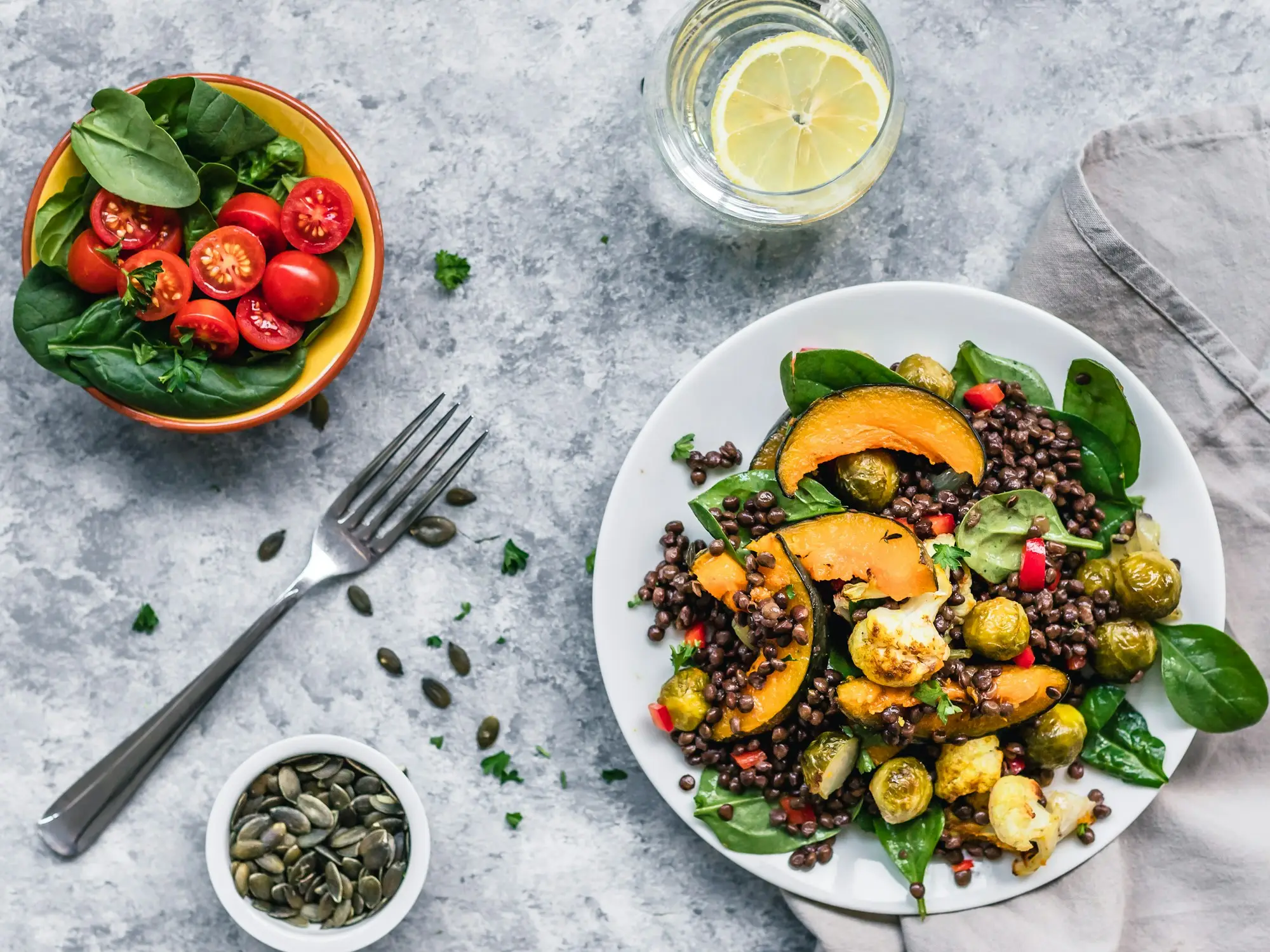
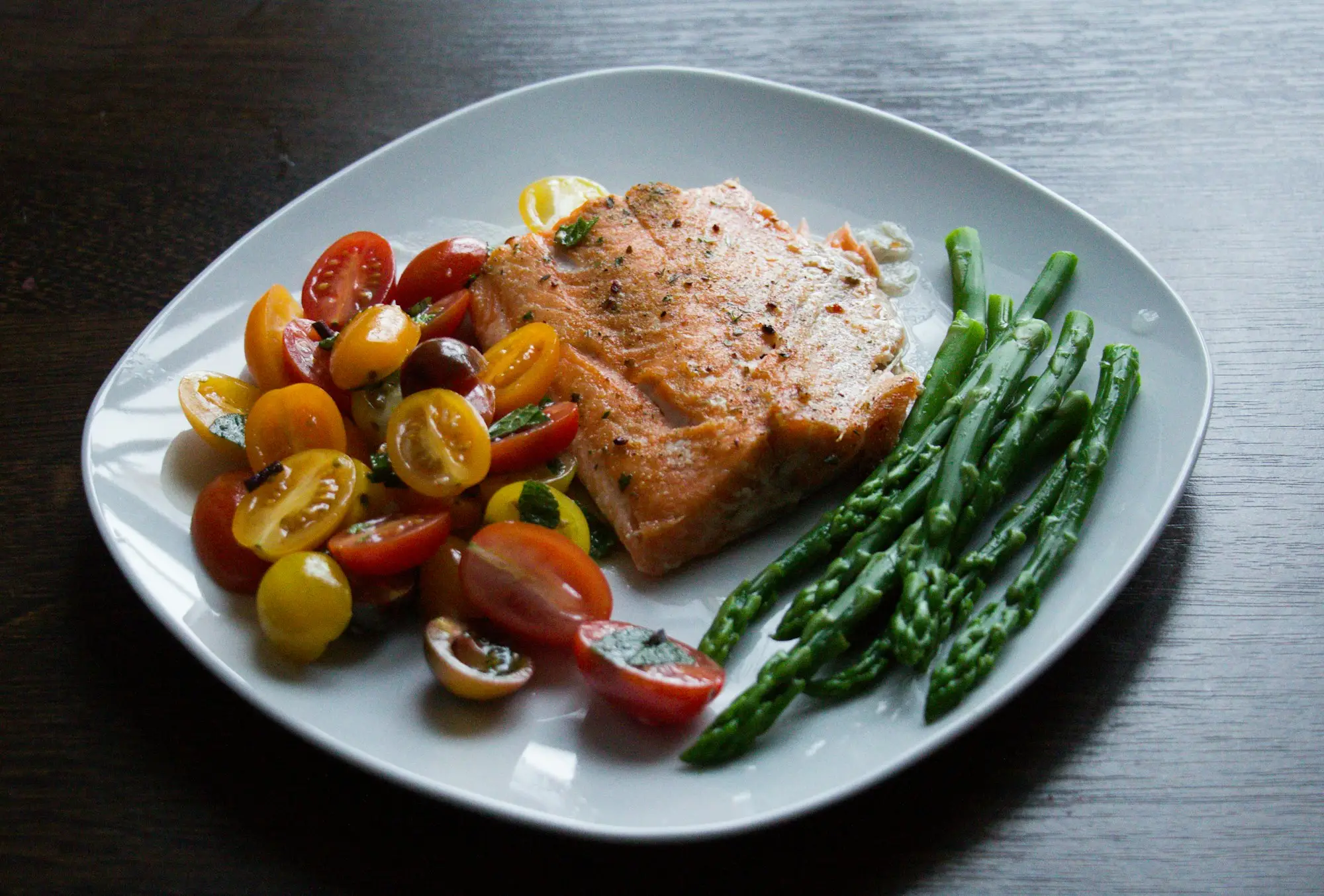
Toddler portions are small, so the figures below are for toddler-sized servings, worked out from USDA FoodData Central.4 Two or three of these across a day is enough for most children aged 1 to 3.

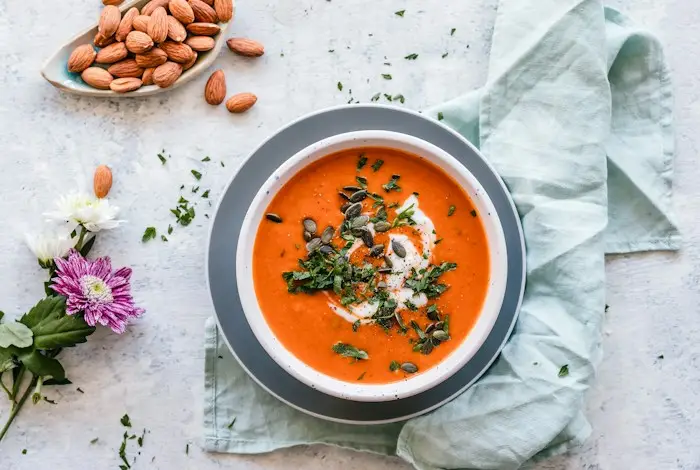
Photos: Eaters Collective, Karly Gomez, Ella Olsson / Unsplash
Prepare these the way you would for any toddler: chicken cut small or shredded, cheese grated rather than cubed, and nut butter spread thinly — the American Academy of Pediatrics lists chunks of meat, chunks of cheese and thick globs of nut butter among choking hazards for children under 4.6
How much protein per meal?
There’s no official per-meal target. If you split 13 grams across three meals and two snacks, it works out to roughly 3 grams each — about half an egg, half a cup of milk, or a quarter cup of lentils.
In practice, toddlers don’t eat evenly. One meal might be almost all protein and the next almost none. Look at the whole day, or even the whole week, rather than plate by plate. If dinner is a regular battle, our guide to what to do when a toddler won’t eat dinner has calm, practical ideas.
A toddler who drinks milk and eats an egg or some yogurt most days is very likely getting enough protein.
Is my toddler getting enough protein?
Almost certainly, yes. National dietary surveys summarized in the Dietary Guidelines for Americans found that toddlers’ intake of protein foods falls within the recommended range on average, and that total protein intake generally meets targets through childhood — the main exception being teenage girls aged 14 to 18.2
Milk does a lot of the work. One cup of whole milk has about 8 grams of protein, more than half a toddler’s daily need.4 That’s also why a toddler who seems to “eat nothing” is often getting more protein than it looks — from the cup, not the plate. Too much milk brings its own problems, though; see how much milk a toddler should drink.
The protein worth checking on is less about the amount and more about variety. The same surveys found children eat plenty of meat, poultry and eggs, but very little seafood.2 Fish brings omega-3 fats as well as protein — our guide to DHA foods for toddlers covers which fish to choose and how much.
A note on the new Dietary Guidelines
The 2025–2030 Dietary Guidelines for Americans set a general protein goal of 1.2 to 1.6 grams per kilogram of body weight a day, without a separate figure for young children.3 For a toddler weighing about 26 lb (12 kg), that would be roughly 14 to 19 grams — a little above the 13 g RDA.
We use the National Academies’ RDA as the number to check against, because it’s set specifically for each age group of children. Either way, the practical answer is the same: a toddler eating a protein food at most meals is covered, and there’s no need to push extra.
Protein for vegetarian and vegan toddlers
Plant-based toddlers can meet their protein needs comfortably. The AAP notes that vegetarian children generally get enough protein by regularly eating legumes — beans, peas, lentils, peanuts and soy.5
- Firm tofu. About 11 g in a quarter cup — one of the richest plant sources.4
- Beans and lentils. About 4 to 4.5 g in a quarter cup of cooked black beans or lentils.4
- Unsweetened soy milk. About 3.5 g in half a cup, close to cow’s milk.4
- Grains add up too. Half a cup of cooked pasta has about 3.5 g.4
For vegan toddlers, the AAP says they may need to eat more of these foods than other children, because plants don’t always match the protein in dairy and eggs. It also advises a vitamin B12 supplement or B12-fortified foods for children on a vegan diet, and recommends talking to your pediatrician about your child’s diet at well-child visits.5 Iron needs extra attention on a plant-based diet, too — see how much iron a toddler needs.
When to talk to your pediatrician
Check in with your child's doctor if
- Your child is losing weight, or isn't gaining weight between checkups
- They refuse whole food groups — all dairy, all meat and all beans, for example — for weeks
- Your family follows a vegan diet and you haven't discussed it at a well-child visit
- You're thinking about protein powders or shakes for your child
For most families, though, protein is the nutrient you can worry about least. Keep offering a protein food at meals, and let your child decide how much of it to eat. If you’re wondering about powders, see whether toddlers can have protein powder.
Common questions
How much protein does a toddler need a day?
About 13 grams a day for children aged 1 to 3, according to the Recommended Dietary Allowances set by the U.S. National Academies. Children aged 4 to 8 need about 19 grams.
How much protein does a 2-year-old need?
About 13 grams a day — the same as any child aged 1 to 3. One large egg (about 6 g) and a cup of milk (about 8 g) together cover it.
How much protein should a toddler have per meal?
There's no official per-meal target. Spread across three meals and two snacks, 13 grams works out to roughly 3 grams each — about half an egg, half a cup of milk or a quarter cup of lentils.
Is my toddler getting enough protein?
Probably. U.S. dietary surveys show that, on average, toddlers and children eat enough protein foods. A child who regularly eats dairy, eggs, meat, fish, beans or tofu is very likely covered, even on picky days.
Can a vegetarian or vegan toddler get enough protein?
Yes. Beans, lentils, peas, peanut butter and soy foods supply plenty of protein when eaten regularly. The American Academy of Pediatrics notes vegan children may need larger amounts of these foods, and should get vitamin B12 from a supplement or fortified foods.
Sources
- Institute of Medicine (National Academies), via NCBI Bookshelf. Dietary Reference Intakes: Recommended Dietary Allowances and Adequate Intakes, Total Water and Macronutrients.
- U.S. Department of Agriculture and U.S. Department of Health and Human Services. 2020. Dietary Guidelines for Americans, 2020–2025 (Chapters 2–3 and Appendix 1).
- U.S. Department of Agriculture and U.S. Department of Health and Human Services. 2026. Dietary Guidelines for Americans, 2025–2030.
- U.S. Department of Agriculture, Agricultural Research Service. SR Legacy data; amounts scaled to toddler portions by Growing Plate. FoodData Central.
- American Academy of Pediatrics, HealthyChildren.org. My child wants to be a vegetarian. Is that ok?.
- American Academy of Pediatrics, HealthyChildren.org. Choking Prevention for Babies & Children: What Every Parent Needs to Know.
This article is for general information and isn't a substitute for advice from your child's doctor. Our editorial standards.