On this page
The short version
- Children aged 9 to 13 need about 34 g of protein a day — the same for boys and girls.
- A glass of milk, an egg and a 3 oz piece of chicken add up to about 40 g.
- U.S. surveys show most children and young teens already meet their protein needs.
- Young athletes may need slightly more, but food covers it — the AAP says most don't need protein supplements.
The daily number
Children aged 9 to 13 need about 34 grams of protein a day, according to the Recommended Dietary Allowances listed in the Dietary Guidelines for Americans.1 The number is the same for boys and girls, and it covers a 10-, 11- and 12-year-old alike. It only rises at 14 — to 46 g for girls and 52 g for boys.1
In real food, a glass of milk, one egg and a 3 oz piece of chicken add up to about 40 grams — more than a full day’s protein before you count bread, beans or a bowl of pasta.3
| Age | Protein per day |
|---|---|
| 1–3 years | 13 g |
| 4–8 years | 19 g |
| 9–13 years (boys and girls) | 34 g |
| 14–18 years, girls | 46 g |
| 14–18 years, boys | 52 g |
That’s a big jump from the 13 grams a toddler needs (see how much protein a toddler needs) — but a 10-year-old also eats a lot more food, so the gap closes on its own.
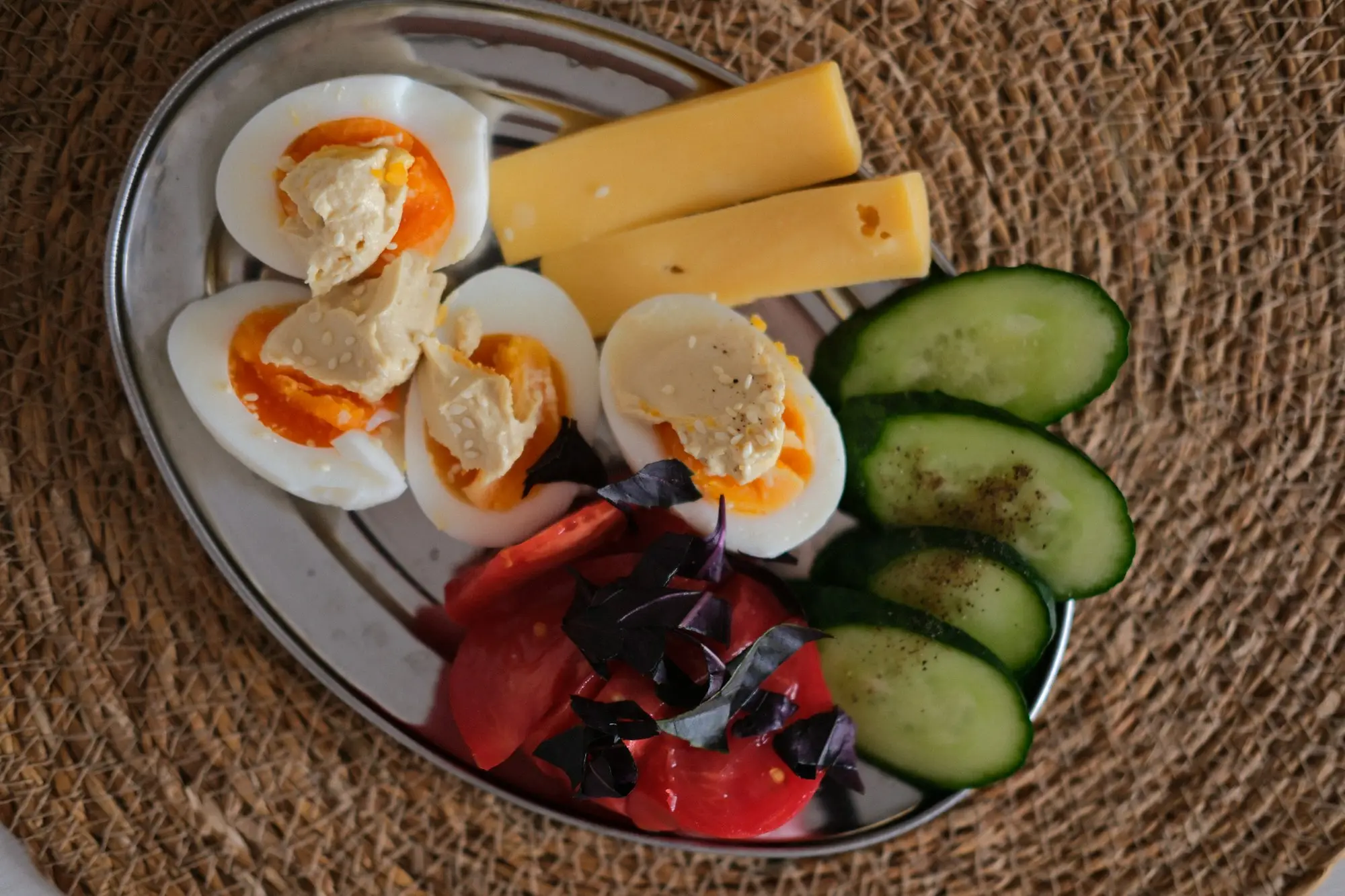
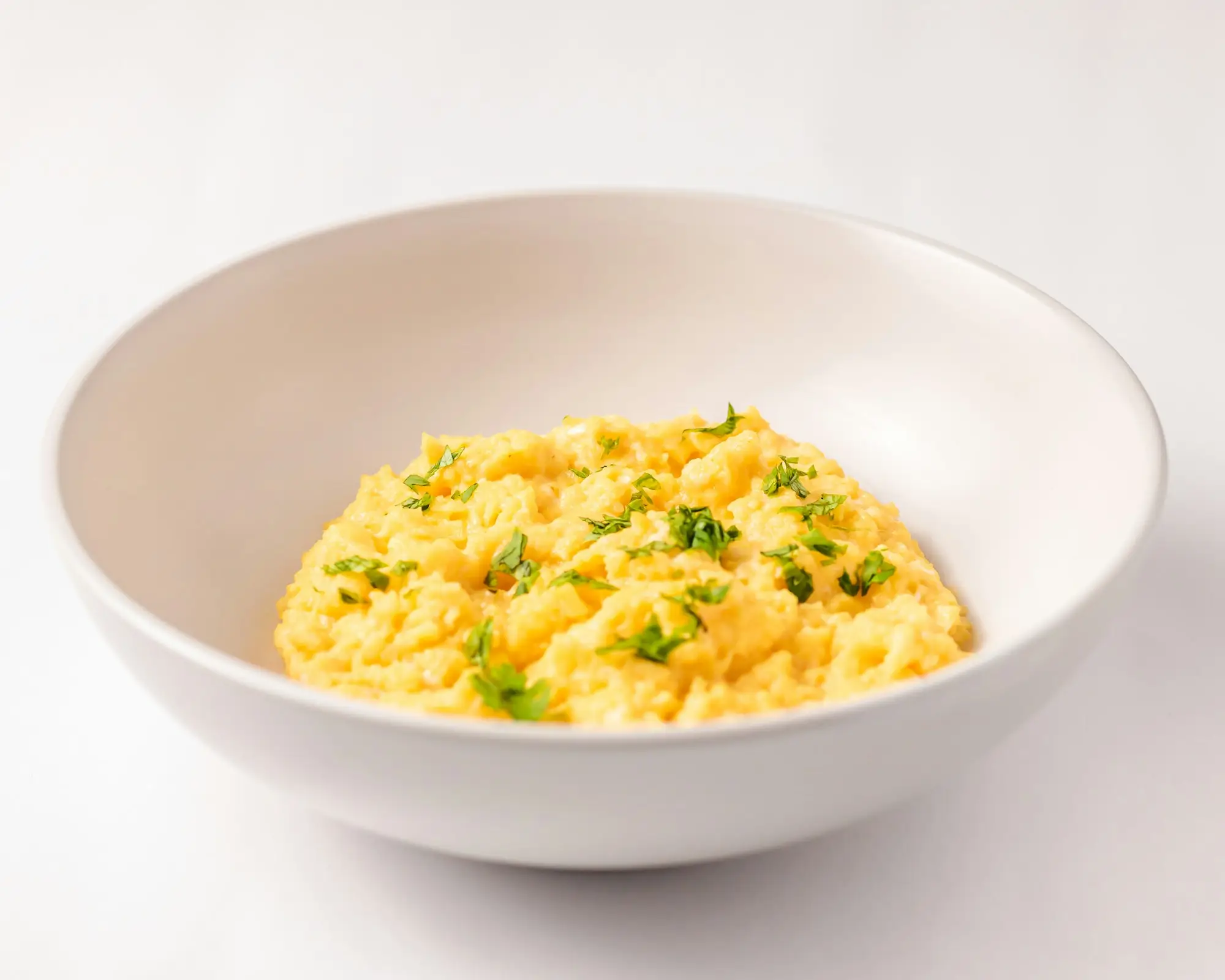
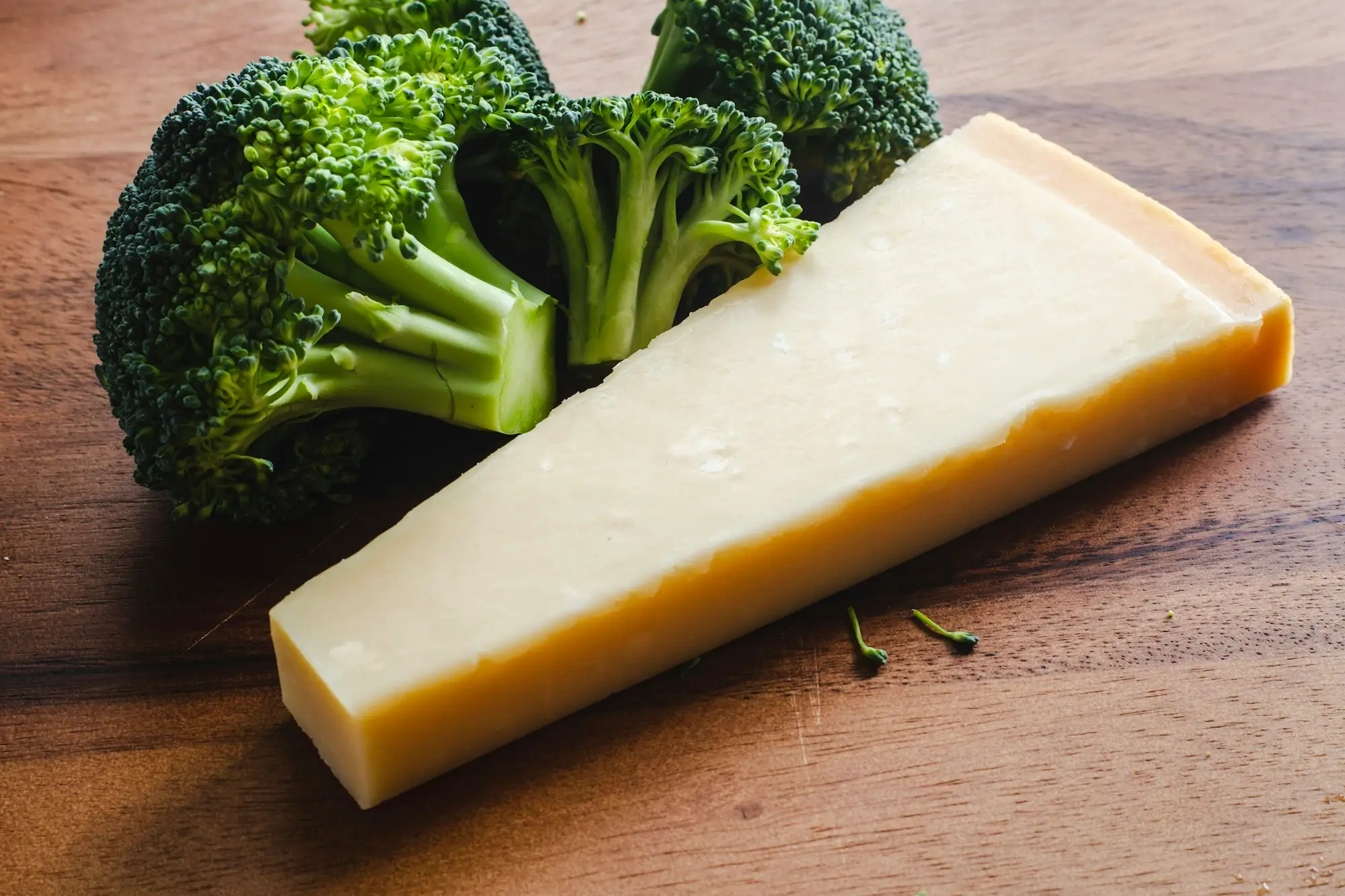
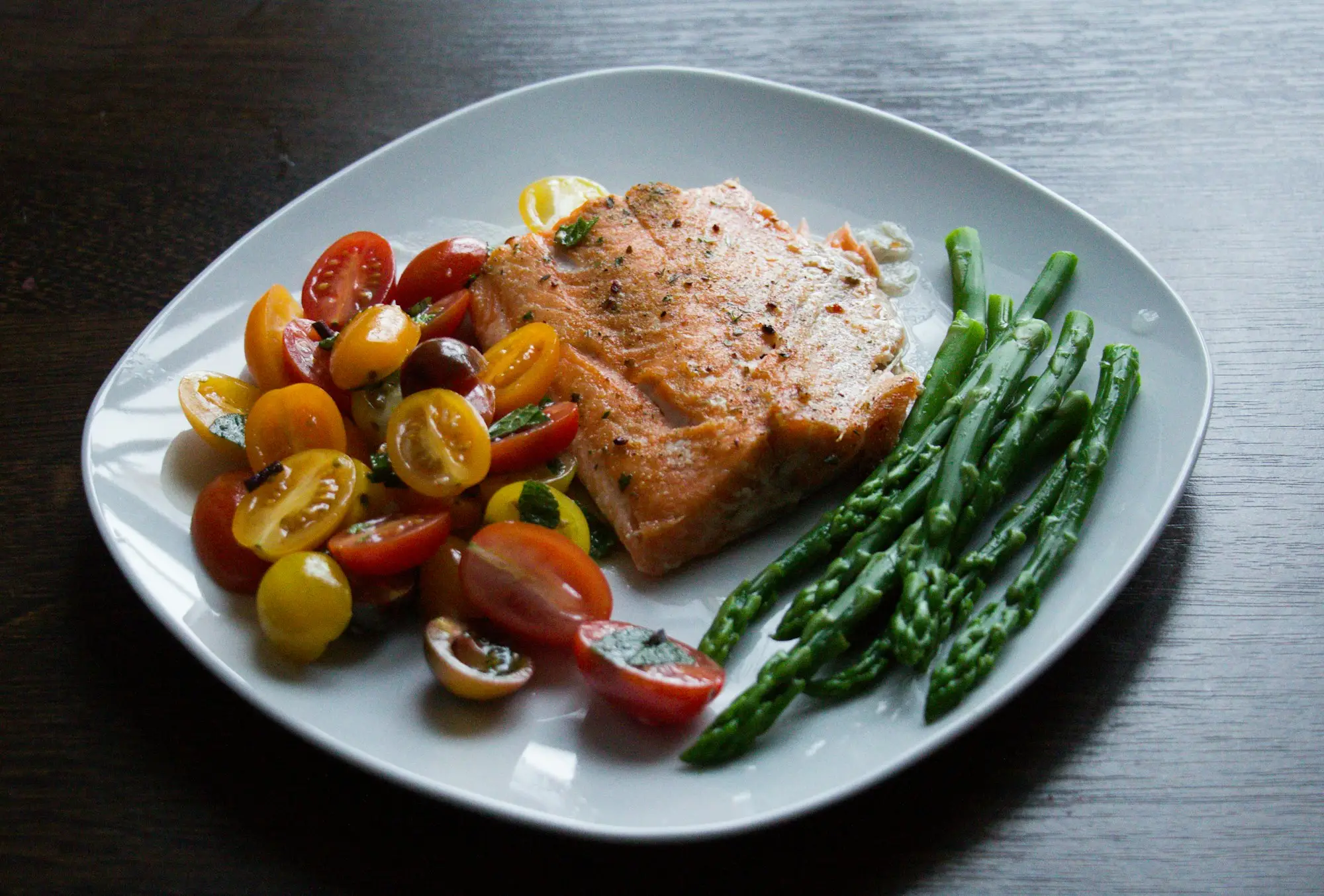
What 34 grams looks like on a plate
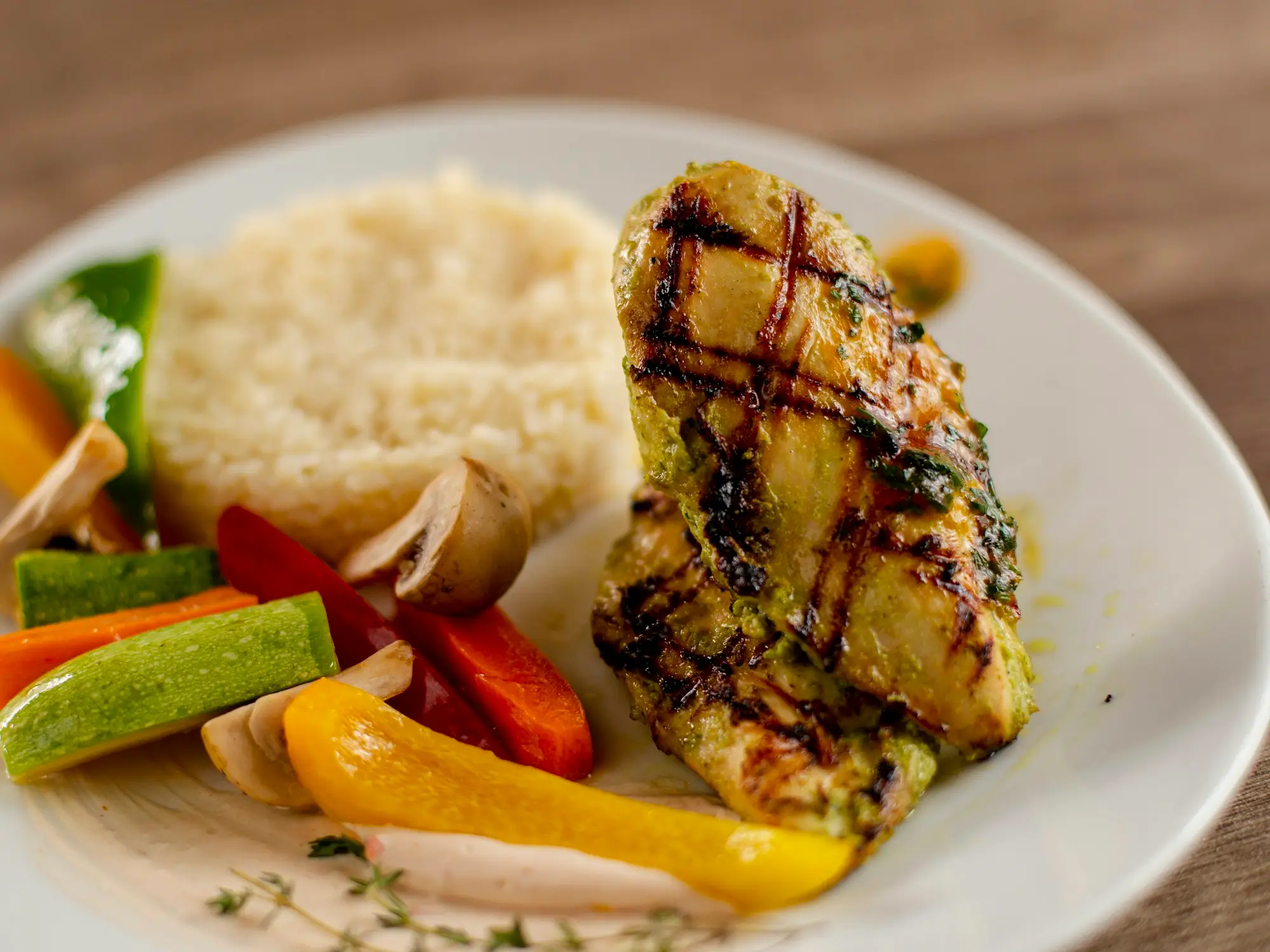
These are regular big-kid portions, worked out from USDA FoodData Central.3 Two or three of them across a day, plus the smaller amounts in bread, pasta and grains, covers most children.


Photos: Eaters Collective, Karly Gomez / Unsplash
A sample day
Here’s how quickly an ordinary day adds up, using USDA and AAP figures:34
- Breakfast: a scrambled egg, a slice of whole-wheat toast and a glass of milk — about 17 g.
- School lunch: a slice of cheese pizza — about 15 g.
- After school: a 6 oz Greek yogurt — about 17 g.
- Dinner: 3 oz of chicken with rice and vegetables — about 26 g, plus a few grams from the rice.
That’s roughly 75 grams, more than double the target, without a single “high-protein” product. A child who skips one of those meals is still covered.
Preteen favorites count too. The American Academy of Pediatrics lists about 15 g of protein in a slice of cheese pizza, 9 g in a taco and 30 g in a cheeseburger with a 4 oz patty.4 One school-cafeteria burger gets close to the whole day’s target.
Is my 10-year-old getting enough?
Almost certainly. National surveys summarized in the Dietary Guidelines found that total protein intake generally meets targets for children and teens — the main exception being girls aged 14 to 18.1 The AAP goes further: of all the nutrients, protein is the one it’s least concerned about, because U.S. adolescents get about twice as much as they need.6
At this age your child makes more of their own food choices — school lunch, snacks with friends, whatever’s in the fridge after practice. That’s fine for protein. Where gaps do show up is in variety: children eat plenty of meat, poultry and eggs, but very little seafood.1
A preteen who drinks milk or eats yogurt and has a protein food at most meals is very likely covered.
If your child is a selective eater, see our guide to the picky 10-year-old. Children who don’t eat meat, poultry or fish can get enough protein too, but the AAP notes vegetarians may be at risk of falling short and may benefit from planning meals with a registered dietitian.5
Do boys need more protein than girls?
Not yet. From 9 to 13, boys and girls share the same 34 g target.1 The split comes at 14, as growth and body size diverge.
What does differ is timing. Girls usually hit their growth spurt earlier than boys, and a growing child’s appetite rises to match. Our guide to the preteen growth spurt explains what to expect.
Protein for a 10-year-old athlete
The AAP says athletes involved in strength and endurance training may need slightly more protein — but that it’s a mistake to think muscles are built by eating lots of it. In its words, exercise, not dietary protein, increases muscle mass.4
In practice, an active child’s bigger appetite usually takes care of the extra. What matters more is timing and total energy:
- Fuel before. About 3 to 4 hours before a game, the AAP suggests a small meal that’s mostly carbohydrate with a moderate amount of protein, low in fat and fiber.7
- Refuel after. Within 30 to 60 minutes after exercise, a snack with both carbohydrate and protein helps — crackers with peanut butter, for example.7
- Plan for busy weeks. Tryouts and tournaments call for extra food, so pack more than usual.7
For full game-day ideas, see what young athletes should eat.
What about protein shakes?
The AAP is clear: most young athletes who eat a healthy, well-balanced diet don’t need and wouldn’t benefit from protein supplements.5 Real food brings protein along with the energy, calcium and iron a growing athlete also needs. Our guide on whether kids can drink protein shakes covers the details.
A note on the new Dietary Guidelines
The 2025–2030 Dietary Guidelines set a general protein goal of 1.2 to 1.6 grams per kilogram of body weight a day, without a separate figure for children.2 They also note that adolescence is a rapid growth period with increased needs for energy, protein, calcium and iron.2
We use the 34 g Recommended Dietary Allowance because it’s set specifically for children aged 9 to 13, and because it doesn’t ask you to weigh your child. Either way, the practical answer is the same: offer a protein food at meals, and let your child’s appetite do the rest.
When to talk to your pediatrician
Check in with your child's doctor if
- Your child is losing weight, or isn't growing as expected between checkups
- They've cut out whole food groups, or become rigid and anxious about eating only 'clean' or 'high-protein' foods
- They want protein powders or muscle-building supplements, or talk a lot about getting bigger or leaner
- Your child is vegetarian or vegan and you'd like help planning meals
The AAP notes that eating disorders in boys can be missed, and that a focus on muscularity and the use of muscle-building supplements can be warning signs.8 For most families, though, protein is the nutrient to worry about least.
Common questions
How much protein does a 10-year-old need a day?
About 34 grams a day, the Recommended Dietary Allowance for all children aged 9 to 13. A glass of milk, an egg and a 3 oz serving of chicken together provide about 40 grams.
Does a 10-year-old boy need more protein than a girl?
No. Boys and girls aged 9 to 13 have the same protein target, 34 grams a day. The numbers only split at 14, when girls need 46 grams and boys 52 grams.
How much protein does an 11- or 12-year-old need?
The same 34 grams a day — the target covers every child from 9 through 13. It rises at age 14.
Does a 10-year-old athlete need more protein?
Possibly a little. The American Academy of Pediatrics says athletes in strength and endurance training may need slightly more protein, but that exercise, not extra protein, builds muscle. A child eating enough food for their activity almost always covers it.
Can a 10-year-old have protein shakes?
They're rarely needed. The AAP says most young athletes who eat a healthy, well-balanced diet don't need and wouldn't benefit from protein supplements. Talk to your pediatrician before using powders or shakes.
Sources
- U.S. Department of Agriculture and U.S. Department of Health and Human Services. 2020. Dietary Guidelines for Americans, 2020–2025 (Chapter 3 and Appendix 1).
- U.S. Department of Agriculture and U.S. Department of Health and Human Services. 2026. Dietary Guidelines for Americans, 2025–2030.
- U.S. Department of Agriculture, Agricultural Research Service. SR Legacy data; portions calculated by Growing Plate. FoodData Central.
- American Academy of Pediatrics, HealthyChildren.org. Protein for the Teen Athlete.
- American Academy of Pediatrics, HealthyChildren.org. Performance-Enhancing Sports Supplements: Information for Parents.
- American Academy of Pediatrics, HealthyChildren.org. A Teenager's Nutritional Needs.
- American Academy of Pediatrics, HealthyChildren.org. Sports Nutrition for Busy Families and Busy Lifestyles.
- American Academy of Pediatrics, HealthyChildren.org. 2020. Identifying and Treating Eating Disorders.
This article is for general information and isn't a substitute for advice from your child's doctor. Our editorial standards.