On this page
The short version
- Picky eating lasts beyond the preschool years for a sizeable minority of children. In one U.S. study it lasted more than 2 years in 40% of cases, with no significant effect on growth.
- In a large UK study, children who were picky at 3 ate about a third fewer vegetables at age 10 — vegetables are the gap to focus on.
- At this age, control matters. Letting kids cook, choose and pack food works better than pressure, and in one experiment children who cooked ate 76% more salad.
- Talk to your pediatrician if your child eats very few foods, is losing weight, or seems anxious or afraid around food — that can point to ARFID.
Is it normal to still be a picky eater at 10?
It’s common, and for most children it isn’t harmful. A U.S. study that followed 120 children from age 2 to 11 found that 13% to 22% were described as picky at any given age, picky eating lasted more than 2 years in 40% of cases, and there was no significant effect on growth.1 The researchers described it as a fairly stable eating style rather than a phase every child leaves behind.
Most picky eaters do outgrow it earlier. In a Dutch study of more than 4,000 children, almost two-thirds of early picky eaters had moved on within 3 years, but about 4% were picky at every check-up from 18 months to age 6.2 If your 10-year-old is in that smaller group, you haven’t missed a window. It just means the approach needs to change for an older child.
A picky 10-year-old isn’t a failed toddler plan. It’s a different stage that needs a different approach.
Does long-term picky eating affect their diet?
A little, and mostly in predictable places. Researchers at the University of Bristol followed thousands of children in the Avon Longitudinal Study of Parents and Children (ALSPAC). Children who were picky at age 3 were still eating differently at 10: about 33% fewer vegetables, 10% less fruit, 15% less meat and slightly less protein and fiber than their peers. By 13, the gaps had narrowed but were still there for vegetables (23% less) and fruit (14% less). The differences were larger in children who had been picky for longer.3
On growth, the same research team found the picture was reassuring. Picky eaters were on average a little shorter and lighter, but their average heights and weights stayed above the middle of the growth charts, and more than two-thirds were never classed as thin.5 A smaller number were thin at some ages, which is why a check of your child’s growth curve with the pediatrician is worthwhile.
The Bristol team also found that feeding difficulties in persistent picky eaters became less likely between ages 5½ and 8½, and concluded that families can be reassured these difficulties are likely to ease slowly over time.4
What actually helps a picky preteen?
The basics from the toddler years still apply. Serve one family meal with at least one food your child usually eats, and don’t cook a separate meal when they refuse.10 Pressure, punishment and bribes tend to backfire.10 And the split of jobs still holds: you decide what’s offered, when and where; your child decides whether and how much to eat.11
What changes at 9 to 13 is that your child is more independent. They eat at school, at friends’ houses and after practice, often without you. So the most useful tools now are ones that give them a sense of control.
Five ways to widen a preteen's plate
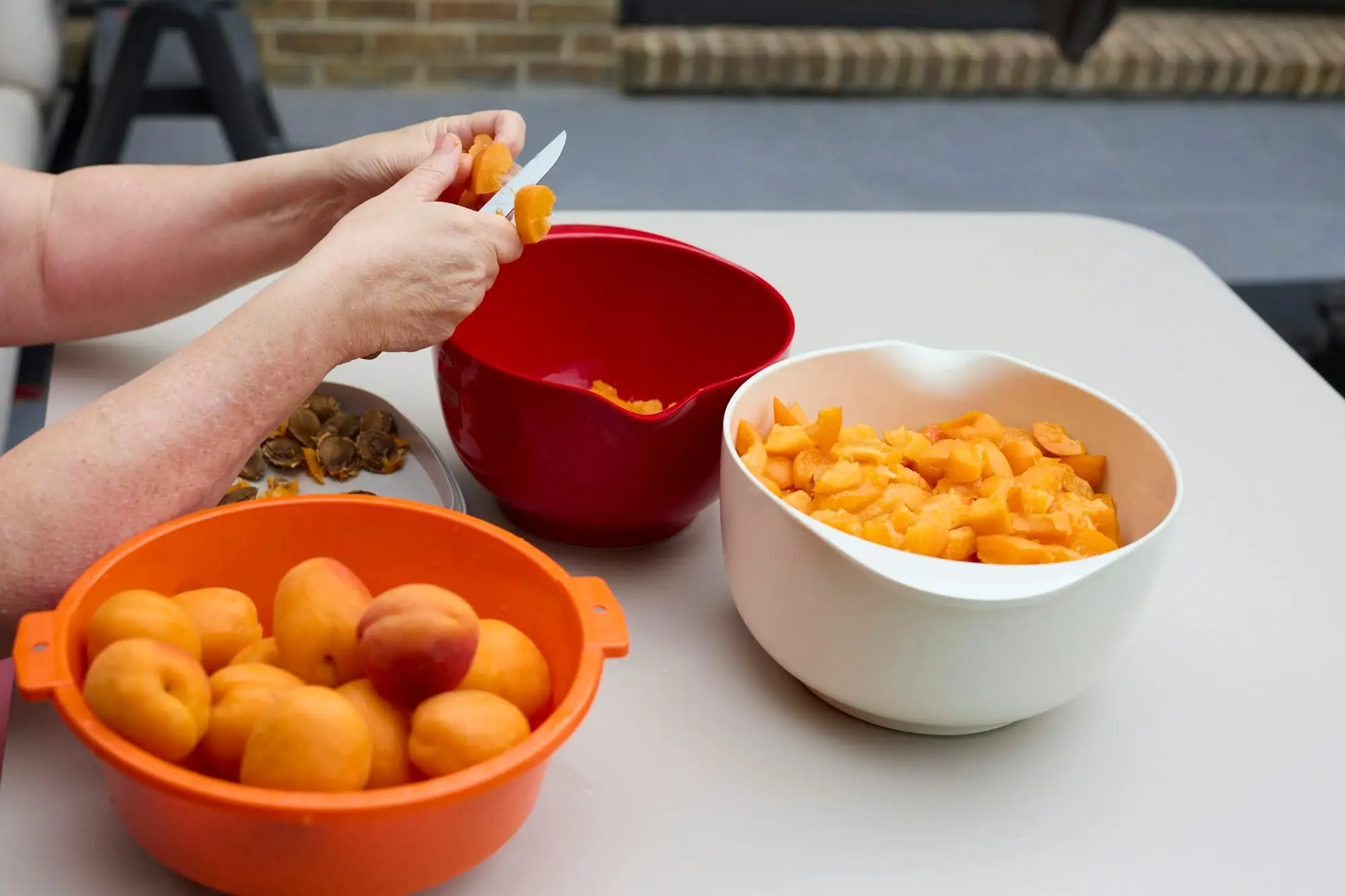
- Hand over real cooking jobs. In one experiment, 6- to 10-year-olds who helped a parent make lunch ate 76% more salad and 27% more chicken than children whose parent cooked alone, and they said they felt more in control.7 A review of cooking programs for 5- to 12-year-olds found they may improve children’s food preferences and attitudes too.8
- Let them choose within limits. “Which vegetable should we have this week?” works better than “Eat your broccoli.” The 2025–2030 Dietary Guidelines encourage making cooking fun in middle childhood and bringing adolescents into food shopping and cooking.9
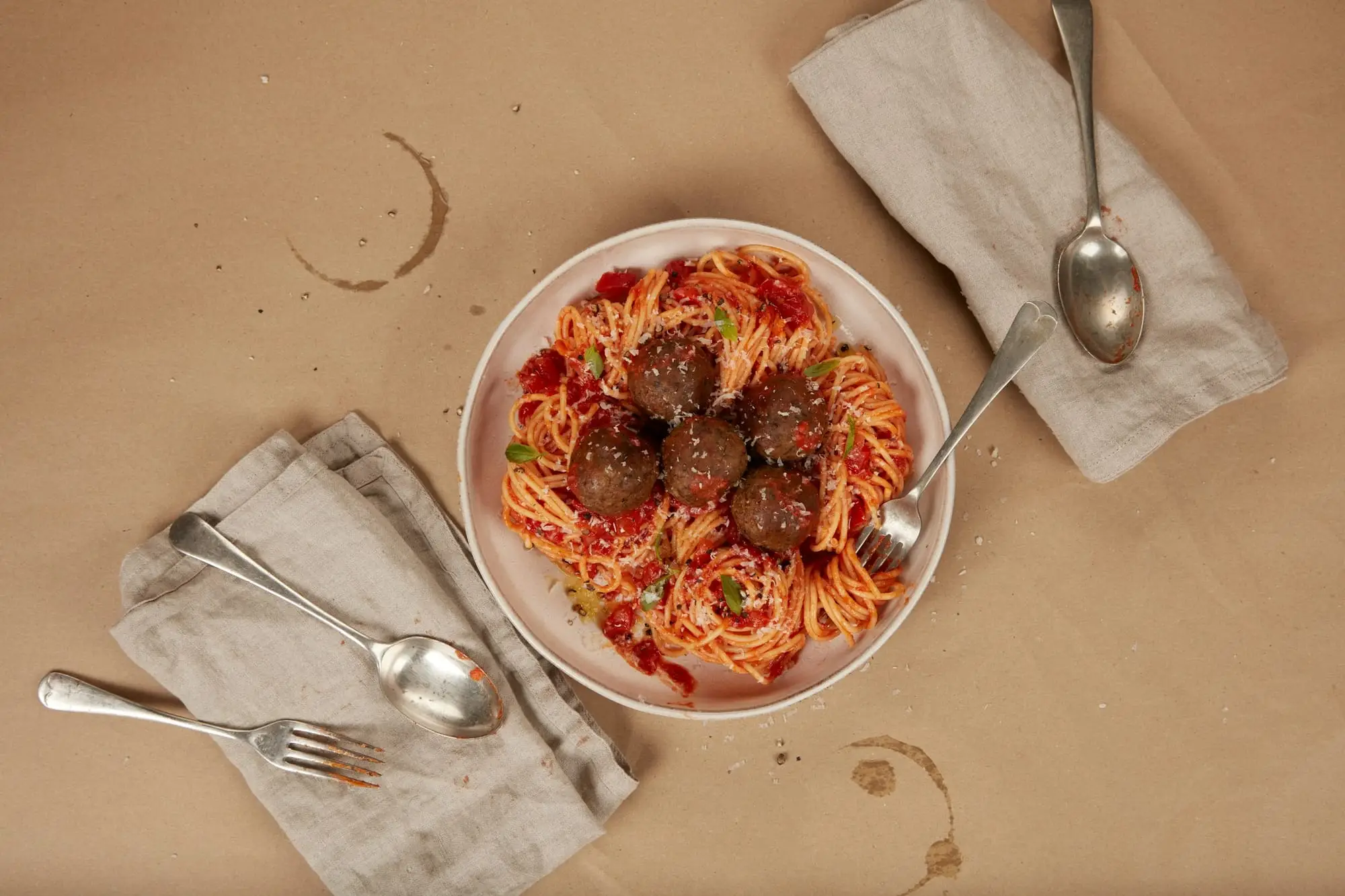
- Build out from safe foods. Change one thing at a time — a new sauce on a familiar pasta, a new fruit beside a favorite. The AAP calls these “food bridges.”10
- Stop the commentary. In the U.S. study, parents of picky eaters were more likely to report struggles over food and commenting on their child’s eating.1 A neutral “it’s there if you want it” takes the heat out of the table.
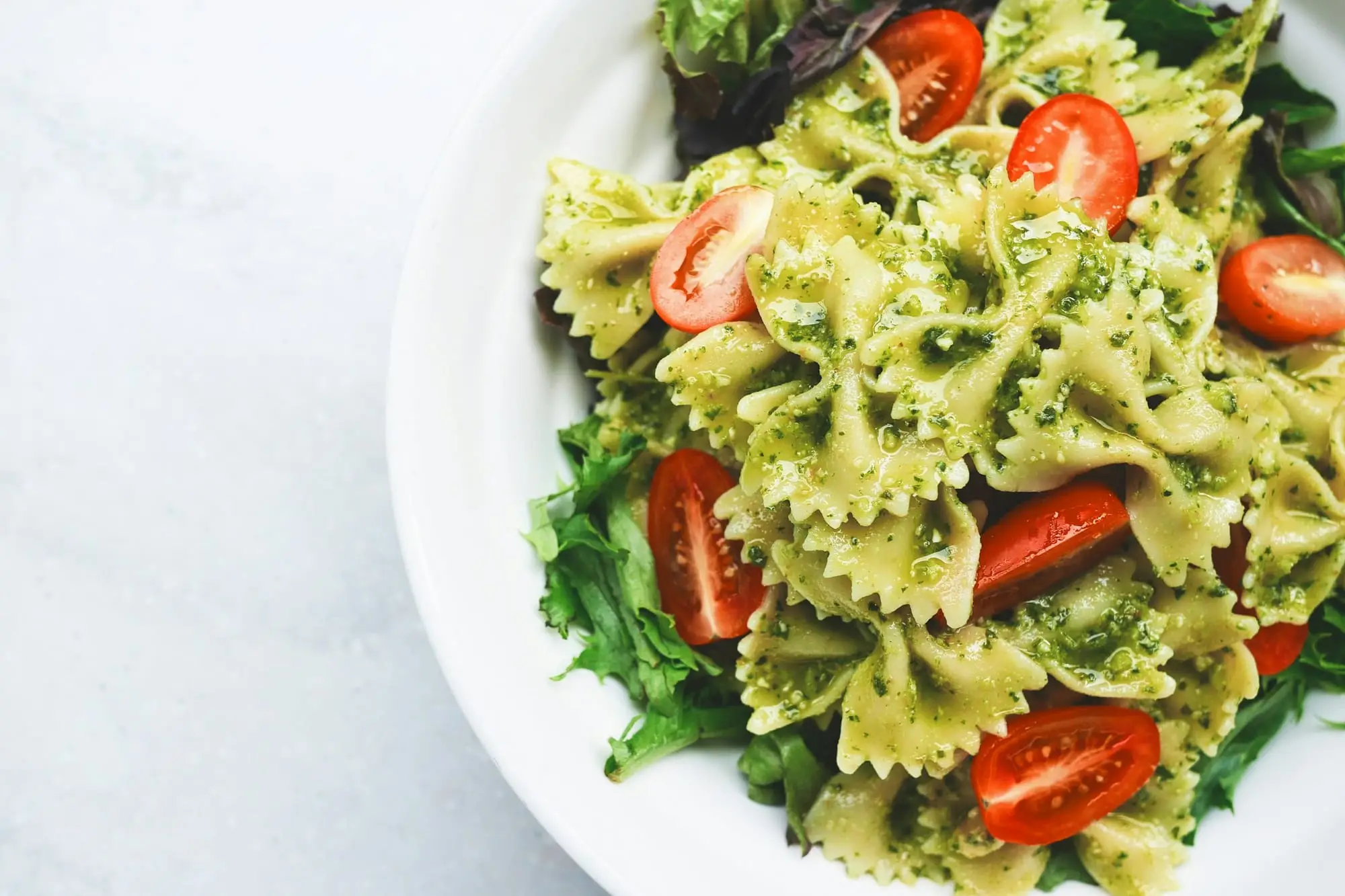
- Focus on vegetables. They’re the gap that lasts longest.3 Raw veg with a dip, a vegetable in a sauce they like, or soup they blended themselves all count.
If you’re still in the earlier stages with a younger sibling, our guides to a toddler who only eats carbs and a toddler who won’t eat dinner cover the same ideas for little kids. And if milk or meat is on the refused list, see calcium for kids who don’t like milk and how much protein a 10-year-old needs — both are easier to cover than they look.
School lunch for picky eaters
School is where preteens make the most food decisions on their own, and the research here is encouraging. In a 2025 ALSPAC study of 13-year-olds, preschool picky eaters were less likely than other children to have meat, fish, cheese or egg sandwiches, fruit or salad in their packed lunches. But at school dinners, where they chose for themselves, they ate roast meat and fruit about as often as their peers. Only vegetables and salad stayed low.6 The authors suggest family habits shape packed lunches more than the school canteen does, where peers have more influence.6
A packed lunch formula that works
- One sure thing. A food you know they’ll eat, so they won’t go hungry.
- One familiar protein. Cheese, yogurt, a hard-boiled egg, hummus or their favorite sandwich filling.
- One fruit or vegetable they already accept, and occasionally a small amount of something new beside it.
- Their name on the plan. Let them choose from options and pack it the night before.
It’s also worth letting them try school lunch some days, if that’s available. Eating with friends can do what a parent’s encouragement can’t.
Is it picky eating or ARFID?
Most children whose parents worry about their eating have a mild problem; a small percentage have a serious feeding disorder.13 One of these is ARFID (avoidant/restrictive food intake disorder). The NHS describes it as avoiding certain foods, limiting how much is eaten, or both — and it’s not driven by worries about weight or body shape.12
Possible reasons include strong negative reactions to the smell, taste or texture of foods, an upsetting past experience such as choking or being sick after eating, or simply a lack of interest in eating.12 That sensory piece is often what parents notice first: a child who gags at certain textures or won’t let foods touch on the plate. On its own that can be ordinary pickiness. It’s the combination with a shrinking food list, weight loss or real fear that’s worth raising.
Preteens are also at the age when other eating disorders start to appear. The NHS notes that teenagers and young adults are most often affected, and warning signs include eating very little, avoiding eating with others and dramatic weight loss.12 If your previously picky child suddenly starts talking about their body or “eating clean,” treat that as a new concern, not more of the same. Our eating habits hub has a side-by-side table of normal picky eating and the signs that need a closer look.
When to talk to your pediatrician
- Your child is losing weight, has dropped off their growth curve, or puberty seems delayed
- They eat a very small number of foods, and the list keeps getting shorter
- They gag, panic or get very distressed when new foods appear, or after choking or vomiting
- Food anxiety is stopping them from eating at school, at friends' houses or on trips
- They're talking about their weight or body shape, skipping meals or exercising a lot
Common questions
Is it normal for a 10-year-old to be a picky eater?
It's common. Most children grow out of picky eating by school age, but a smaller group stay picky for years. A U.S. study that followed children to age 11 found picky eating lasted more than 2 years in 40% of cases, without a significant effect on growth.
What should I feed a picky 11-year-old?
Start from the foods they already accept and build out in small steps, such as a new sauce on a familiar pasta or a new fruit beside a favorite. Keep one safe food at every meal, serve one family meal rather than cooking to order, and give them real jobs in planning and cooking.
My 10-year-old won't eat vegetables. What can I do?
Vegetables are the most common gap for older picky eaters. Let your child pick a vegetable at the store, prep it themselves, and choose how it's served — raw with a dip, roasted, or blended into a sauce. In one study, children who helped cook a meal ate 76% more salad.
What are good school lunches for picky eaters?
Pack one food you know they'll eat, one familiar fruit or vegetable, and a protein they like, such as cheese, yogurt or a favorite sandwich filling. Let them help plan and pack it. A UK study found older picky eaters chose more varied food at school dinners than in packed lunches.
When is picky eating actually ARFID?
ARFID (avoidant/restrictive food intake disorder) is a diagnosable eating disorder in which someone avoids foods or limits how much they eat, not because of weight or body shape. Signs include a very small and shrinking list of foods, weight loss, and strong fear or distress around eating. Talk to your pediatrician if you're concerned.
Sources
- Mascola AJ, Bryson SW, Agras WS. Eat Behav. 2010;11(4):253–7. Picky eating during childhood: a longitudinal study to age 11 years.
- Cardona Cano S, et al. Int J Eat Disord. 2015;48(6):570–9. Trajectories of picky eating during childhood: a general population study.
- Taylor CM, Hays NP, Emmett PM. Nutrients. 2019;11(4):807. University of Bristol (ALSPAC). Diet at age 10 and 13 years in children identified as picky eaters at age 3 years and in children who are persistent picky eaters in a longitudinal birth cohort study.
- Diamantis DV, Emmett PM, Taylor CM. Appetite. 2023;183:106483. University of Bristol (ALSPAC). Effect of being a persistent picky eater on feeding difficulties in school-aged children.
- Taylor CM, Steer CD, Hays NP, Emmett PM. Eur J Clin Nutr. 2019;73(6):869–78. University of Bristol (ALSPAC). Growth and body composition in children who are picky eaters: a longitudinal view.
- Kemp A, Emmett PM, Taylor CM. J Hum Nutr Diet. 2025;38(3):e70063. University of Bristol (ALSPAC). Do children who were preschool picky eaters eat different foods at school lunch when aged 13 years than their non-picky peers?.
- van der Horst K, Ferrage A, Rytz A. Appetite. 2014;79:18–24. Involving children in meal preparation. Effects on food intake.
- Hersch D, et al. Prev Chronic Dis. 2014;11:E193. The impact of cooking classes on food-related preferences, attitudes, and behaviors of school-aged children: a systematic review of the evidence, 2003–2014.
- U.S. Departments of Agriculture and Health and Human Services. 2026. Dietary Guidelines for Americans, 2025–2030.
- American Academy of Pediatrics, HealthyChildren.org. 10 Tips for Parents of Picky Eaters.
- Ellyn Satter Institute. Division of Responsibility in Feeding.
- NHS. Eating disorders: overview.
- Kerzner B, et al. Pediatrics. 2015;135(2):344–53. A practical approach to classifying and managing feeding difficulties.
This article is for general information and isn't a substitute for advice from your child's doctor. Our editorial standards.