On this page
The short version
- A picky 2-year-old needs the same small plate as any toddler, and the AAP says it is normal to choose from a limited number of foods.
- Start from a food they already accept and add one protein, one fruit or vegetable and one new food in a tiny amount.
- Pair plant iron (beans, fortified cereal) with a vitamin C food such as berries or tomato.
- Cut food small and cook it soft; skip nuts and popcorn until age 4.
What should a picky 2-year-old eat?
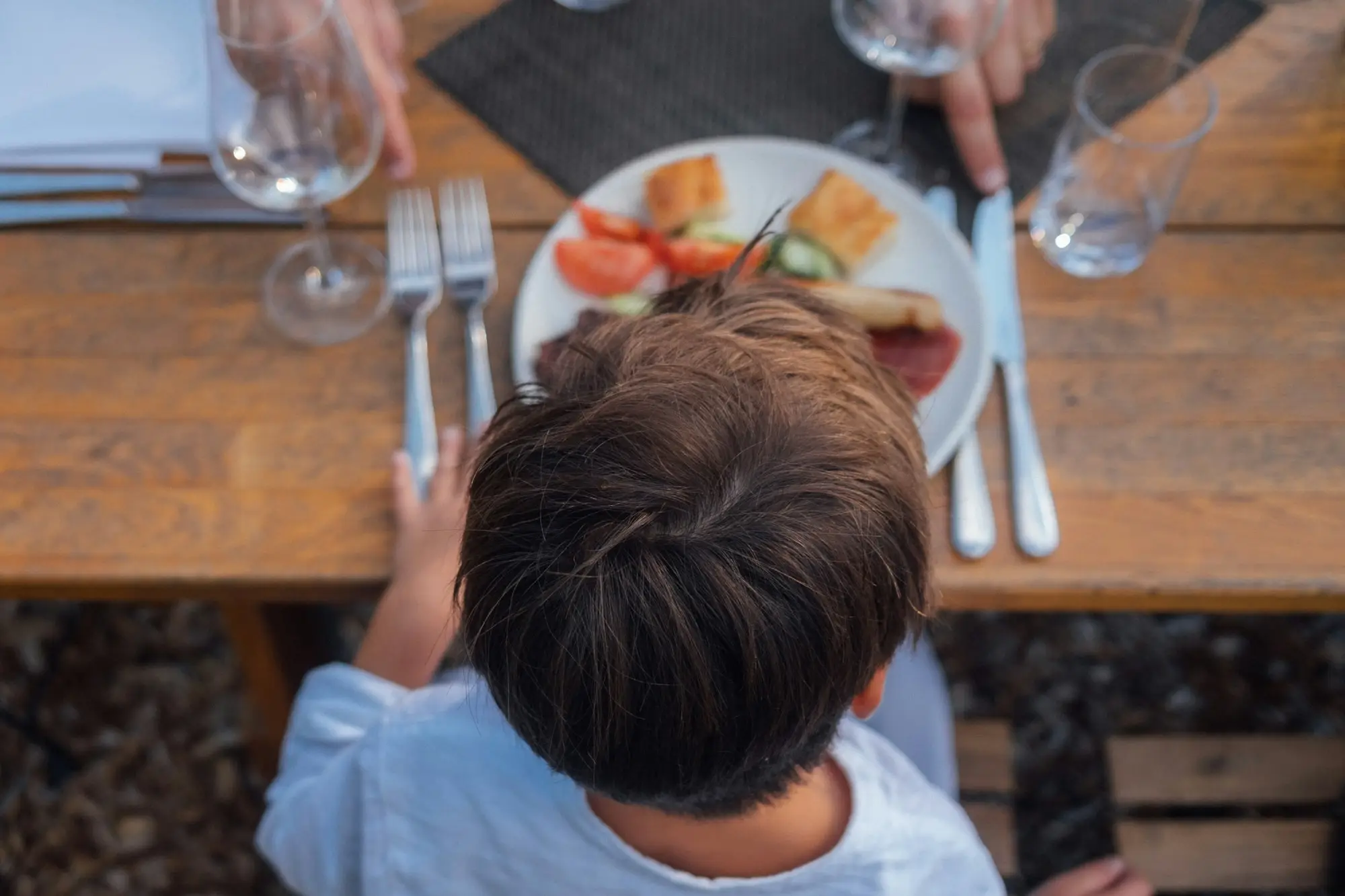
The same foods as any 2-year-old, just in small portions and in combinations they’ll accept. The American Academy of Pediatrics (AAP) says it is normal for toddlers to choose from a limited number of foods.1 Your job is to keep a few good options on the table, not to get every food eaten.
The AAP’s sample dinner for a 2-year-old is 2 ounces of fish, meat or cooked beans, ⅓ cup of pasta, rice or potato, ⅓ cup of vegetables and ½ cup of milk or yogurt.2 A toddler’s serving is about one-quarter of an adult’s, so that plate looks small.3
| Meal | Sample menu |
|---|---|
| Breakfast | 1 egg, ½ cup iron-fortified cereal or 1 slice of toast, ⅓ cup fruit, ½ cup milk |
| Lunch | ½ sandwich (1 oz meat or fish, cheese, a vegetable), carrot sticks cooked soft or 2 tbsp vegetable, ½ cup fruit, ½ cup milk |
| Snacks | Crackers with cheese or hummus, or fruit; yogurt or milk |
| Dinner | 2 oz fish, meat or cooked beans, ⅓ cup grain, ⅓ cup vegetables, ½ cup milk or yogurt |
The menu is built for a toddler of about 27 pounds, so a bigger or hungrier child may eat more.2 For the whole day, see what a 2-year-old should eat in a day.
Meal ideas built on a food they already like
Start with the safe food, then add one thing next to it. The idea is that the plate always has something your toddler will eat.
| If they'll eat… | Try this meal | How to serve it at 2 |
|---|---|---|
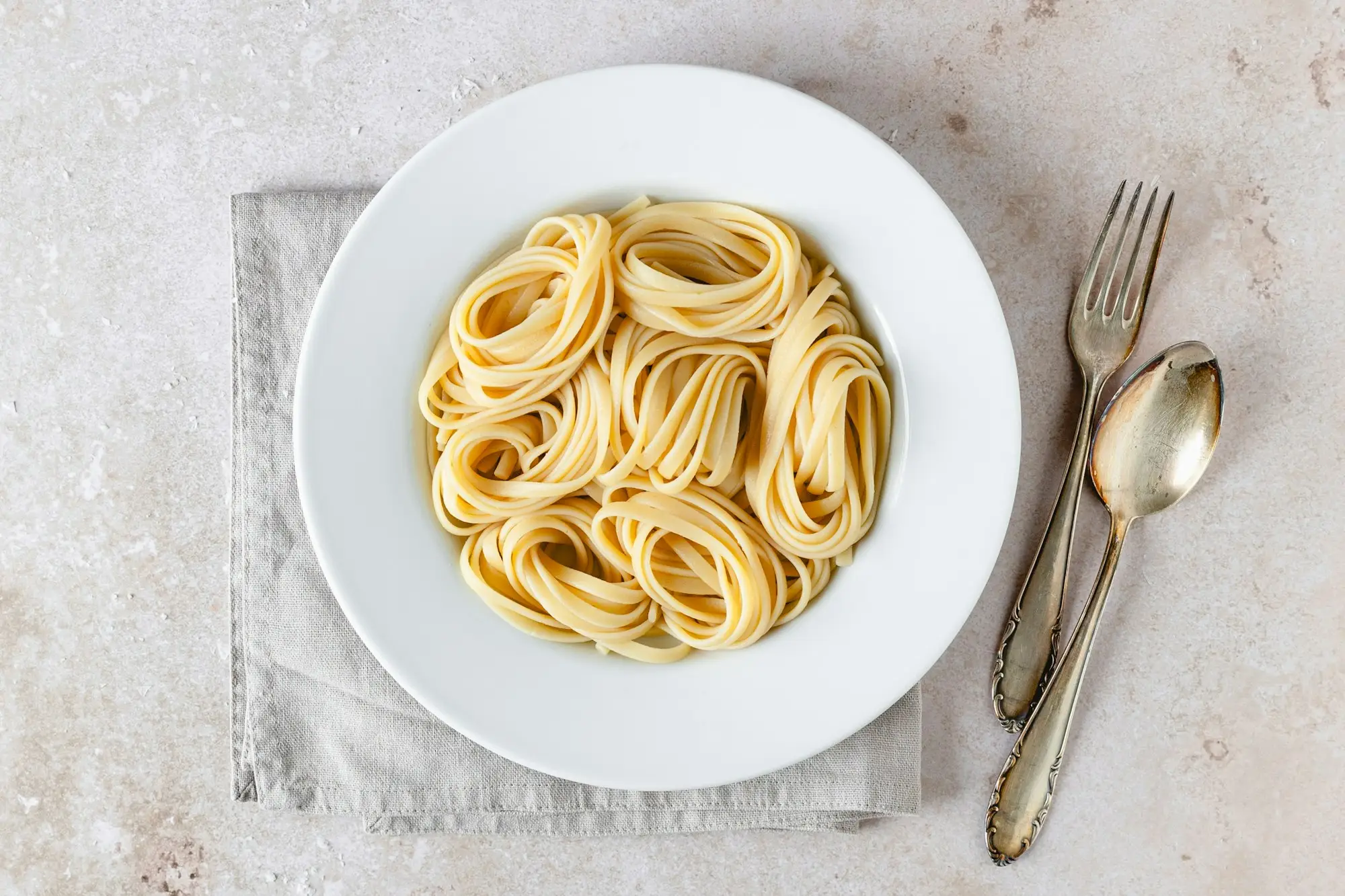
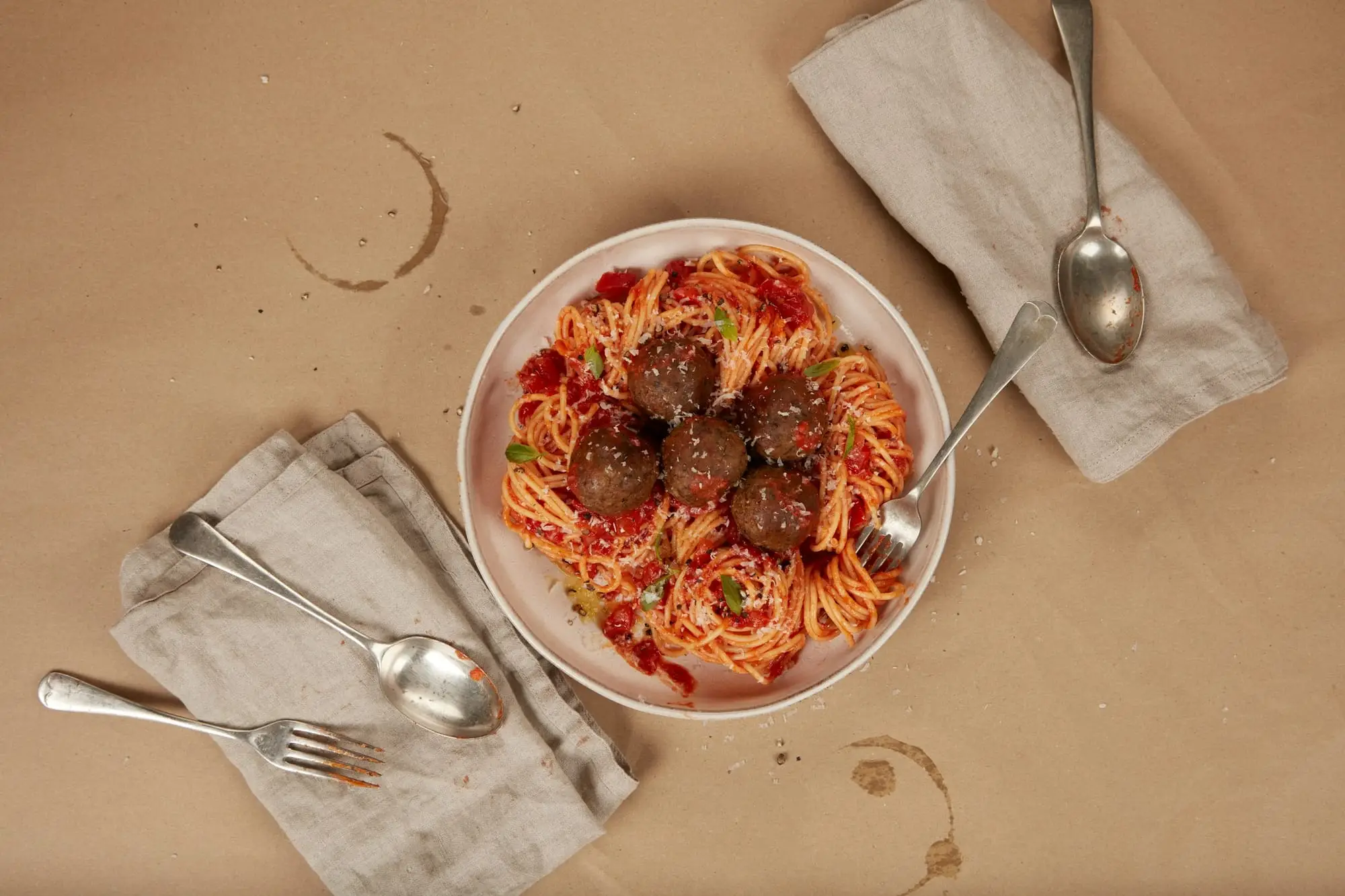
| Pasta | Pasta with tomato sauce and finely minced meat or lentils | Mince meat very small; cook lentils soft |
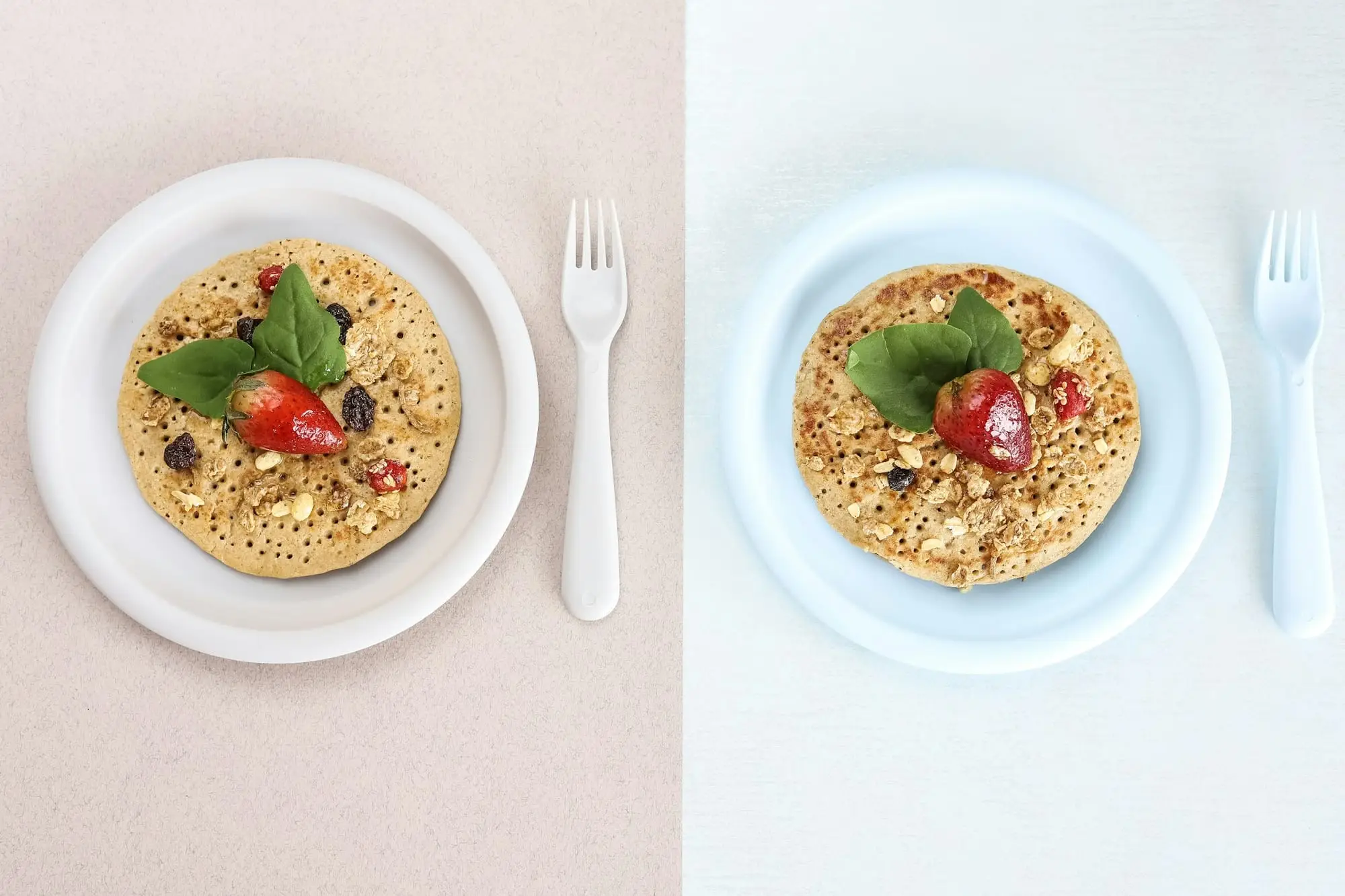
| Cereal or toast | Iron-fortified cereal with strawberries, plus milk | Cut strawberries into small pieces |
| Bread | Half sandwich with meat, fish or cheese and avocado or tomato | Cut into strips; slice fillings thin |
| Eggs | Scrambled egg strips with toast and fruit | Scramble into small bits |
| Anything with a dip | Hummus or mashed beans with soft cooked carrot or cucumber sticks | Cook carrots until soft; cut sticks thin |
| Yogurt | Plain yogurt with berries and a little oatmeal | Mash or quarter berries |
| Cheese | Bean and cheese quesadilla strips with a fruit side | Mash beans well; cut into small strips |
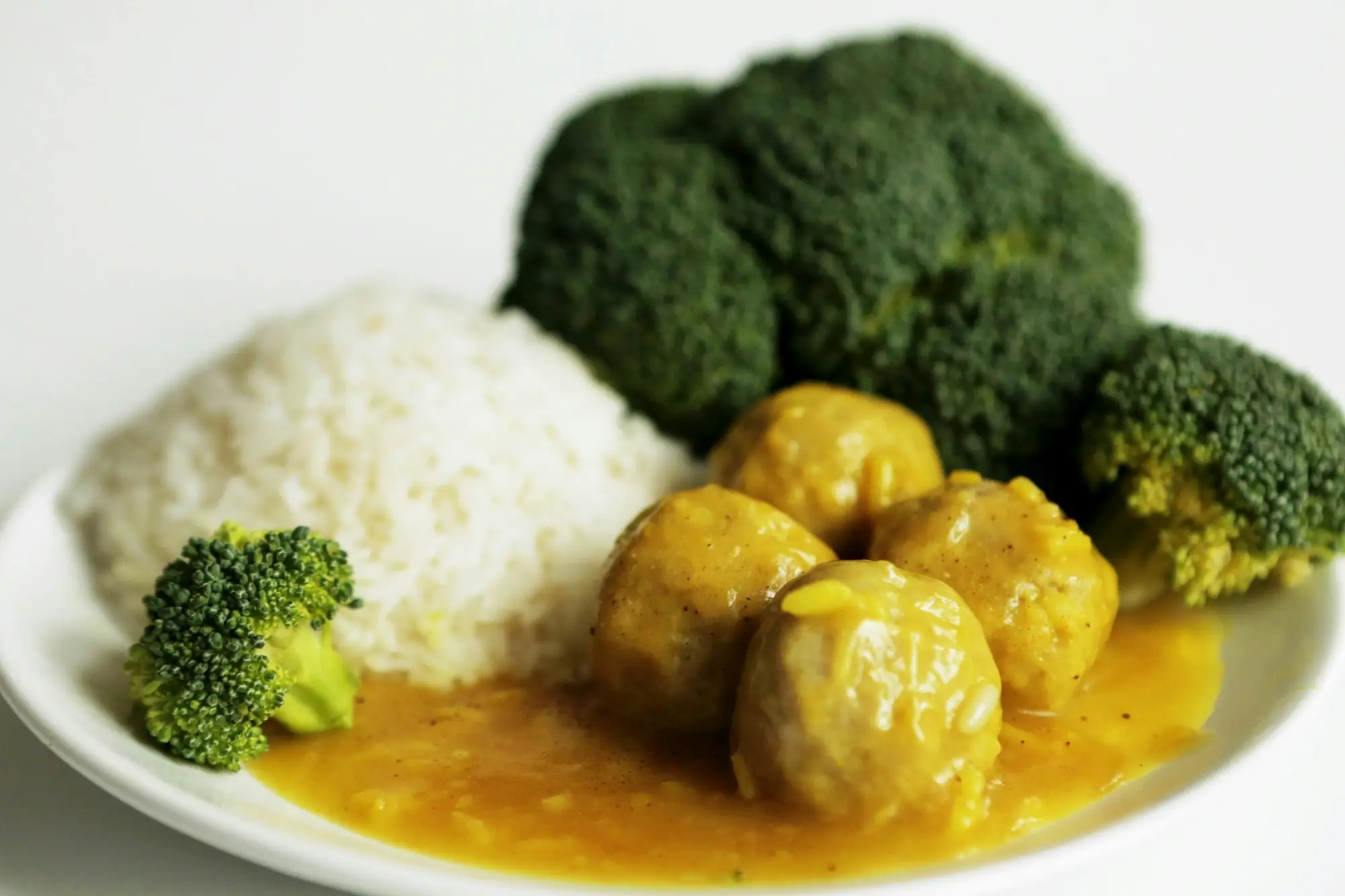
| Rice | Rice with shredded chicken and soft peas | Shred chicken finely; mash peas lightly |
Several of these come from the AAP’s own sample menu: the egg, cereal and toast, the half sandwich and the cheese-and-hummus snack.2 The rest are common family foods cut to toddler size.
How to build a picky-eater plate in a minute
The safe-food-plus-one plate
- Start with the safe food. Whatever your toddler reliably eats goes on first, in a toddler-sized portion.
- Add one protein. Egg, meat, fish, beans, cheese or yogurt. The AAP’s toddler serving is 1 ounce of meat or 2 to 3 tablespoons of beans.3
- Add one fruit or vegetable. The AAP’s serving is 1 to 2 tablespoons.3 A tiny amount counts.
- Add one “maybe” food. A single piece of something new, with no comment and no pressure.
Leftovers help here. A spoonful of last night’s beans or shredded chicken costs you nothing and keeps the plate varied.
Where the nutrients come from
Iron is the one parents worry about most with picky eaters. The CDC lists meat, seafood, poultry and eggs as sources of heme iron, and iron-fortified cereal, tofu, beans and lentils as sources of non-heme iron.6 Pairing plant sources of iron with vitamin C foods, such as berries, tomatoes, broccoli, citrus or sweet potatoes, can help the body absorb it.6 That’s why the cereal meal above comes with strawberries and the pasta comes with tomato sauce. For more, see how much iron a toddler needs.
How do I add a new food without a fight?
Change one thing at a time and keep it low-key. These steps come from the CDC and the AAP:
- Put it next to something familiar. The CDC suggests mixing a new food with one your child likes.4
- Eat it yourself. Try eating the food first to show your child you like it.4
- Give a small choice. The AAP says the best approach is to let your child choose from 2 to 3 healthy options.1 Letting them help pick or prepare a fruit or vegetable also helps.5
- Serve tiny amounts and a dip. The AAP advises offering new foods in small amounts, and notes that toddlers tend to enjoy any food involving a dip.5
- Don’t push. Pressuring kids to eat can make them actively dislike foods they might otherwise like.5 Never force your child to eat something they don’t want.1
- Keep offering. It may take 8 to 10 exposures before a young child is willing to try a new food.4
Not wanting foods to touch each other on the plate is also a normal behavior at this age.4 A divided plate or a muffin tin can help.
Does a “bad” meal matter?
Usually not on its own. The AAP’s serving chart is an average daily intake, and it says a toddler eating something similar to it will get the calories, protein, vitamins and minerals they need.3 So look across the day, and across the week, rather than at one dinner.
If your toddler mostly eats one type of food, our guides to a toddler who only eats carbs and a toddler who won’t eat meat have more specific ideas. For dinner that gets refused, see toddler won’t eat dinner and our 2-year-old dinner ideas. For older preschoolers, see what helps a 4-year-old who won’t eat anything.
How do I serve picky-eater foods safely?
Choosy eaters often rely on a few finger foods, and several common ones are choking risks. The AAP says to keep high-risk foods from children until they are 4 or older.7 Round, firm foods such as hot dogs or grapes can be served only if completely chopped into tiny pieces.7 Cut food into pieces no larger than one-half inch.7
If you use nut butter on toast or crackers, spread it thinly rather than in thick chunks.7 And have your child sit to eat: never let them run, walk, play or lie down with food in their mouths.7
What about a picky 5-year-old?
The approach doesn’t change: a familiar food on the plate, small tries of new ones, no pressure and plenty of repeats. The meals above work with bigger portions, and an older child can take on more of the choosing and cooking. See what a 5-year-old should eat in a day for portions, and our guide to a picky eater at 10 if it’s lasting longer.
When to talk to your pediatrician
Call your child's doctor if
- Your child is losing weight or has stopped growing along their usual curve
- They accept only a handful of foods and refuse whole food groups for weeks
- They cough, gag or choke often when eating, or have trouble swallowing
- Mealtimes cause real distress, or they seem fearful of food
- They have swelling, hives or vomiting soon after eating a food
The AAP suggests talking with your pediatrician to make sure your child is getting all the nutrients they need to grow and develop.5 If you’re wondering about a vitamin or other supplement, ask them first; they can tell you whether your child needs one and how much.
Common questions
What do you feed a picky 2-year-old?
The same foods as any 2-year-old, in small portions. The AAP's sample day includes egg, cereal or toast, fruit, a small sandwich, vegetables, milk or yogurt, and 2 ounces of fish, meat or cooked beans at dinner.
How do I get a picky toddler to eat vegetables?
Offer them in small amounts, pair them with a dip, and let your child help choose or prepare them. The AAP notes that toddlers often enjoy any food involving a dip, and pressuring them can make them dislike foods they might otherwise like.
How many times should I offer a food my toddler refuses?
Keep offering it. The CDC says it may take 8 to 10 exposures before a young child is willing to try a new food.
Should I make a separate meal for my picky eater?
Usually not. The AAP suggests letting your child choose from 2 to 3 healthy options, and never forcing them to eat something they don't want.
What about picky 5-year-olds?
The approach is the same: calm, repeated offers, a familiar food on the plate and no pressure. Portions are bigger, so see our guide to what a 5-year-old should eat in a day.
Sources
- American Academy of Pediatrics, HealthyChildren.org. Feeding & Nutrition Tips: Your 2-Year-Old.
- American Academy of Pediatrics, HealthyChildren.org. Sample Menu for a 2-Year-Old Child.
- American Academy of Pediatrics, HealthyChildren.org. Serving Sizes for Toddlers.
- Centers for Disease Control and Prevention. Picky Eaters and What to Do.
- American Academy of Pediatrics, HealthyChildren.org. 10 Tips for Parents of Picky Eaters.
- Centers for Disease Control and Prevention. Iron — Infant and Toddler Nutrition.
- American Academy of Pediatrics, HealthyChildren.org. Choking Prevention for Babies & Children: What Every Parent Needs to Know.
This article is for general information and isn't a substitute for advice from your child's doctor. Our editorial standards.