Nutrients
Children aged 1 to 3 need about 13 g of protein, 7 mg of iron, 700 mg of calcium and 600 IU of vitamin D a day, rising to 34 g of protein, 8 mg of iron and 1,300 mg of calcium by ages 9 to 13, according to the U.S. Dietary Reference Intakes. Most of these come easily from everyday food; the ones U.S. children most often fall short on are calcium, vitamin D, fiber and potassium.
Start here
The essential guides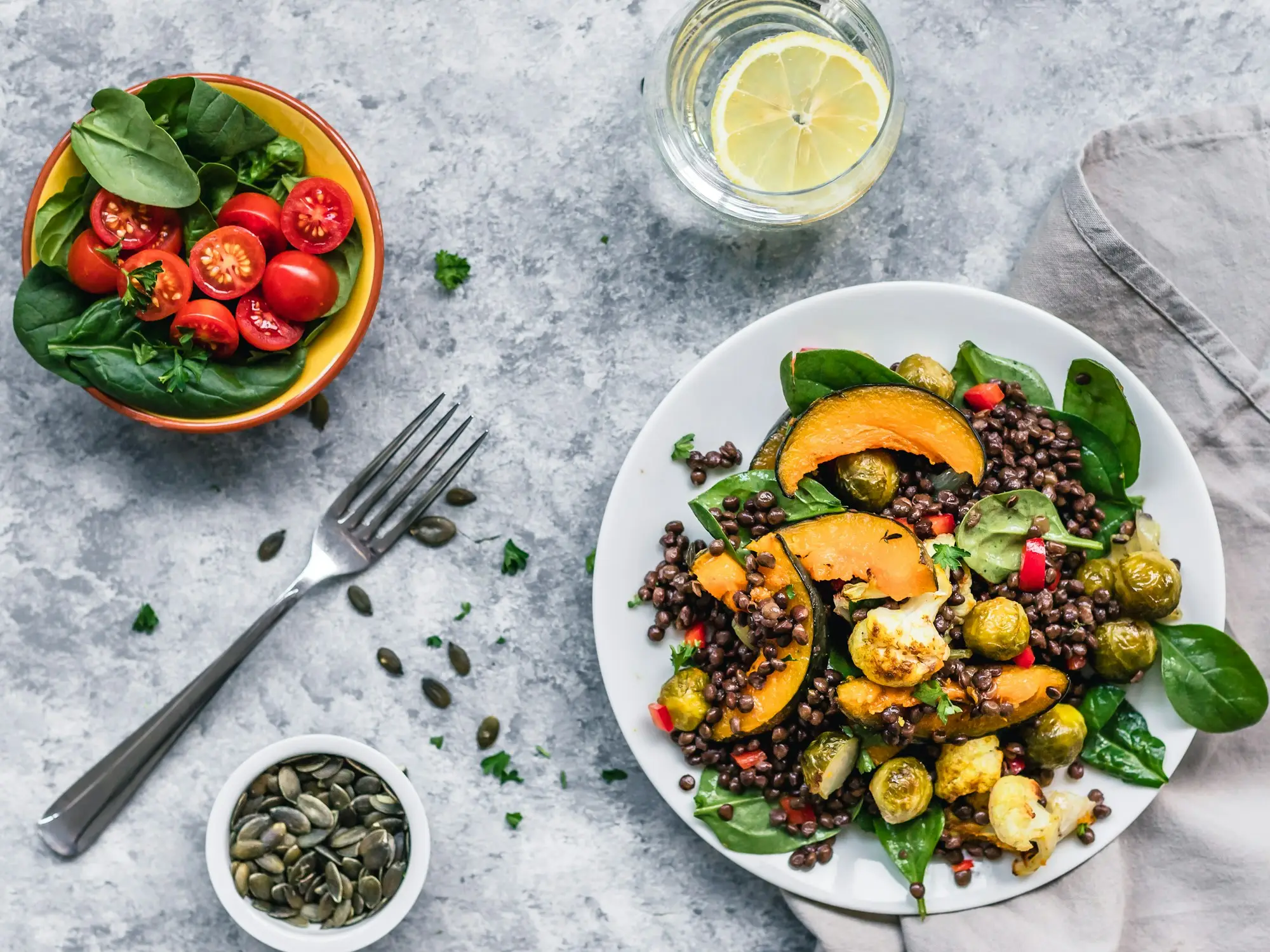
How much iron does a toddler need?
What 7 milligrams looks like on a real plate, which foods do the heavy lifting, and the everyday drink that quietly gets in the way.
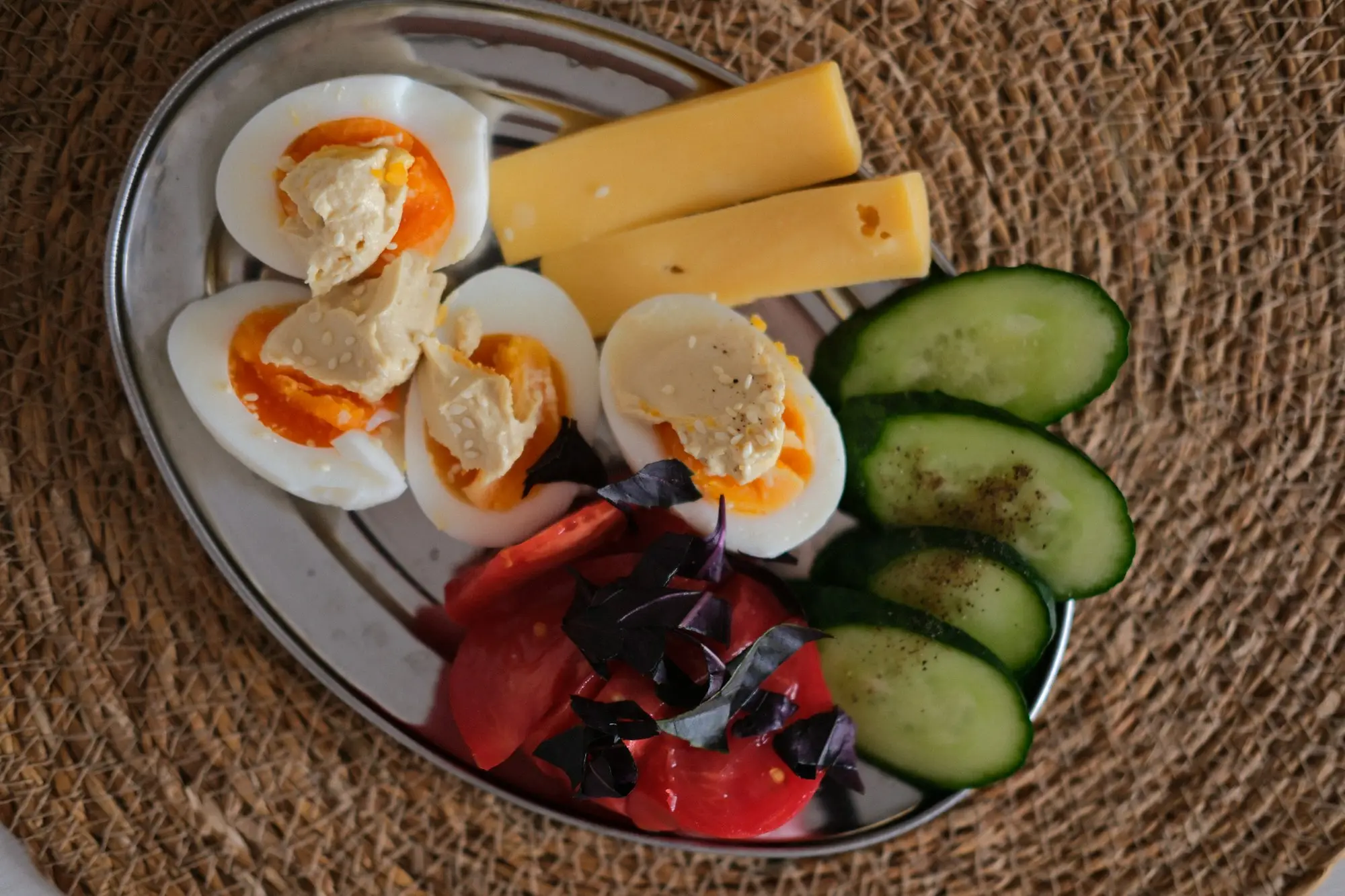
How much protein does a toddler need?
About 13 grams a day — less than most parents think. What that looks like per meal, why most toddlers already get enough, and how plant-based families can cover it.
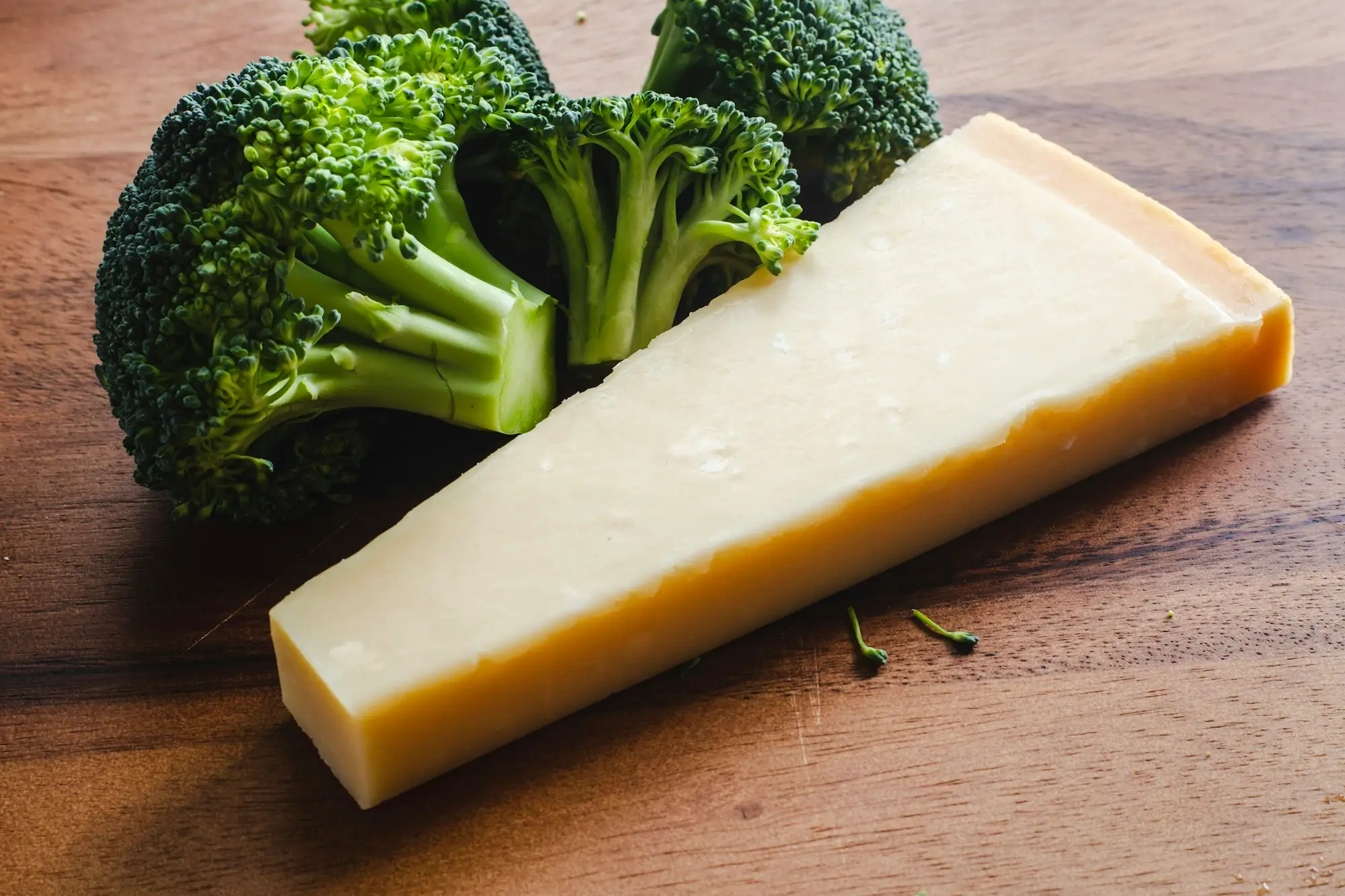
Calcium for kids who don't like milk
Ages 9 to 13 need more calcium than at almost any other time — 1,300 mg a day. How to get there without a glass of milk, what to check on fortified drinks, and when a supplement is worth discussing.
Nutrient needs by age at a glance
These are the daily amounts in the U.S. Dietary Reference Intakes, set by the National Academies and published in the NIH fact sheets: protein and fiber,1 iron,2 calcium,3 vitamin D,4 vitamin C,5 vitamin A6 and zinc.7 The same figures appear in the Dietary Guidelines for Americans.8
| Nutrient | 1–3 years | 4–8 years | 9–13 years |
|---|---|---|---|
| Protein | 13 g | 19 g | 34 g |
| Fiber (AI) | 19 g | 25 g | 26 g (girls), 31 g (boys) |
| Iron | 7 mg | 10 mg | 8 mg |
| Calcium | 700 mg | 1,000 mg | 1,300 mg |
| Vitamin D | 600 IU (15 mcg) | 600 IU (15 mcg) | 600 IU (15 mcg) |
| Vitamin C | 15 mg | 25 mg | 45 mg |
| Vitamin A | 300 mcg RAE | 400 mcg RAE | 600 mcg RAE |
| Zinc | 3 mg | 5 mg | 8 mg |
Every figure here is a Recommended Dietary Allowance (RDA) except fiber. An RDA covers the needs of nearly all (97–98%) healthy children in an age group, so most children need a little less; an Adequate Intake (AI) is set when the evidence isn’t strong enough for an RDA, and is less certain.1 Fiber is also the number where sources disagree most — we use about 14 g a day at ages 2–3 as the everyday target, and the fiber guide explains why.
Where kids most often fall short
The 2020–2025 Dietary Guidelines for Americans name four nutrients of public health concern for children and teens: calcium, vitamin D, potassium and dietary fiber.8 Most American children don’t eat enough vegetables, fruits, whole grains and (as they get older) dairy, and these nutrients are what go missing. Vitamin D is the hardest to get from food alone; the Guidelines note it usually takes fortified foods, and sometimes a supplement.8
Fiber shows the biggest gap. One U.S. study found most children aged 2 to 18 fell short of the recommended amount by more than 60%.11 Protein, by contrast, is rarely a problem — the Guidelines found children generally meet their targets, with teenage girls the main exception; teenage girls also often get too little iron.8
A few groups need closer attention. Children who drink a lot of milk can run low on iron (see how much iron a toddler needs), and children on vegan diets need vitamin B12 from a supplement or fortified foods.10 Otherwise, the AAP’s view is that healthy children eating a varied diet don’t need vitamin supplements.9
🫘Iron
How much iron toddlers and kids need, which foods do the heavy lifting, and why too much milk is one of the most common reasons iron runs low.
How much iron does a toddler need?
What 7 milligrams looks like on a real plate, which foods do the heavy lifting, and the everyday drink that quietly gets in the way.
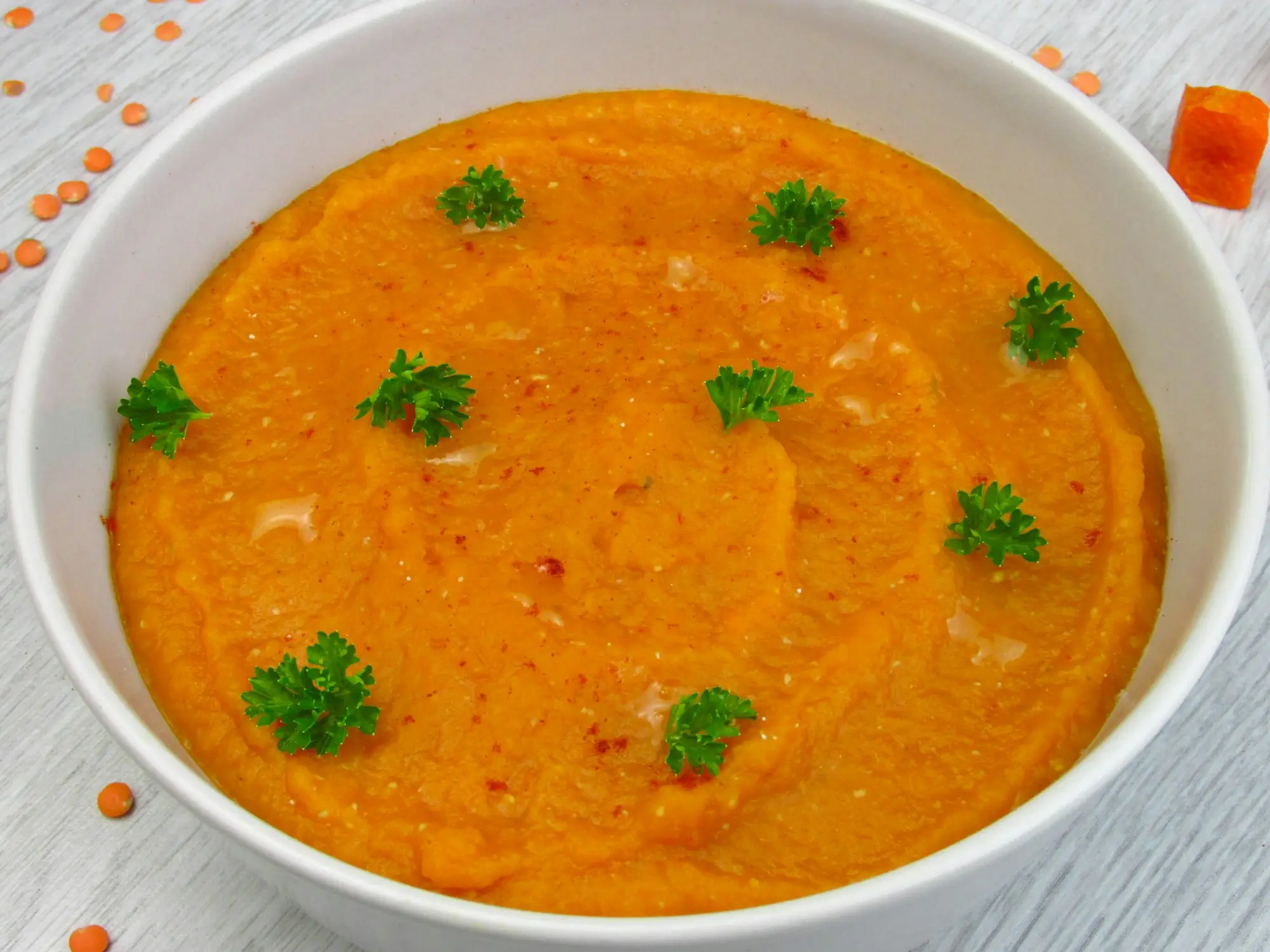
Iron-rich foods for babies
Babies 7 to 12 months need more iron than toddlers do. Which first foods carry the most, what a baby portion actually delivers, and the simple pairing that helps them absorb it.
🥚Protein
Toddlers need less protein than most parents think. What 13 grams a day looks like, per meal and on a plant-based plate.
How much protein does a toddler need?
About 13 grams a day — less than most parents think. What that looks like per meal, why most toddlers already get enough, and how plant-based families can cover it.

How much protein does a 10-year-old need?
About 34 grams a day — and most preteens already eat more than that. What it looks like on a plate, whether boys and girls differ, and what young athletes really need.

How much protein does a baby need?
About 11 grams a day in the second half of the first year — and milk is already doing most of the work. What a baby portion of egg, yogurt, beans or chicken adds, and how to serve each one safely.
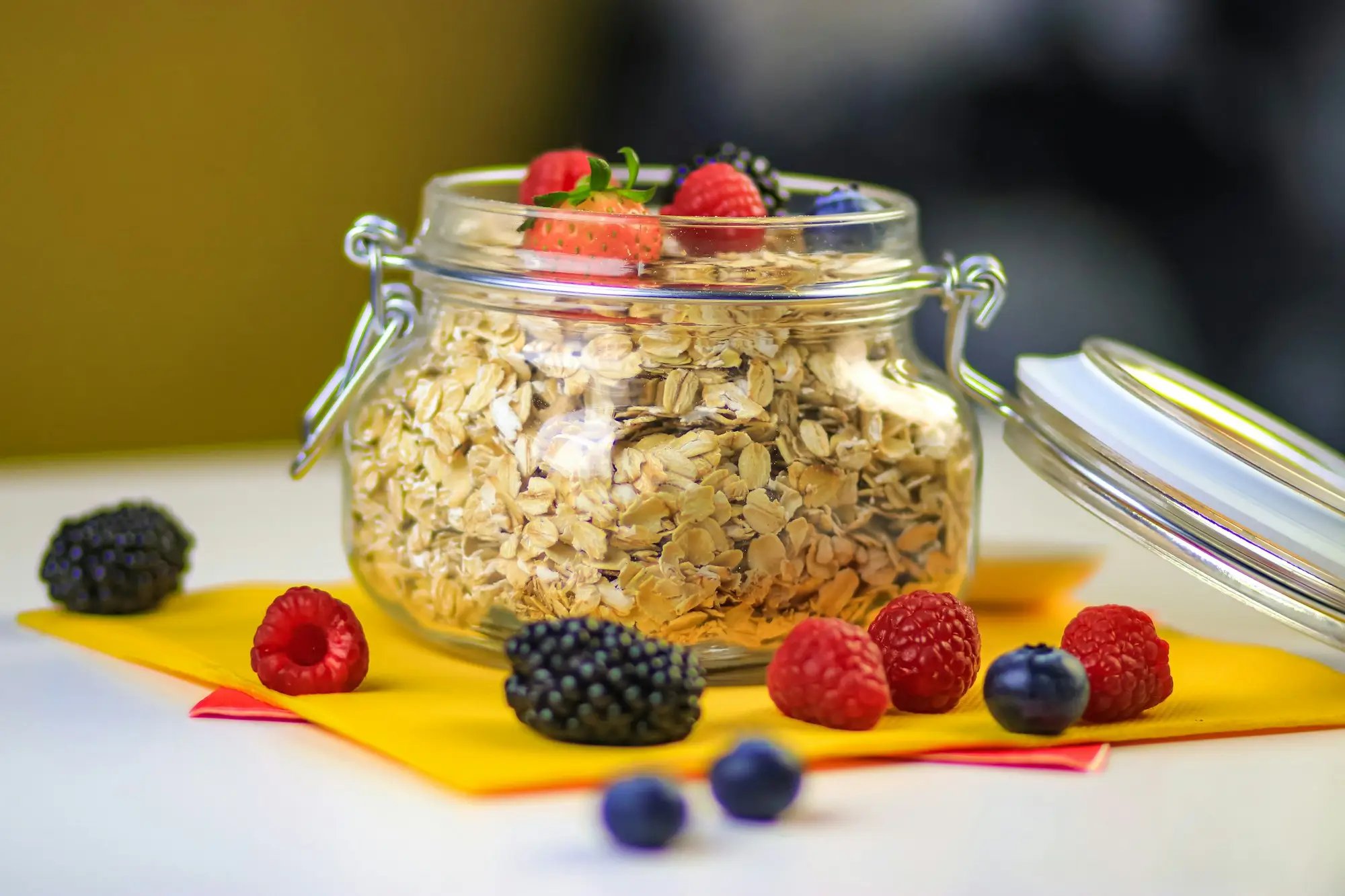
🌾Fiber
Why you'll see three different fiber numbers for children, which one we use, and the easy swaps that add fiber without a fight.
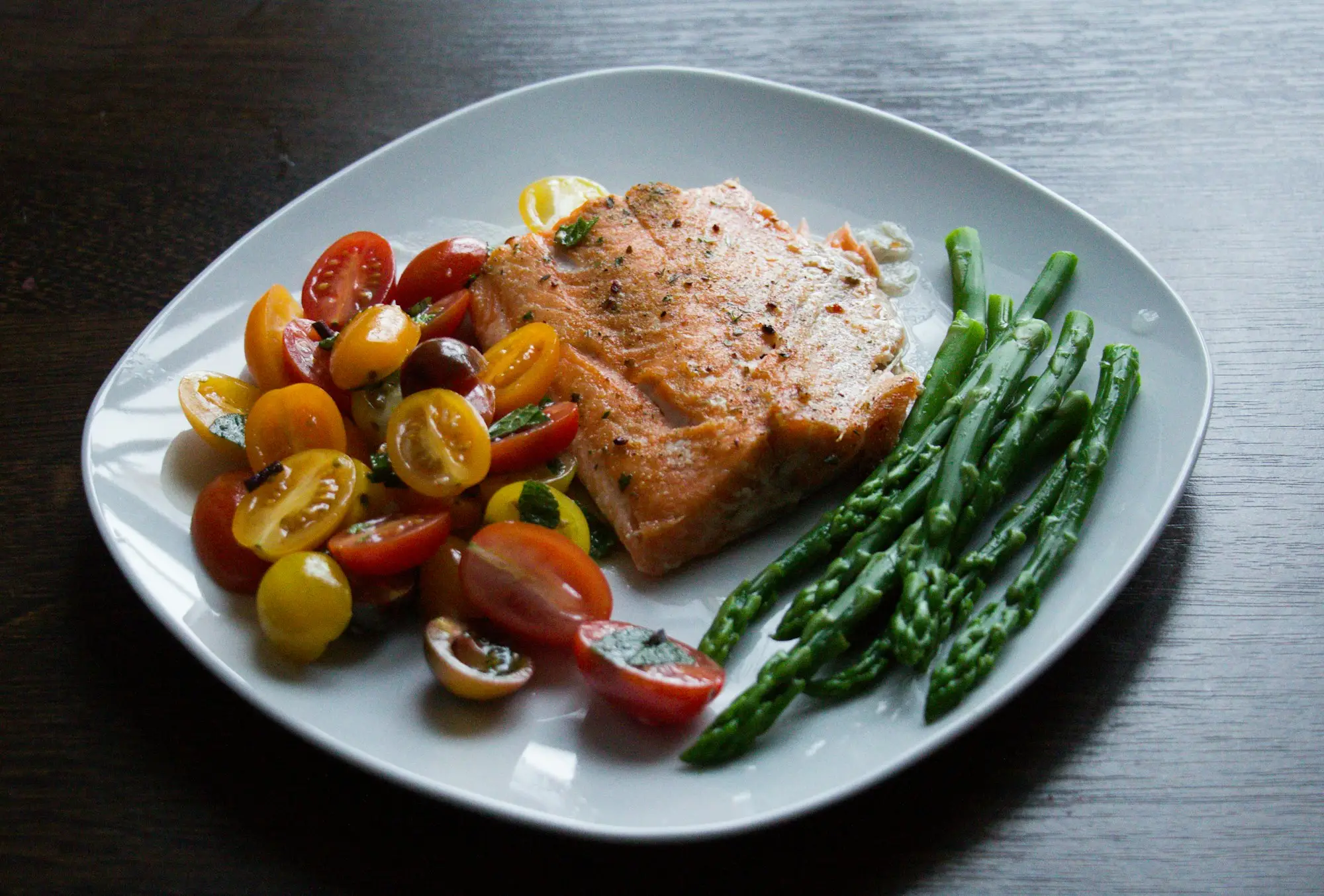
🐟Omega-3 & DHA
The best DHA foods for toddlers, how much fish is safe at each age, and what the evidence says about omega-3 supplements.
🧀Calcium
The bone-building years peak at 9 to 13. How to reach 1,300 mg, with or without milk.
☀️Vitamin D
Few foods supply much of it — who needs drops, from babies up.

Common questions
How much protein, iron, calcium and fiber does a child need by age?
Ages 1–3: 13 g protein, 7 mg iron, 700 mg calcium and 19 g fiber a day. Ages 4–8: 19 g protein, 10 mg iron, 1,000 mg calcium and 25 g fiber. Ages 9–13: 34 g protein, 8 mg iron, 1,300 mg calcium and 26 g (girls) or 31 g (boys) fiber. These are the U.S. Dietary Reference Intakes.
Do kids need vitamin or mineral supplements?
Most don't. The American Academy of Pediatrics says healthy children eating a normal, well-balanced diet don't need vitamin supplements beyond the recommended amounts. Children on vegan diets need a reliable source of vitamin B12, and your pediatrician may suggest vitamin D or iron in some cases — ask before starting anything.
Which nutrients are kids most often short on?
The 2020–2025 Dietary Guidelines for Americans name calcium, vitamin D, potassium and dietary fiber as nutrients of public health concern for children and teens, because many don't get enough. Teenage girls also often fall short on iron.
Can a picky eater still meet their nutrient needs?
Usually, yes. Nutrient targets are averages over days and weeks, not per meal, and U.S. surveys show most children already eat enough protein. Offering a fruit or vegetable, a dairy food and a protein food across the day covers most needs, even when individual meals are refused.
What's the difference between an RDA and an AI?
A Recommended Dietary Allowance (RDA) is the daily amount that meets the needs of nearly all (97–98%) healthy people in an age group. An Adequate Intake (AI) is used when there isn't enough evidence to set an RDA; it's believed to cover needs, but with less certainty.
Sources
- Institute of Medicine (National Academies), via NCBI Bookshelf. Dietary Reference Intakes: Recommended Dietary Allowances and Adequate Intakes, Total Water and Macronutrients.
- NIH Office of Dietary Supplements. Iron: Fact Sheet for Health Professionals.
- NIH Office of Dietary Supplements. Calcium: Fact Sheet for Health Professionals.
- NIH Office of Dietary Supplements. Vitamin D: Fact Sheet for Health Professionals.
- NIH Office of Dietary Supplements. Vitamin C: Fact Sheet for Health Professionals.
- NIH Office of Dietary Supplements. Vitamin A and Carotenoids: Fact Sheet for Health Professionals.
- NIH Office of Dietary Supplements. Zinc: Fact Sheet for Health Professionals.
- U.S. Department of Agriculture and U.S. Department of Health and Human Services. 2020. Dietary Guidelines for Americans, 2020–2025 (Chapters 1–3, Appendix 1).
- American Academy of Pediatrics, HealthyChildren.org. Where We Stand: Vitamin Supplements for Children.
- American Academy of Pediatrics, HealthyChildren.org. My child wants to be a vegetarian. Is that ok?.
- Brauchla M, Juan W, Story J, Kranz S. J Nutr Metab. 2012;2012:736258. Sources of dietary fiber and the association of fiber intake with childhood obesity risk (in 2–18 year olds) and diabetes risk of adolescents 12–18 year olds: NHANES 2003–2006.
For general information only — not a substitute for advice from your child's doctor. Our editorial standards.