On this page
- How much calcium does a 9- to 13-year-old need?
- Why these years matter so much for bones
- Calcium without a glass of milk
- Fortified drinks: read the label, then shake
- Doesn’t like it, can’t digest it, or allergic?
- Whole milk or low-fat?
- Don’t forget vitamin D
- Does my child need a calcium supplement?
- When to talk to your pediatrician
- Common questions
The short version
- Children aged 9 to 13 need 1,300 mg of calcium a day — more than at any age before.
- An 8 oz cup of plain yogurt has about 415 mg; an ounce of cheese about 200–250 mg.
- Fortified soy milk counts like milk. Check the label for added calcium, and shake the carton well.
- Vitamin D helps the body absorb calcium. Ask your pediatrician before starting any supplement.
How much calcium does a 9- to 13-year-old need?
Children aged 9 to 13 need 1,300 mg of calcium a day, according to the NIH Office of Dietary Supplements — the same as teens, and up from 1,000 mg at ages 4 to 8.1 One 8 oz glass of milk has about 300 mg, roughly a quarter of what a teen needs.4 So even milk-lovers need other calcium foods — and kids who skip milk can absolutely get there another way.
For a sense of scale: an 8 oz cup of plain yogurt, a slice of cheese and a cup of calcium-fortified soy milk add up to about 900 mg.5
| Age | Calcium per day |
|---|---|
| 1–3 years | 700 mg |
| 4–8 years | 1,000 mg |
| 9–13 years | 1,300 mg |
| 14–18 years | 1,300 mg |
Why these years matter so much for bones
The 2025–2030 Dietary Guidelines describe adolescence as a rapid growth period with higher needs for calcium, and say adequate calcium and vitamin D are vital for reaching peak bone mass.2 The most significant gains in bone density happen during the teen years.2
The NIH’s child health institute puts numbers on it: in the years of peak growth, teens build more than 25% of their adult bone, and by the time growth spurts finish around age 17, about 90% of adult bone mass is in place.3 Many children and teens aged 4 to 18 get less calcium than recommended.1
The calcium your child eats now is building the skeleton they’ll carry for life.
Calcium without a glass of milk
These amounts are for regular big-kid portions, worked out from USDA FoodData Central.5

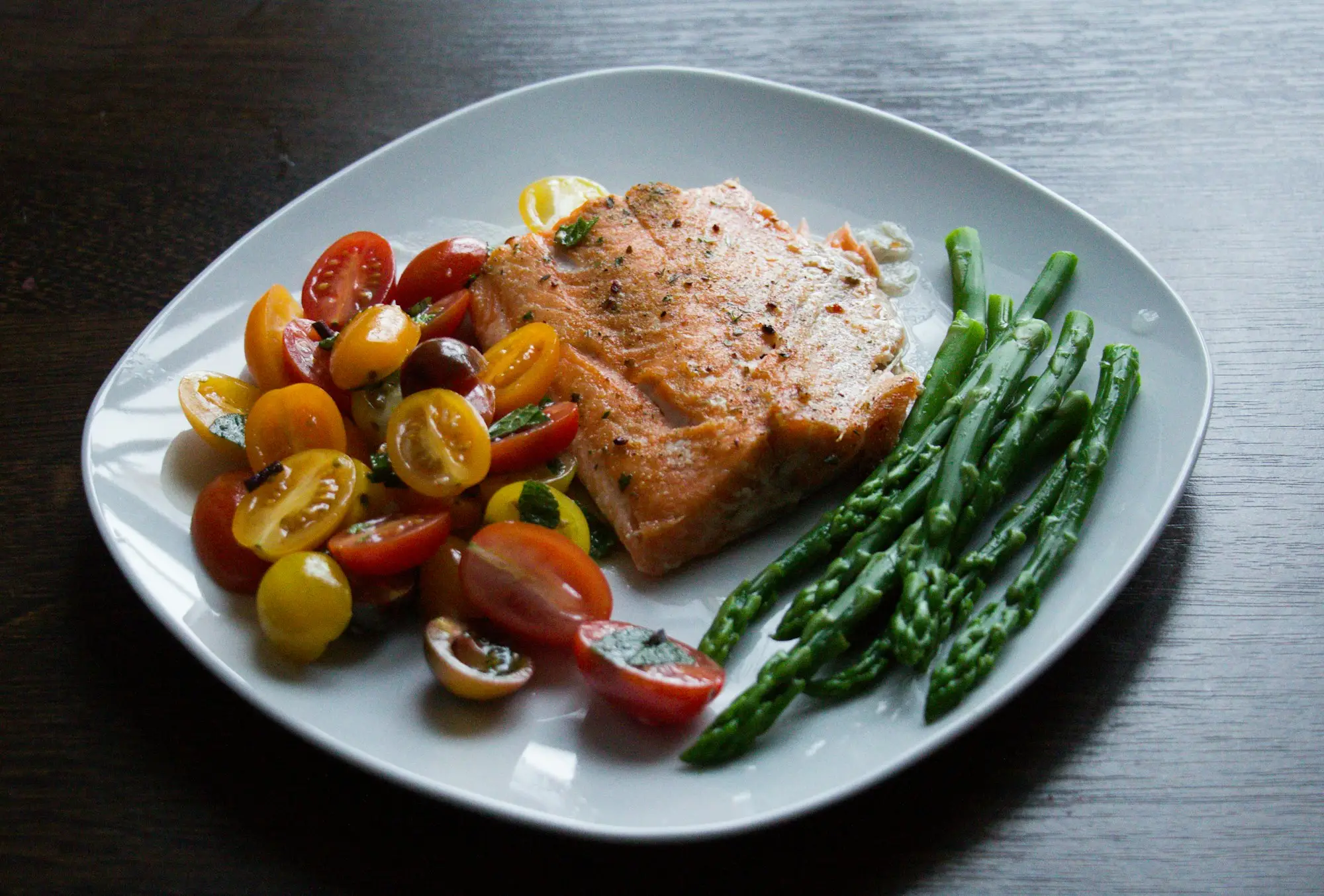
Photos: Karly Gomez / Unsplash
More options that add up:5
- Tofu made with calcium sulfate. USDA lists about 860 mg in half a cup of firm tofu, but brands vary widely — check the label.
- String cheese. One part-skim mozzarella stick (1 oz) has about 220 mg.
- Cooked kale. About 175 mg per cup.
- Sardines with bones. About 90 mg in two small sardines.
- White beans and almonds. About 80 mg in half a cup of beans and 75 mg in an ounce of almonds.
Grains matter too. Bread, pasta and unfortified cereal aren’t high in calcium, but because kids eat them often, what they contribute adds up.1 A day of yogurt at breakfast, cheese in a sandwich, a cup of fortified juice or soy milk and a vegetable side reaches roughly 1,000 to 1,200 mg before grains are counted.
Spinach is the exception that disappoints: it contains calcium, but the body absorbs only about a tenth as much from spinach as from milk.3
Fortified drinks: read the label, then shake
Many fruit juices, plant milks, tofu and breakfast cereals have calcium added — but not all of them. The NIH advises checking the product label to find out whether calcium has been added.1
Two more things to know:
- Soy milk counts like milk; most plant milks don’t. The Dietary Guidelines include fortified soy milk and soy yogurt in the dairy group. Almond, rice, coconut, oat and hemp drinks may contain calcium, but their overall nutrition isn’t similar enough to milk to count as dairy.6
- Shake the carton well. Added calcium can settle to the bottom of fortified drinks, so an unshaken glass may contain less than the label says.7
Doesn’t like it, can’t digest it, or allergic?
If it’s taste. Flavored milk has the same calcium as plain milk, and smoothies made with milk or yogurt are another way in.3 Flavored milk does bring added sugars, though, so treat it as a bridge rather than the everyday drink.6 Yogurt and cheese are often easier sells than a glass of milk. Both bring protein too — see how much protein a 10-year-old needs.
If milk upsets their stomach. Many people with lactose intolerance can handle about 12 grams of lactose — the amount in roughly a cup of milk — with mild or no symptoms, especially in small amounts with meals. Yogurt and hard cheeses like cheddar and Swiss are lower in lactose, and lactose-free milk is just as nutritious as regular milk.8
If it’s a milk allergy. Lactose-free products won’t help, because they’re still milk. Your child will rely on fortified soy milk (if soy is safe for them), fortified juices and cereals, tofu, canned fish with bones and greens.1 It’s worth asking your child’s doctor or allergist which alternative to use.
At this age, preteens often choose their own drinks at school and with friends. Keeping yogurt, cheese sticks and a fortified drink they actually like in the fridge does more than any lecture. If refusing milk is part of wider selective eating, see our guide to the picky 10-year-old.
Whole milk or low-fat?
The AAP recommends low-fat (1%) or nonfat milk for children older than 2.9 The 2025–2030 Dietary Guidelines take a different view, encouraging full-fat dairy with no added sugars.2 We follow the AAP, as in our milk guide — but for calcium it barely matters, because milk has about the same calcium whatever its fat content.3
Don’t forget vitamin D
Vitamin D helps the body absorb calcium.1 Children aged 9 to 13 need 600 IU a day.6 Many teens don’t get enough, probably because they eat and drink fewer dairy products than younger children.4 Eggs, salmon, and fortified cereals, juices and milks supply vitamin D, and time outdoors in sunlight helps the body make it.8
Does my child need a calcium supplement?
Most don’t. The AAP says that unless blood tests and a pediatrician’s evaluation reveal a specific deficiency, it’s preferable to get nutrients from food rather than supplements.10 The Dietary Guidelines agree that fortified foods or supplements may be needed when nutrient-rich foods are limited — under medical guidance.2
A supplement is worth discussing with your pediatrician if your child avoids all dairy and fortified foods, has a milk allergy, or follows a vegan diet. Your doctor can advise whether one is needed and how much.
When to talk to your pediatrician
Ask your child's doctor if
- Your child avoids all dairy and calcium-fortified foods for weeks at a time
- You suspect a milk allergy, or dairy regularly causes stomach pain, bloating or diarrhea
- Your child has broken a bone from a minor fall
- Your family follows a vegan diet
- You're thinking about a calcium or vitamin D supplement
The effects of too little calcium may not be visible in childhood,3 but over time it can lead to soft, weak bones.1 The fix is almost always food — and there’s more than one way to get there.
Common questions
How much calcium does a 10-year-old need?
1,300 mg a day, the amount recommended for all children and teens aged 9 to 18 by the NIH Office of Dietary Supplements. That's up from 1,000 mg at ages 4 to 8.
How can my child get calcium without drinking milk?
Yogurt, cheese, calcium-fortified soy milk, tofu made with calcium sulfate, canned salmon or sardines with bones, and greens like kale and bok choy all provide calcium. Calcium-fortified juices and cereals help too — check the label to confirm calcium has been added.
What are good calcium foods for a child with a dairy allergy?
Calcium-fortified soy milk (if soy is safe for your child), tofu made with calcium sulfate, canned fish with bones, calcium-fortified juices and cereals, and greens like kale and bok choy. Ask your child's doctor or allergist which milk alternative to use.
Does flavored milk have as much calcium as plain milk?
Yes — the NIH's child health institute notes flavored milk has the same amount of calcium as plain milk. It also contains added sugars, so it works best as an occasional bridge rather than the everyday drink.
Should my child take a calcium supplement?
Not without talking to your pediatrician first. The AAP prefers getting nutrients from food unless a doctor's evaluation shows a deficiency. A supplement may be worth discussing if your child avoids all dairy and fortified foods.
Sources
- NIH Office of Dietary Supplements. Calcium: Fact Sheet for Consumers.
- U.S. Department of Agriculture and U.S. Department of Health and Human Services. 2026. Dietary Guidelines for Americans, 2025–2030.
- Eunice Kennedy Shriver National Institute of Child Health and Human Development (NICHD), Milk Matters campaign. Building Strong Bones: Calcium Information for Health Care Providers.
- National Institute of Arthritis and Musculoskeletal and Skin Diseases (NIAMS). Kids and Their Bones.
- U.S. Department of Agriculture, Agricultural Research Service. SR Legacy data; portions calculated by Growing Plate. FoodData Central.
- U.S. Department of Agriculture and U.S. Department of Health and Human Services. 2020. Dietary Guidelines for Americans, 2020–2025 (Chapters 1 and 3, Appendix 1).
- Heaney RP, Rafferty K. J Am Diet Assoc. 2006;106(11):1753. The settling problem in calcium-fortified soybean drinks.
- National Institute of Diabetes and Digestive and Kidney Diseases (NIDDK). Eating, Diet, & Nutrition for Lactose Intolerance.
- American Academy of Pediatrics, HealthyChildren.org. Making Sure Your Child is Eating Enough.
- American Academy of Pediatrics, HealthyChildren.org. A Teenager's Nutritional Needs.
This article is for general information and isn't a substitute for advice from your child's doctor. Our editorial standards.