On this page
The short version
- Babies aged 7 to 12 months need 11 mg of iron a day — more than toddlers, who need 7 mg.
- The iron stores babies are born with last about 4 to 6 months, so iron-rich solids matter from the start.
- Iron-fortified infant cereal, meat, beans, lentils, tofu and egg do most of the work.
- Pair plant sources with vitamin C-rich fruit or vegetables, and rotate infant cereals rather than using only rice.
How much iron does a baby need?
Babies aged 7 to 12 months need 11 milligrams of iron a day, according to the Recommended Dietary Allowances set by the U.S. National Academies.1 That’s more than a toddler needs — the figure drops to 7 mg between 1 and 3 years.
In real food, 2 tablespoons of dry iron-fortified infant oat cereal carry about 4 mg — over a third of the day — before you’ve added a single other food.6 A spoonful of mashed lentils and some minced beef at dinner add more.
| Age | Iron per day |
|---|---|
| 0–6 months | 0.27 mg (Adequate Intake) |
| 7–12 months | 11 mg |
| 1–3 years | 7 mg |
The tiny figure for the first 6 months isn’t a typo. It reflects the average iron a healthy breastfed baby takes in, because full-term babies are born with iron stores that carry them through the early months.1
Why iron runs low around 6 months
Full-term babies usually have enough stored iron for about the first 4 to 6 months. After that, the NIH notes they’re at risk of iron deficiency at 6 to 9 months unless they get enough iron-rich solid foods or iron-fortified formula.1
Breast milk contains iron that’s absorbed well, but not enough to meet a baby’s needs beyond 4 to 6 months.1 USDA reference data put it at roughly 0.2 mg in 24 oz of breast milk.6 Standard infant formulas are fortified with 12 mg of iron per liter, which the CDC says will meet a baby’s needs through the first year.12
The NIH estimates that about 18% of US babies aged 6 to 12 months don’t get enough iron.1 That matters because iron is critical for early brain development, and low iron has been linked to delays in learning and attention.3 For the older-child picture, see how much iron a toddler needs.
Iron-rich foods for babies: what a portion delivers
Baby portions are small, so these figures are for a baby-sized serving, scaled from the NIH and USDA food tables.16 Two or three across a day, alongside breast milk or formula, add up quickly.
Infant cereals vary by brand, so check the label. The USDA’s reference infant oatmeal works out to about 2 mg per dry tablespoon.6
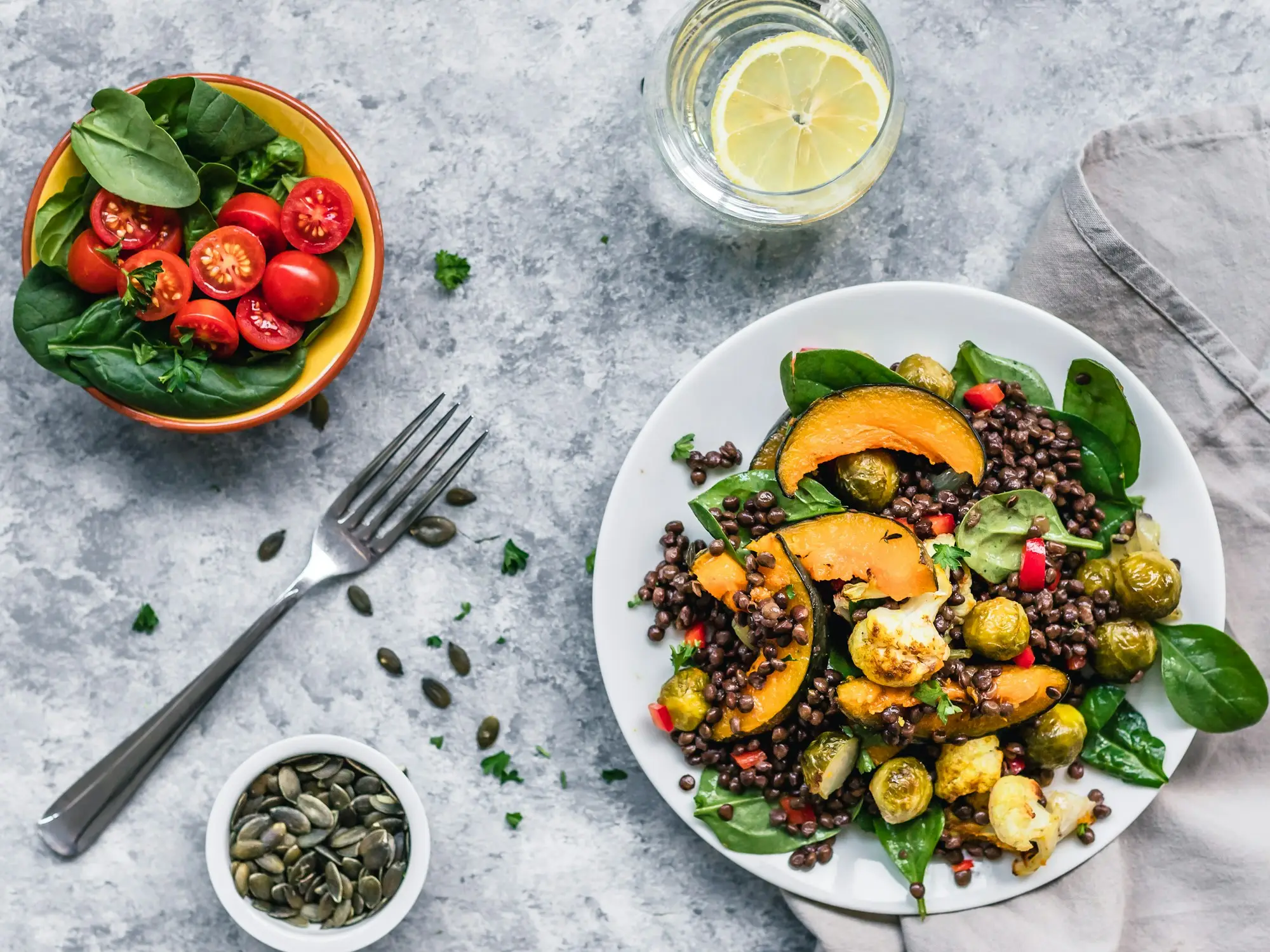
Iron from meat, poultry and fish is absorbed best — but iron-fortified cereal, beans and tofu still do a lot of the work.
There are two kinds of iron. Heme iron, in meat, poultry, seafood and eggs, is absorbed more easily. Non-heme iron, in iron-fortified infant cereals, tofu, beans, lentils and dark leafy greens, is absorbed less easily, so a plant-heavy diet takes more planning.2 Some plant foods, such as spinach, contain compounds that limit how much iron is absorbed.1
Iron-rich purées and finger foods
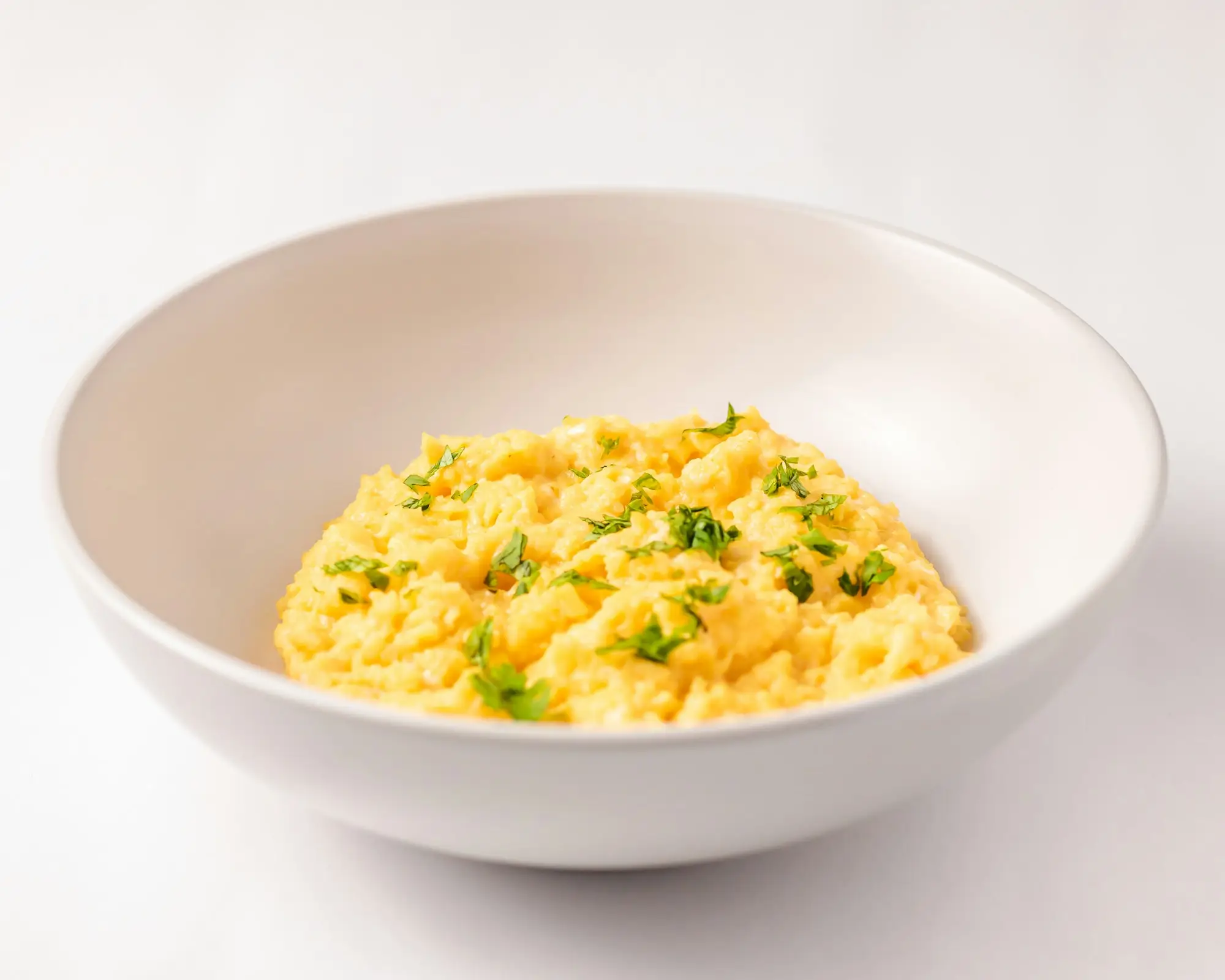
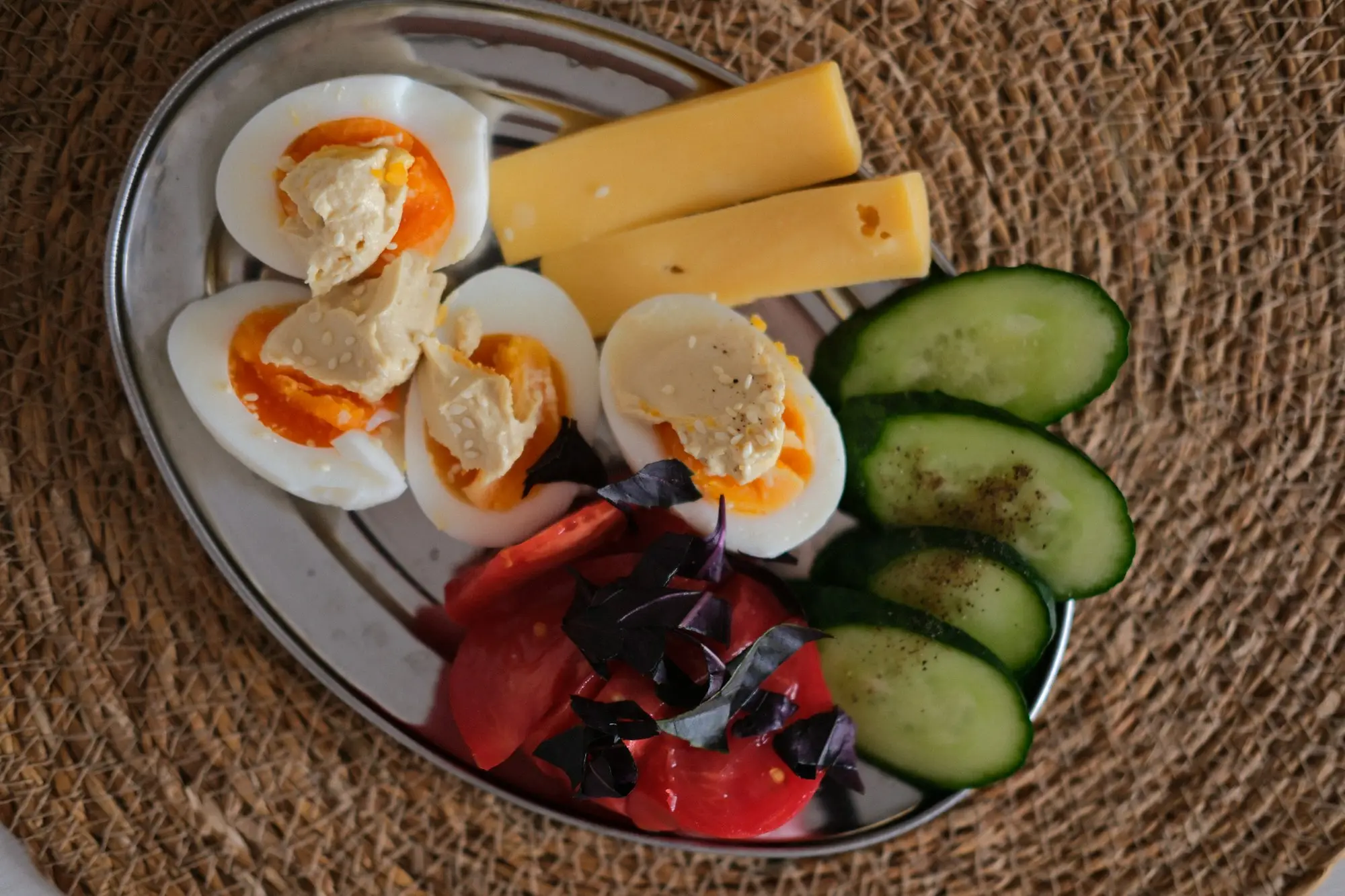
Both work. For purées, mix fortified infant cereal with breast milk or formula, blend cooked lentils or beans until smooth, or purée well-cooked meat with a little cooking water. For baby-led weaning, try soft shredded or finely minced meat, flaked boneless fish, strips of well-cooked egg and mashed beans spread on toast strips.
Self-feeding babies can end up eating mostly fruit and vegetables, so offer an iron-rich food at every meal — our guide to purées vs baby-led weaning covers the research, and our 6-month-old food ideas turn first foods into simple meals. Whichever way you go, whole beans and chunks of meat are choking hazards: mash beans and mince or shred meat.11
Pair it with vitamin C
Serving vitamin C-rich foods alongside non-heme iron helps your baby absorb more of it.2 The CDC suggests oranges, broccoli, cabbage, berries, papaya, tomatoes and sweet potatoes.2 Some easy pairings:
- Fortified oat cereal stirred with mashed strawberries or blueberries
- Lentils mashed with a little tomato
- Tofu with soft-cooked broccoli
- Beef with mashed sweet potato
Meat also helps the body absorb plant iron, so a little minced meat in a bean or vegetable dish gives a double boost.1
A note on rice cereal and arsenic
Iron-fortified rice cereal is fine as part of the mix, but the CDC advises offering a variety of fortified infant cereals — such as oat, barley and multigrain — rather than only rice, because rice-only feeding can increase a baby’s exposure to arsenic.7
In 2020 the FDA set an action level of 100 parts per billion for inorganic arsenic in infant rice cereal, and noted that oat, barley and multigrain cereals can be a first or early cereal too.8 Through its Closer to Zero program, the FDA is still developing arsenic limits for other foods made for babies and young children.9
Do babies need iron supplements?
Some do, and that’s your pediatrician’s decision. In June 2026 the American Academy of Pediatrics updated its guidance: prevention now includes iron supplementation for exclusively breastfed babies by 6 months of age and early supplementation for babies born preterm.45 Standard iron-fortified formula covers formula-fed babies’ needs.2 The 2025–2030 Dietary Guidelines say simply that some infants require iron supplementation, and to talk with your health care professional.10
Ask your pediatrician whether your baby needs iron drops, which product, and how much. Never give an iron supplement on your own: accidental overdose of iron-containing products is a leading cause of fatal poisoning in children under 6, so keep any supplements locked away.1
The AAP now recommends screening every baby for low iron, timed by feeding — around 9 to 12 months for mostly breastfed babies and 15 to 18 months for mostly formula-fed babies.3 Cow’s milk shouldn’t be given as a drink before 12 months, because it can cause blood loss in the stool and lower iron absorption.3 For what low iron can look like, see signs of iron deficiency.
When to talk to your pediatrician
Check in with your baby's doctor if
- Your baby is exclusively or mostly breastfed and you haven't discussed iron by 6 months
- They were born preterm or at a low birth weight
- They're pale, unusually tired or irritable, or feeding less than usual
- They eat few iron-rich foods — mostly fruit, vegetables and milk
- Call Poison Help (1-800-222-1222) right away if your baby swallows any iron supplement not meant for them, or 911 if they seem unwell
Common questions
How much iron does a baby need?
Babies aged 7 to 12 months need 11 mg of iron a day, according to the Recommended Dietary Allowances from the U.S. National Academies. From birth to 6 months, the amount is set at 0.27 mg, the average a healthy breastfed baby gets.
What are the best iron-rich foods for babies?
Iron-fortified infant cereal is one of the most concentrated — about 4 mg in 2 tablespoons of dry oat cereal, per USDA data. Meat, poultry and fish supply heme iron, which is absorbed best, while beans, lentils, tofu, egg and dark leafy greens add plant iron.
What are good iron-rich foods for baby-led weaning?
Soft shredded or finely minced meat, flaked boneless fish, strips of egg, mashed beans or lentils, soft tofu, and iron-fortified cereal on a preloaded spoon. Offer one at every meal, because self-fed babies can otherwise end up eating mostly fruit and vegetables.
Is rice cereal bad for babies?
Iron-fortified rice cereal can be part of a baby's diet, but the CDC advises offering a variety of fortified infant cereals, such as oat, barley and multigrain, rather than only rice, because rice-only feeding can increase arsenic exposure.
Does my baby need an iron supplement?
Some do. In 2026 the American Academy of Pediatrics recommended iron supplementation for exclusively breastfed babies by 6 months of age, and extra iron for babies born preterm. Ask your pediatrician whether your baby needs one, which product and how much.
Sources
- NIH Office of Dietary Supplements. Iron: Fact Sheet for Health Professionals.
- Centers for Disease Control and Prevention. Iron — Infant and Toddler Nutrition.
- American Academy of Pediatrics, HealthyChildren.org. Last updated June 2026. Iron Deficiency and Anemia in Babies, Children & Teens.
- American Academy of Pediatrics, HealthyChildren.org. June 2026. Iron Deficiency & Iron Deficiency Anemia: AAP Updates Screening, Prevention & Treatment Guidance.
- Powers JM, et al; AAP Section on Hematology-Oncology; AAP Committee on Nutrition. Pediatrics. 2026;158(1):e2026077414. Prevention, Screening, Diagnosis, and Treatment of Iron Deficiency and Iron Deficiency Anemia in Infants, Children, and Adolescents: Clinical Report.
- U.S. Department of Agriculture, Agricultural Research Service. SR Legacy 171360 (infant oatmeal cereal, dry, fortified) and 171279 (human milk); amounts scaled to baby portions by Growing Plate. FoodData Central.
- Centers for Disease Control and Prevention. When, What, and How to Introduce Solid Foods.
- U.S. Food and Drug Administration. August 5, 2020. FDA Issues Final Guidance for Industry on Action Level for Inorganic Arsenic in Infant Rice Cereals.
- U.S. Food and Drug Administration. Closer to Zero: Reducing Childhood Exposure to Contaminants from Foods.
- U.S. Department of Agriculture and U.S. Department of Health and Human Services. 2026. Infancy & Early Childhood, page 6. Dietary Guidelines for Americans, 2025–2030.
- Centers for Disease Control and Prevention. Choking Hazards — Infant and Toddler Nutrition.
This article is for general information and isn't a substitute for advice from your child's doctor. Our editorial standards.