On this page
The short version
- Meat is one of the hardest foods for toddlers to chew. Children don't chew with a grinding motion until about age 4, according to the AAP.
- Soft, moist, minced or shredded meat — mixed into foods they already like — is often accepted when slices and chunks aren't.
- Toddlers need 7 mg of iron and 3 mg of zinc a day, and beans, lentils, tofu, eggs, dairy and fortified cereal can supply both.
- Serve plant iron with a vitamin C food like berries, oranges, tomatoes or broccoli to absorb more of it.
Why won’t my toddler eat meat?
Most often, it’s the texture. Meat is one of the chewiest foods on a toddler’s plate, and the American Academy of Pediatrics notes that children don’t learn to chew with a grinding motion until they’re about 4 years old.1 At 2, they’re still learning to chew and swallow efficiently.2 A dry piece of chicken breast or a strip of steak is genuinely hard work for a small mouth.
Researchers who study picky eating also list sensitivity to how food feels in the mouth among the things that make some children more selective than others.11 If your toddler chews meat for a long time and then spits it out, that’s usually what’s happening.
My toddler suddenly stopped eating meat. Is that normal?
Yes. The AAP says it’s normal for toddlers to choose from a limited number of foods, reject foods entirely, and then change their preferences over time.2 A food that was eaten happily for months can be refused for weeks and then accepted again.
So treat it as a phase, not a verdict. Keep meat on the menu in forms that are easier to manage, and make sure the rest of the week covers the nutrients meat usually provides. Unless your child is losing weight or seems unwell, there’s no rush.
Ways to serve meat that toddlers accept more easily
The aim is meat that’s soft, moist and small, and ideally mixed into something your child already likes. A toddler serving is small: about 1 oz of meat, which the AAP describes as two 1-inch cubes of solid meat or 2 tablespoons of ground meat.3
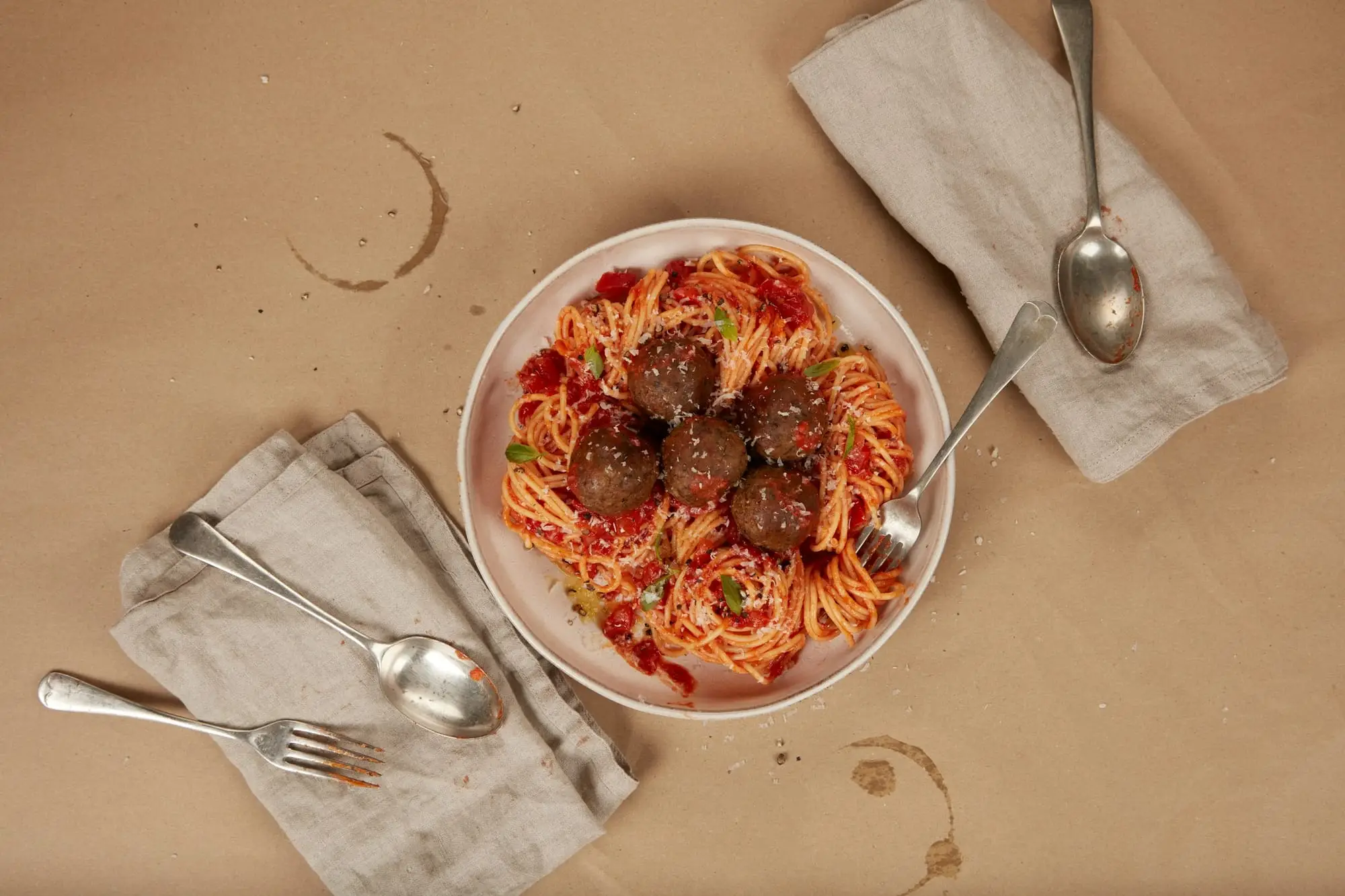
- Ground meat in a familiar food. Stirred into pasta sauce, tacos or a quesadilla, where it’s one part of a mouthful rather than the whole thing.
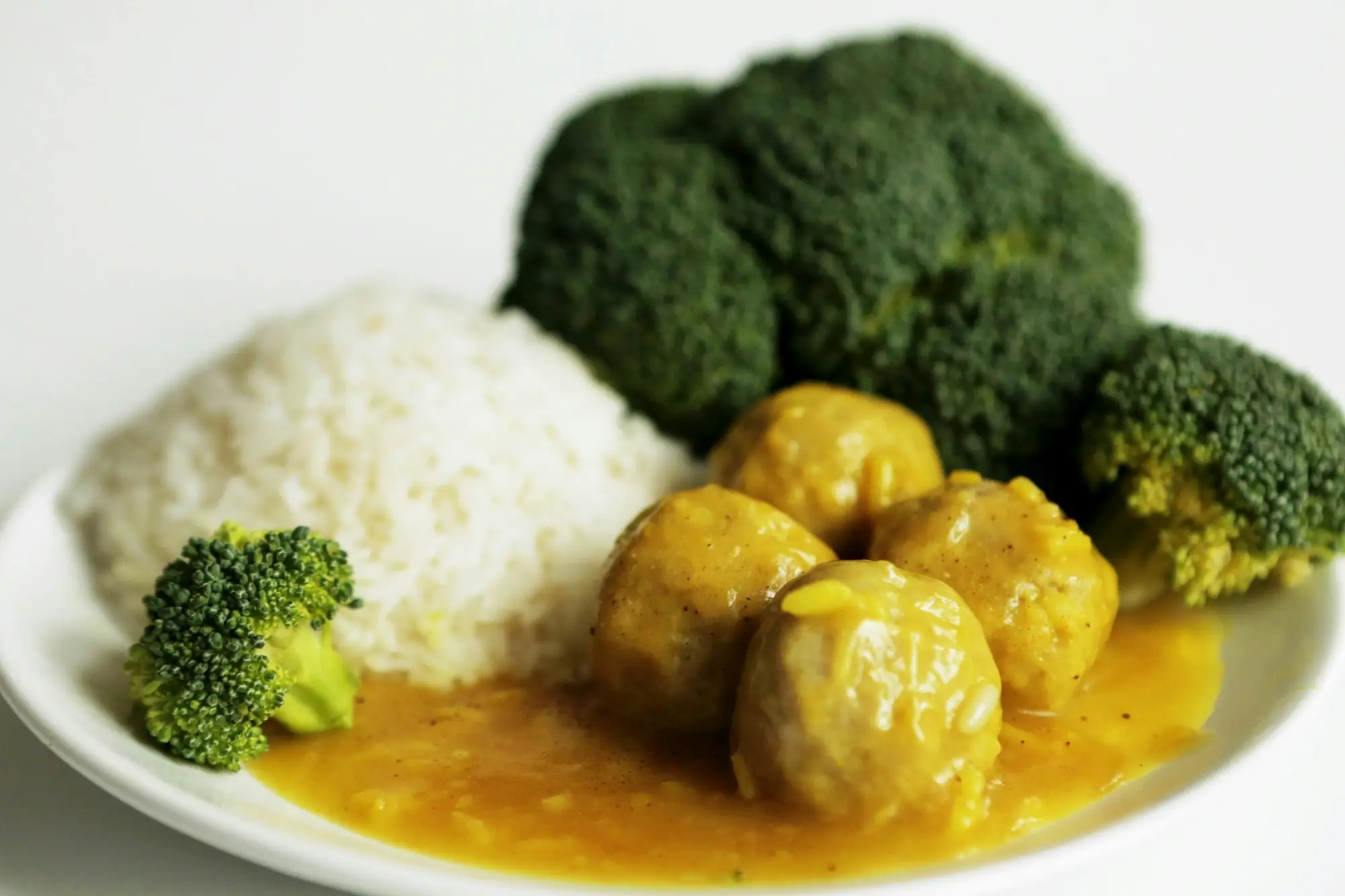
- Meatballs and patties. Soft, easy to hold, and they don’t need much chewing. Adding grated vegetable or a little sauce keeps them moist.
- Slow-cooked and shredded. Pulled chicken, pork or beef cooked until it falls apart, then served with a sauce or dip.
- Fish. Flaky, soft fish is often easier than meat. The AAP suggests including meat and deboned fish at least twice a week.10
- Cut it small. Large chunks of meat are a choking risk for toddlers, so cut it into small pieces they can manage.2 Meat sticks are on the AAP’s list of foods not to offer one-year-olds.1
Keep offering, and keep the pressure off. The CDC says it may take 8 to 10 exposures before a young child is willing to try a new food.9 Putting a little meat on the plate, without comment, keeps it familiar.
How to get protein without meat
Protein is usually the easy part. As one AAP pediatrician points out, children don’t need as much protein as many parents think, and every ounce of cow’s milk provides about 1 gram of it.4 A toddler who drinks milk and eats yogurt or cheese is often covering a good share already.
The AAP lists plenty of other protein-rich options for picky eaters: eggs, salmon, fish sticks, yogurt, cheese (shredded or diced small), soy milk, tofu, lentils, beans, hummus, nut butter, and even oatmeal and whole-wheat pasta.4 For the full numbers, see our guide to how much protein a toddler needs.
How to get iron and zinc without meat
Iron and zinc are what meat does best, so these need more thought. Toddlers aged 1 to 3 need 7 mg of iron5 and 3 mg of zinc7 a day. The figures below are scaled to toddler portions from NIH food tables.
| Food | Toddler portion | Iron | Zinc |
|---|---|---|---|
| Fortified breakfast cereal (25% DV) | ½ label serving | ≈ 2.3 mg | ≈ 1.4 mg |
| Lentils, cooked | ¼ cup | ≈ 1.5 mg | ≈ 0.7 mg |
| Tofu, firm | ¼ cup | ≈ 1.5 mg | — |
| Kidney beans, canned | ¼ cup | ≈ 1 mg | ≈ 0.3 mg |
| Egg | 1 large | ≈ 1 mg | ≈ 0.6 mg |
| Cheddar cheese | ½ oz | — | ≈ 0.5 mg |
| Milk, 1% | ½ cup | — | ≈ 0.5 mg |
| For comparison: beef | 1 oz | ≈ 0.7 mg | ≈ 1.3 mg |
There’s a catch with both minerals. The iron in plants and fortified foods is absorbed less well than the iron in meat; the NIH says people who don’t eat meat, poultry or seafood need almost twice as much iron as the standard recommendation.5 Zinc from beans and whole grains is also absorbed less well than zinc from animal foods.7 That doesn’t mean plant sources don’t count, just that it’s worth leaning on several of them across the week.
Fortified cereal does a lot of the work here. Wheat flour is often fortified with iron too, which makes bread and other grain products useful sources.6
Pair it with vitamin C
You can help your toddler absorb more plant iron by serving it with a vitamin C food. The CDC lists citrus fruits like oranges, broccoli, cabbage, berries, papaya, tomatoes and sweet potatoes.8 The NIH adds that eating plant iron with some meat, poultry or seafood also boosts absorption, so even a few bites of meat in a bean dish help.5
Easy iron-plus-vitamin-C pairings
- Breakfast. Fortified cereal or oatmeal with strawberries or orange segments.
- Lunch. Hummus with red pepper strips, or a bean quesadilla with salsa.
- Dinner. Lentils or tofu in a tomato sauce over pasta, with broccoli on the side.
Our guide to how much iron a toddler needs has more on iron, including why too much milk can crowd it out.
When to talk to your pediatrician
The AAP notes that a child who eats very little meat, iron-fortified cereal or iron-rich vegetables may need supplemental iron.2 That’s a decision for your pediatrician, not something to start on your own. If you’re also seeing other signs of low iron, our guide to the signs of iron deficiency in toddlers explains what to look for.
Check in with your child's doctor if your child
- Refuses meat, beans, eggs and fortified cereal for weeks at a time
- Seems pale, unusually tired or irritable
- Drinks a lot of milk and eats little solid food
- Gags or vomits when trying to chew meat or other textured foods
- Is losing weight or isn't growing as expected
Common questions
Why won't my toddler eat meat anymore?
Often it's about texture. Meat takes a lot of chewing, and toddlers are still learning to chew efficiently — the AAP says children don't chew with a grinding motion until about age 4. It's also normal for toddlers to drop foods they used to like and come back to them later.
How can I get my toddler to eat meat?
Make it soft and small. Try meatballs, slow-cooked shredded meat, ground meat stirred into pasta sauce, or flaked fish, served next to a food your child already likes. Keep offering it without pressure.
How do toddlers get protein without meat?
Eggs, milk, yogurt, cheese, beans, lentils, tofu, hummus and nut butter all supply protein. The AAP notes that cow's milk has about 1 gram of protein per ounce, so many toddlers get a good share of their protein from milk alone.
How do toddlers get iron without meat?
Fortified breakfast cereal, beans, lentils, tofu and eggs all supply iron. Because plant iron is absorbed less well, serve it with a vitamin C food such as berries, citrus, tomatoes or broccoli, and mention the diet to your pediatrician.
Does my toddler need an iron supplement if they don't eat meat?
Not automatically. The AAP says supplemental iron may be needed if a child eats very little meat, iron-fortified cereal or iron-rich vegetables. Ask your pediatrician, who may check iron levels, rather than starting a supplement yourself.
Sources
- American Academy of Pediatrics, HealthyChildren.org. Feeding & Nutrition Tips: Your 1-Year-Old.
- American Academy of Pediatrics, HealthyChildren.org. Feeding & Nutrition Tips: Your 2-Year-Old.
- American Academy of Pediatrics, HealthyChildren.org. Serving Sizes for Toddlers.
- McCarthy C. American Academy of Pediatrics, HealthyChildren.org. Beyond Chicken Nuggets: Protein-Rich Alternatives for Picky Eaters.
- NIH Office of Dietary Supplements. Iron: Fact Sheet for Consumers.
- NIH Office of Dietary Supplements. Iron: Fact Sheet for Health Professionals.
- NIH Office of Dietary Supplements. Zinc: Fact Sheet for Health Professionals.
- Centers for Disease Control and Prevention. Iron — Infant and Toddler Nutrition.
- Centers for Disease Control and Prevention. Picky Eaters and What to Do.
- American Academy of Pediatrics, HealthyChildren.org. 10 Tips for Parents of Picky Eaters.
- Dovey TM, et al. Appetite. 2008;50(2–3):181–93. Food neophobia and 'picky/fussy' eating in children: a review.
This article is for general information and isn't a substitute for advice from your child's doctor. Our editorial standards.