On this page
The short version
- A smaller appetite after age one is normal — growth slows down, so toddlers need less food than parents expect.
- Toddlers often eat well at breakfast and lunch and very little at dinner. Look at the whole day, or the whole week.
- You decide what, when and where; your child decides whether and how much.
- Pressure, bribes and dessert-as-reward tend to backfire. Calm, repeated offers work better.
First: this is usually normal
If your one-year-old used to eat everything and your two-year-old now pushes the plate away, you haven’t done anything wrong. Babies grow astonishingly fast in their first year. After that, growth slows right down, and appetite follows.1 A toddler simply needs less food, relative to their size, than they did as a baby. If your baby is under 1 and turning down the spoon, see baby refusing solids. For a two-year-old who seems to eat very little overall, see what’s normal when a 2-year-old isn’t eating much, or our guide to a 2-year-old picky eater if the list of foods they accept is short.
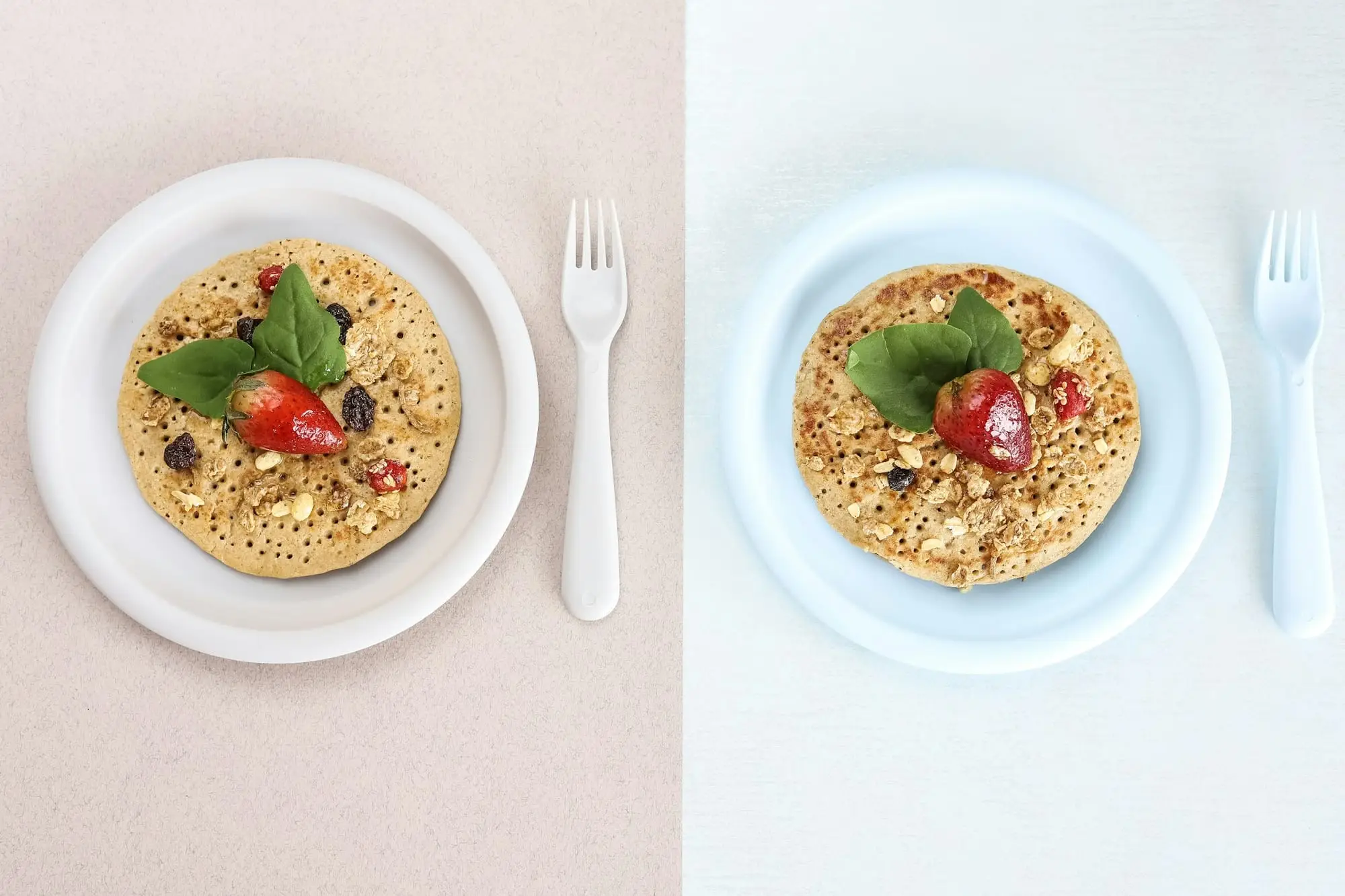
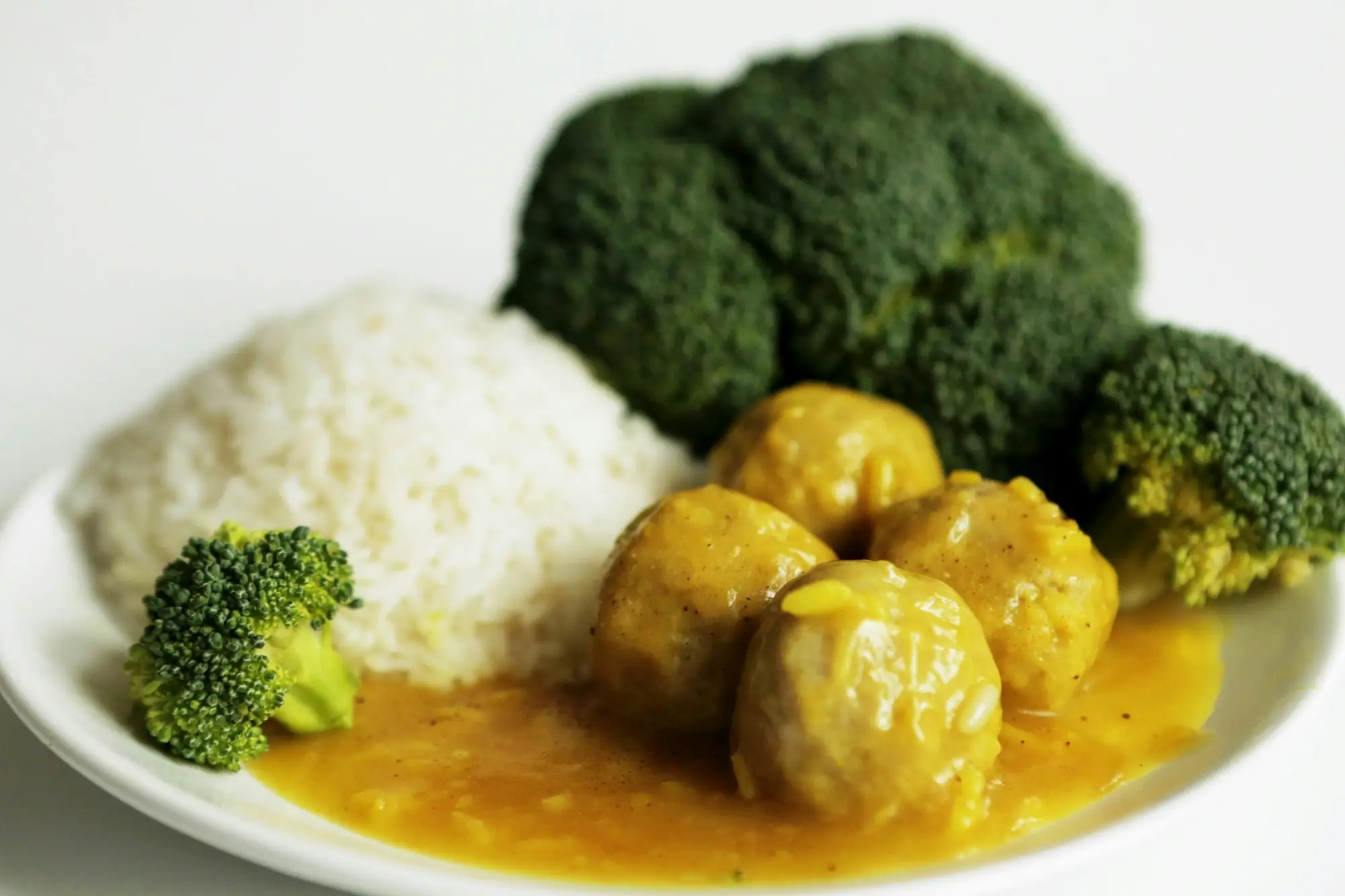
Toddler portions are also smaller than most of us picture. A serving for a toddler is roughly a quarter of an adult serving.7 A couple of forkfuls of pasta and a few pieces of broccoli can genuinely be a full dinner.
Why dinner is the meal that falls apart
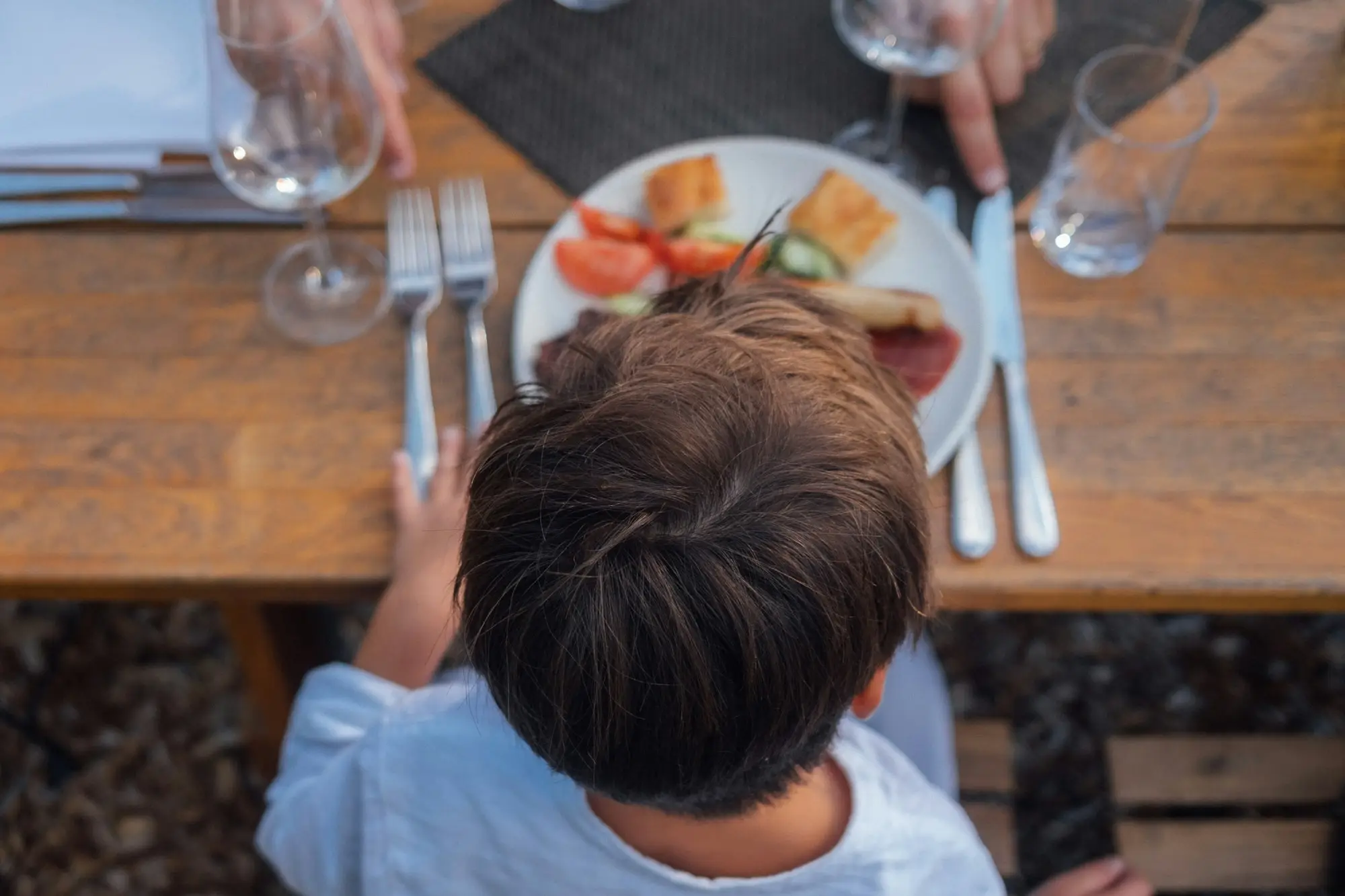
Many toddlers eat their best meals at breakfast and lunch and very little at the end of the day. By dinnertime they’re tired, they’ve often had a snack or a drink of milk in the late afternoon, and the table is busier and louder than it was at noon. None of that has much to do with the food.
That’s why one meal is a poor way to judge how a child is eating. Look at a whole day — or better, a whole week. Most toddlers balance out over time, even when individual meals look alarming — see why a toddler can eat a lot one day and nothing the next.
Who decides what
The approach most feeding specialists recommend is dietitian Ellyn Satter’s Division of Responsibility. Parents are in charge of what food is offered, when and where. Children are in charge of whether they eat and how much.2
Your job is to put good food on the table. Their job is to decide how much of it to eat.
It sounds simple, but it takes the fight out of dinner. You’re no longer trying to get a certain amount of food into your child — you’re making sure good food is available at predictable times, and trusting them with the rest.
Seven things to try tonight
Low-pressure changes that help
- Include one “safe” food. Put at least one thing on the plate your child usually eats — bread, rice, fruit — alongside the family meal. They won’t go hungry, and new foods feel less threatening next to familiar ones.6 (If bread and pasta are all they’ll eat right now, see what to do when a toddler only eats carbs.)
- Serve small portions. A tablespoon or two of each food. They can always ask for more; a heaped plate is overwhelming.7
- Watch the late-afternoon snack and milk. A big snack or cup of milk an hour before dinner is often the whole problem. Try to leave a couple of hours between snacks and meals.
- Keep offering, without comment. The CDC says it can take 8 to 10 exposures before a child accepts a new food.3 In one large study, most parents gave up after 3 to 5 tries.4 Put it on the plate; don’t push it.
- Drop the pressure. No “two more bites,” no praise for clean plates. In a controlled study, preschoolers ate more and made fewer negative comments when they weren’t pressured to eat.5
- Don’t make dessert the prize. Rewarding vegetables with dessert teaches children that dessert is the good part.6
- Eat together, and keep it short. Children learn by watching you eat the same food. Fifteen to twenty minutes at the table is plenty for a toddler; when they’re done, they’re done.
What not to do
It’s tempting to cook a second dinner when the first is refused. Doing it occasionally isn’t a disaster, but making it routine teaches children that refusing the family meal produces their favorite food. Instead, keep the next meal or snack at its usual time — a toddler who skipped dinner will usually be hungry at breakfast.
For plates built around the foods your child already accepts, see our meal ideas for picky 2-year-olds. If your child is closer to 4, our guide for a 4-year-old who won’t eat anything covers the preschool years.
Avoid screens at the table, too. Distracted children are less aware of their own hunger and fullness, which works against the whole approach.
When to talk to your pediatrician
Most picky eating is a normal phase. But some children have a feeding problem that needs more help, and it’s worth raising with your pediatrician if you’re worried or notice any of these.
Call your child's doctor if your child
- Is losing weight, or has stopped gaining weight as expected
- Gags, chokes or vomits often while eating
- Eats a very narrow range of foods — and the list is getting shorter
- Seems afraid of eating, or gets very distressed at meals
- Has ongoing tummy pain, diarrhea or constipation
Common questions
Is it normal for a toddler to not eat dinner?
Yes. Toddlers' growth slows after the first year, so they need less food, and many eat most of their calories earlier in the day. Look at what they eat across a whole day or week rather than at one meal.
Should I make my toddler something else if they refuse dinner?
Generally, no. Serving the family meal with at least one food your child usually eats — and not cooking a separate dinner on demand — helps children learn to try new foods without letting them go hungry.
Should I make my child stay at the table until they eat?
Pressure tends to backfire. Research has found children eat more and say fewer negative things about food when they aren't pressured to eat. Let them leave when they're done, and offer the next meal or snack at its usual time.
Is it OK to use dessert as a reward for eating vegetables?
It tends to backfire. Rewarding with dessert teaches children that dessert is the prize and vegetables are the price. Many families serve a small portion of dessert with the meal, or simply don't link the two.
How long can a toddler go without eating dinner?
A healthy toddler who skips dinner will usually make up for it at breakfast. If your child is refusing most meals for several days, losing weight, or seems unwell, call your pediatrician.
Sources
- American Academy of Pediatrics, HealthyChildren.org. Feeding & Nutrition Tips: Your 1-Year-Old.
- Ellyn Satter Institute. Division of Responsibility in Feeding.
- Centers for Disease Control and Prevention. Picky Eaters and What to Do.
- Carruth BR, et al. J Am Diet Assoc. 2004;104(1 Suppl 1):s57–64. Prevalence of picky eaters among infants and toddlers and their caregivers' decisions about offering a new food.
- Galloway AT, et al. Appetite. 2006;46(3):318–23. 'Finish your soup': counterproductive effects of pressuring children to eat on intake and affect.
- American Academy of Pediatrics, HealthyChildren.org. 10 Tips for Parents of Picky Eaters.
- American Academy of Pediatrics, HealthyChildren.org. Serving Sizes for Toddlers.
This article is for general information and isn't a substitute for advice from your child's doctor. Our editorial standards.