On this page
- The short answer
- What 13 grams looks like in real food
- Why powders are a poor fit for toddlers
- What if my toddler is picky or eats very little?
- When might a doctor suggest one?
- If your pediatrician does recommend one
- What about older toddlers and preschoolers?
- When to talk to your pediatrician
- Common questions
The short version
- Most toddlers don't need protein powder. Children aged 1 to 3 need about 13 g of protein a day, and 4- to 8-year-olds need 19 g.
- A cup of milk has about 8 g, so a few ordinary foods cover the day.
- Powders are sold as supplements, which the FDA doesn't approve before sale.
- If your child eats very little, is losing weight or follows a restricted diet, ask your pediatrician before buying anything.
The short answer
Most toddlers don’t need protein powder. Children aged 1 to 3 need about 13 grams of protein a day, and children aged 4 to 8 need about 19 grams, according to the Dietary Reference Intakes.1 Food covers that without trouble. The American Academy of Pediatrics (AAP) says most healthy kids don’t need extra vitamin or mineral supplements,2 and its guidance on young athletes says those who eat a healthy, well-balanced diet don’t need and wouldn’t benefit from protein supplements.4
The same goes for “protein shakes for toddlers” and for 2-year-olds or 4-year-olds specifically. The number is small, and the foods your child already eats are the better tool. If you have a specific worry, ask your pediatrician before you buy anything.
| Age | Protein per day |
|---|---|
| 1–3 years (toddlers, including 2-year-olds) | 13 g |
| 4–8 years (including 4-year-olds) | 19 g |
For a fuller look at the number, see how much protein a toddler needs.
What 13 grams looks like in real food
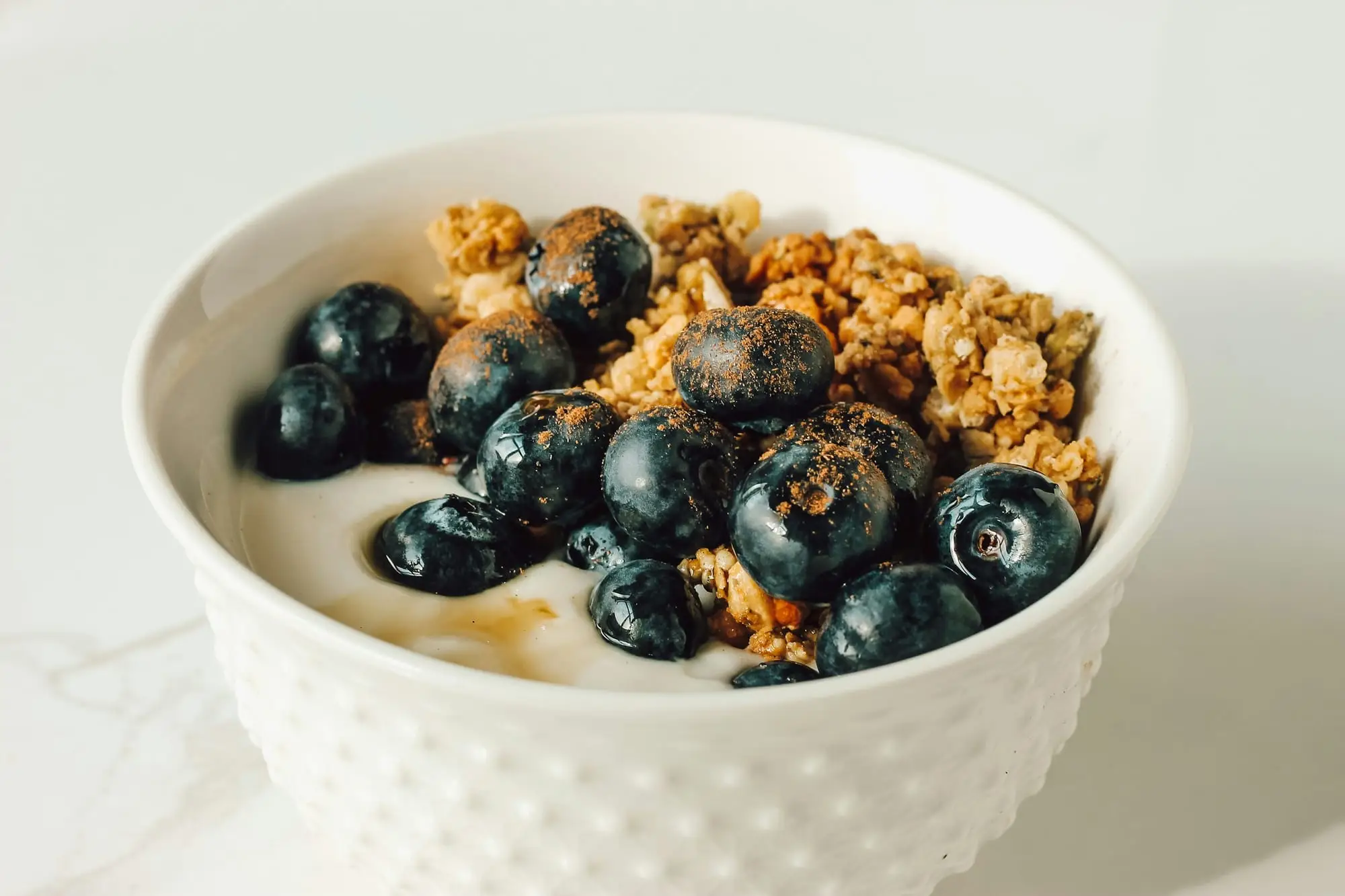
It’s less than most parents expect. An 8-oz glass of milk has about 8 g of protein, an 8-oz serving of yogurt has about 8 g, and an ounce of cheese has about 6 g.5 Toddler portions are smaller, so here is a sample day scaled to toddler size:
That’s about 15 g before any meat, eggs, beans or tofu, so a toddler who has some of those too is well past 13 g. Milk and yogurt figures come from the AAP’s tables, halved where the serving is smaller. Serve cheese grated or sliced thin, and keep in mind the AAP says high-risk foods should be kept from children until age 4 or older, depending on the child.6
A cup of milk, some yogurt and a little cheese is already more than a toddler’s daily protein.
Why powders are a poor fit for toddlers
There are three reasons to be cautious, and none of them requires you to panic.
- No one checks them before they’re sold. Protein powders are usually sold as dietary supplements. The FDA isn’t authorized to approve dietary supplements for safety and effectiveness before they’re marketed.3
- The label may not match the tub. In its guidance on young athletes, the AAP says studies of supplement purity find high rates of contamination with possibly harmful substances, and that many products don’t contain the ingredients listed on the label.4
- They fill a gap that usually isn’t there. If a toddler is already eating dairy, eggs, meat or beans, a powder adds nothing they need. It may also take the place of a real meal, so they eat less of everything else.
Most powders are made for teens and adults, and we found no toddler-specific safety guidance from the AAP or FDA. That’s another reason to let a pediatrician decide, not a label.
What if my toddler is picky or eats very little?
Picky eating is the usual reason parents reach for a shake. Often the protein is higher than it looks, because a toddler who drinks milk is getting about 8 g a cup.5 Try these first:
Food-first ways to add protein
- Offer one protein food at each meal. Yogurt, cheese, egg, beans or tofu, in tiny portions, is enough.
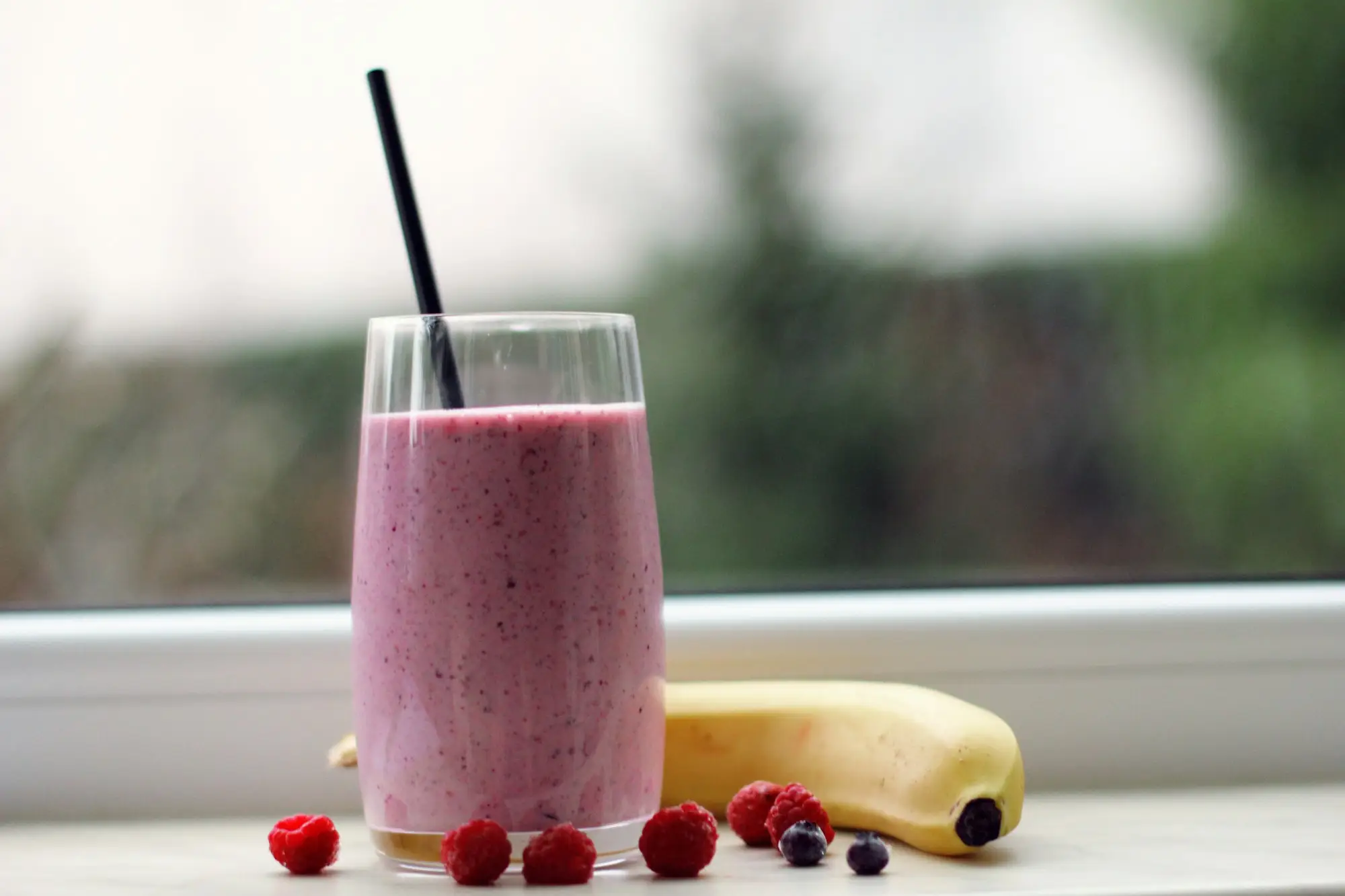
- Blend it yourself. Milk or plain yogurt blended with fruit makes a smoothie with no mystery ingredients.
- Keep milk sensible. Too much can crowd out meals. See how much milk a toddler should drink.
- Be patient. Refusals are normal at this age. Our guides to toddlers who won’t eat meat and toddlers who won’t eat dinner have calm ideas.
When might a doctor suggest one?
The AAP says supplements are for children who have been diagnosed with a nutritional deficiency or have a medical condition that raises their risk of one.2 If your toddler isn’t gaining weight, has a medical condition, has a long list of food allergies or follows a very restricted diet, a pediatrician or registered dietitian can look at the whole picture. They may recommend a particular nutrition product and tell you how much to give. Don’t choose a product or dose yourself.
The AAP notes that vegetarians may be at risk of not eating enough protein and may benefit from meal planning with a registered dietitian.4 For many families, that planning, not a powder, is the answer. For the bigger picture on supplements, see whether toddlers need vitamins, and for older children, protein shakes for kids.
If your pediatrician does recommend one
Then the decision is a medical one, and you’ve got a professional to lean on. A few habits help:
- Follow their instructions exactly. Ask which product, how much and how often. Don’t scale an adult label down yourself, and don’t add a second product on top.
- Read the label with them in mind. Check what else is in the tub besides protein, and bring the product to the appointment so the doctor can see it.
- Keep it a supplement. It shouldn’t replace meals. Keep offering regular food, and your child’s growth will be tracked at checkups.
- Store it safely. Keep powders out of reach, like any supplement.
The FDA’s advice to consumers is to talk to a doctor, pharmacist or other healthcare professional before deciding to purchase or use a dietary supplement.3 For a toddler, that rule matters more, because they’re small and can’t tell you how they feel.
What about older toddlers and preschoolers?
Nothing changes much for a 4-year-old. The protein target rises to about 19 grams, which a couple of cups of milk or yogurt plus a protein food at meals will cover.15 A preschooler may ask for a shake because an older sibling or parent has one. It’s fine to say that’s a grown-up product, and offer a fruit-and-yogurt smoothie you blend together instead. Our guide for older kids and protein shakes covers what the AAP says as children get bigger and more active.
When to talk to your pediatrician
Call your child's doctor if
- Your toddler is losing weight or isn't gaining weight between checkups
- They refuse whole food groups, such as all dairy, all meat and all beans, for weeks
- They eat very little most days and you're considering a shake or powder
- They follow a vegetarian or vegan diet and you haven't discussed protein with the doctor
- They have a food allergy or a medical condition, and you want to use any supplement
Always talk with your pediatrician before giving any supplement,2 and keep powders stored out of reach.
Common questions
Can toddlers have protein powder?
Usually there's no need. Children aged 1 to 3 need about 13 g of protein a day, which food covers, and the AAP says most healthy kids don't need extra supplements. Ask your pediatrician before giving any.
Are protein shakes safe for toddlers?
There's no reason to give them to a healthy toddler. Shakes and powders are usually sold as supplements, which the FDA doesn't approve for safety or effectiveness before they're sold. Check with your pediatrician first.
How much protein does a 2-year-old need?
About 13 g a day, the same as any child aged 1 to 3. Roughly one and a half cups of milk would cover it on its own, though most toddlers get it from a mix of foods.
Can a 4-year-old have protein powder?
Children aged 4 to 8 need about 19 g of protein a day, which regular food usually covers. The advice is the same as for younger toddlers. Ask your pediatrician before using a powder.
What can I give a picky toddler instead of protein powder?
Offer the protein foods they will accept, such as milk, yogurt, cheese, eggs or beans, in small portions. Yogurt or milk blended with fruit is a simple homemade option.
Do vegetarian toddlers need protein powder?
Not automatically. The AAP suggests vegetarians may benefit from meal planning with a registered dietitian, so ask your pediatrician for a referral if you're unsure about your child's diet.
Sources
- Health Canada, reproducing the U.S./Canadian Dietary Reference Intakes (Institute of Medicine, 2005). Dietary reference intakes tables: Reference values for macronutrients.
- American Academy of Pediatrics, HealthyChildren.org. Nutritional Supplements, Vitamins & Boosting Your Child's Immunity.
- U.S. Food and Drug Administration. Information for Consumers on Using Dietary Supplements.
- American Academy of Pediatrics, HealthyChildren.org. Performance-Enhancing Sports Supplements: Information for Parents.
- American Academy of Pediatrics, HealthyChildren.org. Protein for the Teen Athlete.
- American Academy of Pediatrics, HealthyChildren.org. Choking Prevention for Babies & Children: What Every Parent Needs to Know.
This article is for general information and isn't a substitute for advice from your child's doctor. Our editorial standards.