On this page
- What should a 3-year-old’s meals look like?
- A week of lunches and dinners for a 3-year-old
- How to build a plate in two minutes
- What does a whole day look like?
- How to serve foods safely at age 3
- What about drinks?
- What if they refuse everything on the plate?
- Do these meals work for a 5-year-old?
- When to talk to your pediatrician
- Common questions
The short version
- The best meals for a 3-year-old are simple plates built from a protein, a grain, a fruit or vegetable and milk, the same foods the family eats.
- A 3-year-old's serving is about a quarter of an adult's, per the AAP.
- Offer small portions and let your child decide how much to eat; a new food can take 15 to 20 tries.
- Under age 4, cut or cook foods like carrots, apples, grapes and hot dogs, and skip nuts and popcorn.
What should a 3-year-old’s meals look like?
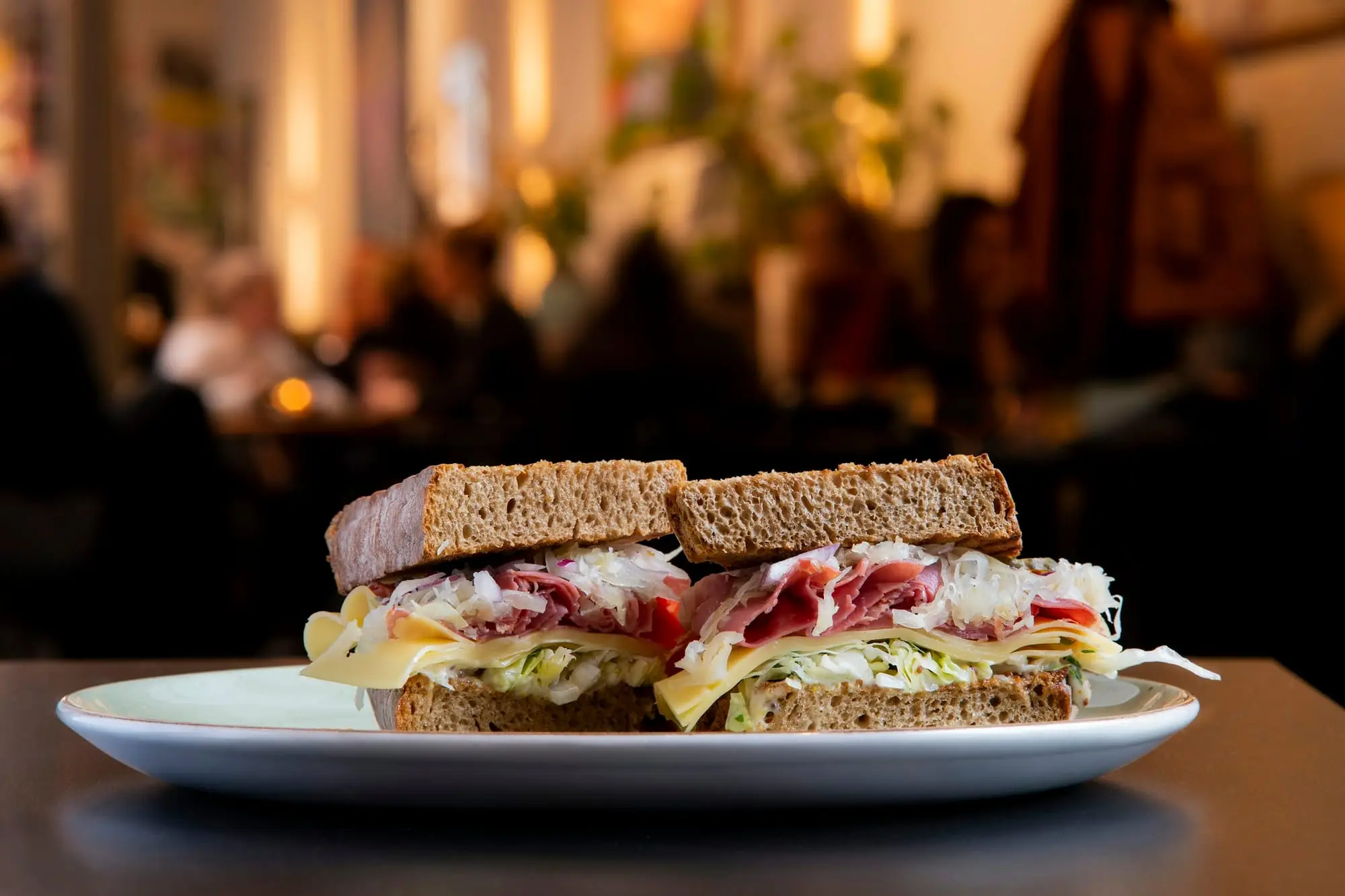
The best meals for a 3-year-old are simple: a protein, a grain, a fruit or vegetable and milk, in portions about a quarter of an adult’s, according to the American Academy of Pediatrics.1 The AAP’s own example of a simple, nutritious meal is a sandwich, a serving of carrots, an apple and a glass of milk.2
In real food, that is roughly a few spoonfuls of each thing on the plate, not a full adult serving. These are the AAP’s serving sizes for toddlers, so treat them as a starting point and let your child ask for more.1
| Food | One serving |
|---|---|
| Cooked pasta, rice or cereal | 4 tbsp |
| Bread | ¼ to ½ slice |
| Cooked vegetables | 1 tbsp per year of age (3 tbsp at 3) |
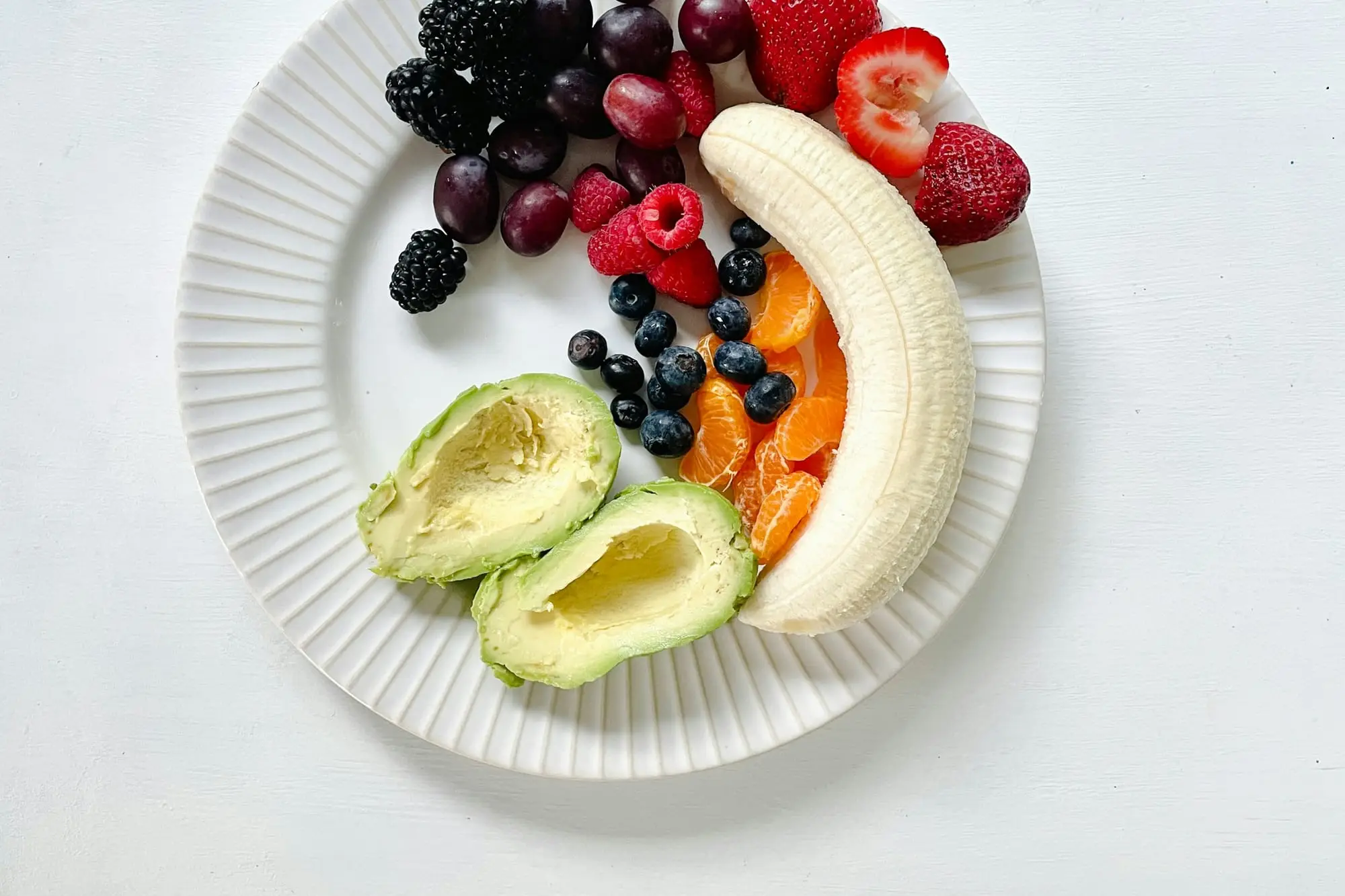
| Fruit | ½ fresh piece, or ¼ cup cooked or canned |
| Meat, fish, poultry or tofu | 1 oz |
| Beans or lentils, cooked | 2 tbsp |
| Egg | ½ egg |
| Milk | ½ cup |
| Yogurt | ⅓ cup |
| Cheese | ½ oz (a 1-inch cube) |
Our toddler portion sizes chart goes through every food group in more detail.
A week of lunches and dinners for a 3-year-old
For more lunch plates at a slightly smaller size, see our 2-year-old lunch ideas.
Every meal below follows the same formula: one protein, one grain, one fruit or vegetable, plus milk or water. Cut and cook foods as shown, because choking is the main risk at this age.5
| Day | Lunch | Dinner |
|---|---|---|
| Mon | Cheese quesadilla, ripe avocado slices, cut-up melon | Pasta with meat sauce, soft-cooked peas |
| Tue | Half a sandwich with thinly spread peanut butter, banana slices | Baked fish, rice, steamed green beans cut small |
| Wed | Plain yogurt with soft fruit, whole-grain toast fingers | Bean and cheese burrito, cooked soft bell pepper |
| Thu | Scrambled egg, buttered toast, mashed berries | Shredded chicken, mashed sweet potato, soft broccoli |
| Fri | Hummus with soft pita, cooked carrot coins quartered | Homemade pizza: cheese, tomato and finely chopped vegetables |
| Sat | Lentil soup with bread, orange segments cut up | Meatballs cut small, noodles, cooked zucchini |
| Sun | Tuna salad on soft bread, cooked soft carrots | Tofu and vegetable stir-fry over rice, pear slices |
For a younger child, see our 2-year-old dinner ideas. You don’t need a different menu for your child. The AAP’s guidance is simply to offer nutritious options at every meal and let your child decide how much to eat.2
How to build a plate in two minutes
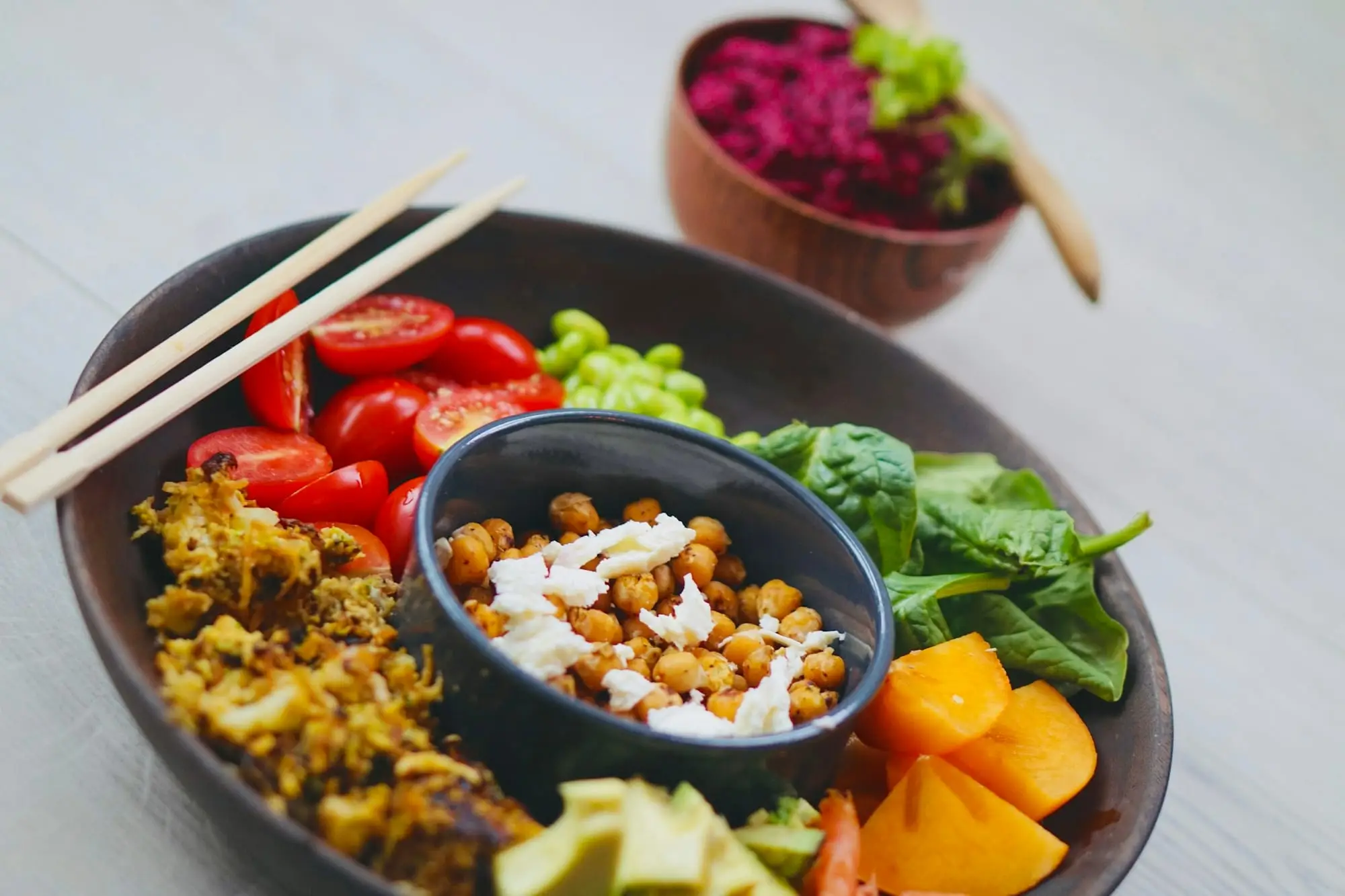
When you’re tired and the question is just “what’s for dinner”, skip the recipe and fill four slots. Pick one from each, using the serving sizes above.1
The four-slot plate
- Protein. Meat, fish, poultry, tofu, egg, beans or lentils. Shred, mince or mash them so they’re easy to chew.
- Grain. Pasta, rice, bread, tortilla, oats or cereal. Whole-grain versions work, but the plain version is fine too.
- Fruit or vegetable. Cooked soft, grated or cut small. One familiar one, one you’re still introducing.
- Milk or water. Milk can go in a cup alongside, or yogurt and cheese can stand in for it.
Nothing here has to be fancy. A plate of cooked pasta, shredded chicken and soft peas, with a cup of milk, is a complete meal, and so is a bean quesadilla with sliced avocado. The point is the mix of food groups across the day, not a perfect lunch.
Leftovers count. Last night’s chicken, shredded, becomes tomorrow’s quesadilla filling; a pot of lentil soup covers two meals. Cooking one family meal and adjusting the texture for your 3-year-old is usually less work than cooking two.
What does a whole day look like?
Meals aren’t the whole picture. The AAP’s sample menu pairs each meal with milk and adds two snacks, such as milk and fruit or yogurt in the morning, and a cracker or cut-up fruit in the afternoon.3 You can borrow that rhythm for a 3-year-old, with the smaller portions from the table above, and swap in your own favorites. If snacks are where the day goes sideways, read how many snacks a toddler should have.
How to serve foods safely at age 3
The AAP says to keep dangerous foods from children until they are 4 or older.5 Hot dogs, whole grapes, nuts, popcorn, raw carrot sticks, raw apple chunks, string cheese and thick spoonfuls of peanut butter are all on the list.56
Round, firm foods like grapes and hot dogs can be served only if they are chopped into tiny pieces, and peanut butter should be spread thinly.5 The AAP’s general rule is to cut food into pieces no larger than one-half inch.5 Cooking foods soft, and cutting or mashing them, helps too.6 That’s why the table above uses cooked carrots and soft fruit, and leaves nuts and popcorn out entirely. For more on why, see can 3-year-olds have popcorn.
What about drinks?
Milk is the main drink worth planning around. The AAP recommends 16 to 24 oz (2 to 3 cups) a day for ages 2 to 5, as nonfat or low-fat (1%) milk.4 If your child fills up on milk, they may skip food; our milk guide explains how to rebalance.
If you serve juice, the AAP limit is no more than 4 oz a day for 2- to 3-year-olds, and it advises avoiding sweetened drinks.4 Water is the default for the rest of the day.
What if they refuse everything on the plate?
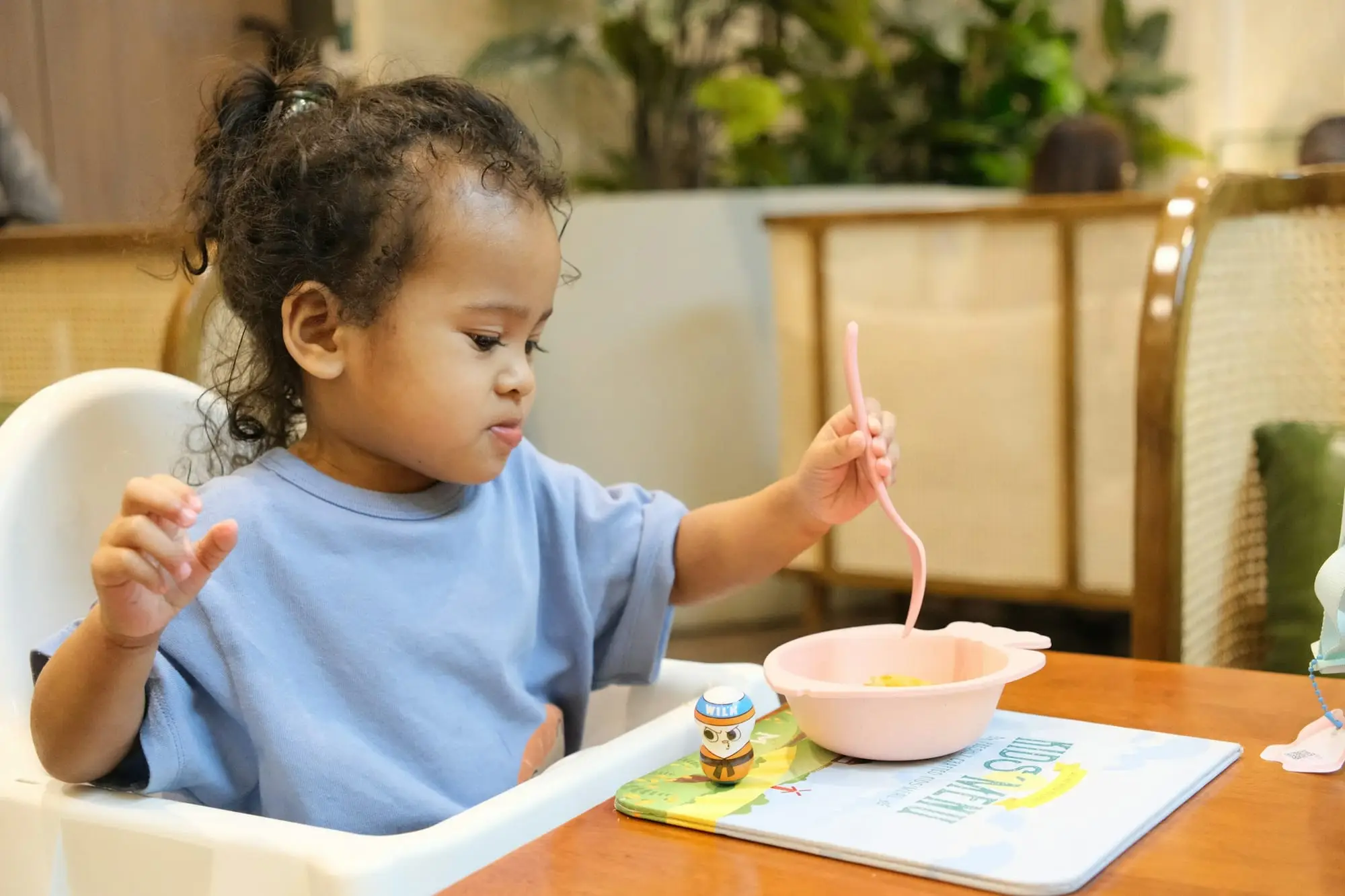
Strong preferences are typical at 3, and the AAP’s advice is not to make an issue of it.2 A few approaches it suggests:
- Offer an “adventure bite.” Put a tiny taste of something new next to foods they already like, and don’t expect a full portion.2
- Keep offering. Developing a taste for a food can take up to 15 to 20 exposures.2
- Split the jobs. You choose the healthy options on the table; your child decides how much to eat.2
- Keep meals simple. The AAP says meals can be simple and nutritious.2
Our guides to a toddler who won’t eat dinner and a toddler who only eats carbs have more ideas. For a lunch you can pack, see daycare lunch ideas that need no reheating.
Do these meals work for a 5-year-old?
Mostly, yes. The AAP’s sample menu for a 4-year-old uses the same building blocks with somewhat larger portions: ½ cup of cereal at breakfast, ½ cup of yogurt as a snack, and at dinner 2 oz of meat, fish or chicken, ½ cup of pasta, rice or potato and ¼ cup of vegetable.3 Use it as a guide for a 5-year-old, and let appetite lead. We’ve put together a week of 5-year-old meal ideas too.
When to talk to your pediatrician
Call your child's doctor if
- Your child is losing weight, or has stopped growing along their usual curve
- They eat only a handful of foods and refuse whole food groups for weeks
- They cough, gag or choke often when eating, or have trouble swallowing
- They have swelling, hives or vomiting soon after eating a food
- You're planning a vegetarian, vegan or dairy-free diet and want to check for gaps
If you’re thinking of a vitamin or other supplement, ask your pediatrician first; they can tell you whether your child needs one and how much.
To see how these meals fit into a full day as your child gets older, read what a 5-year-old should eat in a day.
Common questions
What are good foods for a 3-year-old?
The AAP's own example of a simple, nutritious meal is a turkey or peanut butter sandwich, a serving of carrots, an apple and a glass of milk. Carrots and apples need to be cooked or cut up small at this age, and peanut butter spread thinly.
How much should a 3-year-old eat at one meal?
About a quarter of an adult portion. In AAP serving sizes that is roughly 4 tablespoons of cooked pasta or rice, 1 oz of meat or fish, 3 tablespoons of cooked vegetables and 1/2 cup of milk.
How much milk should a 3-year-old drink?
The AAP says 16 to 24 oz (2 to 3 cups) a day for ages 2 to 5, as nonfat or low-fat (1%) milk.
What if my 3-year-old only eats a few foods?
The AAP says strong food preferences are typical at 3 and it's best not to make an issue of it. Keep offering small amounts of other foods alongside the ones they like; a taste can take up to 15 to 20 exposures to develop.
Are the same meals right for a 5-year-old?
Mostly yes. The AAP's sample menu for a 4-year-old uses the same kinds of foods with somewhat larger portions, such as 1/2 cup of pasta and 2 oz of meat at dinner. Choking cuts matter most until age 4.
Which foods are choking hazards for a 3-year-old?
The AAP says to keep dangerous foods from children until age 4 or older. They include whole grapes, hot dogs, nuts, popcorn, raw carrot sticks, raw apple chunks and thick spoonfuls of nut butter.
Sources
- American Academy of Pediatrics, HealthyChildren.org. Serving Sizes for Toddlers.
- American Academy of Pediatrics, HealthyChildren.org. Feeding & Nutrition Tips: Your 3-Year-Old.
- American Academy of Pediatrics, HealthyChildren.org. Sample One Day Menu for a Preschooler.
- American Academy of Pediatrics, HealthyChildren.org. Recommended Drinks for Children Age 5 & Younger.
- American Academy of Pediatrics, HealthyChildren.org. Choking Prevention.
- Centers for Disease Control and Prevention. Choking Hazards — Infant and Toddler Nutrition.
This article is for general information and isn't a substitute for advice from your child's doctor. Our editorial standards.