On this page
The short version
- No — popcorn is on the AAP's list of foods to avoid or modify for young children, and a 3-year-old is still in that group.
- The AAP says to keep foods like this from children until age 4 or older, depending on development and maturity.
- Popcorn can be swallowed whole and block the windpipe, so it's a hazard even for kids who seem to chew well.
- Safer swaps: yogurt, soft fruit cut small, and crackers with a thin spread.
The short answer
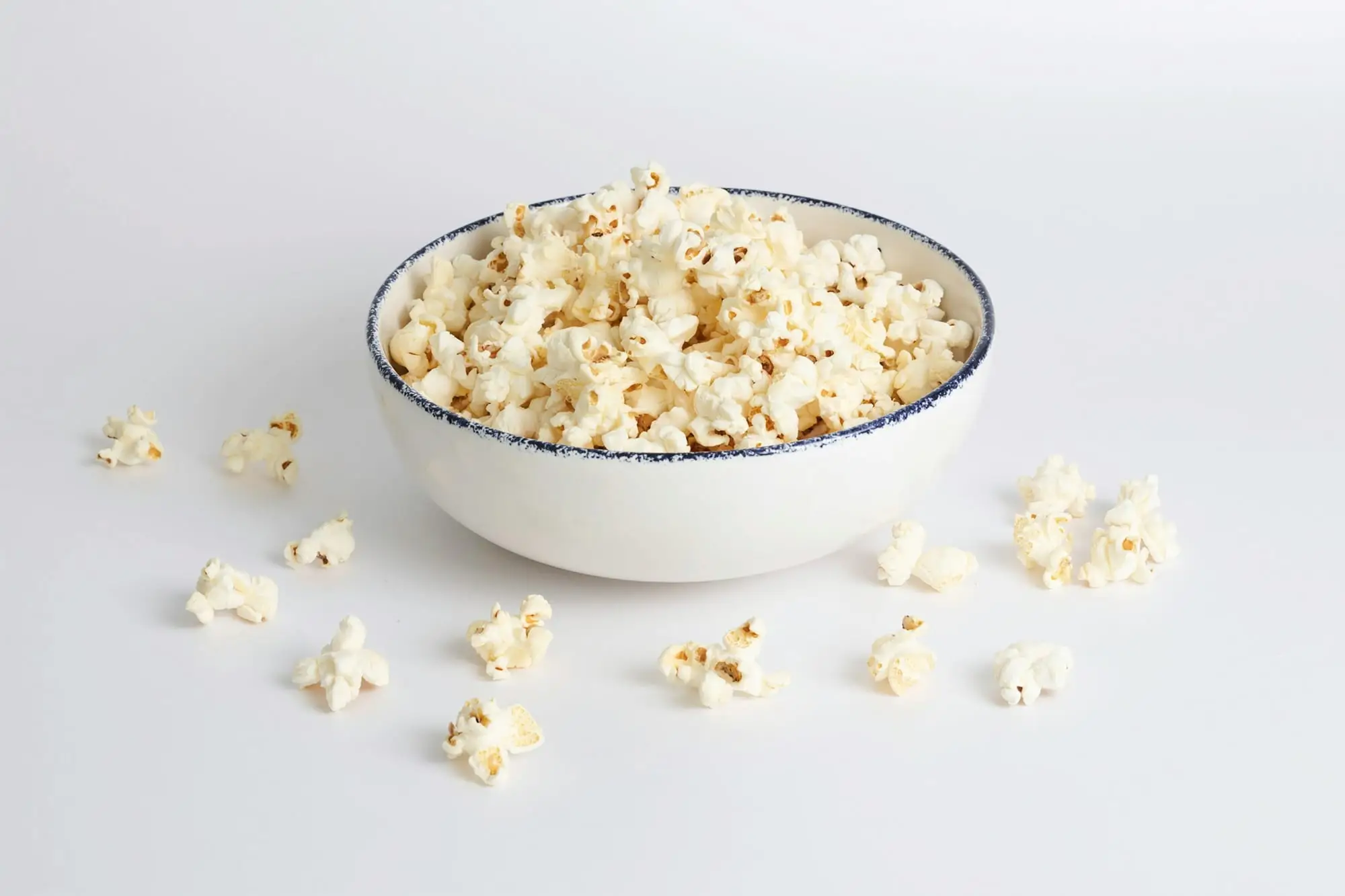
No — a 3-year-old shouldn’t have popcorn yet. The American Academy of Pediatrics lists popcorn among the foods to avoid or modify for young children, and advises keeping dangerous foods from children until 4 years of age or older, depending on their development and maturity.1 The CDC’s choking guidance also lists popcorn among the grain foods to avoid.2
That’s not a judgment about your parenting or your child’s chewing. It’s about the food: the AAP says popcorn is one of the foods that could be swallowed whole and block the windpipe.3
Popcorn is a snack to wait on, not one to fear forever. Most kids can start around age 4 or later.
Why is popcorn a choking hazard?
Young children don’t always grind or chew food well, and the AAP says they may try to swallow it whole.1 Popcorn sits on the same list as whole grapes, nuts, hot dogs, raw carrot sticks and chunks of cheese or meat.1
Babies and toddlers also have small airways, so even a modest piece can cause trouble.1 The risk isn’t about how many pieces you give. Both the AAP and the CDC simply list popcorn as a food to avoid, with no “safe amount.”12
At what age can kids have popcorn?
The AAP doesn’t set one birthday. It says to keep foods like this from children until age 4 or older, depending on development and maturity.1 Here’s how that plays out:
| Age | Popcorn? | What to do |
|---|---|---|
| Under 1 year | No | Offer foods that are soft or mashed |
| 1–3 years | No | On the AAP's avoid list; pick a safer snack |
| 3–4 years | Not yet | Still in the "until 4 or older" window |
| 4+ years | Maybe | Depends on development and maturity; ask your pediatrician |
If your 4-year-old chews thoroughly, sits down to eat and can follow directions, they’re more likely to be ready. If they stuff their mouth, run around while eating or have trouble chewing, wait longer and check with your pediatrician.
What else is on the avoid list?
Popcorn isn’t the only snack to hold off on. The AAP’s list of foods to avoid or modify for young children also includes:1
- Hot dogs, meat sticks and sausages, and chunks of meat
- Whole grapes, raw vegetables such as carrot sticks, and raw fruit chunks such as apple pieces
- Nuts and seeds, especially sunflower seeds
- Thick chunks of peanut butter or other nut butters
- Hard, gooey or sticky candy, marshmallows and chewing gum
- Chunks of cheese or string cheese
“Modify” matters here: many of these become safer when you change the shape or texture. The AAP says round, firm foods like hot dogs or grapes can be served only if completely chopped into tiny pieces, and nut butter should be spread thinly.1 Popcorn is different, because there’s no everyday way to change it, which is why both the AAP and CDC just list it as a food to avoid.12
What can a 3-year-old have instead?
Look for foods that are soft, or that you can cut small. The AAP says to cut food for young children into pieces no larger than one-half inch.1 A few easy swaps, using the AAP’s toddler serving guide:4
Snack swaps for popcorn night
- Yogurt. About ⅓ cup is a toddler portion.4
- Crackers. One or two, plain, with a thin spread of smooth peanut butter. The AAP says to spread nut butters thinly rather than serve thick chunks.14
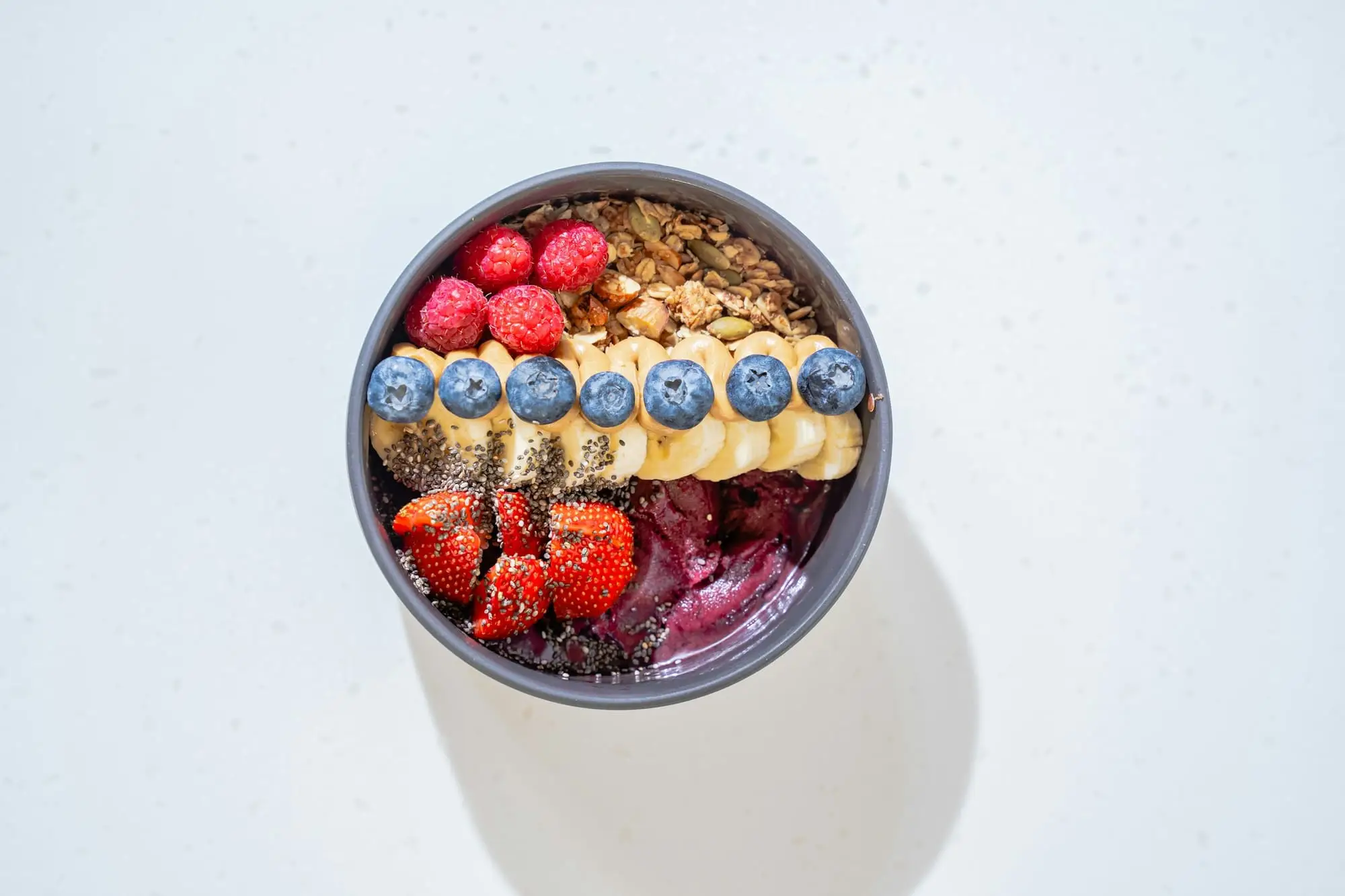
- Soft fruit. Ripe banana or cooked fruit cut into small pieces. The AAP lists raw apple chunks and whole grapes as hazards, so cut or cook these first.1
- Cheese, thinly sliced or shredded. The AAP lists chunks of cheese as a hazard, so skip cubes and string cheese.1
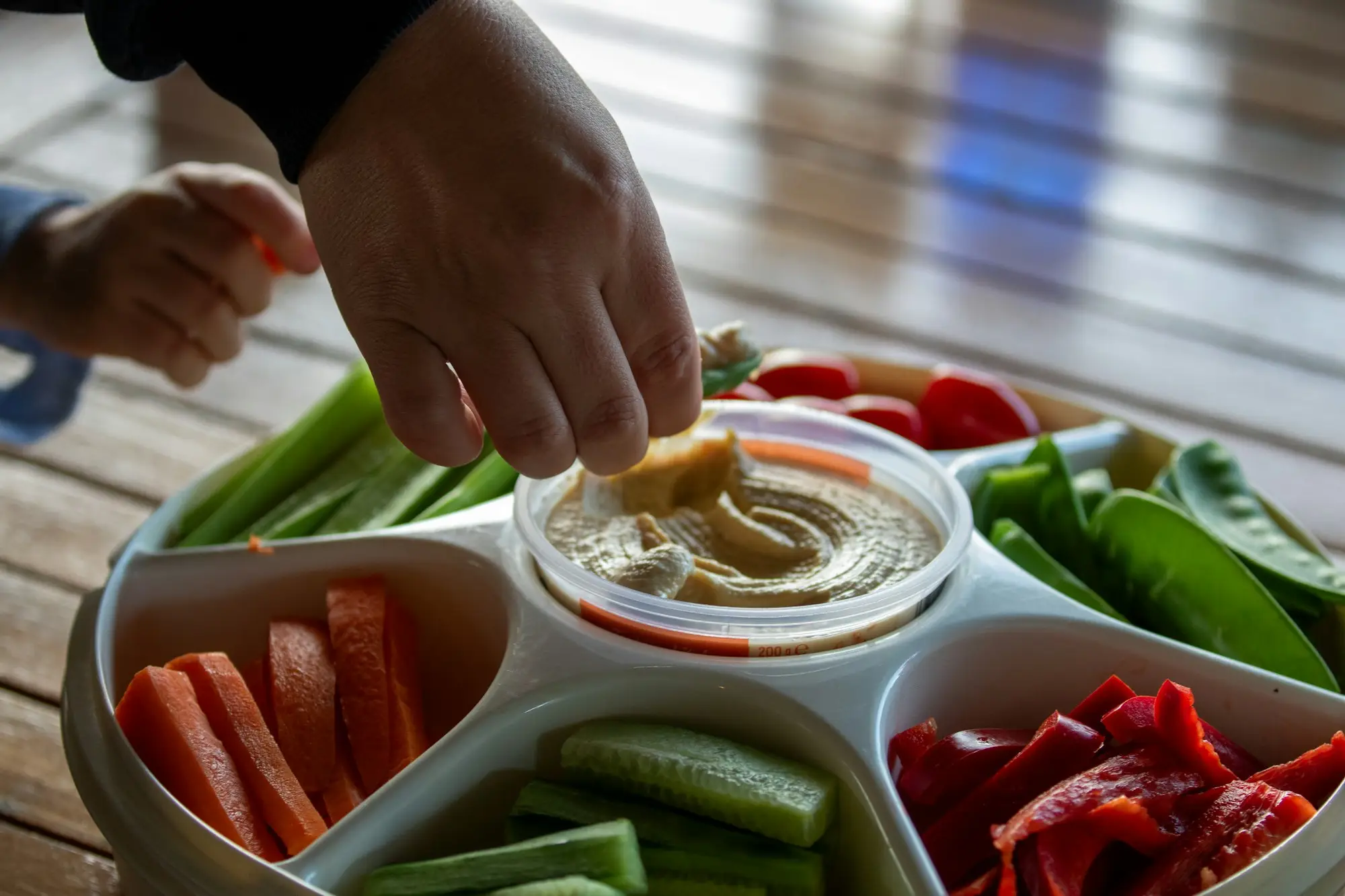
- Movie-night plate. Yogurt dip with soft fruit pieces gives the same “snack in front of a show” feeling. Sit at the table to eat it, though — see below.
A toddler’s portion is about one-quarter of an adult’s, so keep snacks small.4 For ideas on timing and how many to offer, see how many snacks a toddler should have, and for full plates, the best meals for 3-year-olds. For more safely cut ideas, see our 25 snack ideas for 2-year-olds.
How to make snack time safer
Whatever you serve, how it’s eaten matters.
- Sit down. The AAP says to have children eat at the table or sit down, and never let them run, walk, play or lie down with food in their mouths.1
- Skip the car and stroller. The CDC advises against eating in the car or stroller.2
- Watch closely. Stay with your child while they eat.2
- Tell everyone. Grandparents, sitters and daycare may offer popcorn at a movie or party. A quick heads-up helps. See also our daycare lunch ideas for safe cuts.
- Learn CPR. The AAP recommends taking a certified CPR and first aid course.1
What about older siblings and snacks at parties?
Popcorn tends to show up at movie nights, birthday parties and with big brothers and sisters. The AAP advises being aware of what older children are doing, since a toddler may reach for what they’re eating.1 If older kids are having popcorn, give them their own bowl, keep it out of the toddler’s reach, and give your 3-year-old a safe snack of their own at the same time so they don’t feel left out.
It also helps to tell grandparents, babysitters and other families in advance. A short “no popcorn, nuts or whole grapes for now” is usually all it takes, and the AAP’s guidance gives you something concrete to point to.1
What if my child already ate popcorn?
Most of the time nothing happens, but stay close and watch. The AAP notes that if your child is coughing, you should keep watching closely.1 Don’t be alarmed — just treat it as a reason to wait on popcorn.
Call your child's doctor, or get help right away, if
- Your child is struggling to breathe, gasping or wheezing, or can't cry, talk or make noise
- Their lips or skin look bluish, or they go limp
- They keep coughing, gagging or drooling after eating and can't seem to clear it
- You have questions about when your child is ready for foods on the avoid list
The AAP lists trouble breathing, gasping or wheezing, a bluish color and going limp as signs that a child may be choking and needs help right away.1
Common questions
Can a 3-year-old eat popcorn?
Not yet. The AAP lists popcorn among foods to avoid or modify for young children and says to keep dangerous foods from children until 4 years of age or older, depending on development and maturity.
Can a 4-year-old eat popcorn?
Often, yes. The AAP's guidance runs until age 4 or older depending on your child's development and maturity, so a 4-year-old who chews well, sits to eat and can follow directions is more likely to be ready. Ask your pediatrician if you're unsure.
Can toddlers have popcorn if it's crushed or very soft?
Neither the AAP nor the CDC offers a safe-popcorn preparation for toddlers; both simply list popcorn as a food to avoid. It's simpler to choose a different snack for now.
Is popcorn okay for toddlers if I only give a few pieces?
The hazard is the food itself, not the amount, so the advice is to skip it. Both the AAP and CDC list popcorn as a choking risk for young children.
What should I do if my toddler is choking on food?
Signs include trouble breathing, gasping or wheezing, being unable to cry or talk, a bluish color, or going limp. The AAP says this needs help right away, and recommends taking a certified CPR and first aid course through the Red Cross or American Heart Association.
Sources
- American Academy of Pediatrics, HealthyChildren.org. Choking Prevention for Babies & Children: What Every Parent Needs to Know.
- Centers for Disease Control and Prevention. Choking Hazards.
- American Academy of Pediatrics, HealthyChildren.org. Feeding & Nutrition Tips: Your 2-Year-Old.
- American Academy of Pediatrics, HealthyChildren.org. Serving Sizes for Toddlers.
This article is for general information and isn't a substitute for advice from your child's doctor. Our editorial standards.