On this page
The short version
- The AAP says a sit-down breakfast built from the four basic food groups is best — protein, dairy, fruits and vegetables, and grains.
- Toddler portions are small — about ½ slice of bread, ⅓ cup of yogurt or ½ an egg.
- Leftovers, yogurt, oatmeal and eggs all count; breakfast doesn't have to look like breakfast.
- Until about age 4, cut round foods small and skip whole nuts, seeds and popcorn.
What is a good breakfast for a 2-year-old?
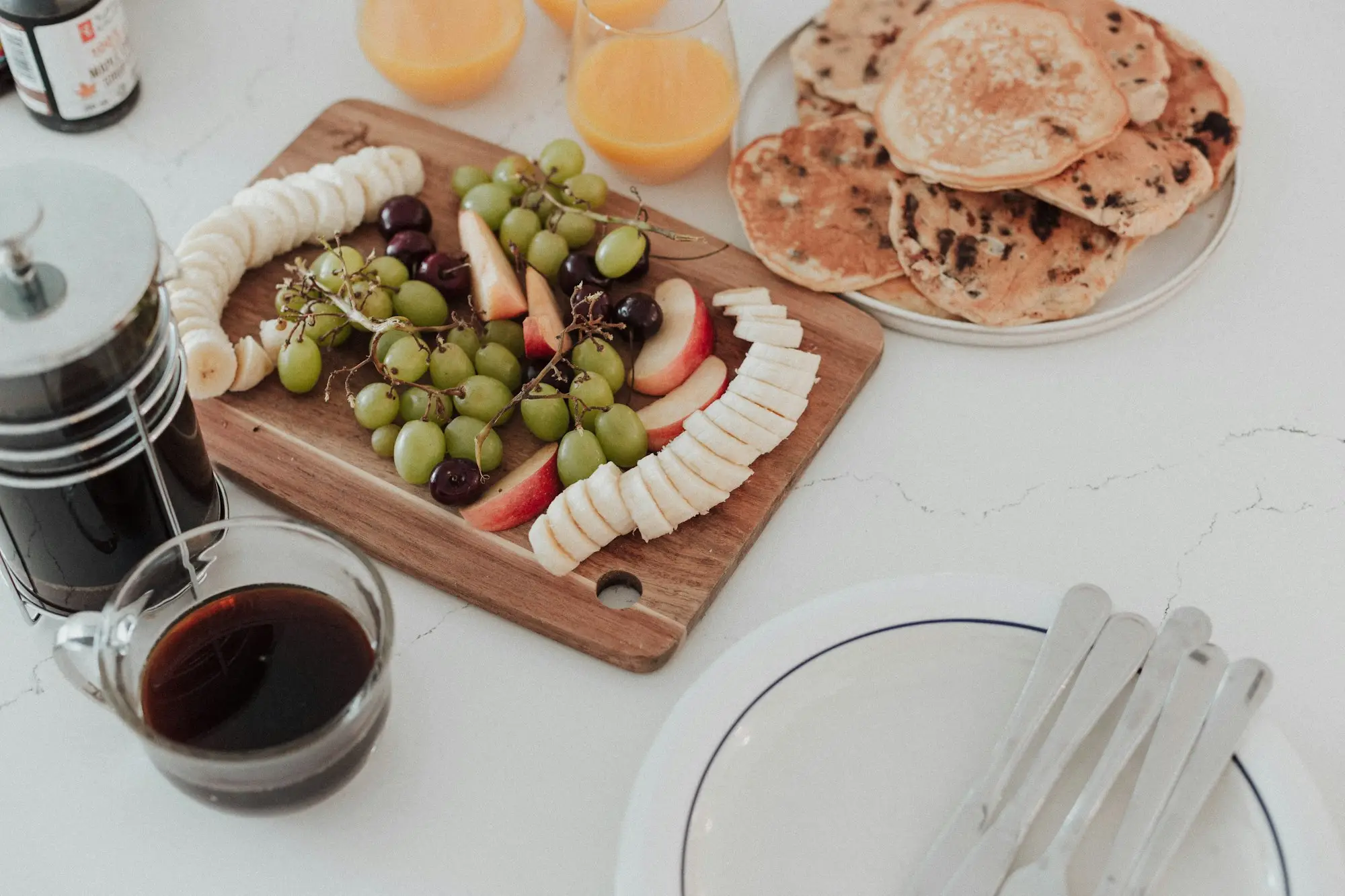
A good breakfast for a 2-year-old pairs a protein or dairy food with fruit and a grain. The American Academy of Pediatrics (AAP) describes the building blocks of toddler meals as protein foods, dairy, fruits and vegetables, and grains such as whole wheat bread and oatmeal.1 Yogurt, sliced banana and a little oatmeal is a complete breakfast.
The AAP’s own advice for breakfast is simple: “think protein, think fruits and vegetables, and think creatively,” and a sit-down breakfast with foods from the four basic groups is best.3 It also notes that breakfast is a good way to feed bone-building calcium and vitamin D.3
At this age, breakfast is one of three meals, plus one or two snacks.1 That takes the pressure off. If your toddler eats three bites of toast this morning, there’s another chance in a couple of hours.
How much is a toddler portion?
Smaller than you’d think. The AAP’s toddler serving sizes are a good guide for what to put on the plate.2 Offer a little, and let your child ask for more.
| Food | One toddler serving |
|---|---|
| Bread | ¼ to ½ slice |
| Cooked cereal, rice or pasta | 4 tbsp |
| Dry cereal | ¼ cup |
| Yogurt | ⅓ cup |
| Milk | ½ cup |
| Cheese | ½ oz (a 1-inch cube) |
| Egg | ½ an egg, yolk and white |
| Fresh fruit | ½ piece |
| Cooked or canned fruit | ¼ cup |
For the rest of the day, see our toddler portion size guide. Many toddlers eat a lot one day and very little the next, and that’s usually normal.
15 quick breakfast ideas for a 2-year-old
All of these take about 10 minutes or less. Each pairs at least two food groups; add a piece of fruit to any that don’t have one.
Dairy and protein breakfasts
- Yogurt with fruit. Plain yogurt with mashed berries or soft diced peach. A toddler serving is ⅓ cup.2
- Cottage cheese with soft fruit. Spoon it next to ripe pear or canned peaches (drained).
- Scrambled egg and toast fingers. Half an egg is a toddler serving; cut toast into strips.2 Eggs are also one of the AAP’s grab-and-go breakfast suggestions.3
- Cheese and cracker plate. A ½-oz cube of cheese, cut into small pieces, with 1 or 2 whole-grain crackers and sliced banana.2
- Ricotta toast. Soft ricotta on a quarter slice of toast, topped with thin fruit slices.
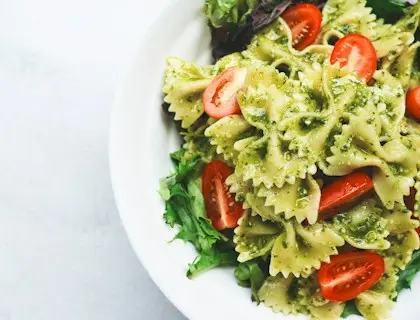
- Last night’s dinner. Chicken, rice or whole-wheat pasta, finely chopped. The AAP says leftovers can make a breakfast.3
Grain-based breakfasts
- Oatmeal cooked in milk. Stir in mashed banana or stewed apple instead of sugar.
- Overnight oats. Oats, milk and yogurt soaked overnight until soft; add fruit in the morning.
- Whole-grain cereal with milk and fruit. A toddler serving of dry cereal is about ¼ cup.2 The AAP lists whole-grain cereals and breads as a good morning source of fiber.3
- Pancake strips. Make whole-grain pancakes ahead and freeze; serve with yogurt and fruit instead of syrup.
- Mini whole-wheat bagel or toast. Spread thinly with mashed avocado or cream cheese and cut the soft bread or bagel into small squares, no larger than ½ inch.
Fruit-forward and blended breakfasts
- Fruit-and-milk blender shake. The AAP suggests a blender shake made with fruit and milk.3 Serve a small amount in an open cup, alongside food rather than in place of it.
- Frozen banana “pops.” The AAP’s example is a frozen banana dipped in yogurt and rolled in crushed cereal.3 Offer it in thin slices, let it soften for a minute, and keep your child seated and supervised.
- Breakfast quesadilla. Half a small tortilla with a little cheese and mashed beans, cut into small wedges.
- Peanut butter and apple. The AAP suggests peanut butter on whole-wheat crackers or apple slices.3 Spread it in a thin layer on thin or grated apple; never give thick chunks of nut butter.4
If your toddler needs more protein-rich options without eggs, our list of toddler breakfasts with no eggs gives the numbers for each.
What about 1-, 3- and 4-year-olds?
The same food groups work at every age from 1 to 4; what changes is texture and portion size.
- 1-year-olds need softer, smaller pieces and more help at the table. See our 1-year-old meal ideas for the whole day.
- 3-year-olds can usually handle slightly larger portions and more independence with a spoon. Our guide to meals for 3-year-olds has ideas for lunch and dinner too.
- 4-year-olds still need the food-safety cuts below, because the AAP says to keep the highest-risk foods away until 4 or older.4 Portions grow, but the pattern is the same.
Keep breakfast choking-safe
The AAP says the risk of choking at this age is high.1 It lists whole grapes, nuts and seeds, popcorn, raw vegetables such as carrot sticks, thick chunks of nut butter and hot dogs among the foods to keep from children until age 4 or older.4 It also flags chunks of cheese or string cheese and raw fruit chunks such as apple pieces.4
- Cut food into pieces no larger than ½ inch.4 Halve or quarter berries and any grapes.
- Serve cheese in small pieces and apple thinly sliced or grated, not in chunks.4
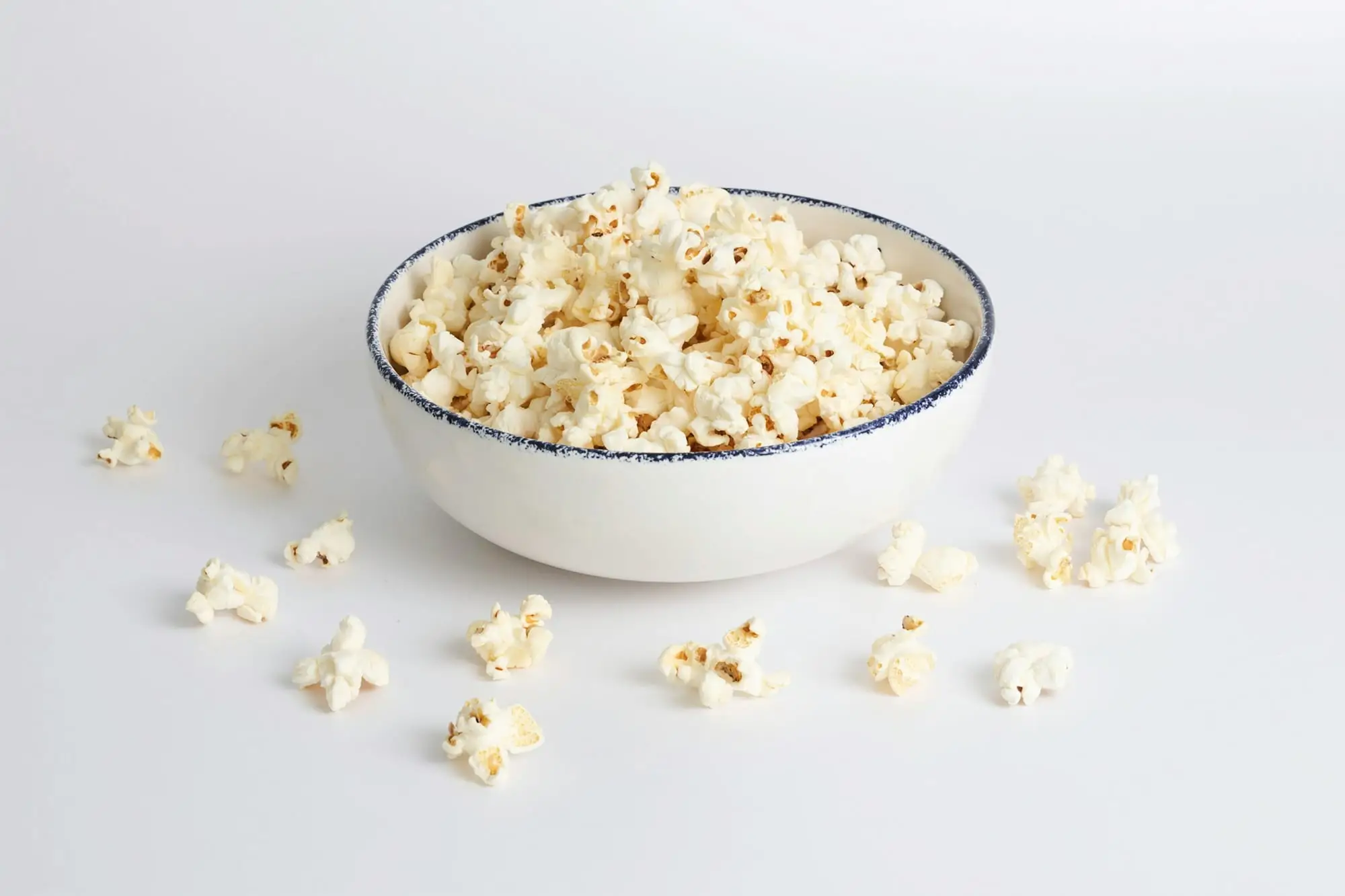
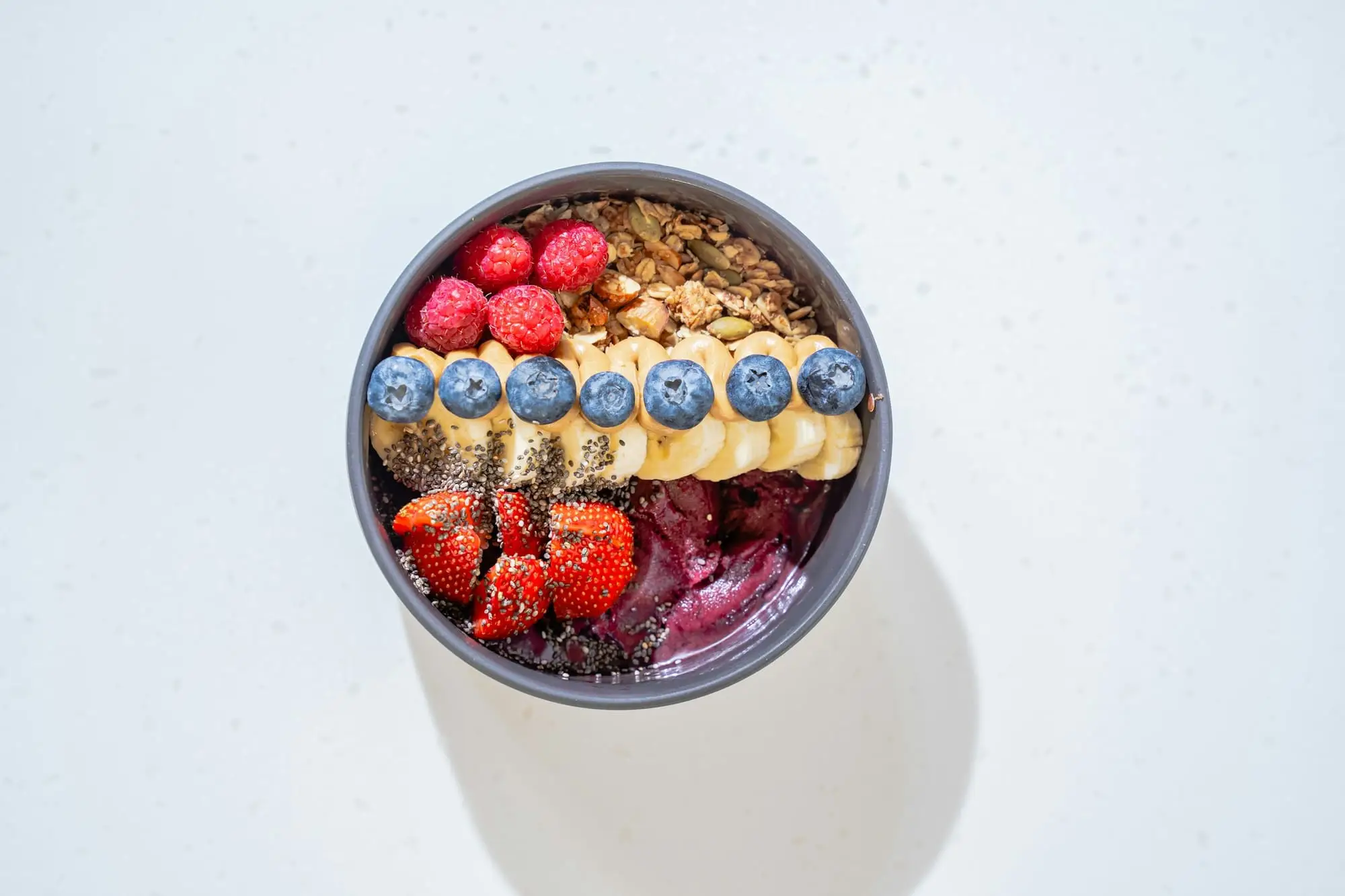
- Skip whole nuts and seeds as toppings, including on granola or yogurt bowls.4
- Spread nut butter thinly.4
- Have your child sit down to eat. The AAP says children should eat at the table or sitting down.4
Breakfast tips for busy mornings
- Prep the night before. Overnight oats, cut fruit and pre-made pancakes all keep breakfast to a couple of minutes.
- Offer two choices. Asking “toast or cereal?” gives your toddler some control and avoids an early-morning standoff.
- Pair, don’t push. A familiar food next to a new one is enough. Our 2-year-old picky eater guide has more on keeping meals calm.
- Go easy on milk. The AAP suggests about 16 oz of milk a day at age 2 and warns that more than 32 oz can interfere with iron absorption.1 Offer it with breakfast, not as a replacement for it.
For snacks later in the morning, try our 2-year-old snack ideas.
When to talk to your pediatrician
Call your child's doctor if
- Your child coughs, gags or chokes often while eating
- Hives, swelling, vomiting or trouble breathing follow any food
- The list of foods they'll accept keeps getting shorter
- They are losing weight or aren't gaining as expected
- You're considering any vitamin or supplement for them
Every toddler’s appetite is different, and one skipped breakfast isn’t a concern. If you’re worried about what or how much your child eats over weeks, your pediatrician is the right person to ask.
Common questions
What is a good breakfast for a 2-year-old?
One that includes foods from several groups — for example plain yogurt with fruit and a slice of whole-wheat toast. The AAP lists protein, dairy, fruits and vegetables, and grains as the groups to build meals from.
How much should a 2-year-old eat for breakfast?
Less than most parents expect. The AAP's serving sizes for toddlers include ¼ to ½ slice of bread, ½ cup of milk, ⅓ cup of yogurt or ½ an egg. Let your child decide how much of what you offer to eat.
Is cereal an OK breakfast for a toddler?
Yes, as one part of a breakfast. The AAP lists whole-grain cereal as a good morning source of fiber. Add fruit and milk or yogurt so the bowl covers more than one food group, and check the label for added sugar.
What can a toddler eat for breakfast that isn't breakfast food?
Last night's dinner. The AAP notes that leftovers such as chicken or whole-wheat spaghetti can make a breakfast.
Are the same breakfast ideas OK for 1-year-olds and 3-year-olds?
Mostly yes, with changes in texture and portion. 1-year-olds need softer, smaller pieces and more help with spoons, and children keep the same food-safety cuts until about age 4. For babies under 12 months, never serve honey.
My toddler wants the same breakfast every day. Is that a problem?
Usually not. Many toddlers go through phases of eating the same food. Keep offering other foods alongside it without pressure, and mention it to your pediatrician if the list of foods your child accepts keeps shrinking.
Sources
- American Academy of Pediatrics, HealthyChildren.org. Feeding & Nutrition Tips: Your 2-Year-Old.
- American Academy of Pediatrics, HealthyChildren.org. Serving Sizes for Toddlers.
- American Academy of Pediatrics, HealthyChildren.org. Breakfast for Learning.
- American Academy of Pediatrics, HealthyChildren.org. Choking Prevention for Babies & Children: What Every Parent Needs to Know.
This article is for general information and isn't a substitute for advice from your child's doctor. Our editorial standards.