On this page
The short version
- Toddlers aged 1 to 3 need about 13 g of protein a day — a breakfast with 5–8 g covers roughly half.
- Greek yogurt, cottage cheese, ricotta, milk, tofu, beans and last night's chicken all beat eggs on protein per toddler portion.
- Make-ahead options (overnight oats, freezer burritos, smoothie packs) take the pressure off busy mornings.
- Spread nut butters thinly and cut round foods small — choking risk stays high until about age 4.
How much protein does a toddler need at breakfast?
Toddlers aged 1 to 3 need about 13 grams of protein a day, rising to 19 grams at ages 4 to 8, according to the U.S. Dietary Reference Intakes used in the Dietary Guidelines.1 There’s no separate breakfast target, but a breakfast with 5 to 8 grams covers roughly half the day’s need.
That’s easier than it sounds without eggs. A ⅓-cup serving of plain Greek yogurt has about 7 grams; half a cup of milk adds about 4 more.2 Most toddlers who skip eggs aren’t short on protein at all — for the full picture, see how much protein a toddler needs.
All the amounts below are for a toddler-sized portion. The AAP puts a toddler serving at about a quarter of an adult’s: ⅓ cup of yogurt, ½ oz of cheese, ½ slice of bread or 1 oz of meat.3 Protein figures are calculated from USDA FoodData Central and rounded; brands vary.2
| Breakfast | Toddler portion | Protein (approx.) |
|---|---|---|
| 5-minute: Greek yogurt bowl | ⅓ cup plain whole-milk Greek yogurt + mashed berries | ≈ 7 g |
| 5-minute: Ricotta toast | ¼ cup whole-milk ricotta on ½ slice whole-wheat toast | ≈ 7 g |
| 5-minute: Oatmeal cooked in milk | ¼ cup dry oats + ½ cup whole milk | ≈ 6.5 g |
| 5-minute: Cottage cheese + soft fruit | ¼ cup cottage cheese + diced peaches | ≈ 6 g |
| 5-minute: Dinner for breakfast | 1 oz diced roast chicken + rice or toast | ≈ 9 g |
| Make-ahead: Overnight oats | ¼ cup oats + ¼ cup milk + 2 tbsp Greek yogurt | ≈ 7 g |
| Make-ahead: Tofu scramble | ¼ cup crumbled firm tofu | ≈ 6–11 g |
| Make-ahead: Bean & cheese burrito | ½ small tortilla + 2 tbsp refried beans + 2 tbsp cheddar | ≈ 6 g |
| Make-ahead: Smoothie pack | ¼ cup milk + ¼ cup Greek yogurt + ¼ banana | ≈ 7.5 g |
| On-the-go: Cheese + crackers | ½ oz cheddar + 2 whole-wheat crackers | ≈ 4 g |
| On-the-go: Nut-butter roll-up | ½ small tortilla + 2 tsp peanut butter, spread thin | ≈ 4 g |
| On-the-go: Hummus + pita | 2 tbsp hummus + ½ small whole-wheat pita | ≈ 4 g |
5-minute breakfasts
Fast, no-cook or one-pan
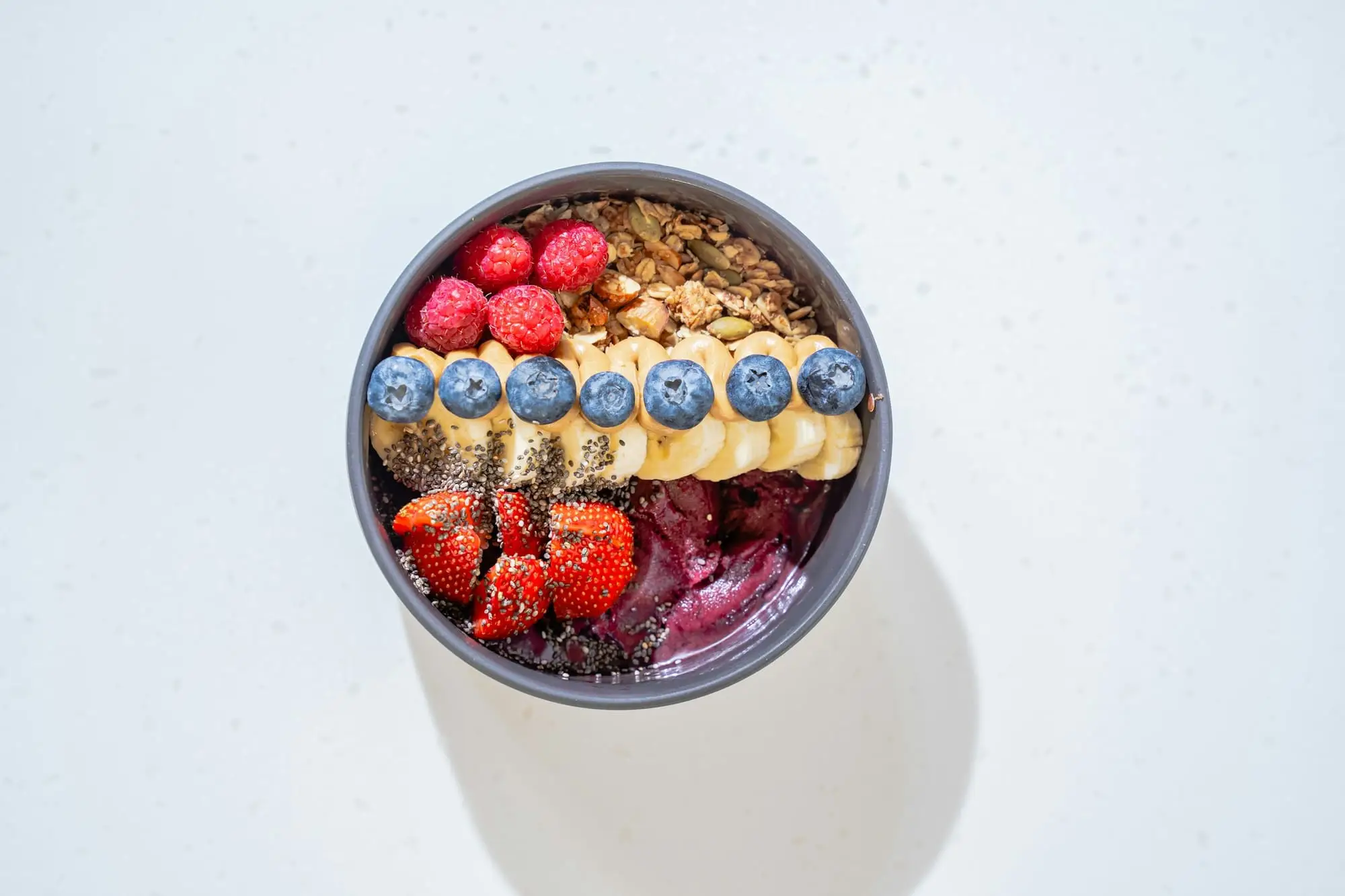
- Greek yogurt bowl (≈ 7 g). Why it works: strained yogurt has roughly two and a half times the protein of regular plain yogurt — about 9 g per 100 g versus 3.5 g.2 Choose plain and sweeten with mashed fruit; the Dietary Guidelines advise avoiding added sugars in early childhood.7
- Ricotta toast (≈ 7 g). Why it works: soft, spreadable dairy protein on a grain — a texture most new chewers manage easily. Top with thin banana slices or a smear of mashed berries.
- Oatmeal cooked in milk (≈ 6.5 g). Why it works: cooking oats in milk instead of water more than doubles the protein. Stir in 1 tsp of peanut butter for about 1 g more.2
- Cottage cheese with soft fruit (≈ 6 g). Why it works: ¼ cup has about as much protein as a large egg.2 Pair with diced canned peaches (rinsed) or ripe pear.
- Dinner for breakfast (≈ 9 g). Why it works: 1 oz of chicken, fish or meat is a full toddler protein serving.3 There’s no rule that breakfast has to look like breakfast — leftover chicken and rice, pasta with beans, or a lentil soup all count.
Make-ahead breakfasts
Prep on Sunday, serve all week
- Overnight oats (≈ 7 g). Why it works: oats, milk and a spoonful of Greek yogurt soaked overnight become soft enough for young chewers. Make four jars at once and add fruit in the morning.
- Tofu scramble (≈ 6–11 g). Why it works: crumbled tofu looks and eats like scrambled egg. Protein depends on the tofu — about 9 to 17 g per 100 g — so check the label.2 Cook a batch with a pinch of turmeric and reheat portions.
- Bean and cheese freezer burritos (≈ 6 g). Why it works: beans and cheese add up to more protein than either alone. Roll, wrap, freeze, and microwave from frozen; cut into small pieces and check the filling isn’t too hot.
- Smoothie packs (≈ 7.5 g). Why it works: Greek yogurt and milk carry the protein; fruit and a handful of spinach go in the freezer bag. Blend in the morning and serve in an open cup — and keep it to a toddler-sized portion so it doesn’t replace food.
On-the-go breakfasts
For car seats and daycare drop-off, these travel without a spoon. Ideally, though, your toddler eats sitting down and supervised — the AAP advises against letting young children eat while walking or running around.5
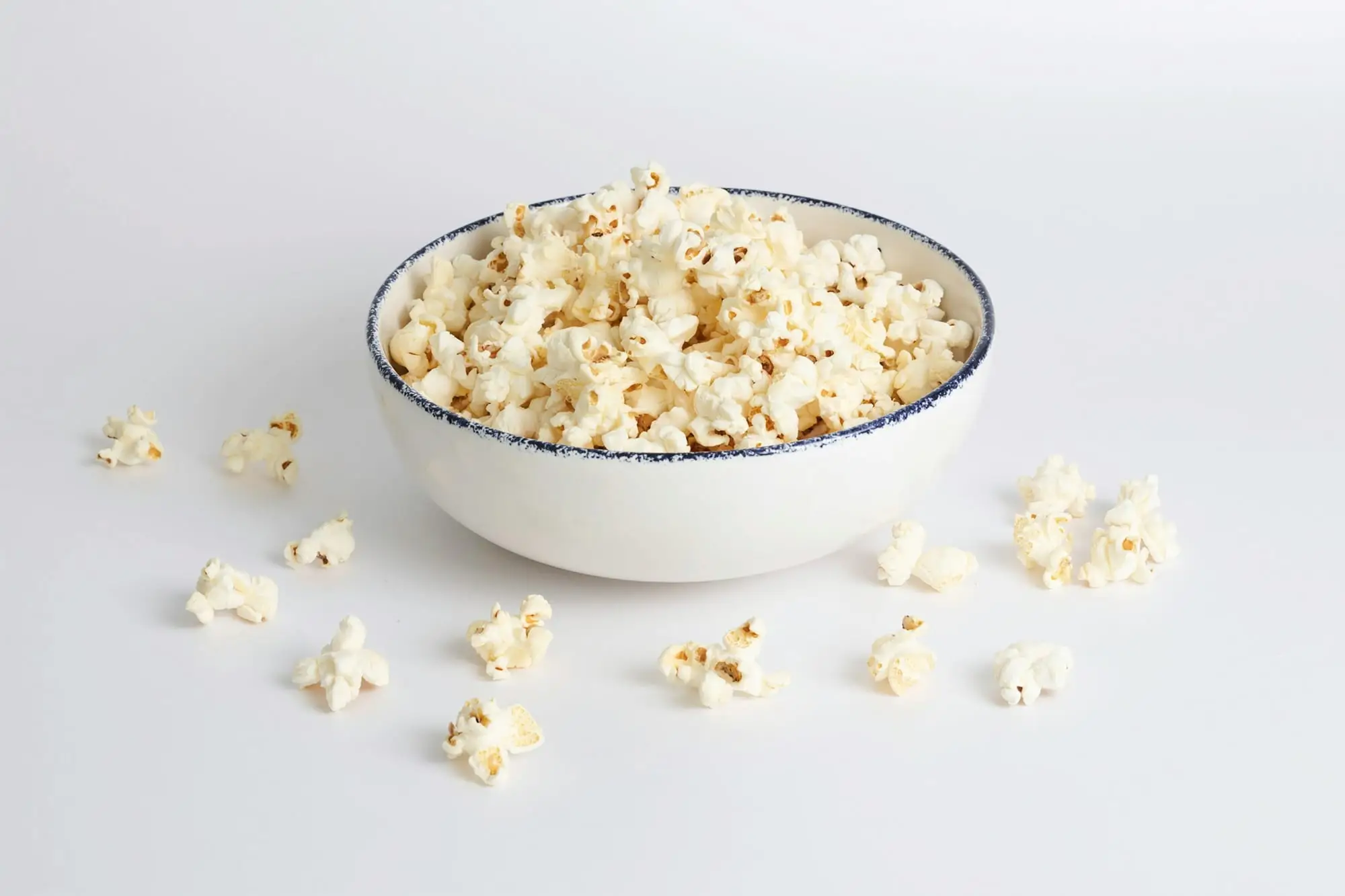
- Cheese and whole-grain crackers (≈ 4 g). Cut cheese into small pieces rather than sending chunks or string cheese, and pick crackers without whole seeds.5
- Nut- or seed-butter roll-up (≈ 4 g). A thin layer of peanut or sunflower seed butter on half a small tortilla, with banana sliced lengthwise inside, rolled and cut into small pinwheels.6
- Hummus and soft pita (≈ 4 g). Pack a couple of tablespoons of hummus with strips of whole-wheat pita and some soft fruit. Add a small cup of milk for a total near 8 g.2
Keeping breakfast choking-safe
Children don’t chew with a grinding motion until about age 4, so the AAP recommends keeping high-risk foods away — or modifying them — until then.85
- Nut butters: spread thinly; never give a spoonful or a thick chunk.5
- Grapes, cherry tomatoes and berries: cut lengthwise or into quarters.6
- Whole nuts and seeds: avoid; use smooth butters or finely ground nuts mixed into oatmeal instead.6
- Everything else: pieces no larger than ½ inch.5
If eggs are off the table because of allergy
Eggs are one of the most common food allergies in children, and the AAP notes that most egg allergies go away by age 5.4 Whether and when to test that — and whether egg baked into muffins, pancakes or waffles is OK for your child — is a decision to make with your child’s allergist, not at home. If your baby hasn’t had egg yet, see when to introduce egg, peanut and other allergens.
Until then, read the label on every bread, waffle, pasta and baked good, every time you buy it; ingredients can change.4 Every idea on this page can be made egg-free, but check packaged tortillas, crackers and breads. For the rest of the day, the toddler portion size guide shows what a full day of meals looks like.
If breakfast is the only meal your toddler eats well, that’s common and usually fine — see why in our guide to toddlers who won’t eat dinner.
When to talk to your pediatrician
Call your child's doctor if your child
- Has hives, swelling, vomiting or trouble breathing after eating any food
- Refuses whole food groups and the list of foods they'll eat keeps shrinking
- Is losing weight, or has stopped gaining weight as expected
- Gags, chokes or coughs often while eating
Common questions
What can a toddler eat for breakfast instead of eggs?
Plain Greek yogurt, cottage cheese, ricotta toast, oatmeal cooked in milk, tofu scramble, bean and cheese burritos, thinly spread nut-butter toast, or leftovers from dinner. Most of these give a toddler 4–9 g of protein per portion.
How much protein does a toddler need at breakfast?
There's no breakfast-specific target. Toddlers aged 1 to 3 need about 13 g of protein a day in total, so a breakfast with 5–8 g covers roughly half and leaves the rest to lunch, dinner and snacks.
What's a high-protein breakfast for a toddler on the go?
Cheese cut into small pieces with whole-grain crackers, a tortilla roll-up with a thin layer of nut or seed butter, or hummus with soft pita. Each gives about 4 g of protein and needs no cooking.
My toddler has an egg allergy. Are baked goods with egg OK?
Don't assume so. Whether your child can have egg in any form — including baked into muffins or pancakes — is a question for your child's allergist. Read labels every time, because ingredients can change.
Is peanut butter safe for toddlers at breakfast?
Yes, if it's spread thinly on toast or stirred into oatmeal and your child isn't allergic. Spoonfuls or thick chunks of nut butter are a choking hazard for children under 4.
Sources
- U.S. Department of Agriculture and U.S. Department of Health and Human Services. Appendix 1, Tables A1-1 and A1-2. Dietary Guidelines for Americans, 2020–2025.
- U.S. Department of Agriculture, Agricultural Research Service. SR Legacy entries; values scaled to toddler portions by Growing Plate. FoodData Central.
- American Academy of Pediatrics, HealthyChildren.org. Serving Sizes for Toddlers.
- American Academy of Pediatrics, HealthyChildren.org. Food Allergies in Children.
- American Academy of Pediatrics, HealthyChildren.org. Choking Prevention for Babies & Children: What Every Parent Needs to Know.
- American Academy of Pediatrics, HealthyChildren.org. Building Balanced Snacks to Feed to Toddlers.
- U.S. Department of Agriculture and U.S. Department of Health and Human Services. Dietary Guidelines for Americans, 2025–2030.
- American Academy of Pediatrics, HealthyChildren.org. Feeding & Nutrition Tips: Your 1-Year-Old.
This article is for general information and isn't a substitute for advice from your child's doctor. Our editorial standards.