On this page
- What does a balanced plate look like for a 5-year-old?
- What’s a week of lunches and dinners?
- What can I swap in for the protein?
- How do I plan the week without it taking over?
- What about breakfast and snacks?
- How do I keep the cuts safe at 5?
- What should a 5-year-old drink with meals?
- What if they won’t eat what’s on the plate?
- Common questions
The short version
- A balanced dinner for a young child is about 2 oz of protein, ½ cup of pasta, rice or potato, and ¼ cup of vegetables, with milk to drink.
- The same pattern works every night, so a week of meals is mostly swapping the protein and the starch.
- Serve smaller portions than you would an adult and don't expect a clean plate.
- Keep cutting grapes, cherry tomatoes and hot dogs into small pieces, and have your child eat seated, even at 5.
What does a balanced plate look like for a 5-year-old?
A balanced dinner for a young child is about 2 oz of meat, fish or chicken, ½ cup of pasta, rice or potato and ¼ cup of vegetables, with ½ cup of milk, according to the American Academy of Pediatrics’ sample preschool menu.1 That menu is planned for a 4-year-old who weighs about 36 pounds, so a bigger or very active 5-year-old may eat more and a smaller one less.1
Those are guides, not targets. The AAP’s advice is to serve appropriate portions but not to expect your child to eat everything served, and to use smaller plates, bowls and cups.2 Variety across the week matters more than any one plate, because children who eat a range of foods get the balance of vitamins they need to grow.2
What’s a week of lunches and dinners?
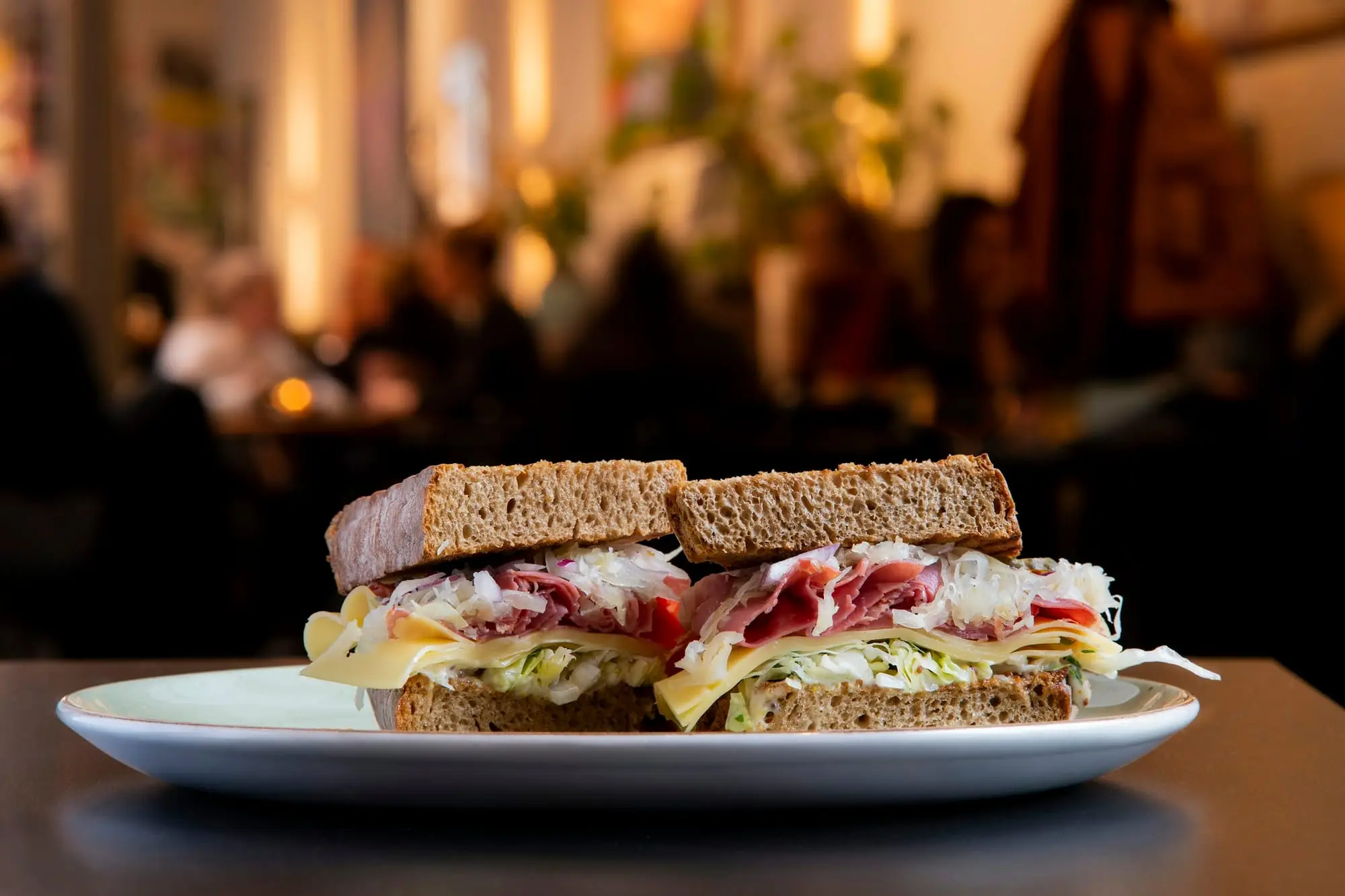
The trick is to reuse one pattern: a protein, a starch, a vegetable and a fruit or dairy food. The AAP’s sample lunch is a sandwich on two slices of whole wheat bread with 1–2 oz of meat and cheese, ¼ cup of vegetable and ½ cup of milk, so the lunches below follow that shape.1
| Day | Lunch | Dinner |
|---|---|---|
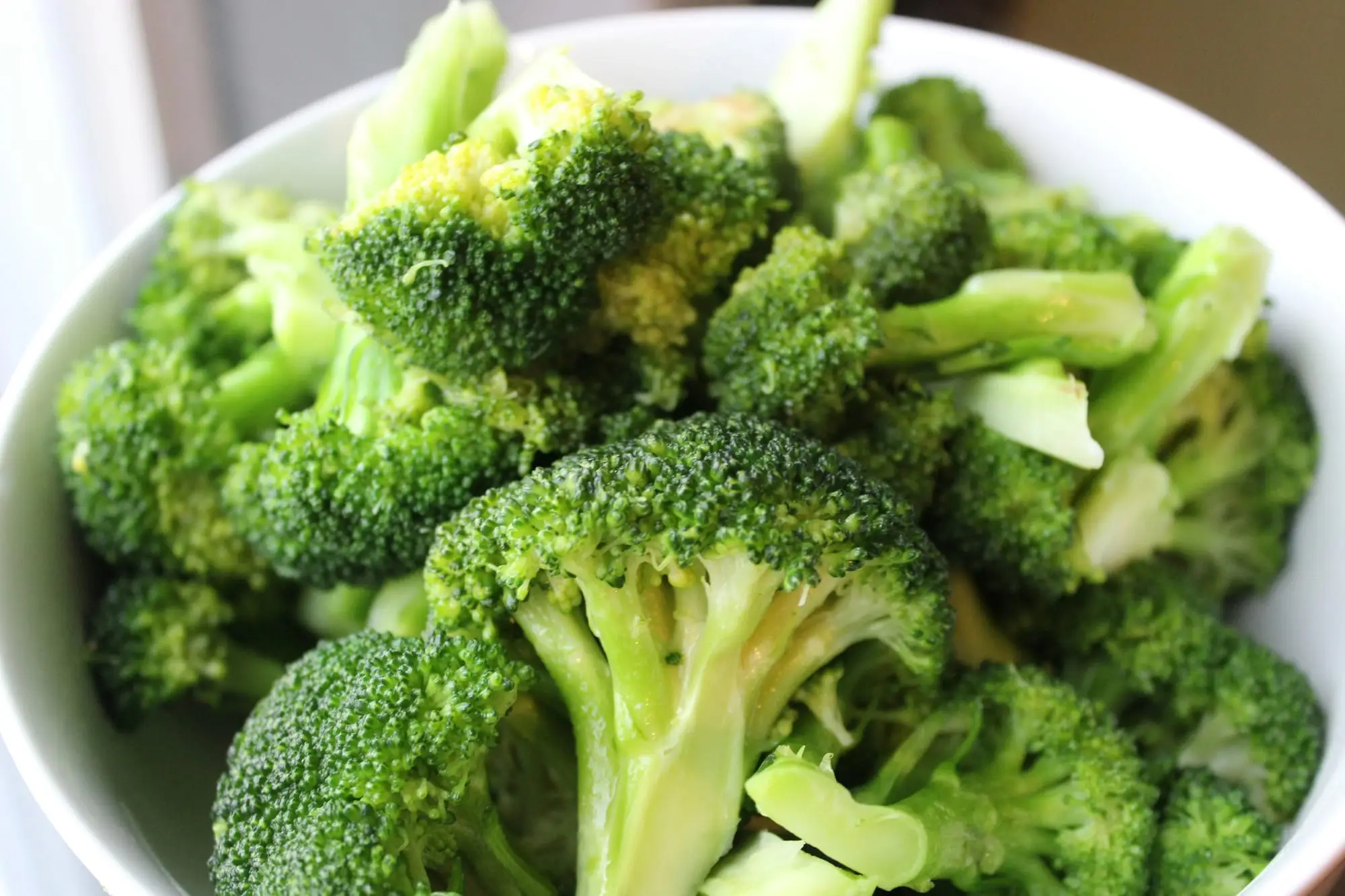
| Monday | Turkey and cheese sandwich on whole wheat, cucumber sticks, milk | Baked chicken, rice, steamed broccoli |
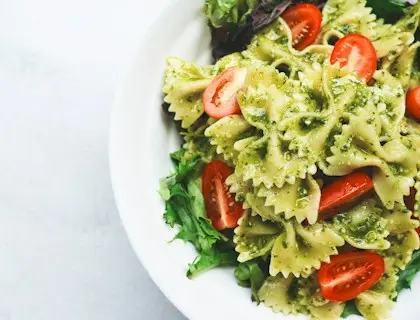
| Tuesday | Hummus and cheese pita, sliced pear, milk | Whole-wheat pasta with meat sauce, green beans |
| Wednesday | Egg salad on toast, cooked carrots, yogurt | Baked fish, mashed potato, peas |
| Thursday | Quesadilla with mashed beans and cheese, small pieces of cherry tomato | Chicken and vegetable stir-fry over rice |
| Friday | Peanut butter spread thinly on toast, banana slices, milk | Homemade turkey meatballs, spaghetti, zucchini |
| Saturday | Leftover pasta, cooked vegetables, fruit | Tofu and vegetable fried rice |
| Sunday | Scrambled eggs, whole-grain toast, berries | Roast chicken, roast potato, cooked carrots |
The dishes are ordinary on purpose. Cook once, and use leftovers for the next day’s lunch. Saturday’s lunch, for example, is just Friday’s pasta with a vegetable and some fruit added.
What can I swap in for the protein?
You don’t need meat at every meal. The AAP lists beans, chicken, turkey, fish, lean hamburger, tofu and eggs as lean protein options for 4- and 5-year-olds, alongside fruits, vegetables, dairy and whole-grain cereals and bread.2 That gives you plenty of room to rotate:
- Beans: mashed or lightly crushed in a quesadilla, burrito bowl or soup.
- Eggs: scrambled, in a vegetable omelet or sliced into fried rice.
- Fish: baked and flaked, with any bones removed, in a rice bowl or pasta.
- Tofu: cubed small and stir-fried with vegetables, or crumbled into rice.
If you’re also trying to widen what your child eats, our guide to meal ideas for picky toddlers has ways to serve new foods next to familiar ones, and our picky 5-year-old recipes count the protein in 12 familiar dinners.
How do I plan the week without it taking over?
Pick two or three dinners you already make and fit them to the plate pattern, then add one new thing a week. A new food sits best beside something your child knows, such as a few pieces of roast carrot next to the usual rice.
Batch what you can. Cook a double portion of rice or pasta on Monday and it becomes Tuesday’s lunch. Roast a tray of vegetables once and serve them warm at dinner and cold in a lunchbox. Let your child help at the table or in the kitchen: washing vegetables, stirring, setting out napkins. It also makes mealtime a bit more fun.
Keep the standard simple: most days, a protein, a starch, a vegetable or fruit and a glass of milk or water. If one day misses, the next one can make it up.
What about breakfast and snacks?
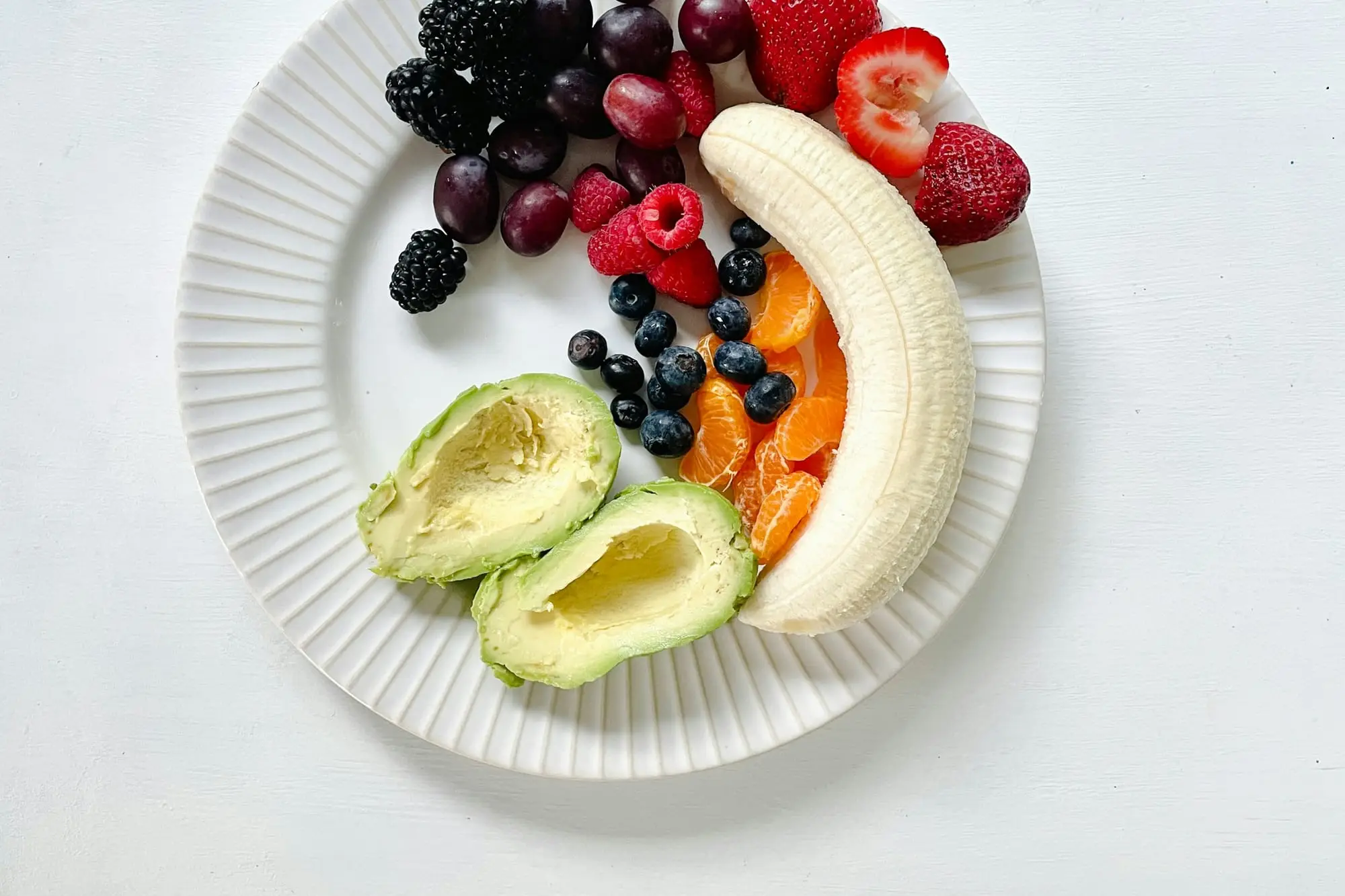
The same sample menu shows breakfast as ½ cup of cereal, ½ cup of fruit and ½ cup of milk.1 It also includes a morning snack of ½ cup of yogurt with ½ cup of fruit such as melon, banana or berries.1 An afternoon snack in the menu is something small, like five crackers or cut-up fruit.1
Because the menu is for a slightly younger child, expect a 5-year-old to eat a little more on some days and less on others. That’s one more reason to judge the week, not a single plate.
How do I keep the cuts safe at 5?
Cutting and seated, supervised eating still matter at 5. The AAP says to keep the riskiest foods away until age 4 or older, depending on each child’s development and maturity.3 The list includes hot dogs, whole grapes, raw carrot sticks, raw apple chunks, popcorn, nuts and seeds, thick spoonfuls of nut butter and chunks of meat or cheese.3
For the meals above:
- Grapes and cherry tomatoes: cut into small pieces. The CDC lists uncut grapes, berries and cherries as hazards.4
- Meat and cheese: cut into pieces no larger than half an inch.3
- Carrots: cook them until soft rather than serving raw sticks.3
- Nut butter: spread it thinly on toast, not in thick chunks.3
If your child has a chewing or swallowing difficulty, ask your pediatrician what’s right for them. For more on one food, see when kids can eat popcorn.
What should a 5-year-old drink with meals?
Water and milk. The AAP notes that sugary drinks can lead to cavities and unhealthy weight gain.2 If you offer juice, make it 100% fruit juice and keep it to 4 oz a day or less.2 When you buy yogurt, choose plain or one without added sugars.5 For the full picture of a day, see what a 5-year-old should eat in a day.
What if they won’t eat what’s on the plate?
It happens. Make at least one meal a day a pleasant family time, with the TV off.2 Try again tomorrow. For more ideas, read what to do when a 4-year-old won’t eat or the best meals for 3-year-olds, many of which scale up.
Call your child's doctor if
- Your child is losing weight or has stopped growing as expected
- They refuse almost all food for more than a couple of weeks
- They cough, gag or choke often when eating
- They have signs of a food allergy, such as hives, swelling or vomiting soon after eating
- You're worried about their diet, or they follow a restricted diet
Don’t give supplements or vitamins without checking with your pediatrician first.
Common questions
What should a 5-year-old eat for dinner?
A protein food, a starch and a vegetable. The AAP's sample menu for a preschooler shows 2 oz of meat, fish or chicken, ½ cup of pasta, rice or potato and ¼ cup of vegetable, with ½ cup of milk. That menu is for a 4-year-old of about 36 lb, so treat it as a starting point.
How much should a 5-year-old eat?
It varies from day to day. The AAP advises serving appropriate portions without expecting your child to eat everything on the plate, and using smaller plates, bowls and cups.
What are healthy foods for 5-year-olds?
Fruits and vegetables, dairy, lean proteins such as beans, chicken, fish, tofu and eggs, and whole-grain cereals and bread. Eating a variety helps children get the vitamins they need to grow, according to the AAP.
Can a 5-year-old eat whole grapes and hot dogs?
Not safely as they come. The AAP says to keep high-risk foods away until age 4 or older depending on the child's development, and to cut food into pieces no larger than half an inch. Cut grapes, cherry tomatoes and hot dogs into small pieces, and have your child eat seated.
How much juice can a 5-year-old drink?
The AAP advises 100% fruit juice only, and no more than 4 oz a day. Water and milk are the best everyday drinks.
What if my 5-year-old refuses dinner?
Appetite varies day to day, and the AAP suggests making at least one meal a day a pleasant family time with the TV off. If refusal is constant or you're worried about growth, talk to your pediatrician.
Sources
- American Academy of Pediatrics, HealthyChildren.org. Sample Menu for a Preschooler.
- American Academy of Pediatrics, HealthyChildren.org. Feeding & Nutrition Tips: 4-to 5-Year-Olds.
- American Academy of Pediatrics, HealthyChildren.org. Choking Prevention for Babies & Children: What Every Parent Needs to Know.
- Centers for Disease Control and Prevention. Choking Hazards.
- Centers for Disease Control and Prevention. How to Have Healthier Meals and Snacks.
This article is for general information and isn't a substitute for advice from your child's doctor. Our editorial standards.