On this page
The short version
- A 9-month-old eats about 3 meals and 2 to 3 snacks a day, with breast milk or formula still the main source of nutrition.
- The AAP estimates 400 to 500 of the 750 to 900 daily calories at this age still come from breast milk or formula.
- Offer an iron-rich food at most meals, and pair plant sources with vitamin C-rich fruit or vegetables.
- Cut finger foods no larger than ½ inch, and no honey (botulism risk) or cow's milk as a drink before 12 months, plus no juice or hard, round or sticky foods.
What does a 9-month-old eat in a day?
A 9-month-old typically eats about 3 meals and 2 to 3 snacks a day, with something to eat or drink every 2 to 3 hours.2 Breast milk or formula is still the main source of nutrition until 12 months.2
In numbers, the AAP estimates babies of 8 to 12 months need 750 to 900 calories a day, and about 400 to 500 of those should still come from breast milk or formula — roughly 24 oz for a formula-fed baby.1 So a real meal might be a few spoonfuls of scrambled egg, some soft pear and a feed.
A sample day for a 9-month-old
This day is adapted from the AAP’s sample menu for babies 8 to 12 months old.1 The times are only an example; shift them around naps. The amounts are the AAP’s upper range, not targets, and many babies eat less at some meals.
| Time | Meal | What to offer |
|---|---|---|
| 7:30 | Breakfast | 2–4 oz iron-fortified cereal, or 1 mashed or scrambled egg; 2–4 oz mashed or diced fruit; breast milk or 4–6 oz formula |
| 10:00 | Snack | 2–4 oz diced cheese or cooked diced vegetables; breast milk or 4–6 oz formula |
| 12:00 | Lunch | 2–4 oz yogurt, cottage cheese, or diced beans or meat; 2–4 oz cooked yellow or orange vegetables; breast milk or 4–6 oz formula |
| 3:00 | Snack | 1 whole-grain cracker or teething biscuit; 2–4 oz yogurt or diced soft fruit; 2–4 oz water |
| 5:30 | Dinner | 2–4 oz diced poultry, meat or tofu; 2–4 oz cooked green vegetables; 2–4 oz soft pasta or potato; 2–4 oz mashed fruit; breast milk or 4–6 oz formula |
| 7:00 | Before bed | Breast milk or 6–8 oz formula, then brush teeth |
For more on amounts, see how much solid food a baby should eat. Watch your baby’s hunger and fullness cues rather than the plate.
Which finger foods are safe at 9 months?
The rule for every shape is the same: soft enough to mash, and cut into pieces no larger than ½ inch.5 Round foods need extra care — the CDC says to cut small round foods such as grapes, cherries, berries and tomatoes into small pieces.7
Finger foods and how to serve them
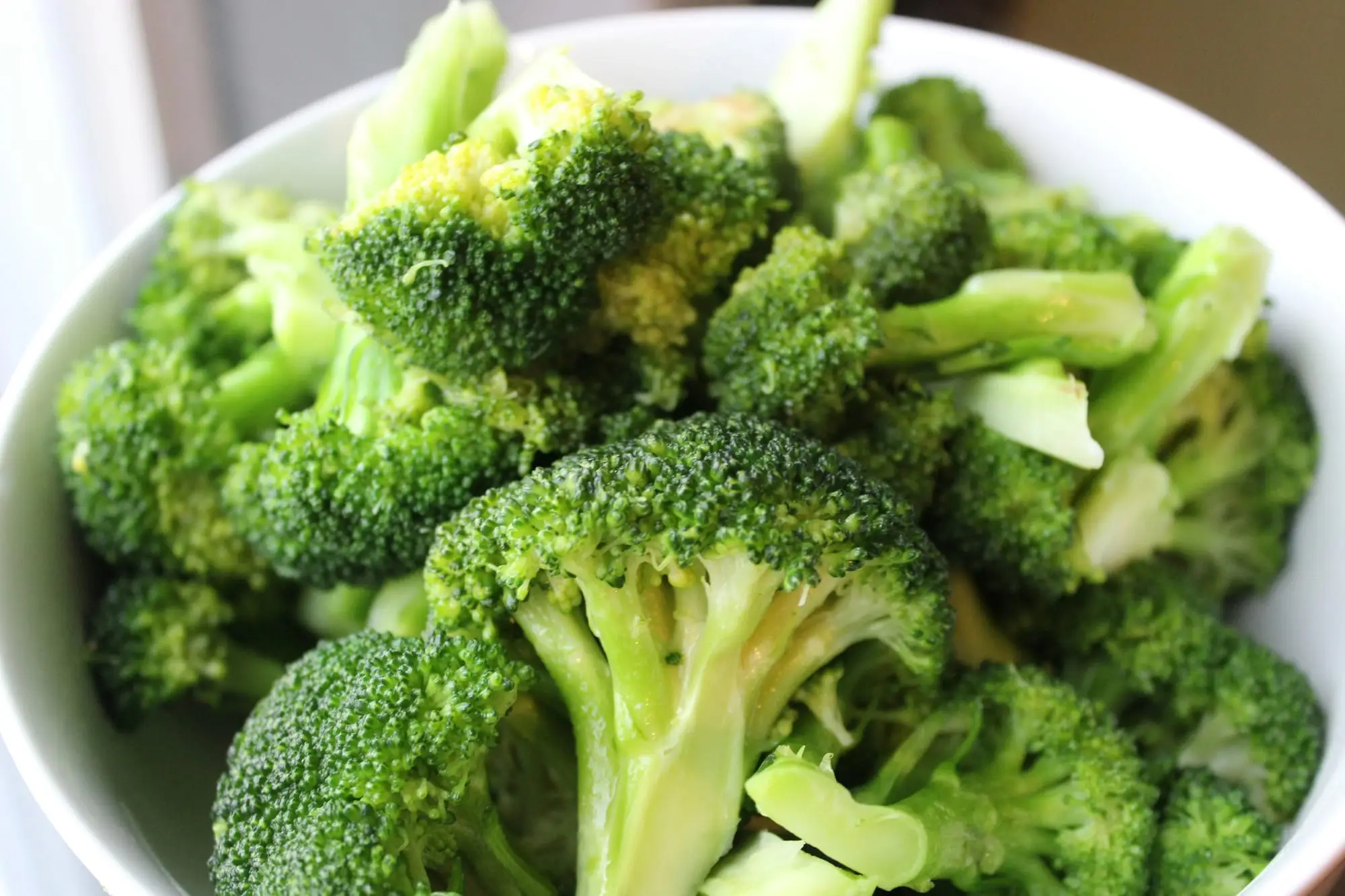
- Soft-cooked vegetables. Steam sweet potato, carrot, zucchini or broccoli florets until very soft, then cut small. Raw carrot pieces are a choking hazard.4
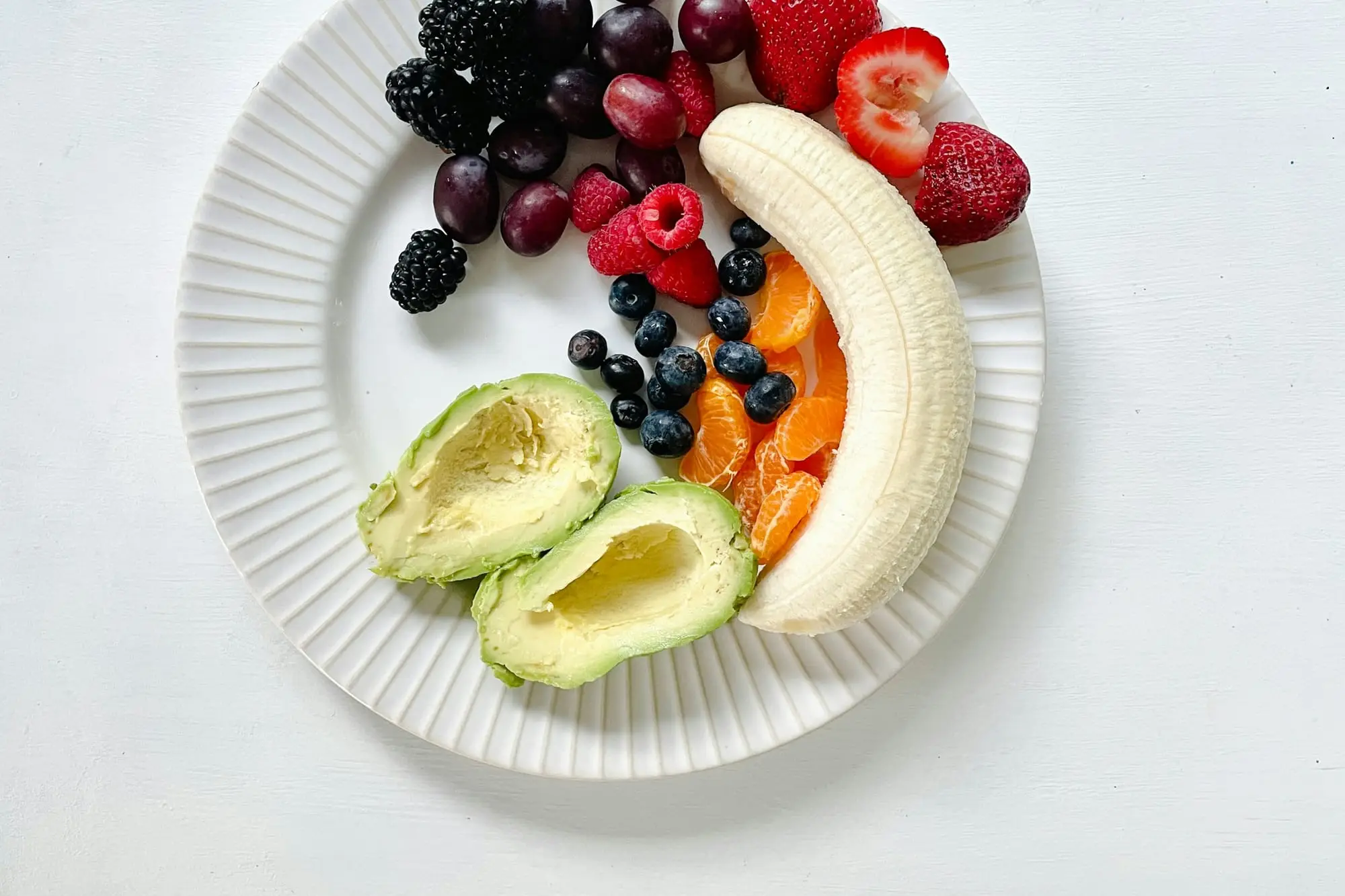
- Ripe fruit. Banana, pear, peach or avocado in small soft pieces. Chop berries and grapes into tiny pieces.7
- Scrambled egg. Cooked through, in small bits.
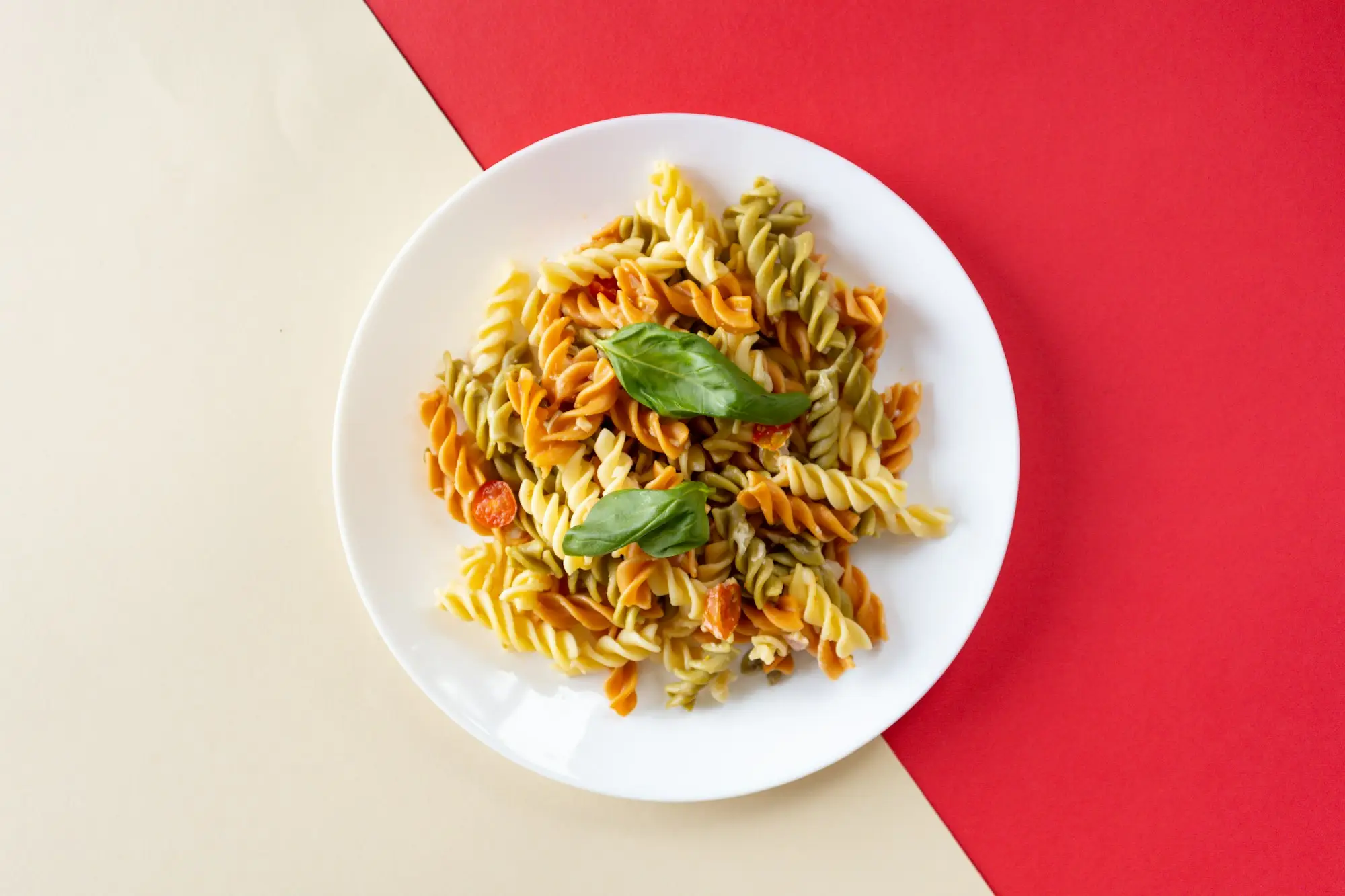
- Pasta. Well-cooked and soft, in small pieces.
- Cheese. Finely diced. Chunks and string cheese are hazards unless cut small.5
- Tender meat and fish. Finely shredded or diced, with fish checked for bones. Tough chunks of meat are a hazard.4
- Beans and tofu. Mash beans or serve soft tofu in small cubes.
Always seat your baby upright in a high chair, and stay with them for the whole meal.4 If your baby can’t breathe, cough or cry, call 911.
How to serve it: a few practical tips
Cook foods to a texture that suits your baby’s stage, and skip anything small, sticky or hard that’s tough to chew.4 Mashing and cutting small both help prevent choking.4
Offer one new single-ingredient food at a time and wait 3 to 5 days before the next, so you can spot a reaction.7 Many parents find it easier to put one familiar food and one new food on the same tray than to offer something entirely unfamiliar.
Eating at 9 months is also messy practice. Some meals will mostly be on the floor, and that is fine while milk feeds still cover most of the calories.1 Don’t pressure a baby to finish, and offer the food again another day.
Make iron a priority
Heme iron, found in animal products such as red meat, fatty fish, poultry and eggs, is absorbed more easily than the non-heme iron in iron-fortified infant cereal, tofu, beans, lentils and dark leafy greens.3 Pairing non-heme sources with foods high in vitamin C — oranges, broccoli, berries, tomatoes or sweet potato — can help your baby absorb the iron they need.3
Our guide to iron-rich foods for babies has more ideas, and protein for babies covers the other building block.
10 easy meal ideas
- Oat cereal and pear: iron-fortified cereal with mashed ripe pear.
- Egg and avocado: scrambled egg in small bits with diced avocado.
- Yogurt and banana: plain yogurt with mashed banana.
- Lentils and sweet potato: cooked lentils mashed into soft sweet potato.
- Bean toast strips: mashed beans spread thinly on toast cut into thin strips.
- Cottage cheese and peaches: diced soft peach.
- Chicken, rice and broccoli: shredded chicken, soft rice and tender broccoli florets.
- Salmon and carrot: flaked, cooked salmon with very soft carrot cut small.
- Tofu and peas: soft tofu cubes with well-cooked, lightly squashed peas.
- Pasta with ricotta and spinach: small pasta with finely chopped cooked spinach.
Spread nut butters thinly rather than serving thick chunks or spoonfuls.5 If you haven’t introduced common allergens, the CDC advises giving them alongside other foods.7 See introducing allergens to baby. If you’re moving up from purées, see purées vs baby-led weaning, and 10-month-old meal ideas is the next step.
What to skip before 12 months
Soft, small and supervised: the three rules for every baby meal.
- Honey — not before 12 months, in any form. It may cause botulism, a severe food poisoning, in children younger than 12 months, so keep it out of food, drinks and pacifiers.6 See when babies can have honey.
- Cow’s milk as a drink — not before 12 months, because it may put a baby at risk for intestinal bleeding. Yogurt and cheese are fine.67
- Juice. Children younger than 12 months shouldn’t drink any fruit or vegetable juice.6
- Added sugars. Infants and young children shouldn’t have them.6
- Unpasteurized milk, yogurt, cheese or juice.6
- Choking hazards: whole nuts and seeds, whole grapes, popcorn, hot dogs, raw carrot sticks, raw apple chunks, marshmallows, hard or sticky candy.45 The AAP says round, firm foods like hot dogs or grapes are only OK if completely chopped into tiny pieces, and to keep the highest-risk foods away until age 4 or older.5
The AAP menu includes 2 to 4 oz of water with the afternoon snack.1 See when babies can have water for more.
When to talk to your pediatrician
Call your child's doctor if
- Your baby refuses most solid foods or seems to struggle to swallow
- Your baby coughs, gags or chokes often at meals
- Your baby isn't gaining weight at checkups
- A new food causes a rash, vomiting or diarrhea
- You're unsure whether your baby needs vitamin D or iron drops
- Call 911 if your baby can't breathe, cry or make a sound, or has swelling of the lips or tongue after a food
Never start supplements without asking your pediatrician first. If your baby is turning down the spoon, see why babies refuse solids.
Common questions
What can a 9-month-old eat?
Soft, small pieces of fruit, cooked vegetables, egg, yogurt, cheese, beans, tender meat, fish, tofu and iron-fortified cereal, plus breast milk or formula. Cut finger foods into pieces no larger than ½ inch.
How many meals a day does a 9-month-old need?
About 3 meals and 2 to 3 snacks, with something to eat or drink every 2 to 3 hours, according to the CDC. Breast milk or formula remains the main source of nutrition until 12 months.
What are good finger foods for a 9-month-old?
Soft-cooked vegetable pieces, ripe banana, diced soft fruit, small bits of scrambled egg, well-cooked pasta, finely diced cheese and tender shredded meat. All should be soft enough to mash and cut small.
Can a 9-month-old have cow's milk or juice?
No. The CDC says cow's milk before 12 months may put a baby at risk for intestinal bleeding, and children younger than 12 months should not drink fruit or vegetable juice. Yogurt and cheese are fine.
Can a 9-month-old have honey?
No. Honey given to children younger than 12 months may cause botulism, a severe food poisoning, so keep it out of food, drinks and pacifiers.
Should I introduce peanut and egg now?
The CDC advises introducing potentially allergenic foods along with other foods, one new food at a time. If you have concerns about allergy risk, ask your pediatrician first.
Sources
- American Academy of Pediatrics, HealthyChildren.org. Sample Menu for a Baby 8 to 12 Months Old.
- Centers for Disease Control and Prevention. How Much and How Often To Feed.
- Centers for Disease Control and Prevention. Iron — Infant and Toddler Nutrition.
- Centers for Disease Control and Prevention. Choking Hazards.
- American Academy of Pediatrics, HealthyChildren.org. Choking Prevention for Babies & Children: What Every Parent Needs to Know.
- Centers for Disease Control and Prevention. Foods and Drinks to Avoid or Limit.
- Centers for Disease Control and Prevention. When, What, and How to Introduce Solid Foods.
This article is for general information and isn't a substitute for advice from your child's doctor. Our editorial standards.