On this page
The short version
- From 8 to 12 months, babies need about 750 to 900 calories a day — 400 to 500 of them still from breast milk or formula, per the AAP.
- A typical day is 3 meals and 2–3 snacks, with milk feeds in between — something to eat or drink every 2 to 3 hours.
- Include an iron-rich food at most meals — meat, fish, egg, beans, lentils, tofu or iron-fortified cereal.
- No honey, no cow's milk or juice as drinks, no added sugar, and no hard, round or sticky foods before 12 months.
What a 10-month-old eats in a day
A 10-month-old typically eats 3 small meals and 2 to 3 snacks a day, with breast milk or formula feeds in between — the CDC suggests something to eat or drink every 2 to 3 hours.2 The AAP estimates babies of 8 to 12 months need 750 to 900 calories a day, and 400 to 500 of those still come from breast milk or formula, roughly 24 oz a day for a formula-fed baby.1
So solids are growing, but milk is still the base. A meal might be a few spoonfuls of scrambled egg, some soft pear and a breast or bottle feed. During the first year, 2 to 4 tablespoons of each food is a normal amount — offer more if your baby still seems hungry.3
A sample day for a 10-month-old
This day is adapted from the AAP’s sample menu for babies 8 to 12 months old.1 The times are only an example; shift them to fit your baby’s naps.
| Time | Meal | What to offer |
|---|---|---|
| 7:30 | Breakfast | 2–4 oz iron-fortified cereal, or 1 mashed or scrambled egg; 2–4 oz mashed or diced soft fruit; breast milk or 4–6 oz formula |
| 10:00 | Snack | 2–4 oz diced cheese, or soft-cooked diced vegetables; breast milk or 4–6 oz formula |
| 12:00 | Lunch | 2–4 oz yogurt, cottage cheese, mashed beans or minced meat; 2–4 oz soft yellow or orange vegetables; breast milk or 4–6 oz formula |
| 3:00 | Snack | 1 whole-grain cracker or teething biscuit; 2–4 oz yogurt or mashed soft fruit; 2–4 oz water |
| 5:30 | Dinner | 2–4 oz diced poultry, meat or tofu; 2–4 oz soft green vegetables; 2–4 oz soft whole-grain pasta or potato; 2–4 oz mashed fruit; breast milk or 4–6 oz formula |
| 7:00 | Before bed | Breast milk or 6–8 oz formula, then brush teeth |
Those are the AAP’s upper-range amounts, not targets. Many babies eat less at some meals and more at others, and that’s fine. Follow your baby’s hunger and fullness cues, and see how much solid food a baby should eat for more on portions.
If your baby is 8 months
The same menu covers 8-month-olds.1 For finger foods and a sample day at that age, see our 9-month-old food ideas. The main difference is that some 8-month-olds are still building up to 3 meals. Snacks usually start once a baby is on 3 meals a day, which most babies reach between 6 and 9 months.3 Around 8 months is also when the AAP suggests moving from smooth purées to slightly coarser, lumpier foods.1 If you’re just starting solids, see our 6-month-old food ideas.
14 meal ideas for a 10-month-old
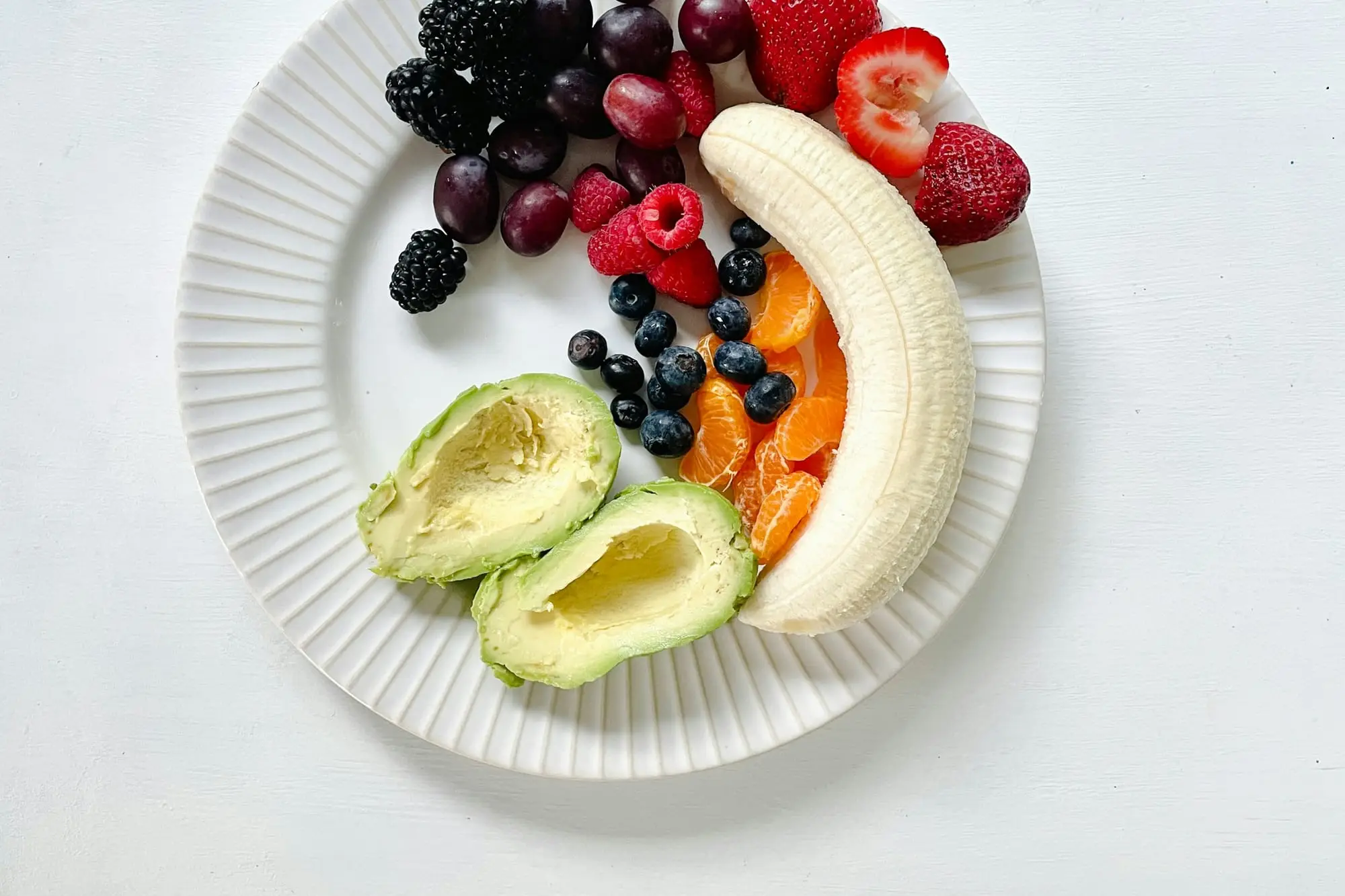
By 10 months many babies have a pincer grip — it most often appears between 9 and 10 months — and they love picking up small, soft pieces themselves.3 Every idea below is soft enough to mash between your fingers. Cut finger foods into pieces no larger than ½ inch.5
Breakfasts
- Oatmeal with pear. Iron-fortified oat infant cereal or well-cooked oats, with ripe pear mashed or diced small.
- Scrambled egg and avocado. Soft scrambled egg in small pieces, with diced ripe avocado.
- Yogurt with peanut swirl. Plain whole-milk yogurt with a little smooth peanut butter thinned into it, and mashed banana.
- French toast fingers. Egg-dipped whole-grain bread (no seeds or nut pieces), cooked soft and cut into thin strips.
Lunches
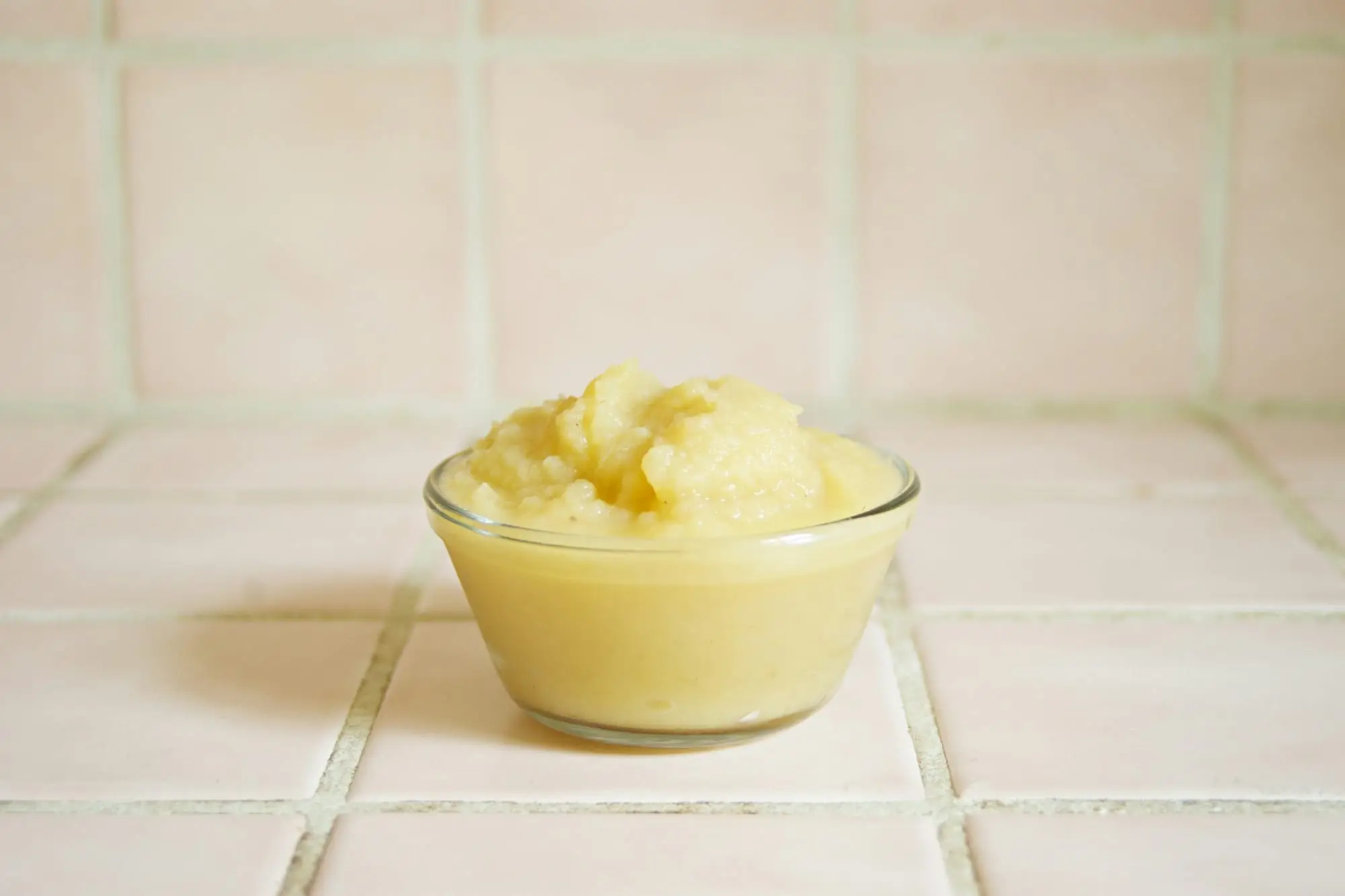
- Lentils and sweet potato. Red lentils cooked until mushy, stirred into mashed sweet potato.
- Mashed beans on toast. Black beans or chickpeas mashed (not whole) and spread thinly on toast strips.
- Cottage cheese and peaches. Cottage cheese with soft peach diced small — dice canned fruit too.
- Tofu and peas. Small cubes of soft tofu with well-cooked peas, lightly squashed.
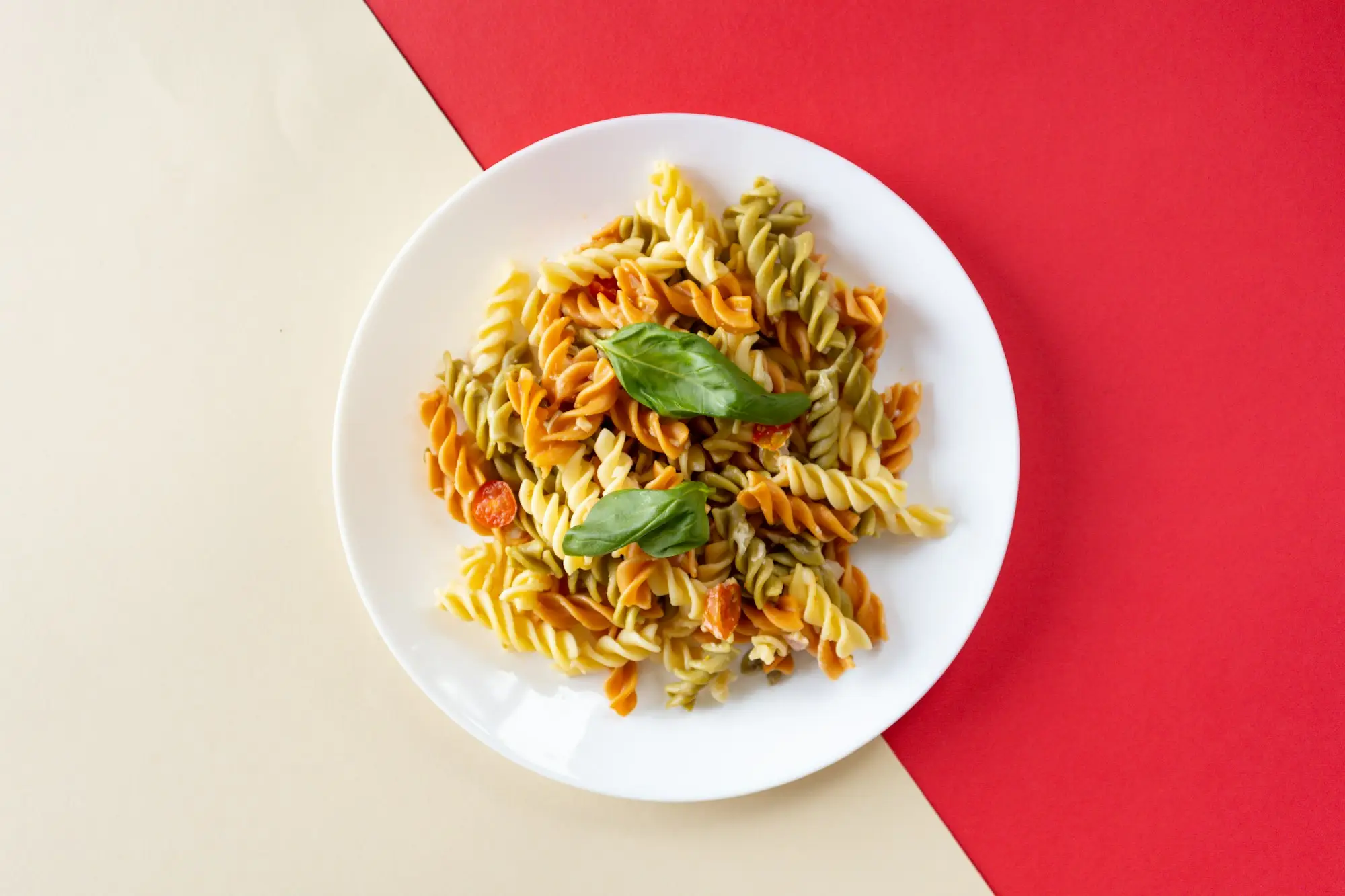
- Pasta with ricotta and spinach. Well-cooked small pasta with ricotta and finely chopped cooked spinach.
Dinners
- Shredded beef and green beans. Slow-cooked beef shredded finely, with soft green beans cut small.
- Salmon and carrots. Flaked, well-cooked salmon (check for bones), with carrots cooked until soft.
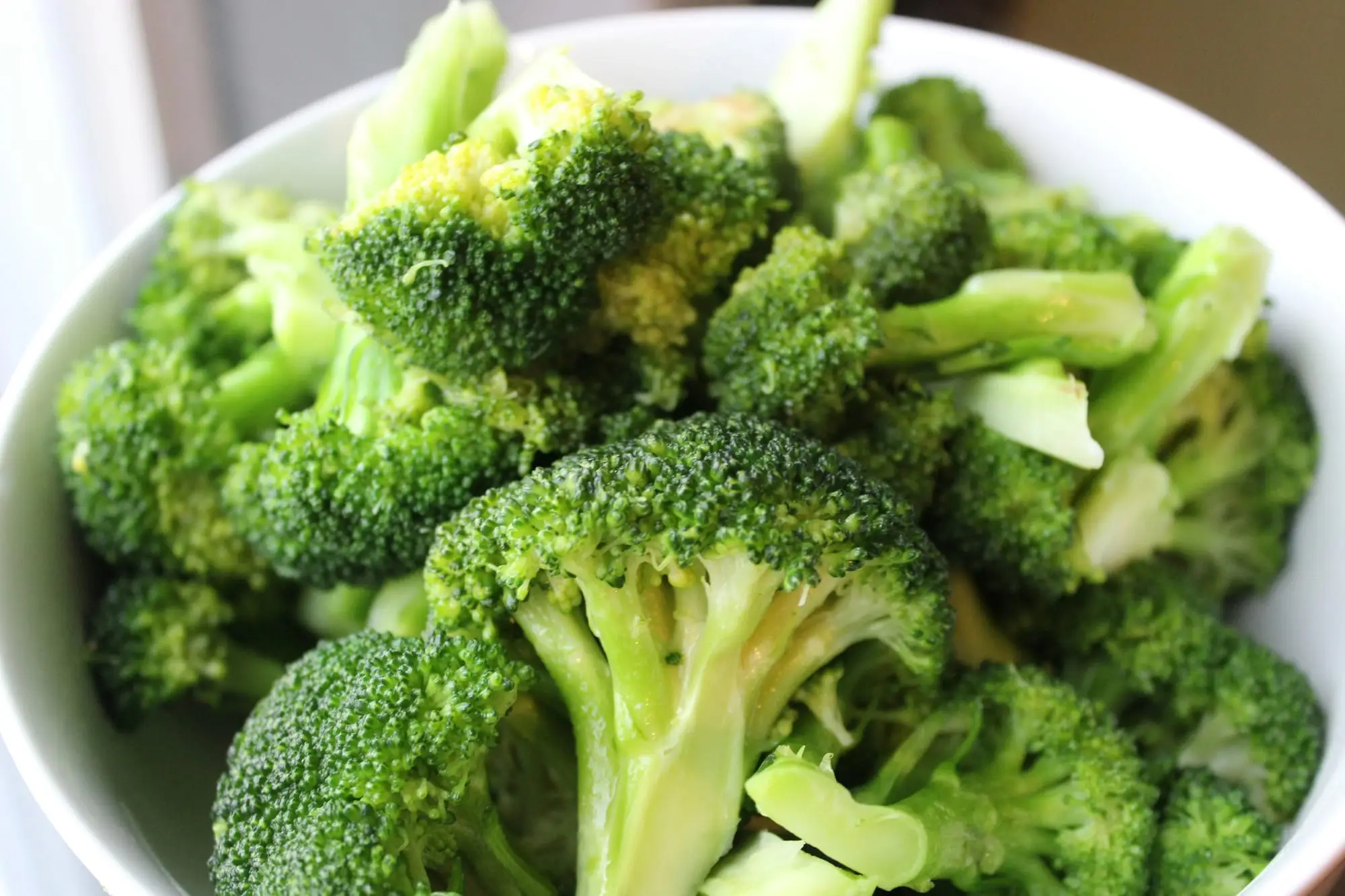
- Chicken and rice. Shredded chicken thigh with soft rice and finely chopped cooked broccoli.
- Turkey meatballs. Soft ground-turkey meatballs, crumbled or cut small, with mashed squash.
- Egg-and-veg omelet strips. Soft omelet with finely grated zucchini, cut into thin strips.
For snacks, keep it simple: soft fruit, diced cheese, yogurt or a whole-grain cracker, as in the AAP menu.1 Cut grapes, blueberries, cherries and cherry tomatoes into small pieces, and shred or finely dice cheese, including string cheese, rather than serving it in sticks or chunks.11
Make iron a priority
Babies of 7 to 12 months need 11 mg of iron a day — more than toddlers, who need 7 mg.8 Once babies start solids around 6 months, the CDC says it’s important to choose foods that contain iron.7
Iron from meat, poultry, fish and eggs (heme iron) is absorbed most easily. Iron from fortified infant cereal, tofu, beans, lentils and dark leafy greens is absorbed less well, so pair those foods with something rich in vitamin C, such as berries, broccoli, tomatoes or sweet potato.7 Our guide to iron-rich foods for babies has more ideas, and protein for babies covers the other building block.
The Dietary Guidelines also suggest full-fat yogurt and cheese, whole grains, legumes, and nut- or seed-containing foods in a safe, baby-appropriate form.10 If you haven’t started common allergens yet, see when to introduce peanut and other allergens.
Drinks for a 10-month-old
- Breast milk or formula is still the main drink.10
- Water: 4–8 oz (½–1 cup) a day, in an open, sippy or straw cup.9
- No cow’s milk as a drink before 12 months. It can put babies at risk of intestinal bleeding and doesn’t have the right nutrients for them. Yogurt and cheese are fine.611
- No juice before 12 months — whole fruit is better.6
Foods to avoid before 12 months
Soft, small and supervised: the three rules for every baby meal.
- Honey, in any form — it can cause botulism, a severe food poisoning. Don’t add it to food, water or a pacifier.6
- Added sugars — infants and young children shouldn’t have them, so skip sweetened yogurts, muffins and cookies.610
- Salty foods — processed meats like ham and hot dogs, many canned foods and some frozen dinners.6 Cook your baby’s food without added salt.12
- High-mercury fish — shark, swordfish, king mackerel, marlin, orange roughy, bigeye tuna and Gulf of Mexico tilefish.6
- Unpasteurized milk, cheese, yogurt or juice.6
- Choking hazards — whole nuts and seeds, spoonfuls of nut butter, whole grapes and berries, popcorn, hot dogs and meat sticks, chunks of meat or cheese, raw carrots or apple, whole beans, raisins, and hard or sticky candy.45
Always have your baby sit upright in a high chair while eating, and stay with them for the whole meal.4 Once they turn 1, our 1-year-old meal ideas show what a full toddler day looks like.
When to talk to your pediatrician
Check in with your baby's doctor if
- Your baby is older than 9 months and refuses most solid foods
- Your baby is losing weight, or isn't gaining at checkups
- Feeding problems happen often, or don't improve with the tips above
- Call 911 if your baby can't breathe, cry or make a sound, turns blue, or has wheezing or lip or tongue swelling after a food
- You see a rash, vomiting or diarrhea after a new food
- You're unsure whether your baby needs vitamin D or iron drops
These come from the AAP’s guidance on solid foods.312 If your baby is turning away from the spoon, see why babies refuse solids, and for vitamin D, our guide to vitamin D drops for babies.
Common questions
What should a 10-month-old eat in a day?
Three small meals and two or three snacks, plus breast milk or formula. The AAP's sample menu includes iron-fortified cereal or egg with fruit at breakfast, beans, meat, yogurt or cottage cheese with vegetables at lunch, and poultry, meat or tofu with vegetables and soft pasta or potato at dinner.
How much breast milk or formula does a 10-month-old need?
The AAP estimates that 400 to 500 of a baby's 750 to 900 daily calories still come from breast milk or formula at 8 to 12 months — roughly 24 oz a day of formula. Breastfed babies keep nursing on demand.
What finger foods are safe for a 10-month-old?
Soft foods cut into small pieces no bigger than ½ inch, such as soft-cooked vegetables, ripe banana, scrambled egg, well-cooked pasta, shredded chicken, flaked fish, soft tofu, and grapes or blueberries cut into small pieces.
What's a good 8-month-old food schedule?
The AAP's sample menu covers 8 to 12 months, so the same rhythm works — milk feeds plus meals and snacks. Many 8-month-olds are still building up to 3 meals; snacks usually start once a baby is on 3 meals, between 6 and 9 months.
What foods should a 10-month-old not eat?
Honey, cow's milk as a drink, juice, foods with added sugar, salty processed foods, high-mercury fish, unpasteurized foods, and choking hazards like whole nuts, whole grapes, popcorn, hot dogs, raw carrots and chunks of nut butter.
Sources
- American Academy of Pediatrics, HealthyChildren.org. Sample Menu for a Baby 8 to 12 Months Old.
- Centers for Disease Control and Prevention. How Much and How Often To Feed.
- American Academy of Pediatrics, HealthyChildren.org Symptom Checker. Solid Foods (Baby Foods).
- Centers for Disease Control and Prevention. Choking Hazards.
- American Academy of Pediatrics, HealthyChildren.org. Choking Prevention for Babies & Children: What Every Parent Needs to Know.
- Centers for Disease Control and Prevention. Foods and Drinks to Avoid or Limit.
- Centers for Disease Control and Prevention. Iron — Infant and Toddler Nutrition.
- NIH Office of Dietary Supplements. Iron: Fact Sheet for Health Professionals.
- American Academy of Pediatrics, HealthyChildren.org. Recommended Drinks for Children Age 5 & Younger.
- U.S. Department of Agriculture and U.S. Department of Health and Human Services. Infancy & Early Childhood, pp. 6–7. Dietary Guidelines for Americans, 2025–2030.
- Centers for Disease Control and Prevention. When, What, and How to Introduce Solid Foods.
- American Academy of Pediatrics, HealthyChildren.org. When Can Babies Start Solid Foods? Readiness & Feeding Tips.
This article is for general information and isn't a substitute for advice from your child's doctor. Our editorial standards.