On this page
The short version
- Pears, prunes, peaches, apricots, figs, peas, beans, broccoli and whole grains like oatmeal are the foods pediatricians suggest first.
- A simple AAP rule of thumb: your child's age plus 5 = grams of fiber a day (7 g for a 2-year-old).
- Limit milk, cheese, yogurt and ice cream to about 3 servings a day while your toddler is constipated.
- Blood in the poop, vomiting, a swollen belly, weight loss or constipation lasting more than 2 weeks all need a doctor.
The foods that help most
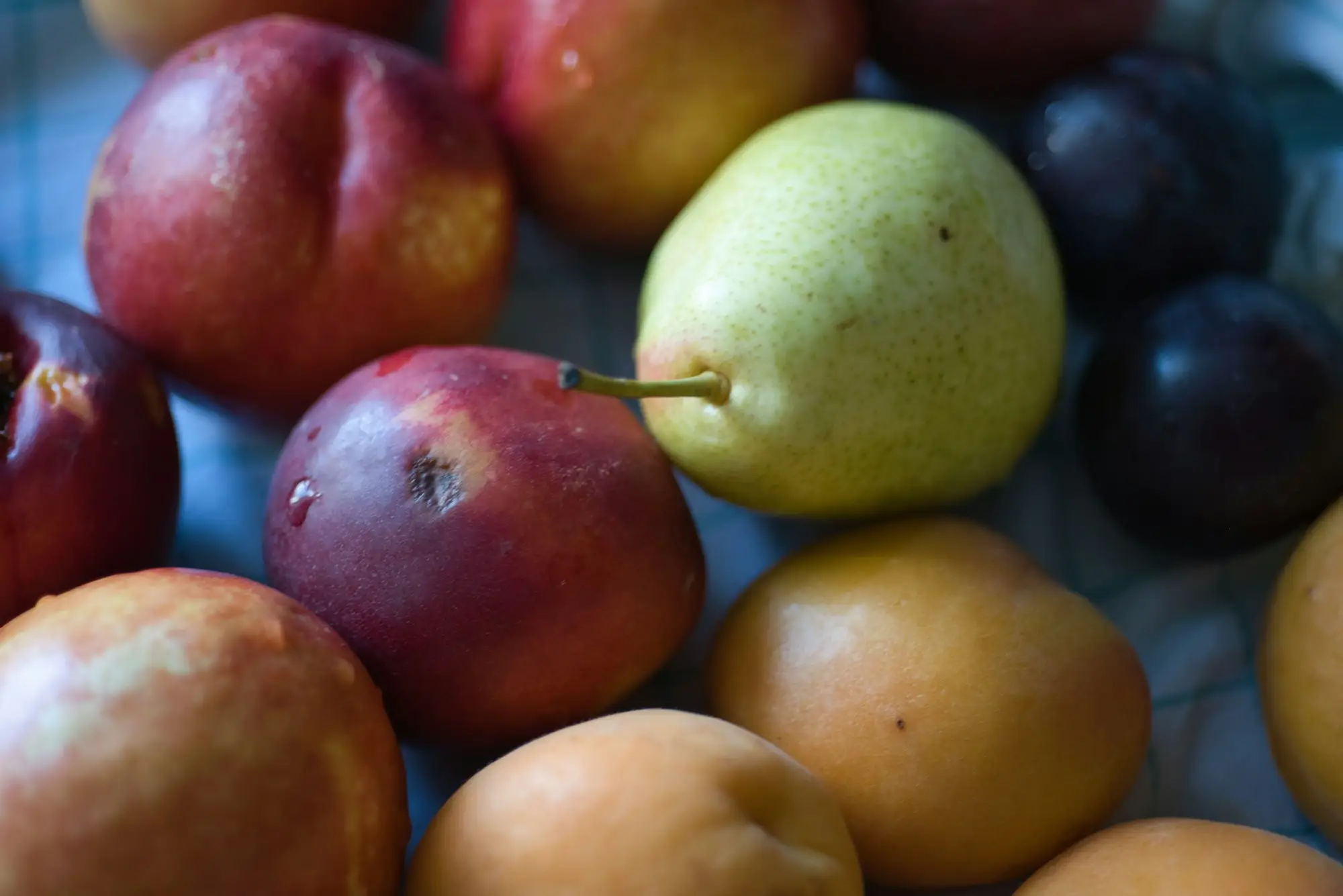
For a constipated toddler, the American Academy of Pediatrics suggests fiber-rich fruits and vegetables — such as pears, prunes, peaches, apricots, figs, dates, peas, beans and broccoli — plus whole grains like oatmeal, offered across the day.2 The NIH’s list adds berries, apples with the skin on, lentils, chickpeas and carrots.3
In practice, that looks like oatmeal with chopped pear at breakfast, a few raspberries or a kiwi at snack time, and peas or lentils stirred into dinner. None of these work like a switch. They help by keeping poop softer and easier to pass over days, not hours.
Constipation in toddlers means poop that’s hard, dry and difficult or painful to get out.1 Frequency varies a lot between children — anywhere from 3 a day to 1 every 2 days is normal — so a toddler who goes every other day without pain is usually fine.2 If your child is still under 1, see baby constipation after starting solids instead.
How much fiber a toddler needs
The AAP’s quick rule of thumb is your child’s age plus 5, in grams of fiber a day — so about 7 grams for a 2-year-old.1 The U.S. Dietary Reference Intakes set a higher target: 19 grams a day for ages 1 to 3, and 25 grams for ages 4 to 8.7
| Age | AAP rule of thumb (age + 5) | U.S. Adequate Intake |
|---|---|---|
| 1 year | Not used under 2 | 19 g |
| 2 years | 7 g | 19 g |
| 3 years | 8 g | 19 g |
| 4 years | 9 g | 25 g |
| 5 years | 10 g | 25 g |
These two numbers don’t agree, and it’s worth saying so. The AAP figure is a practical floor for parents of a constipated child; the Dietary Reference Intake is a general target for all children. We suggest using age + 5 as the first goal, then working toward more from whole foods. Our guide to how much fiber a child needs goes into the everyday target in more detail.
Fiber in a toddler-sized portion
Toddler portions are small, so the amounts below are for toddler-sized servings, worked out from USDA FoodData Central.6 Two or three across the day reaches the AAP’s rule of thumb for most toddlers.
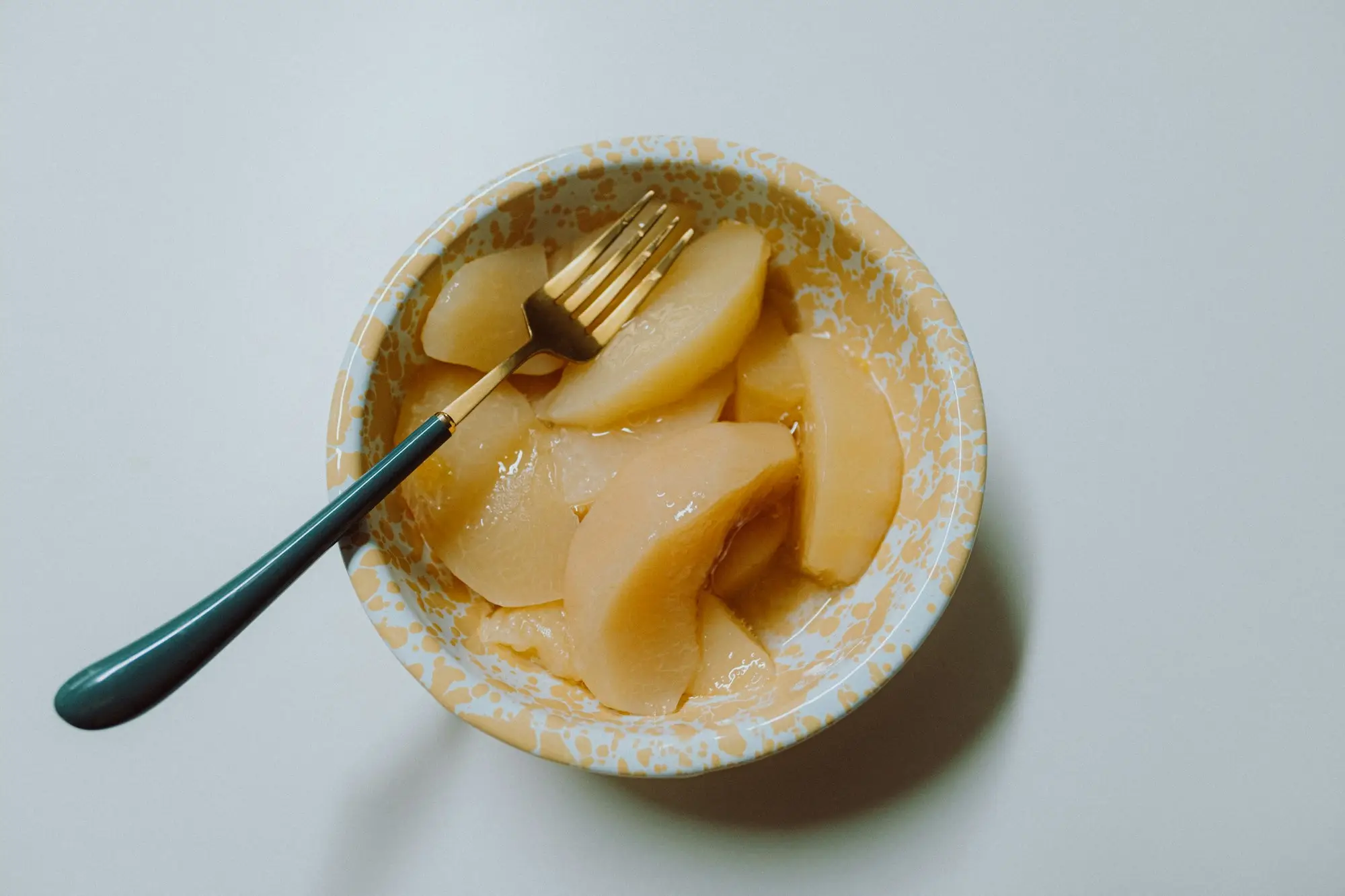
Prunes, plums and peaches carry less fiber per bite than you might expect, but they’re still worth offering: prunes, peaches and pears are on the AAP’s list of helpful fruits, and prune and pear juice are among the juices it suggests.2
Fiber works best as a steady habit across the week, not a big dose on a bad day.
Snacks that add fiber
Easy fiber snacks for toddlers
- Soft pear or peach slices. Leave the skin on ripe pear if your toddler manages it.
- Kiwi halves. Scoop with a spoon — the AAP singles out kiwi as a child-friendly high-fiber fruit.1
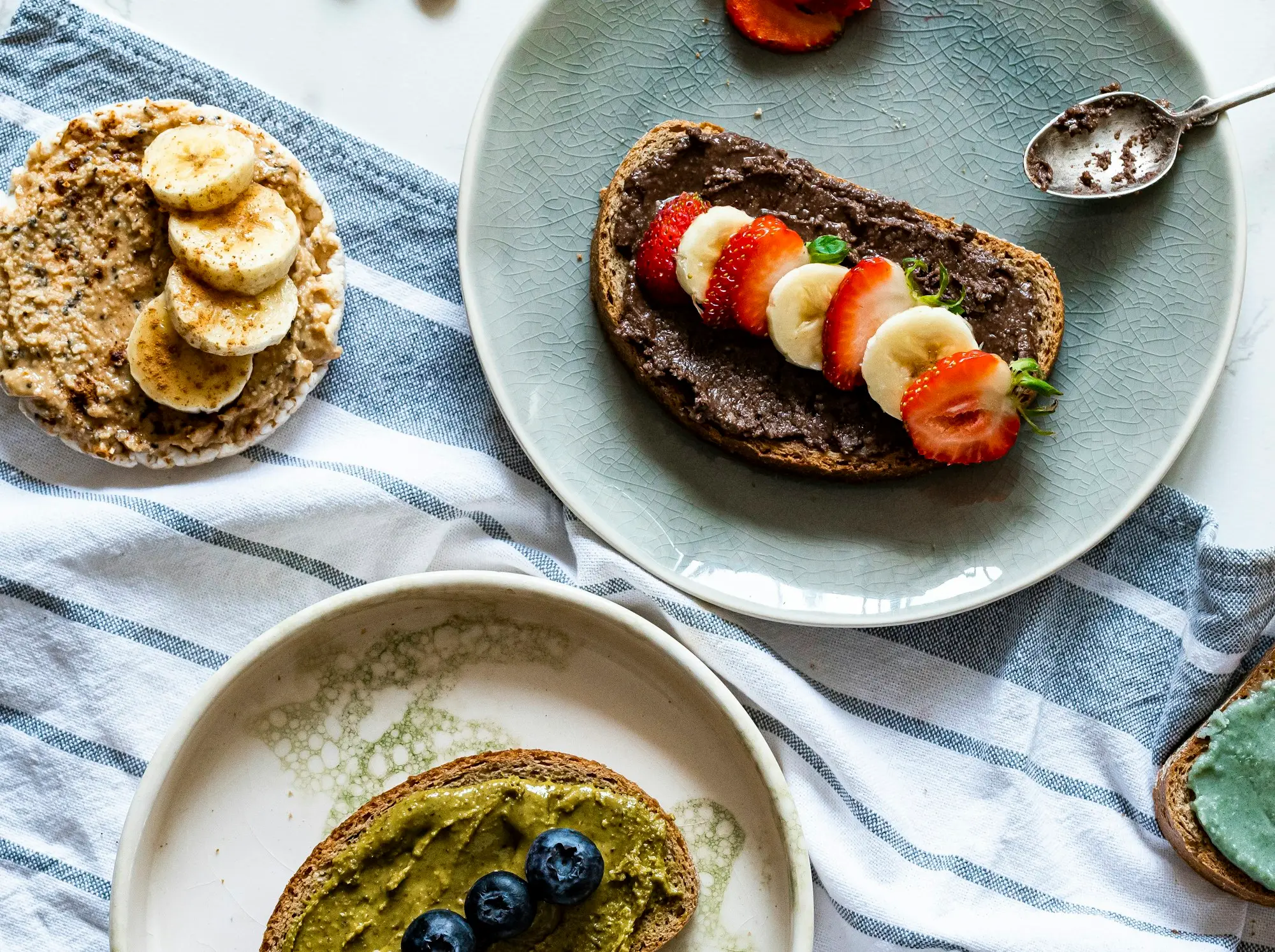
- Mashed beans or hummus spread thinly on whole-grain toast.
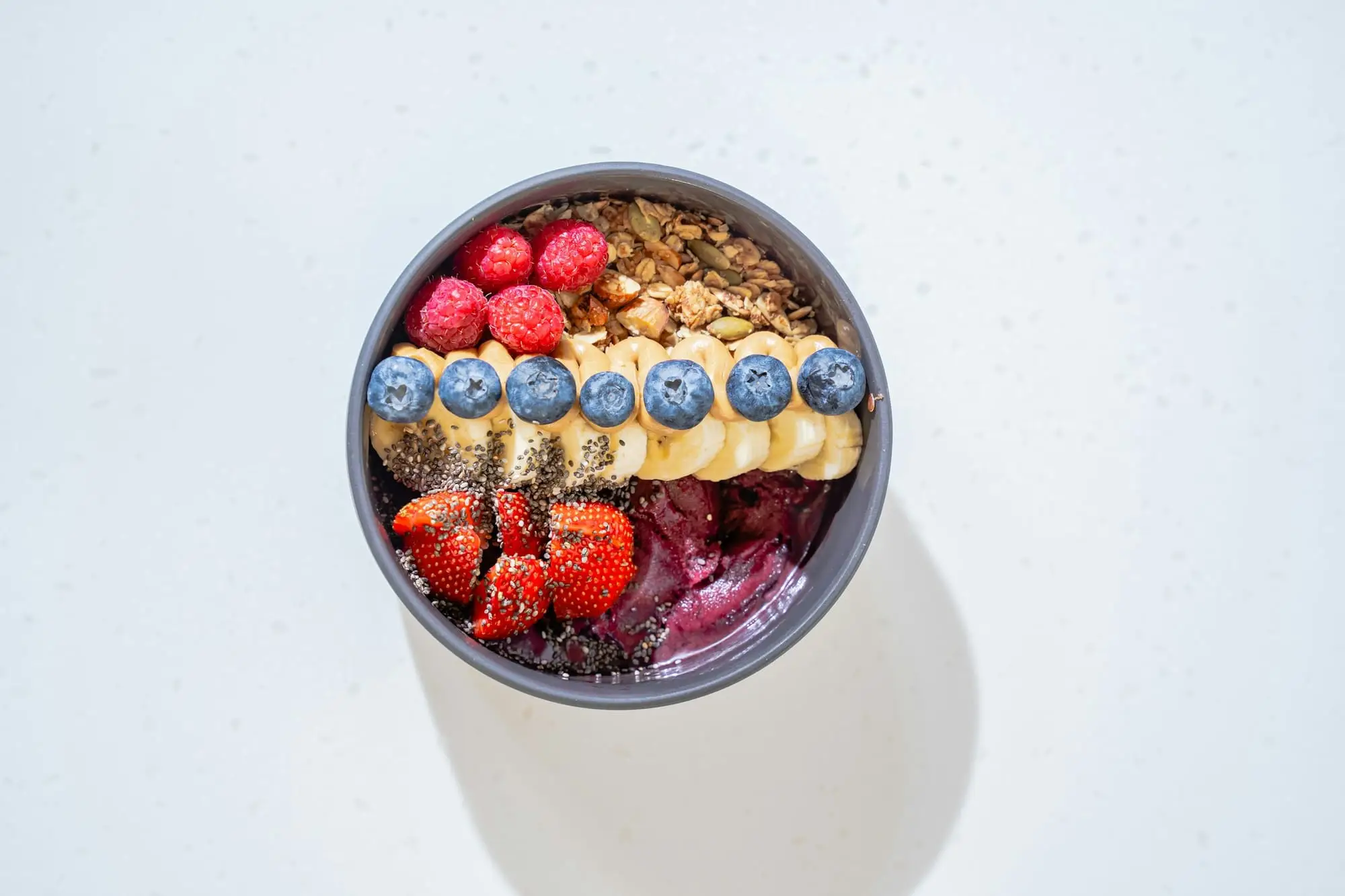
- Oatmeal “fingers” or a small bowl of oats with chopped prunes or berries stirred in.
- Peas or broccoli, cooked soft, as finger food.
Foods with little to no fiber — chips, fast food, many snack foods and processed foods like hot dogs — don’t help, and can take the place of foods that do.3
Water, juice and the dairy problem
Water matters, and it matters more as fiber goes up.5 The AAP suggests 1 to 4 cups (8–32 oz) of water a day for children aged 12 to 24 months, and 1 to 5 cups (8–40 oz) for ages 2 to 5.8 But extra water alone doesn’t treat constipation, and fiber supplements given without enough water can make it worse.1
Juice can help a little. The AAP lists apple, pear, cherry, grape and prune juice for children over 1; citrus juices don’t help.2 Keep it small — the AAP caps juice at 4 oz a day for ages 1 to 3.9 The symptom guide simply says to increase juice; we follow the 4 oz cap, because whole fruit brings fiber that juice doesn’t.
Dairy is the most common thing to cut back. Large amounts of milk and cheese are a known cause of constipation, and the AAP suggests limiting milk products — milk, cheese, yogurt and ice cream — to 3 servings a day while your child is constipated.2 If your toddler drinks a lot of milk, our guide to how much milk a toddler should drink has ways to cut back without a battle.
It isn’t always about food
Most toddler constipation is “functional”: a child holds poop in because it hurt last time, because they’d rather keep playing, or because potty training has become a power struggle.1
For a potty-trained child, sitting on the toilet for a few minutes after meals helps build a routine.5 Some medicines can also cause constipation — iron supplements among them — so mention any your child takes to your pediatrician, and don’t stop a prescribed medicine without asking.45
Don’t give a laxative, suppository or enema unless your child’s doctor recommends it.5
When to worry
Call your pediatrician if constipation lasts more than 2 weeks or doesn’t improve with home care.4 Some signs need help sooner.
Get medical help right away if your child has
- Blood in the poop or bleeding from the bottom
- Vomiting — and go to the ER for green vomit
- A swollen or bloated belly
- Constant belly pain, or severe pain lasting more than an hour
- Weight loss, or seems very unwell
These signs come from the NIH and the AAP’s symptom guide.42 Also call during office hours if poop is leaking into underwear, if constipation keeps coming back, or if painful poops continue despite diet changes.2
If your child takes an iron supplement, ask their doctor before changing it — our guide to how much iron a toddler needs covers getting iron from food.
Common questions
What foods help a constipated toddler poop?
Fruits such as pears, prunes, peaches, apricots, figs and dates, vegetables such as peas, beans and broccoli, and whole grains such as oatmeal and bran cereal, according to the American Academy of Pediatrics. Offer them at meals and snacks across the day.
How much fiber does a toddler need?
The AAP offers a simple rule of thumb of the child's age plus 5 grams a day, so about 7 grams for a 2-year-old. The U.S. Dietary Reference Intakes set a higher target of 19 grams a day for ages 1 to 3, so more fiber from whole foods is fine.
Can too much milk cause constipation in toddlers?
Yes. Large amounts of milk and cheese are a common cause. The AAP suggests limiting milk products to 3 servings a day while a child is constipated, and no more than 24 ounces of milk a day in general.
Does prune or pear juice help toddler constipation?
The AAP lists prune, pear and apple juice among those that can help children over 1. Keep it small — the AAP limits juice to 4 ounces a day for ages 1 to 3 — and remember whole fruit adds fiber that juice doesn't.
When should I worry about my toddler's constipation?
Call your pediatrician if it lasts more than 2 weeks or doesn't improve with diet changes. Get medical help right away for blood in the stool, vomiting, a swollen belly, constant belly pain or weight loss.
Can I give my toddler a laxative?
Not without your doctor's advice. The NIH advises against giving children laxatives unless a doctor recommends one.
Sources
- American Academy of Pediatrics, HealthyChildren.org. Constipation in Children.
- American Academy of Pediatrics, HealthyChildren.org Symptom Checker. Constipation.
- National Institute of Diabetes and Digestive and Kidney Diseases (NIH). Eating, Diet, & Nutrition for Constipation in Children.
- National Institute of Diabetes and Digestive and Kidney Diseases (NIH). Symptoms & Causes of Constipation in Children.
- National Institute of Diabetes and Digestive and Kidney Diseases (NIH). Treatment for Constipation in Children.
- U.S. Department of Agriculture, Agricultural Research Service. FoodData Central (SR Legacy).
- National Academies of Sciences, Engineering, and Medicine, via NCBI Bookshelf. Dietary Reference Intakes: Recommended Dietary Allowances and Adequate Intakes, Total Water and Macronutrients.
- American Academy of Pediatrics, HealthyChildren.org. Recommended Drinks for Children Age 5 & Younger.
- Heyman MB, Abrams SA. Pediatrics. 2017;139(6):e20170967. Fruit Juice in Infants, Children, and Adolescents: Current Recommendations.
This article is for general information and isn't a substitute for advice from your child's doctor. Our editorial standards.