On this page
- What should a 1-year-old eat for breakfast?
- How much is enough?
- 15 easy breakfast ideas
- Three plates you can put together in five minutes
- Tips for easier mornings
- How do I cut breakfast foods safely?
- What should a 1-year-old drink with breakfast?
- What should I skip?
- What if my 1-year-old won’t eat breakfast?
- Common questions
The short version
- A 1-year-old's breakfast is a few tablespoons each of a protein food, a fruit and a grain, with whole milk.
- The AAP's sample breakfast is ½ cup iron-fortified cereal or 1 cooked egg, ½ banana, 2–3 large strawberries and ½ cup milk.
- Cut food into pieces no larger than ½ inch, and chop or squash round foods.
- Skip honey before 12 months, and skip added sugar for young children.
What should a 1-year-old eat for breakfast?
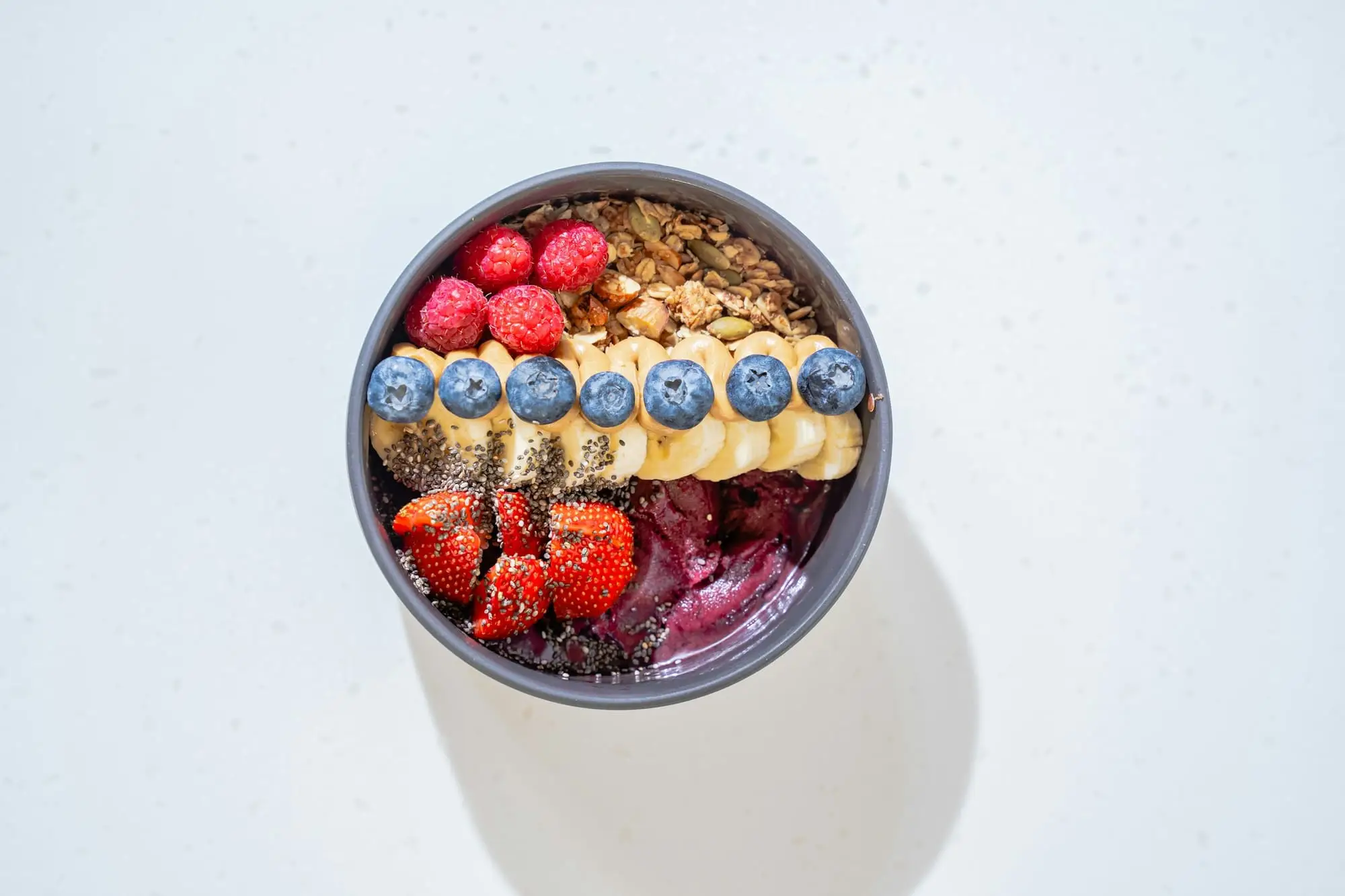
A 1-year-old’s breakfast is a protein food, a fruit and a grain, plus whole milk, in a quarter of an adult’s portion, according to the American Academy of Pediatrics (AAP).3 The AAP’s own sample breakfast is ½ cup of iron-fortified cereal or 1 cooked egg, ½ a sliced banana, 2–3 large sliced strawberries and ½ cup of milk.2
Breakfast is one of three meals. One-year-olds need about 1,000 calories a day, divided among three meals and two snacks.1 For the full day, see our 1-year-old meal ideas.
How much is enough?
Less than most parents expect. The AAP says a toddler’s serving is about one-quarter of an adult’s.3 Its list for an average toddler meal gives these amounts:3
The sample menu uses bigger amounts than that list, so treat the gap as the normal range.2 Start small and offer seconds. Our toddler portion size chart has more foods.
15 easy breakfast ideas
Pick one food from two or three groups. Keep every piece no larger than ½ inch, the AAP’s limit for young children.4
Protein or dairy
- Scrambled egg, cooked through and served in small pieces.
- Plain whole-milk yogurt with mashed fruit stirred in.
- Cottage cheese with soft diced peach or pear.
- Mashed beans on a soft tortilla strip.
- Thin nut butter on toast, spread thinly. The AAP says to avoid thick chunks of nut butter.4
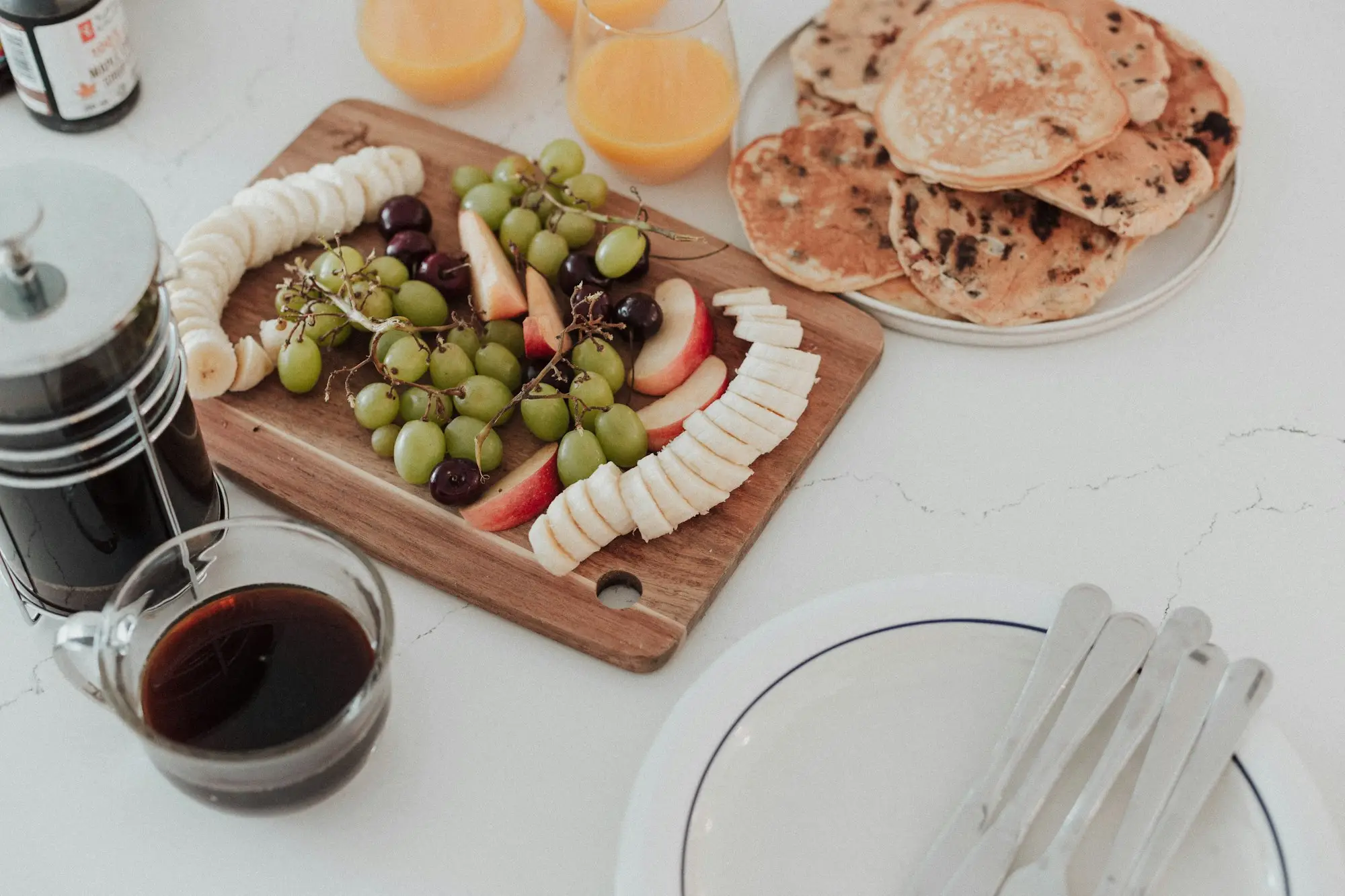
Grain 6. Iron-fortified cereal, part of the AAP’s sample breakfast, softened with milk.2 7. Oatmeal cooked in whole milk, with mashed banana for sweetness. 8. Toast fingers with a little cream cheese. 9. Small pancakes or waffle strips, plain or with fruit, no syrup. 10. Whole-wheat muffin, broken into small pieces, ideally made without added sugar.
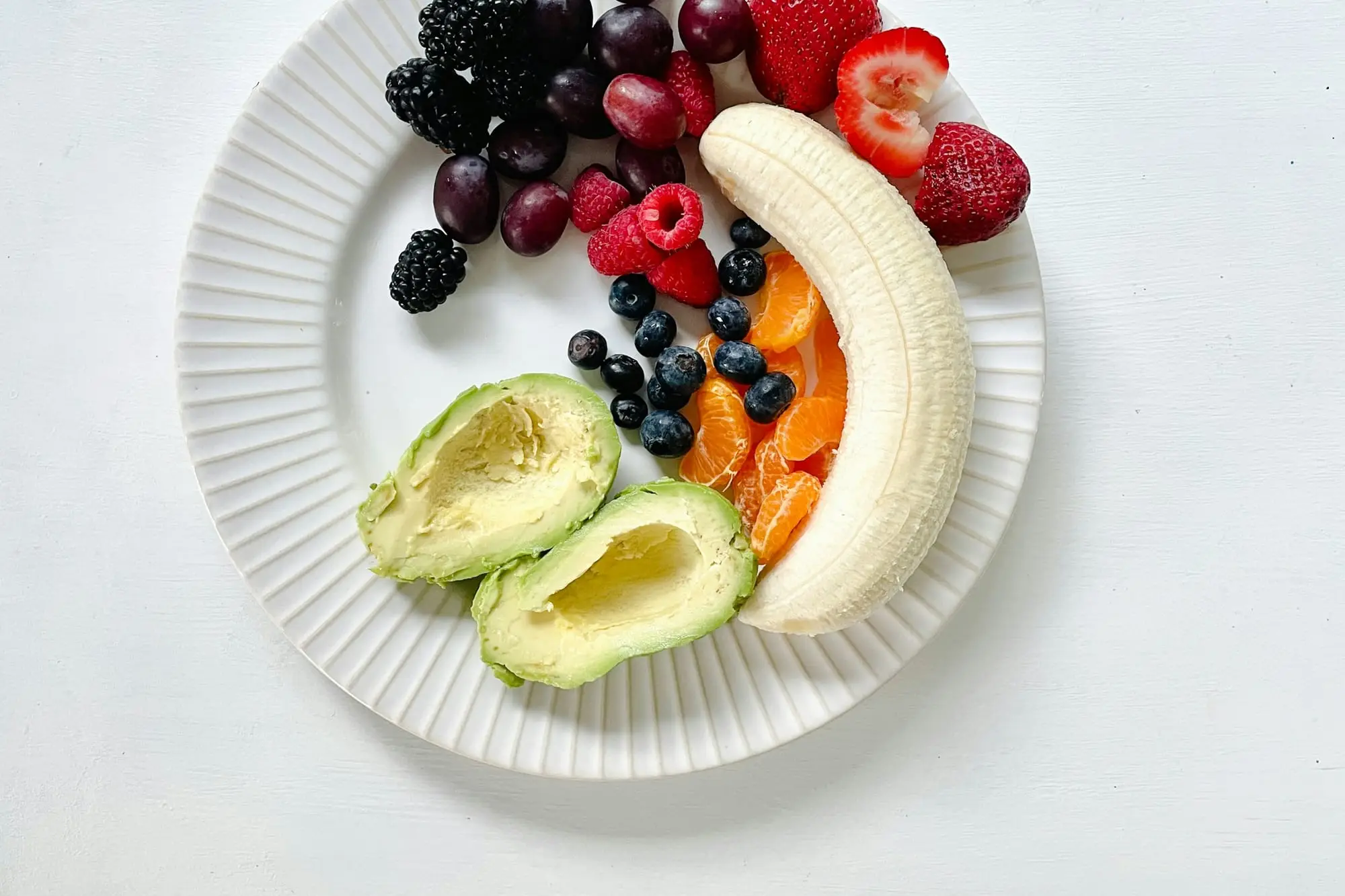
Fruit and vegetable 11. Banana, sliced into thin rounds or half-moons. 12. Strawberries, finely diced. 13. Blueberries, squashed flat. 14. Soft pear or peach, ripe and diced small. 15. Avocado, mashed on toast or cut into soft cubes.
For egg-free versions, see our toddler breakfast ideas without eggs.
Three plates you can put together in five minutes
You don’t need a recipe. These combinations use the 15 ideas above and stay close to the AAP’s pattern of protein, fruit and grain.2
| Plate | Protein or dairy | Fruit | Grain | Drink |
|---|---|---|---|---|
| Weekday rush | Plain yogurt, a few spoonfuls | Mashed banana | Toast fingers | Whole milk |
| Cooked-at-home | Scrambled egg, small pieces | Diced strawberries | Quarter slice of toast | Whole milk |
| Cereal bowl | Milk on the cereal | Soft diced pear | Iron-fortified cereal | Water |
Foods at breakfast don’t need to match what the adults eat. If your toddler has a rough morning, a banana and a few spoonfuls of yogurt is a fine start, and the next snack can fill gaps.
Tips for easier mornings
Make breakfast faster
- Cook ahead. Make a batch of small pancakes or muffins at the weekend and break them up when serving.
- Prep fruit the night before. Dice soft fruit and keep it covered in the fridge.
- Serve two foods, not five. A small plate looks less overwhelming to a toddler.
- Let them self-feed. Give a toddler-safe spoon and pieces they can pick up.
Offer a food your toddler already likes alongside something newer, and don’t worry if the new one is ignored the first few times.
How do I cut breakfast foods safely?
The AAP says to keep high-risk foods from children until they’re 4 or older, and to cut food into pieces no larger than ½ inch.4
- Grapes and other round, firm fruit: quarter lengthwise or chop completely.4
- Hot dogs and sausage: only if completely chopped into tiny pieces.4
- Nut butter: a thin layer on toast, never a spoonful or thick chunk.4
- Popcorn: skip it. It’s on the AAP’s list of foods to avoid or modify.4
Have your child sit down to eat, and stay with them the whole meal.
What should a 1-year-old drink with breakfast?
Whole milk. The AAP advises whole milk for children 12 to 24 months, at about 16 oz (2 cups) a day across the whole day.5 Water can cover the rest of their thirst. Our guide to how much milk a toddler should drink explains how to keep milk from crowding out food.
Juice isn’t needed. The AAP suggests it only as a stand-in for fruit, and only in small amounts.5
What should I skip?
- Honey. It’s fine from 12 months, but before that the CDC warns it may cause botulism, a severe food poisoning.6 If a younger sibling shares the table, see when babies can have honey.
- Added sugar. The CDC says young children shouldn’t have added sugars.6 Check the label on cereals, flavored yogurts and pastries.
- Heavily sweetened or salted foods. The AAP advises against them.1
What if my 1-year-old won’t eat breakfast?
It’s common. The AAP says to expect a sharp drop in appetite after the first birthday.1 Offer a small portion, don’t pressure, and move on to the next snack or meal on time. Judge the week, not one morning. For more on amounts, see how much a 1-year-old should eat. Moving on? Try our 2-year-old breakfast ideas.
Call your child's doctor if
- Your toddler coughs, gags or chokes often when eating, or has trouble swallowing
- They're losing weight or not gaining at checkups
- They refuse most foods or a whole food group for weeks
- You see hives, swelling, vomiting or breathing trouble after a new food
- Low appetite comes with fever or unusual tiredness
If your child is choking and can’t cough, cry or speak, call emergency services right away.
Common questions
What should a 1-year-old eat for breakfast?
A protein food, a fruit and a grain, in small portions, plus whole milk. The AAP's sample breakfast is ½ cup iron-fortified cereal or 1 cooked egg, ½ banana, 2–3 large sliced strawberries and ½ cup milk.
How much breakfast does a 1-year-old need?
Less than most parents expect. The AAP says a toddler's serving is about one-quarter of an adult's, so 1–2 tablespoons of fruit and a quarter slice of bread is a normal serving. Offer more if they ask.
Can a 1-year-old have honey in oatmeal or on toast?
Yes, once they're 12 months or older. The CDC says honey given to children younger than 12 months may cause botulism. Young children also shouldn't have added sugars, so keep it to a rare treat.
Are pancakes okay for a 1-year-old?
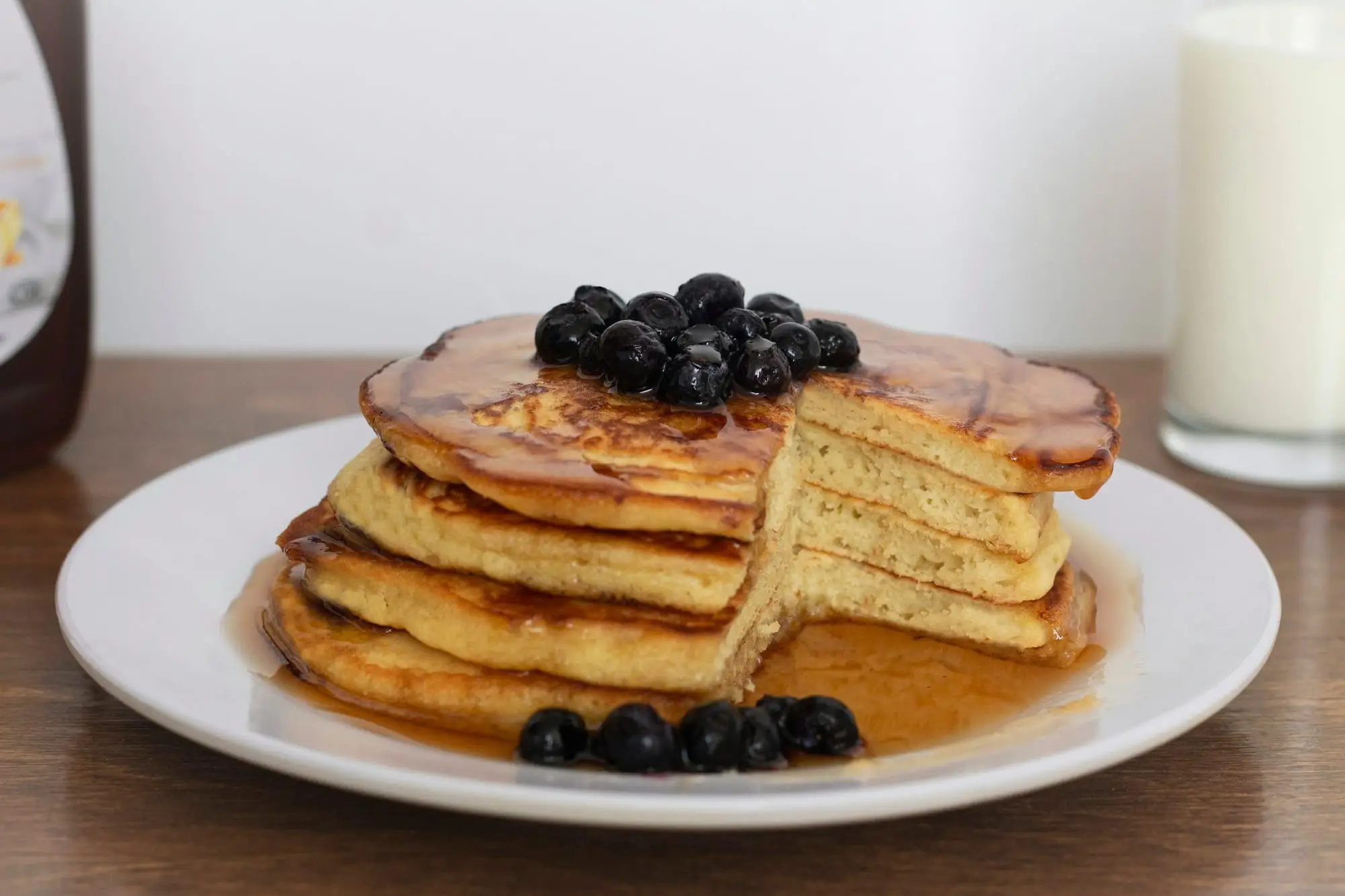
Yes, as a grain. Serve them plain or with mashed fruit, cut into pieces no larger than ½ inch, and skip the syrup, since the CDC says young children shouldn't have added sugars.
What if my 1-year-old won't eat breakfast?
That's common. The AAP notes appetite drops sharply after the first birthday. Offer a small portion, don't pressure, and offer a snack or the next meal on schedule.
Can a 1-year-old eat whole blueberries or grapes?
Not whole. The AAP says round, firm foods such as grapes can be served only if completely chopped into tiny pieces. Quarter grapes lengthwise and squash or cut blueberries.
Sources
- American Academy of Pediatrics, HealthyChildren.org. Feeding & Nutrition Tips: Your 1-Year-Old.
- American Academy of Pediatrics, HealthyChildren.org. Sample Menu for a 1-Year-Old Child.
- American Academy of Pediatrics, HealthyChildren.org. Serving Sizes for Toddlers.
- American Academy of Pediatrics, HealthyChildren.org. Choking Prevention for Babies & Children: What Every Parent Needs to Know.
- American Academy of Pediatrics, HealthyChildren.org. Recommended Drinks for Children Age 5 & Younger.
- Centers for Disease Control and Prevention. Foods and Drinks to Avoid or Limit.
This article is for general information and isn't a substitute for advice from your child's doctor. Our editorial standards.