On this page
- Do vitamins boost kids’ immune systems?
- Is my child getting sick too often?
- What actually helps their immune system?
- Does vitamin C help kids avoid colds?
- Which nutrients do deserve attention?
- What about “immune-boosting” foods?
- What does an immune-friendly day look like?
- What if my child is a picky eater?
- What about probiotics and gummies?
- Do guidelines differ between countries?
- When to talk to your pediatrician
- Common questions
The short version
- Most healthy children don't need extra vitamins to support their immune system, according to the American Academy of Pediatrics.
- Vaccines, sleep, activity and varied meals do far more than any supplement.
- Vitamin C supplements haven't been shown to stop kids catching colds.
- Vitamin D is the nutrient most worth a conversation with your pediatrician.
Do vitamins boost kids’ immune systems?
For most healthy children, no. The American Academy of Pediatrics (AAP) says most healthy kids don’t need extra vitamin or mineral supplements.1 Its advice for immune health is to “stick to the basics”: nutritious meals, plenty of sleep, regular physical activity and recommended vaccines.1
That’s good news if you’ve stood in the supplement aisle at 6pm wondering whether gummies are worth it. Your child’s immune system is built from everyday habits, and a plate with variety on it does most of the work.
Is my child getting sick too often?
Many parents worry when colds seem constant, and reach for a vitamin. Before you do, look at the basics below, and use the box near the end of this guide to spot the cases that deserve a call to the doctor.
What actually helps their immune system?
The basics that work
None of these is exciting, which is why “immune-boosting” products sell so well. But they’re the ones with the backing of pediatricians.
Does vitamin C help kids avoid colds?
Not in the way the label suggests. The AAP says some studies show vitamin C supplements might reduce the severity of common cold symptoms, but there is no evidence they prevent kids from catching a cold in the first place.1 They also can’t prevent or cure dangerous respiratory infections like whooping cough and RSV.1
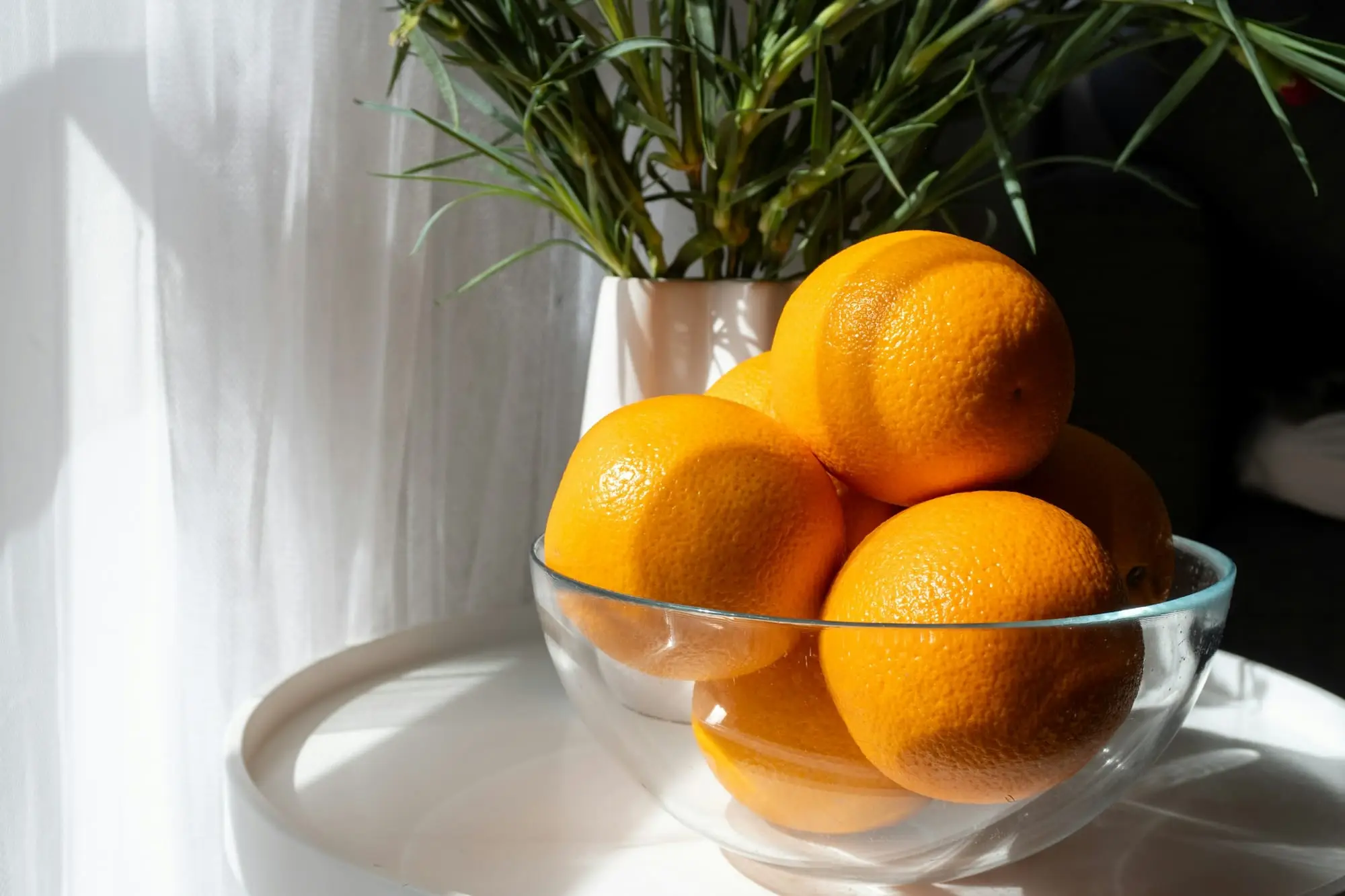
The best source of vitamin C is fruits and vegetables.1 An orange, some strawberries or red pepper strips at lunch is plenty to offer. Cut grapes lengthwise into quarters for children under 4, and slice or mash firmer fruit so it’s easy to chew.
Which nutrients do deserve attention?
If you want to look closely at one thing, look at these two.
Vitamin D. The CDC says children 12 to 24 months need 600 IU of vitamin D each day,2 and the AAP gives the same figure for children over 1.1 The AAP calls a combination of careful sun exposure and a good diet the best way to get enough.1 Food sources include fish such as salmon, eggs and fortified cow’s milk.2 The CDC notes that supplements can be used if a child isn’t getting enough from their diet2 — that’s a decision for your pediatrician, who can say whether yours is.
Iron. Iron supports a child’s ability to grow, pay attention and learn.3 Low iron is a more common worry than a missing immune “booster.” Meat, fish, eggs, beans, lentils and tofu are good sources, and pairing plant sources with foods high in vitamin C helps your child absorb more.3 Our guides on how much iron a toddler needs and the signs of iron deficiency in toddlers go further.
What about “immune-boosting” foods?
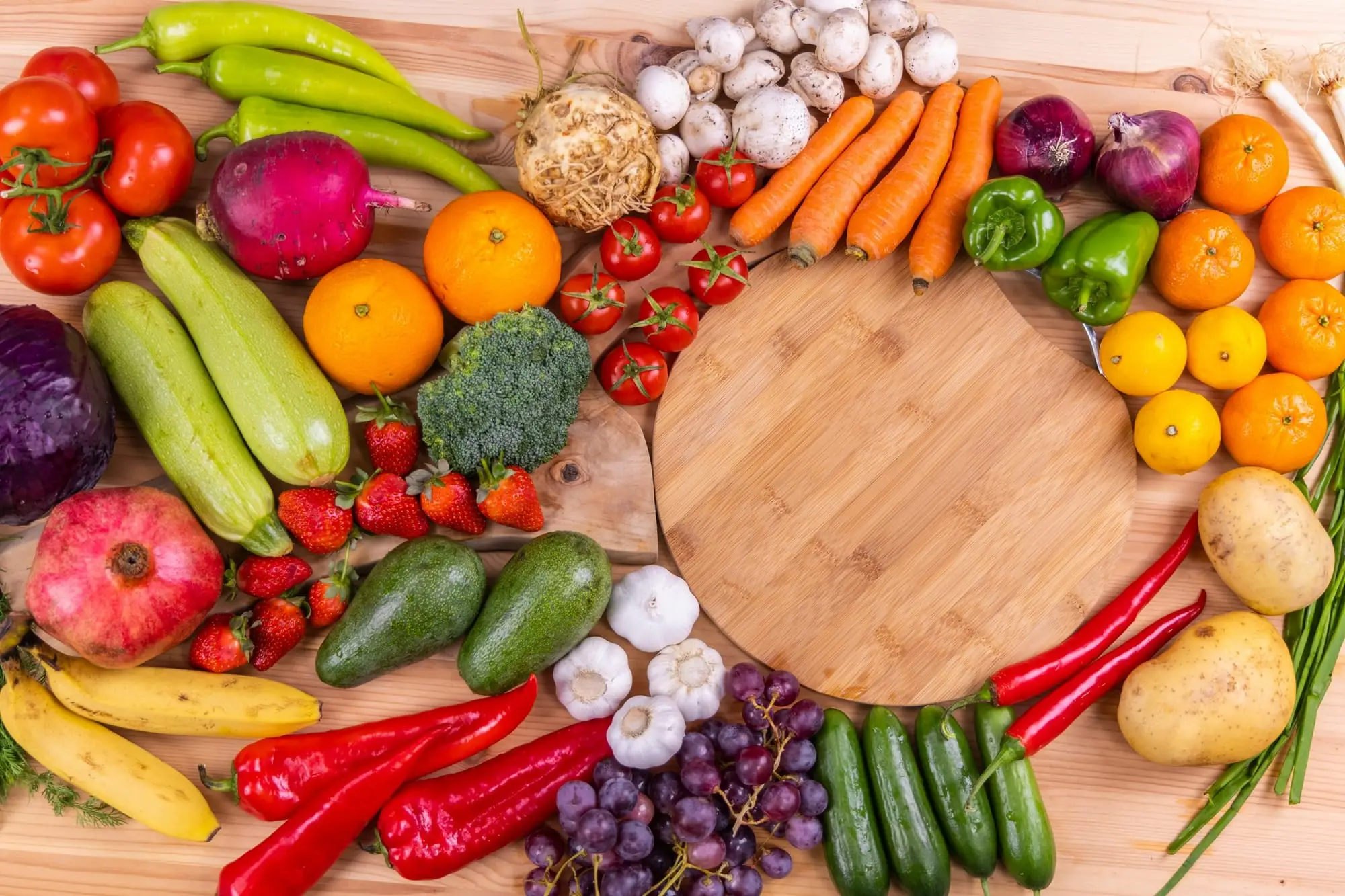
No single food boosts immunity. Aim for variety across the week:
- Fruit and vegetables in different colors, for vitamin C and more1
- Eggs and fish such as salmon, for vitamin D2
- Fortified milk for children over 12 months2
- Beans, lentils, tofu, meat and eggs for iron3
Serve whole nuts only to children over 4, and offer nut butter thinly spread. For younger children, skip whole nuts entirely.
What does an immune-friendly day look like?
You don’t need a special menu. A regular day of family food already covers the nutrients above, and it can look like this:
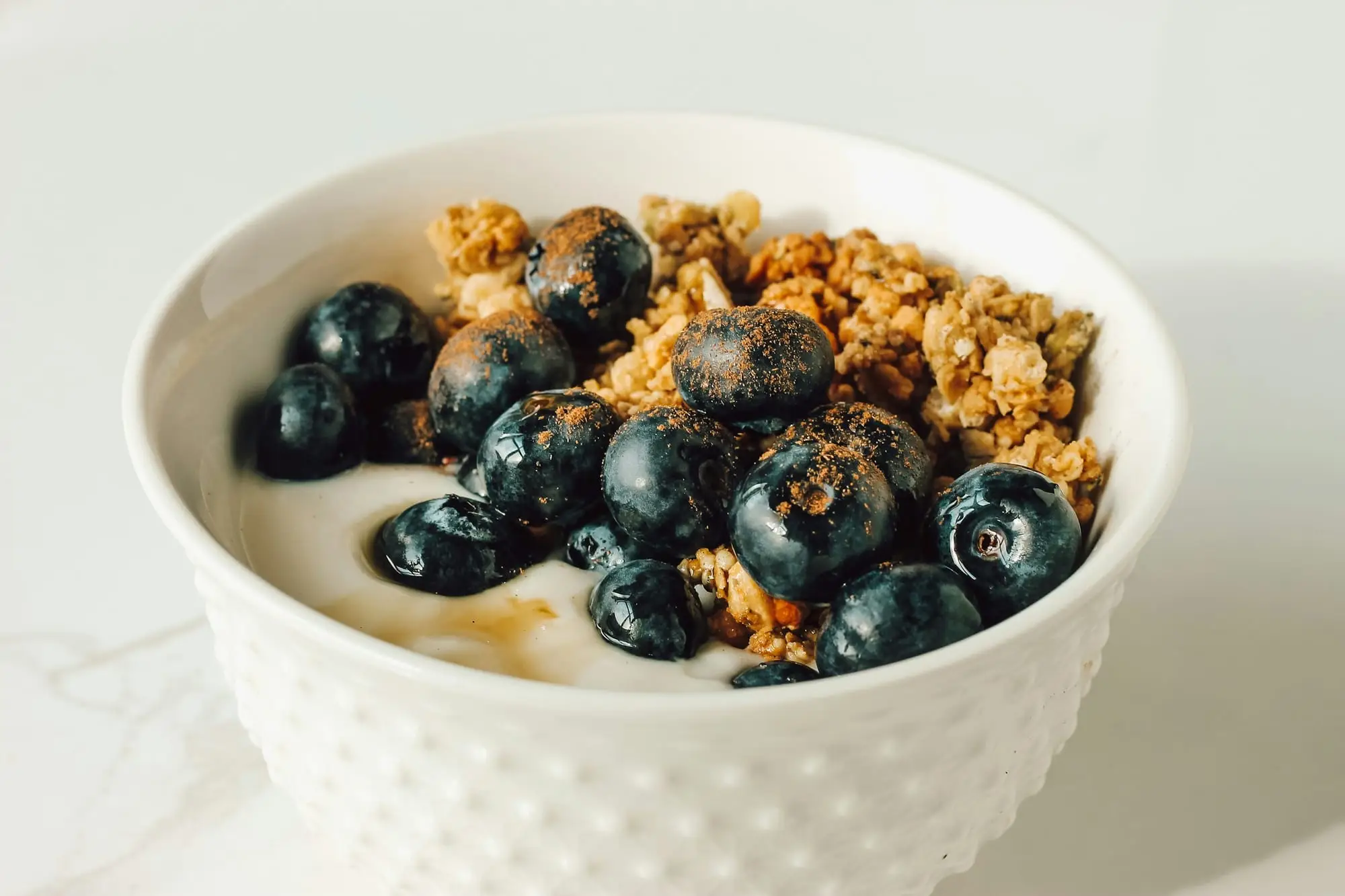
- Breakfast: scrambled egg with orange segments, or oats with berries. The egg brings vitamin D and the fruit brings vitamin C.21
- Lunch: a bean and cheese quesadilla with red pepper strips on the side. Beans are a plant source of iron, and the pepper’s vitamin C helps your child absorb it.3
- Snack: a glass of milk, which in most US stores is fortified with vitamin D, with a piece of fruit.2
- Dinner: baked salmon with rice and broccoli, or lentil soup with tomatoes.23
Offer milk to children over 12 months only, and keep portions toddler-sized. If you want more ideas, our guides to 2-year-old dinner ideas and what a 5-year-old should eat in a day have portions and safe cuts.
What if my child is a picky eater?
This is the most common reason parents reach for a supplement. The AAP’s view is that children who eat a variety of foods usually get what they need, so the goal is variety over time, not a perfect plate every day.1 Keep offering small portions of foods your child has refused, and don’t force bites.
If your child’s diet is very limited, say so at your next visit. That’s one of the situations where your pediatrician may talk through a supplement with you. Our guide to the 2-year-old picky eater covers what helps at the table.
What about probiotics and gummies?
The AAP says the most effective way to get probiotics is to maintain a healthy diet, and that they can be risky for children with vulnerable immune systems.1 Check with your pediatrician first.
Supplements aren’t risk-free either. The FDA does not approve supplements for safety or effectiveness before they’re sold, and megadoses of vitamins, such as large amounts of A or D, can be toxic.1 Gummy vitamins can look like candy, so store any supplement well out of reach.
Do guidelines differ between countries?
Yes. The NHS in the UK recommends that all children aged 6 months to 5 years be given supplements containing vitamins A, C and D every day, and says it’s difficult to get enough vitamin D from food alone.4 It specifies 10 micrograms of vitamin D daily for ages 1 to 4.4 The AAP’s position is that most healthy kids don’t need extra supplements.1 We follow the AAP here because it’s US guidance, but the vitamin D point shows why a chat with your own pediatrician is worth having.
For more on the wider question, see whether toddlers need vitamins.
When to talk to your pediatrician
Call your child's doctor if
- Your child gets sick far more often than other children, or infections are unusually severe or keep coming back
- A fever, trouble breathing or a cough that won't clear
- Poor growth, or very limited eating for weeks
- A very restricted diet, such as cutting out whole food groups
- You're thinking of giving any vitamin, mineral or probiotic — ask about it first, and never guess at a dose
Common questions
Do vitamins boost kids' immune systems?
For most healthy children, no. The American Academy of Pediatrics says most healthy kids don't need extra vitamin or mineral supplements, and recommends nutritious meals, plenty of sleep, regular physical activity and recommended vaccines instead.
Does vitamin C prevent colds in kids?
No. The AAP says there is no evidence that vitamin C supplements prevent kids from catching a cold. Some studies suggest they might reduce how severe cold symptoms are.
What are the best immune-boosting foods for kids?
No single food boosts immunity. A varied diet with fruit and vegetables, eggs or fish, dairy and iron-rich foods covers the nutrients the immune system relies on. Fruit and vegetables are the best source of vitamin C.
How much vitamin D does a toddler need?
The CDC says children 12 to 24 months need 600 IU a day, and the AAP gives the same figure for children over 1. It can come from food, careful sun exposure and, if your pediatrician advises, a supplement.
Should my child take a probiotic?
Ask your pediatrician first. The AAP says the most effective way to get probiotics is a healthy diet, and that they can be risky for children whose immune systems are vulnerable.
Can too many vitamins be harmful?
Yes. The AAP warns that megadoses of vitamins, such as large amounts of A or D, can be toxic. Never give a supplement dose on your own — check with your pediatrician.
Sources
- American Academy of Pediatrics, HealthyChildren.org. Nutritional Supplements, Vitamins & Boosting Your Child's Immunity.
- Centers for Disease Control and Prevention. Vitamin D — Infant and Toddler Nutrition.
- Centers for Disease Control and Prevention. Iron — Infant and Toddler Nutrition.
- NHS (UK). Vitamins for children.
This article is for general information and isn't a substitute for advice from your child's doctor. Our editorial standards.