On this page
The short version
- Under 2, the advice is no added sugar at all — the AAP, the American Heart Association and the Dietary Guidelines agree.
- From age 2, the AAP and AHA say to keep added sugar under 25 grams (about 6 teaspoons) a day.
- The 2025–2030 Dietary Guidelines go further, recommending no added sugar through about age 10.
- The sugar in plain milk and whole fruit isn't added sugar. Check the "Includes Added Sugars" line on the label.
The daily limit, by age
Children under 2 shouldn’t have any added sugar, and from age 2 the American Academy of Pediatrics and the American Heart Association recommend less than 25 grams — about 6 teaspoons — of added sugar a day.12 That’s the ceiling, not a target. Many days, a toddler can easily have none.
To picture 25 grams: a single 4 oz cup of fruit-flavored yogurt has about 21 grams of sugar, much of it added (more on that below).6 One sweetened yogurt and a few spoonfuls of ketchup can use up the whole day.
| Age | AAP and American Heart Association | Dietary Guidelines 2025–2030 |
|---|---|---|
| Under 1 year | None | Avoid added sugar |
| 1–2 years | None | Avoid added sugar |
| 2–4 years | Under 25 g (about 6 tsp) a day | Avoid added sugar |
| 5–10 years | Under 25 g a day | No amount recommended |
| 11–18 years | Under 25 g a day | No amount recommended; significantly limit sugary drinks |
Why the guidance doesn’t quite agree
Every major source agrees on the first two years: no added sugar before age 2.13 After that, they part ways a little.
The AHA’s 2017 scientific statement, which the AAP uses in its parent advice, sets a limit of under 25 grams a day for children 2 and older.12 The 2025–2030 Dietary Guidelines for Americans, published in January 2026, are stricter. They advise avoiding added sugar through early childhood and say no amount is recommended for children aged 5 to 10. For everyone, they suggest no single meal should contain more than 10 grams of added sugar.3
We use the AHA and AAP figure of 25 grams as the practical ceiling, because it’s a number you can check against a label. But the direction of all three is the same: the less, the better. A birthday cupcake is fine. A sweetened yogurt, a granola bar and a juice box every day is where it adds up.
Under 2, skip added sugar entirely. After that, 25 grams is the most — not the goal.
Natural sugar vs added sugar
Not all sugar counts. The sugar that’s naturally in plain milk (lactose) and whole fruit isn’t added sugar, according to both the Dietary Guidelines and the AHA.38 A banana or a cup of milk doesn’t eat into the 25 grams.
Added sugar is anything put in during processing, cooking or at the table. That includes table sugar, syrups, honey and fruit juice concentrate — even though they sound natural.4 On ingredient lists it hides under many names: anything ending in “-ose” (dextrose, fructose, sucrose), plus corn syrup, rice syrup, cane sugar, agave and molasses.3
Juice is a special case. Even 100% juice is very sweet and lacks the fiber of whole fruit, so the AAP caps it at 4 oz a day for ages 1 to 3 and recommends whole fruit instead.2 See how much milk a toddler should drink for the full drinks picture by age.
Where added sugar hides in toddler food
The AHA lists sweetened yogurt, flavored milk, breakfast cereals and bars, and fruit drinks among the most common sources.8 The AAP adds ketchup, salad dressing, baked beans and dried cranberries.2 Here’s how some everyday foods compare, in toddler-sized portions:6
| Food | Portion | Total sugars | Where it comes from |
|---|---|---|---|
| Plain whole milk | 1 cup | ≈ 12 g | All natural (lactose) |
| Chocolate milk, reduced fat | 1 cup | ≈ 24 g | About half added |
| Plain whole-milk yogurt | 4 oz | ≈ 5 g | All natural |
| Fruit yogurt, low fat | 4 oz | ≈ 21 g | Mostly added |
| Applesauce, unsweetened | ½ cup | ≈ 11 g | All natural (fruit) |
| Applesauce, sweetened | ½ cup | ≈ 18 g | About 7 g added |
| Frosted oat cereal with marshmallows | ¾ cup (30 g) | ≈ 11 g | Mostly added |
| Ketchup | 1 tbsp | ≈ 4 g | Tomato plus added sugar |
Drinks deserve a special mention. A 12-ounce can of regular soda has about 10 teaspoons of sugar — well over a child’s whole-day limit.8 The AAP advises water and plain milk as the everyday drinks, and steering clear of soda, sports drinks, sweet tea and fruit drinks.2 If you’re wondering about sports drinks when your toddler is sick, see can toddlers drink Gatorade.
How to read the label in 10 seconds
The U.S. Nutrition Facts label shows added sugar on its own line. Under Total Sugars, look for “Includes Xg Added Sugars.”5 That’s the number that matters for the 25-gram limit. Total Sugars also counts the natural sugar in milk and fruit, so a plain yogurt with 5 grams of total sugar and 0 grams added is a better pick than it looks.
The %DV column helps too: 5% or less is low, 20% or more is high.5 Bear in mind it’s based on an adult Daily Value of 50 grams of added sugar a day.4 A child’s 25-gram ceiling is half that, so a food showing 20% DV uses about 40% of your toddler’s allowance in one serving.
Check the serving size as well. Nutrient amounts are per serving, and a pouch, bar or cup your toddler finishes may be more than one.5
Easy swaps that cut sugar without a fight
Five swaps that add up
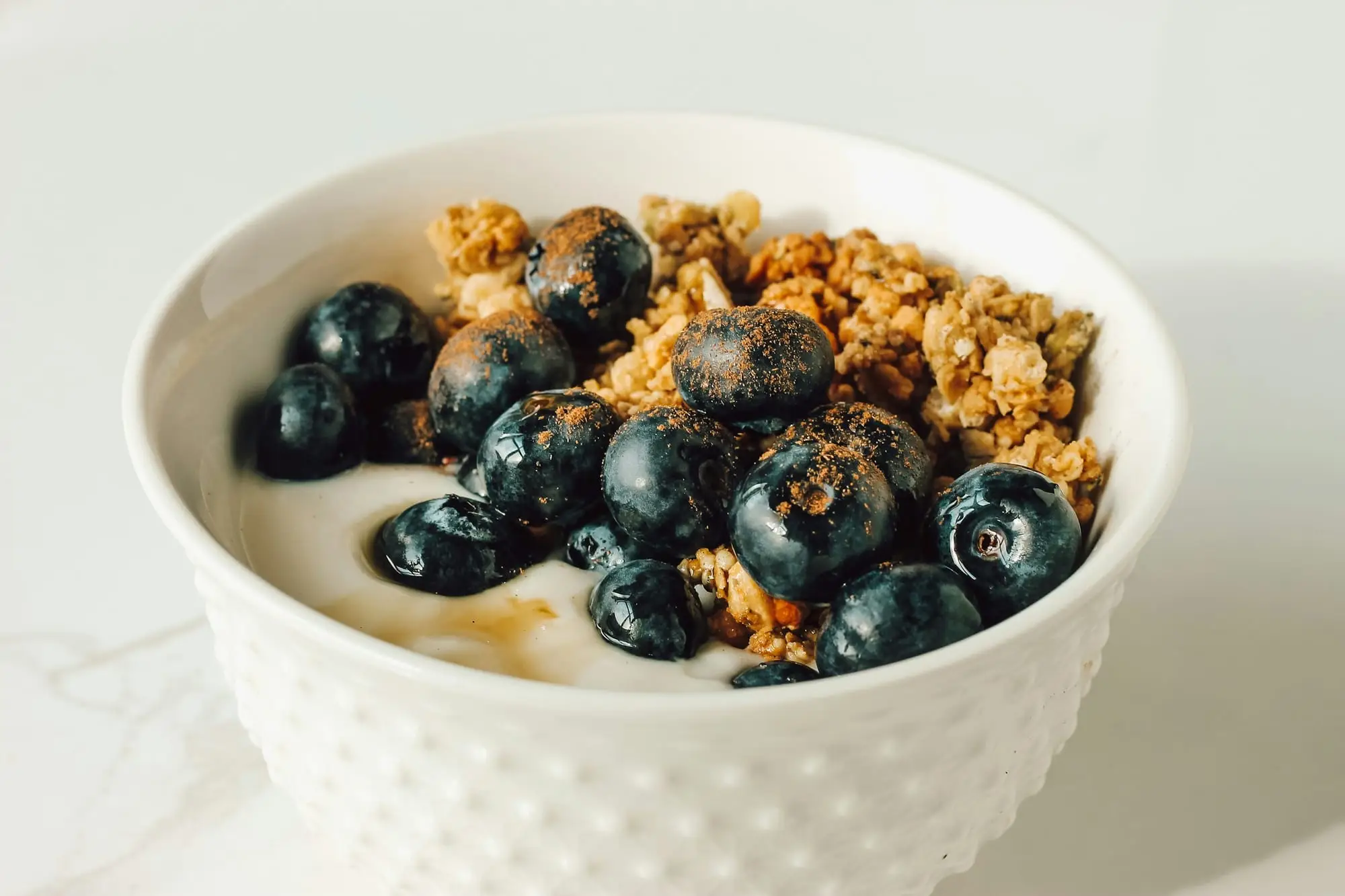
- Plain yogurt plus real fruit. Stir in mashed berries or banana. You control the sweetness, and the fruit sugar doesn’t count as added.
- Plain milk instead of flavored. The AAP advises young children avoid flavored milk to keep added sugar down and avoid building a preference for sweet drinks.7
- Water as the default drink. Keep juice to the AAP limit — or skip it — and offer whole fruit instead.2
- Compare cereal labels. Pick the one with the fewest grams of added sugar per serving, or mix a sweet cereal half-and-half with a plain one.
- Unsweetened versions of staples. Applesauce, oatmeal, nut butter and plant milks all come unsweetened; the label’s added sugars line should read 0 g.
None of this means a child over 2 can never have a treat. The limits are about the everyday pattern, and the biggest wins usually come from drinks, yogurt and cereal rather than the occasional party. If you’re dealing with a toddler who’d live on crackers and cereal, see toddler only eats carbs for strategies that work.
When to talk to your pediatrician
Ask your child's doctor if
- Your toddler drinks juice, soda or other sweet drinks every day and refuses water or plain milk
- You're worried about tooth decay — added sugar is linked to cavities
- Your child often has loose stools and drinks a lot of juice
- You're worried about your child's weight or growth
Sugar is one of the easiest parts of a toddler’s diet to change, because most of it comes from a handful of foods and drinks. Swap two or three of them and you’re usually well under the limit.
Common questions
How much sugar should a toddler have a day?
None added before age 2. From age 2, the American Academy of Pediatrics and the American Heart Association recommend less than 25 grams (about 6 teaspoons) of added sugar a day. Natural sugar in plain milk and whole fruit doesn't count toward this.
Can a 1-year-old have sugar?
The AAP, the American Heart Association and the U.S. Dietary Guidelines all advise avoiding added sugar in food and drinks for children under 2. The natural sugar in breast milk, formula, plain milk and fruit is fine.
Does the sugar in fruit count?
No. The Dietary Guidelines say the sugar naturally found in fruit and plain milk isn't added sugar. Fruit juice concentrate, honey and syrups used to sweeten foods do count as added sugar.
How much sugar is in flavored yogurt?
A lot more than plain. Using USDA data, a 4 oz serving of low-fat fruit yogurt has about 21 grams of total sugar, against about 5 grams in plain whole-milk yogurt. The "Includes Added Sugars" line on the label tells you how much was added.
How do I find added sugar on a food label?
On the U.S. Nutrition Facts label, look under "Total Sugars" for the line "Includes Xg Added Sugars." That number is the one to compare with the 25-gram daily limit for children 2 and older.
Sources
- Vos MB, Kaar JL, Welsh JA, et al. Circulation. 2017;135(19):e1017–e1034. Added Sugars and Cardiovascular Disease Risk in Children: A Scientific Statement From the American Heart Association.
- American Academy of Pediatrics, HealthyChildren.org. How to Reduce Added Sugar in Your Child's Diet: AAP Tips.
- U.S. Departments of Agriculture and Health and Human Services. Dietary Guidelines for Americans, 2025–2030.
- U.S. Food and Drug Administration. Added Sugars on the Nutrition Facts Label.
- U.S. Food and Drug Administration. How to Understand and Use the Nutrition Facts Label.
- U.S. Department of Agriculture, Agricultural Research Service. SR Legacy data. FoodData Central.
- American Academy of Pediatrics, HealthyChildren.org. Recommended Drinks for Children Age 5 & Younger.
- American Heart Association. Added Sugars.
This article is for general information and isn't a substitute for advice from your child's doctor. Our editorial standards.